
Mannarasala Sree Nagaraja Temple
Temple near Haripad, Kerala
1.2 km from Haripad
The nearest town, for stays, food and fuel.
Mannarasala Sree Nagaraja Temple is an ancient serpent shrine set amidst a dense sacred forest grove in Karthikappally near Haripad, Kerala. Famed for housing over thirty thousand stone snake idols beneath a tranquil canopy of trees, the temple draws pilgrims and travellers drawn to its unique heritage and serene atmosphere. It holds a distinct place in Kerala's spiritual landscape because its primary priestly rites are historically administered by a revered female priestess.
Getting there
By road
- From HaripadNearest town6 min · 2.2 km
- From Kochi2 hr 5 min · 86 km
- From Thiruvananthapuram3 hr 20 min · 130 km
- From Madurai6 hr 5 min · 291 km
Typical drive times without traffic. Stations and airports from OLA Maps; distances and typical drive times from OpenStreetMap (© OpenStreetMap contributors); notes from creators' Reels.
About Mannarasala Sree Nagaraja Temple
Written with AI from map data and general knowledge. Check prices and timings locally before you go.
About Mannarasala Sree Nagaraja Temple
Mannarasala Sree Nagaraja Temple is among the most famous and historic snake temples in India. Tucked away in the rural quietude of Karthikappally in southern Kerala, the temple is dedicated to Nagaraja, the serpent king, along with his consort Sarpayakshi and other celestial serpents. Unlike expansive stone temple complexes found in neighbouring states, Mannarasala is defined by its deep relationship with the natural wilderness that surrounds it.
Pilgrims and visitors enter a realm shaded by ancient trees and tangled creepers, where the boundary between religious precinct and wild nature blurs. Over thirty thousand stone carvings of serpents, weathered by centuries of tropical rain and moss, line the pathways and rest beneath the trees throughout the property. The temple grounds feel timeless, imbued with a quiet reverie that stands apart from typical bustling pilgrimage sites.
Unique traditions and heritage
The spiritual heritage of Mannarasala is celebrated for its distinctive matriarchal leadership. Worship and major rites in the inner sanctum are traditionally performed under the direction of the eldest female member of the resident Brahmin family, affectionately known as the Valia Amma. This practice is exceptionally rare in mainstream Hindu temple administration and gives the sanctuary a deeply nurturing and reverent character.
Devotees arrive here seeking blessings for harmony, relief from ancestral afflictions, and especially the gift of children. One of the temple's signature customs is Uruli Kamazhthal, an act of faith where childless couples offer a traditional bronze cooking vessel called an uruli. Once blessed, the vessel is placed inverted inside the sanctum until prayers are answered, after which the family returns to turn the vessel upright and perform rites of thanksgiving. Offerings of turmeric powder, tender coconuts, and milk are common across the shrines.
Read more
The sacred grove and architecture
The physical environment of Mannarasala is a classic example of a sarpa kavu, a traditional sacred grove preserved according to ancient Kerala customs. These groves serve as vital ecological sanctuaries that preserve indigenous flora, herbs, and local microclimates. Towering canopies filter the strong coastal sunlight into a calm, dappled shade, keeping the temple grounds significantly cooler than the surrounding open roads.
The shrines within the complex reflect traditional Kerala architectural principles, featuring sloping roofs covered in earthen tiles, unvarnished wooden joinery, and whitewashed stone walls designed to withstand heavy monsoon rainfalls. Paths wind through the forest floor, flanked by dense thickets where granite idols of snakes sit undisturbed, allowing nature to reclaim and coexist with the architecture.
Best time to visit Mannarasala
The optimal period to visit Mannarasala is during the cooler, drier months between October and March. During this window, southern Kerala enjoys moderate temperatures, reduced humidity, and clear days, making walking bare-chested or barefoot along the stone walkways comfortable.
The monsoon months from June through September bring dramatic downpours that transform the sacred grove into a vibrant, deep green sanctuary. While the grove is at its most atmospheric during the rains, travellers should expect damp grounds and frequent showers. Important festival dates honouring the serpent deities, particularly the Ayilyam star days in the traditional Malayalam months of Kanni and Thulam, draw massive congregations of worshippers; visitors who prefer tranquility may want to plan around these peak festival days.
How to reach Mannarasala Sree Nagaraja Temple
Mannarasala Sree Nagaraja Temple is easily accessible by road and rail, located just off the major transit lines running through the coastal plains of southern Kerala. Haripad and Kayamkulam are the closest railway heads, both well-connected with regular regional and express trains from cities like Kochi, Thiruvananthapuram, and Kollam. From the stations, local taxis and auto-rickshaws can take you directly to the temple gate in Karthikappally.
If you are travelling by car or state bus, the temple sits close to National Highway 66, which links Kochi with Thiruvananthapuram. The approach roads weave through quiet coastal villages and coconut plantations. Cochin International Airport and Trivandrum International Airport are the primary aerial gateways, each situated roughly a three-hour drive away depending on traffic conditions.
Tips for your visit
Like many historical temples across Kerala, Mannarasala maintains a traditional dress code for entry into the inner courtyards. Men are typically expected to wear a dhoti or mundu and remove their upper garments before entering the sanctum areas, while women are expected to wear sarees, salwar suits, or traditional long skirts. Western attire such as shorts, sleeveless shirts, or tight trousers is generally discouraged within the primary temple areas.
Footwear must be deposited outside before you enter the grove paths and temple premises. Photography is strictly prohibited within the temple sanctums and inner shrines, though the outer approaches and greenery can be quietly observed. Because daily ritual schedules, darshan timings, and afternoon rest closures vary according to traditional calendars, it is best to check locally or inquire upon arrival in Karthikappally to ensure your visit coincides with open doors.
Places to visit nearby
A trip to Mannarasala can be seamlessly paired with visits to the scenic waterways and coastal stretches of Alappuzha district. Roughly five kilometres to the west lies Thrikkunnapuzha Beach, where you can watch local fishing craft and experience the quieter side of the Arabian Sea coastline. Just slightly north, Thottapalli Harbour and its adjacent beach spillway offer scenic vistas where backwater spillways meet the ocean.
Further inland and northward, you can explore the tranquil freshwater expanse of Vatta Kayal or proceed onward to the bustling hub of Alleppey Beach, located approximately twenty-five kilometres away. The surrounding Alappuzha region is celebrated for its vast network of canals, historic lighthouses, and waterfront promenades, making it easy to create a varied itinerary covering temple culture, quiet coastal hamlets, and backwater scenery.
Where to stay
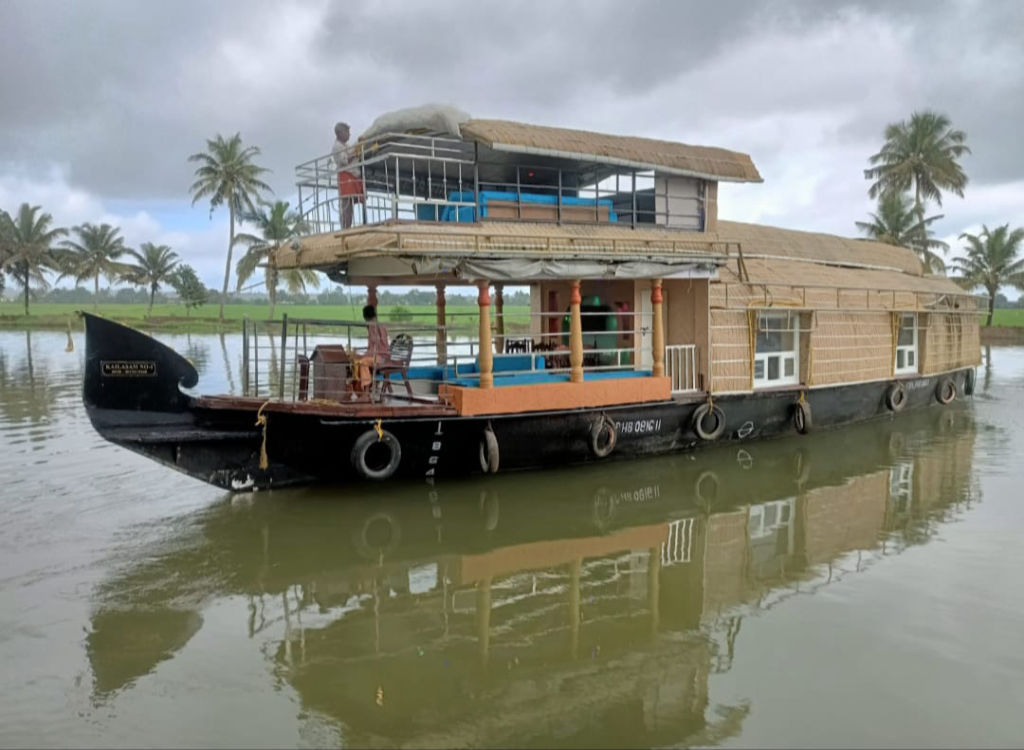
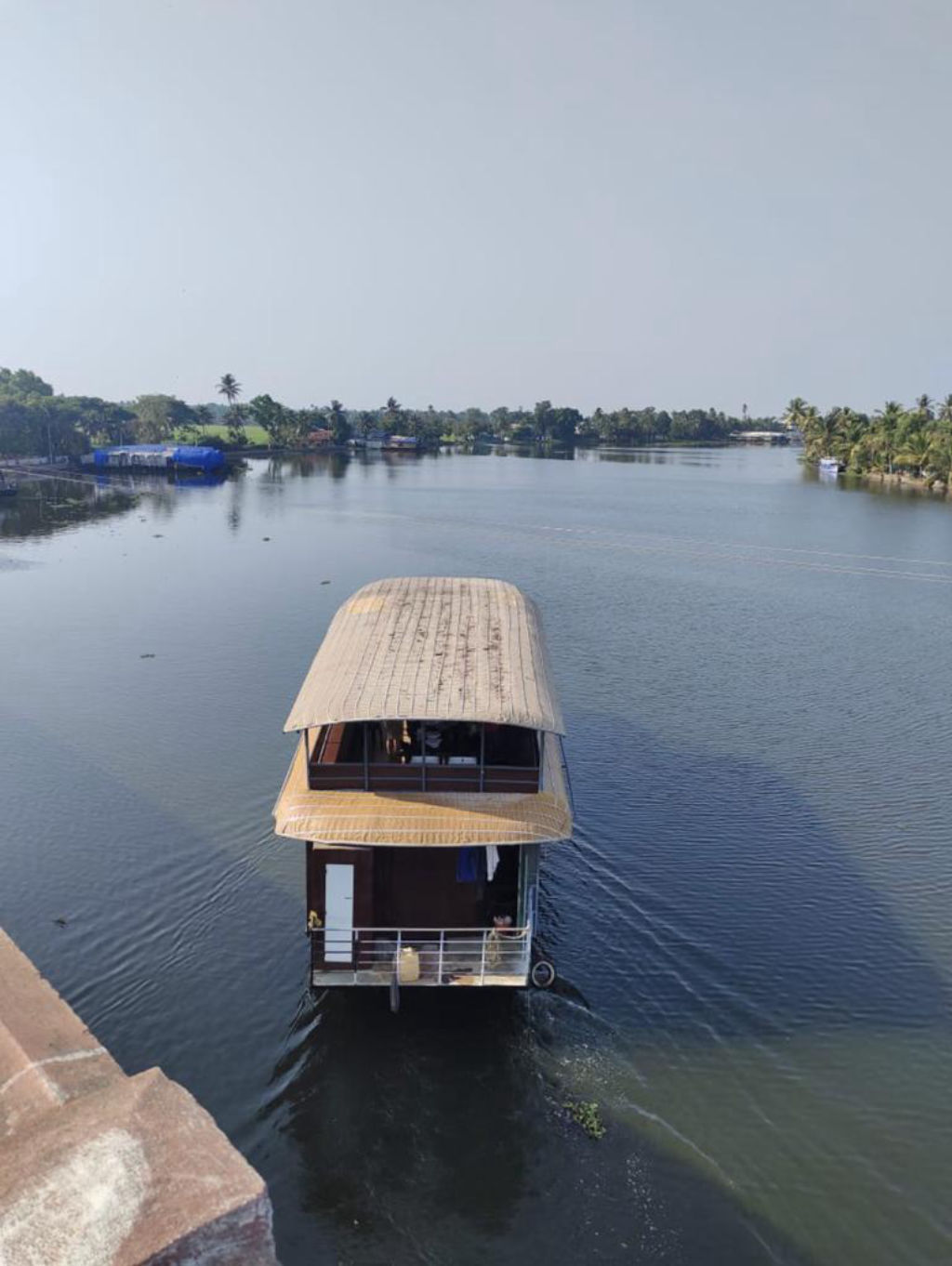
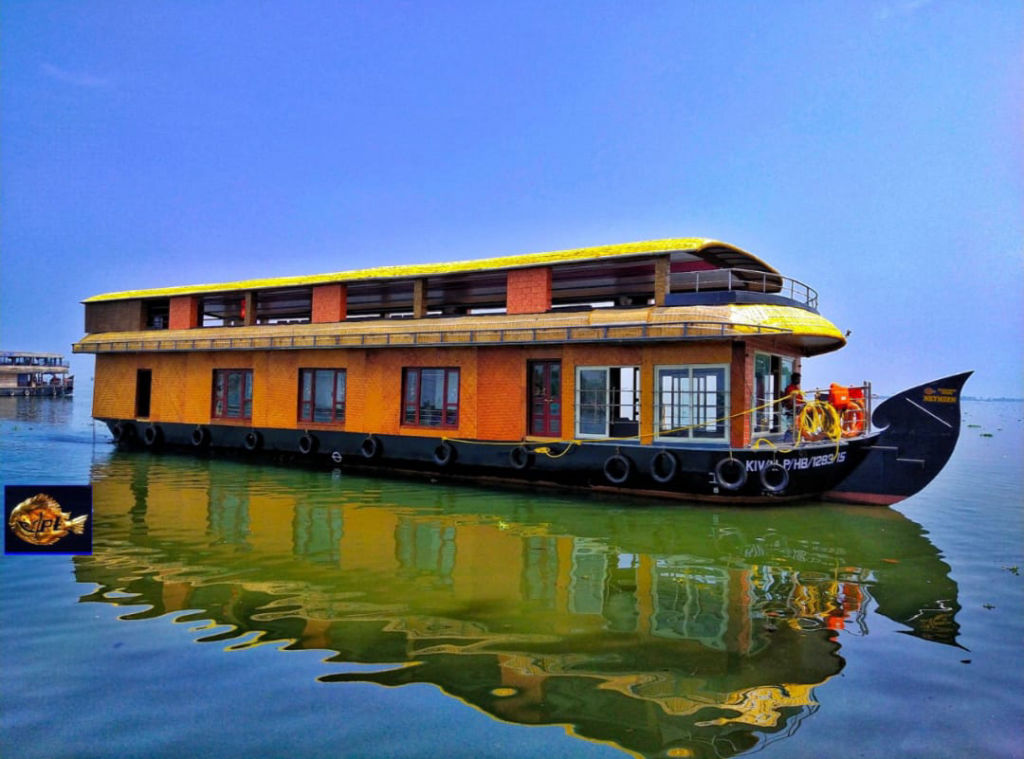
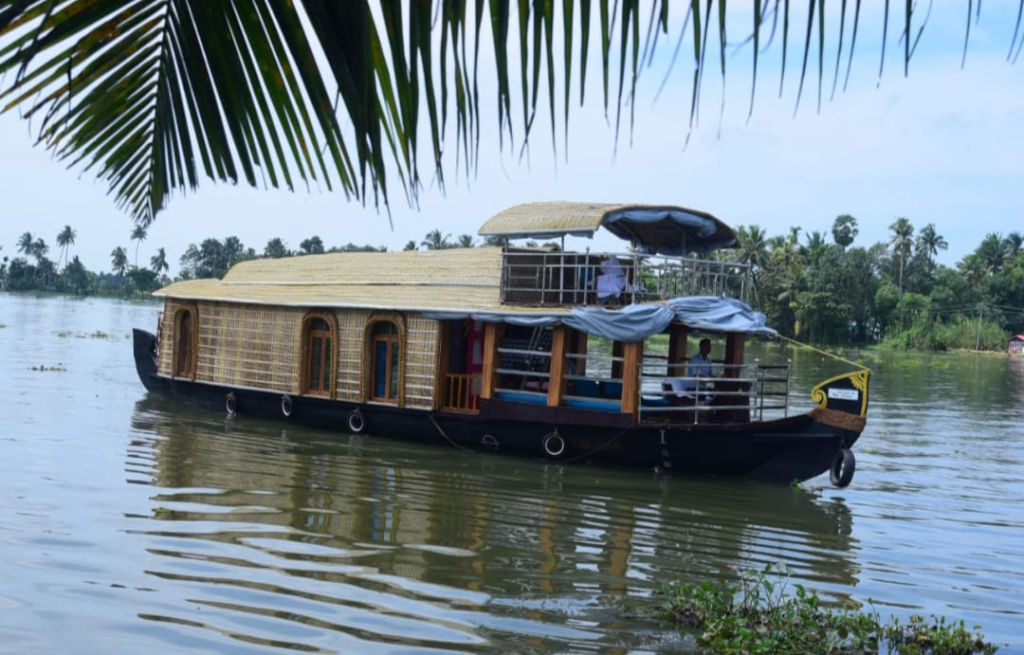
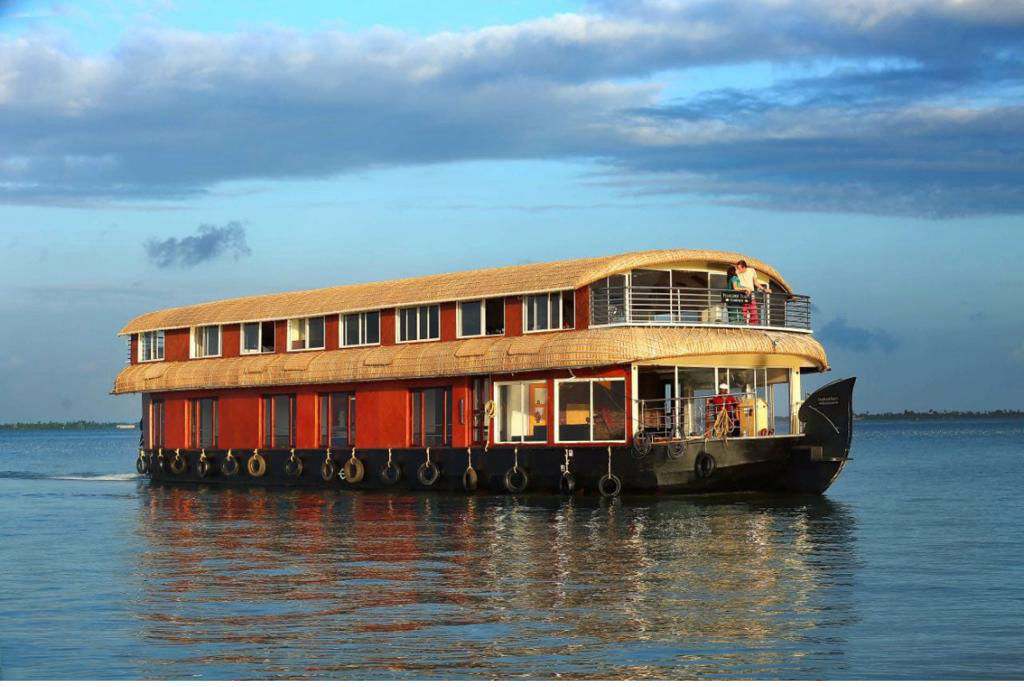
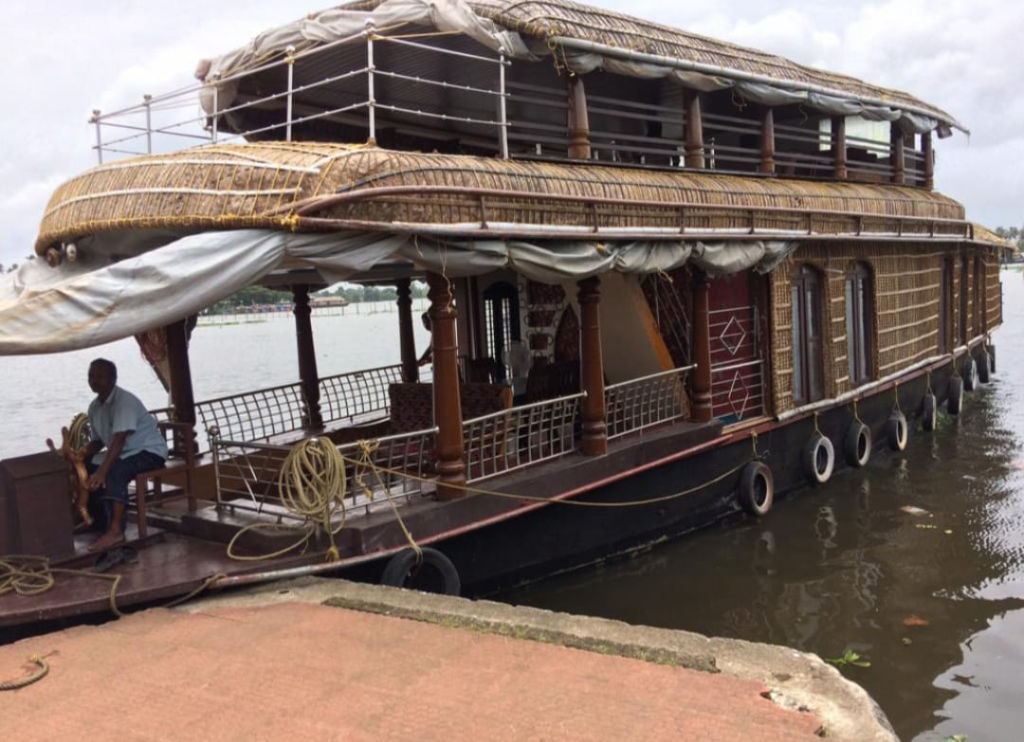
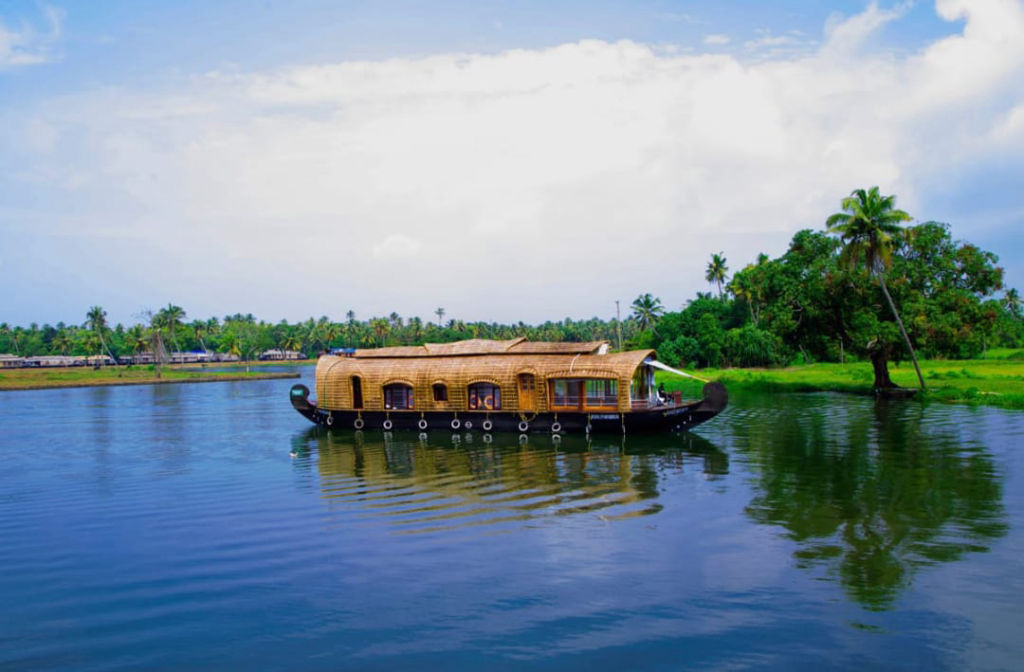
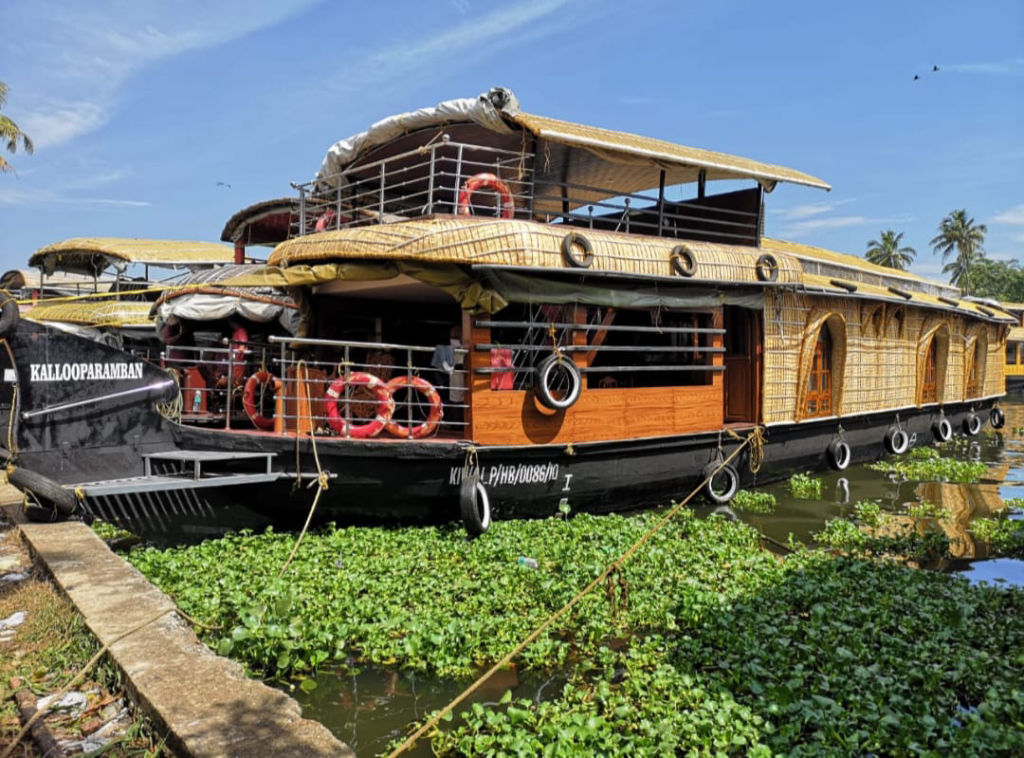
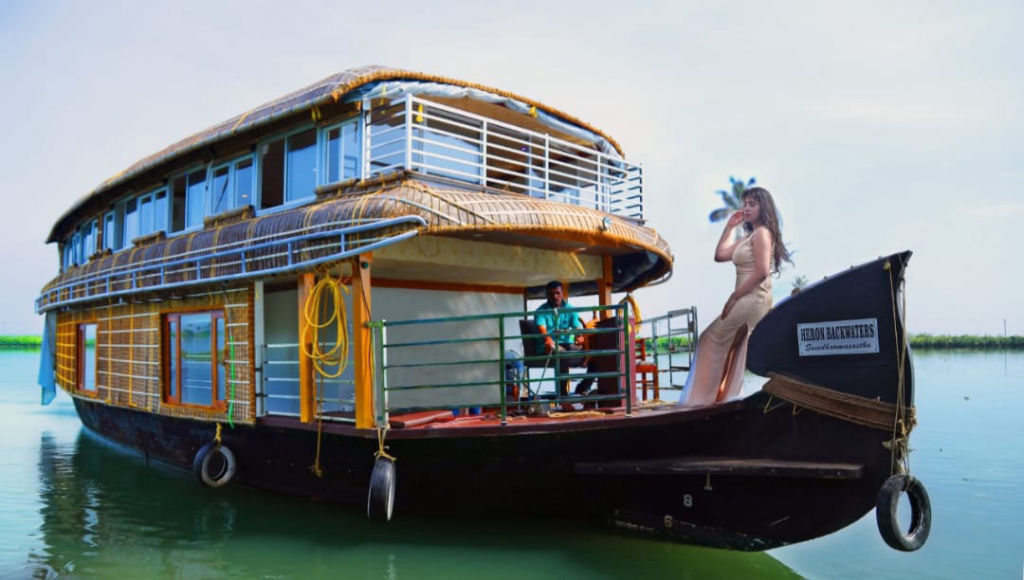
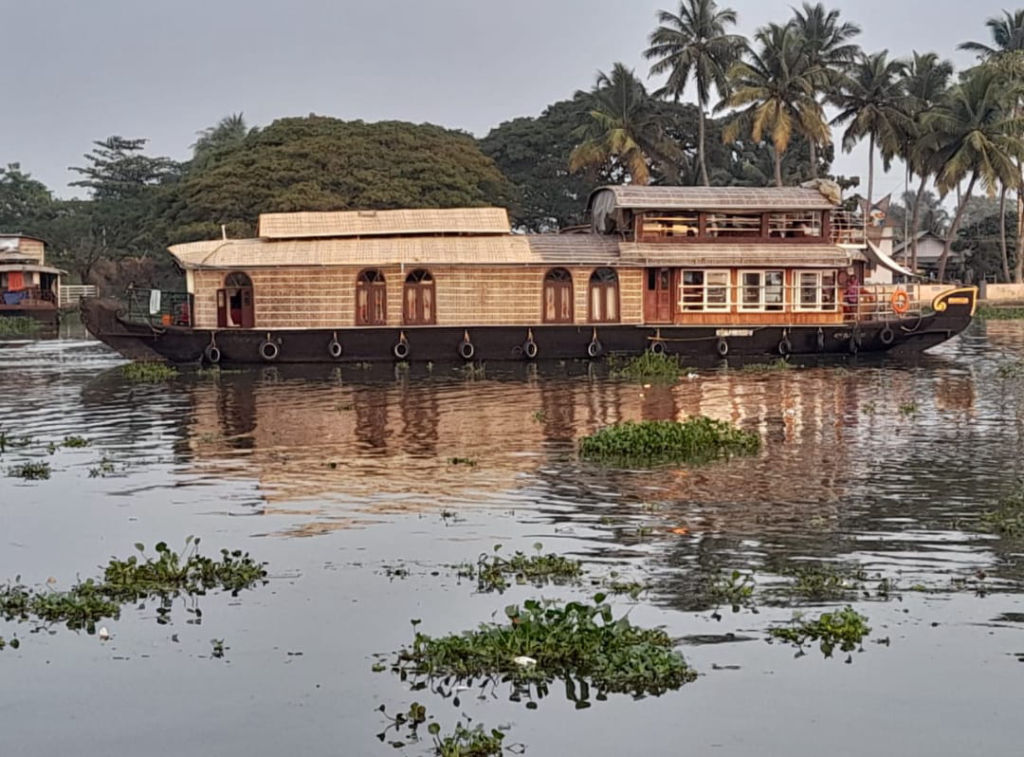
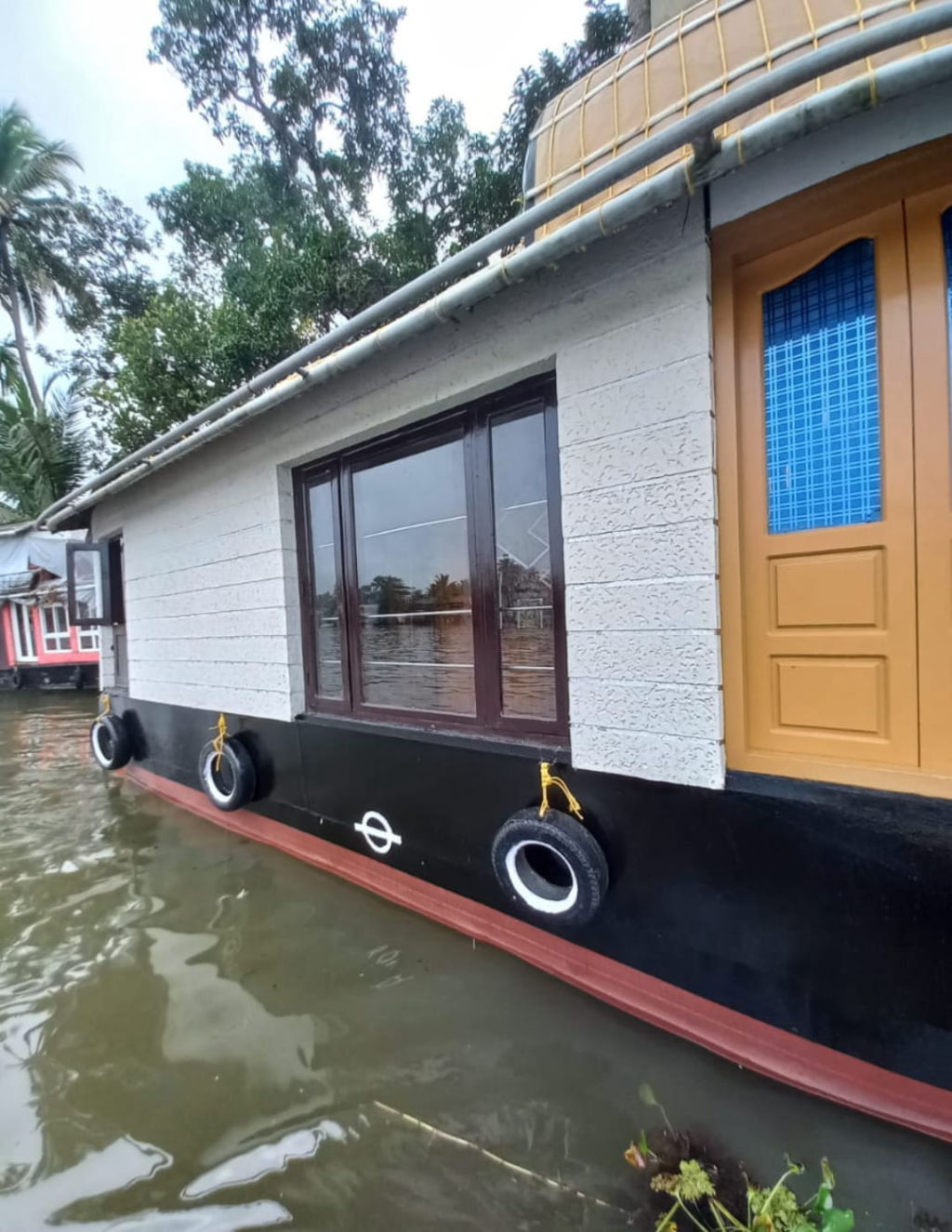
Travellers seeking accommodations near Mannarasala Sree Nagaraja Temple have diverse options spread across Karthikappally, Haripad, and the wider coastal belt of Alappuzha. Staying in a local village allows you to experience peaceful morning temple bells and traditional Kerala hospitality, while coastal stretches offer breezy retreats close to the sea.
For unique accommodations ranging from riverside homestays and heritage houses to tranquil outdoor camps under coconut palms, travellers can find and book an array of stays nearby on HireACamp. Booking in advance is recommended if your visit coincides with major temple festivals or the peak winter holiday season.
Frequently asked questions
Where is Mannarasala Sree Nagaraja Temple located?
The temple is located in the Karthikappally area near Haripad, in the Alappuzha district of Kerala, India.
What makes the priestess tradition at Mannarasala unique?
The inner rites and major rituals of the temple are traditionally led by the eldest female matriarch of the family, known as the Valia Amma, a practice that is exceptionally rare among traditional Hindu temples.
Is there a specific dress code required to enter?
Yes, visitors must follow traditional Kerala temple attire, which generally requires men to wear a mundu and remove their shirts, and women to wear sarees or traditional Indian garments.
What is the best time of year to visit?
The winter months from October to March offer the most pleasant weather for walking through the sacred grove, while the monsoon months bring lush greenery but frequent heavy rain.
What is the significance of the Uruli Kamazhthal ritual?
Uruli Kamazhthal is a traditional ritual where childless couples offer an inverted bronze vessel to seek the blessings of the serpent gods for parenthood.
Where you'll be
Mannarasala P.O, Karthikappally · 11 stays nearby shown with prices
Stays near Mannarasala Sree Nagaraja Temple
Book a place to stay close by
More places near Mannarasala Sree Nagaraja Temple
Within 20 km


Built from 0 Instagram posts by 0 creators. Every tip links back to the post it came from, and where creators disagree we show both sides.






