
Megamalai Wildlife Sanctuary
Wildlife sanctuary near Highwavys, Tamil Nadu
700 m from Highwavys
The nearest town, for stays, food and fuel.
Megamalai Wildlife Sanctuary is a protected reserve located along the Western Ghats in Tamil Nadu, near the town of Uttamapalaiyam. Known for its rolling tea estates, cloud-draped slopes, and rich forest ecosystems, it serves as a crucial habitat for elephants, gaurs, and diverse bird species. Visitors come to enjoy the cool montane climate, peaceful scenic drives, and natural highland landscapes.
Getting there
By road
- From HighwavysNearest town1 min · 600 m
- From Madurai3 hr · 133 km
- From Kochi4 hr 55 min · 210 km
- From Coimbatore5 hr 55 min · 275 km
Typical drive times without traffic. Stations and airports from OLA Maps; distances and typical drive times from OpenStreetMap (© OpenStreetMap contributors); notes from creators' Reels.
About Megamalai Wildlife Sanctuary
Written with AI from map data and general knowledge. Check prices and timings locally before you go.
About Megamalai Wildlife Sanctuary
Megamalai Wildlife Sanctuary, often known locally as the Highwavys or the Cloud Mountain range, spans across the upper reaches of the Western Ghats in Tamil Nadu. Bordering the state of Kerala and contiguous with regional forest corridors, this protected sanctuary acts as a vital watershed and ecological haven. The landscape rises steeply from the plains around Uttamapalaiyam into high plateaus covered with dense shola forests, evergreen canopies, grassland patches, and sprawling tea plantations.
The sanctuary plays a significant role in conserving local river systems and providing unfragmented corridors for wildlife movement. Because the terrain ranges from foothill scrub to high-altitude ridges, it hosts several distinct microclimates. Visitors travel here to escape the heat of the lower plains, encountering a cooler atmosphere characterized by misty valleys, quiet forest tracks, and panoramic vistas stretching out over the surrounding terrain.
Flora and Fauna of Megamalai
The biodiversity within Megamalai Wildlife Sanctuary reflects the ecological variety typical of the southern Western Ghats. The low-lying slopes feature dry deciduous and moist deciduous tracts, which gradually transform into semi-evergreen and montane wet temperate forests, commonly known as shola forests, on the higher elevations. These dense forest pockets alternate with undulating grasslands, creating balanced niches for a broad range of plant and animal life.
A variety of large mammals inhabit the sanctuary, including Asian elephants, Indian gaurs, leopards, spotted deer, and wild boars. The canopy is home to arboreal wildlife such as the bonnet macaque, the Nilgiri langur, and several squirrel species. For birdwatchers, the reserve is a rewarding destination, harboring endemic and migratory species ranging from vibrant flycatchers, hornbills, and barbets to numerous birds of prey that ride the thermal winds rising above the mountain slopes.
Read more
Best Time to Visit Megamalai Wildlife Sanctuary
Planning a visit to Megamalai depends largely on the experience you are seeking, as the mountain weather changes noticeably across seasons. The post-monsoon and winter months, spanning from October to March, are generally considered the most comfortable period to visit. During these months, daytime temperatures remain pleasant, the air is crisp, and lingering mist settles over the hills, making outdoor sightseeing and exploration enjoyable.
The summer months from April to June are warmer down in the foothills, but the high-altitude plateaus retain a relatively temperate climate compared to the plains below. Wildlife sightings around natural water holes can increase during this period as animals move about more frequently. The monsoon season, which typically lasts from July to September, brings heavy rainfall that rejuvenates the streams and turns the hills vivid green. However, torrential rains can also make ghat roads slick and prone to occasional travel delays, so checking local weather updates before travelling is always advisable.
Things to Do in Megamalai Wildlife Sanctuary
A visit to Megamalai is primarily about slowing down and tuning in to nature. Taking leisurely drives along the winding mountain roads provides uninterrupted viewpoints over terraced tea gardens and forested slopes. As you climb higher, roadside observation points offer sweeping views across the valleys that stretch toward the Tamil Nadu plains.
Birdwatching and wildlife spotting are popular along public thoroughfares and permitted nature trails. Walking quietly near plantation borders and permitted reserve fringes offers opportunities to spot diverse bird species, butterflies, and the specialized plants of the shola system. Photography enthusiasts will find compelling subjects in the dramatic cloud movements, early morning mist across the tea bushes, and shifting mountain light.
How to Reach Megamalai Wildlife Sanctuary
The primary approach to Megamalai Wildlife Sanctuary is via the town of Uttamapalaiyam and the wider Theni district in Tamil Nadu. The sanctuary is accessible by road from several regional hubs. Travelers arriving from Madurai can drive toward Theni and continue on through Uttamapalaiyam before beginning the winding climb up the ghat road leading into the high plateaus.
The nearest major railway connectivity is found in Madurai and Dindigul, while the closest commercial airport is Madurai Airport. From Madurai or neighboring towns, visitors can hire private vehicles or make use of local bus services that run up the hills, though bus frequencies are often limited. The mountain road contains numerous sharp bends and narrow stretches, so drivers should navigate with caution, particularly during misty or rainy conditions.
Places to Visit Nearby
The region surrounding Megamalai Wildlife Sanctuary contains several natural and cultural points of interest that fit well into a broader itinerary. The prominent peak of Meghamalai rises nearby, offering commanding perspectives over the tea estates and high ridges. Down toward the lower reaches, Chinna Suruli Falls provides a scenic waterfall stop surrounded by rocky outcrops and thick greenery.
Further across the valley network lies the Varushanad Valley, appreciated for its river basin and scenic rural terrain. Wildlife enthusiasts can also consider exploring the neighboring Grizzled Squirrel Wildlife Sanctuary, which protects specialized dry and riverine forest habitats. Those interested in regional heritage will find ancient shrines in the surrounding towns, including the Kalatheeswarar Gnanamman Temple and other historic sites across the plains.
Tips for Visiting the Sanctuary
Because Megamalai is an active wildlife reserve and an environmentally sensitive zone, travelers should follow responsible outdoor practices. Wildlife sightings can happen unexpectedly along mountain roads, so keep a respectful distance from any animals you encounter and never attempt to feed or approach them. Avoid speeding on reserve roads and refrain from playing loud music or causing disturbances that could unsettle local wildlife.
Weather conditions in the mountains can shift rapidly from sunshine to dense mist or sudden rain showers. Carrying warm layers or windbreakers is recommended throughout the year, along with sturdy walking shoes and rainwear if visiting during or immediately after the monsoons. Plastic littering is strictly discouraged, and visitors should carry all personal trash back to towns for responsible disposal.
Where to Stay Near Megamalai
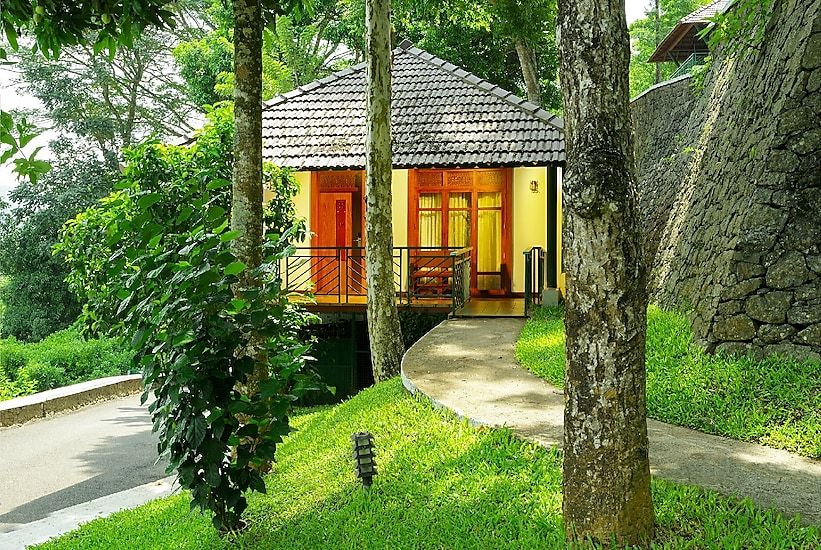
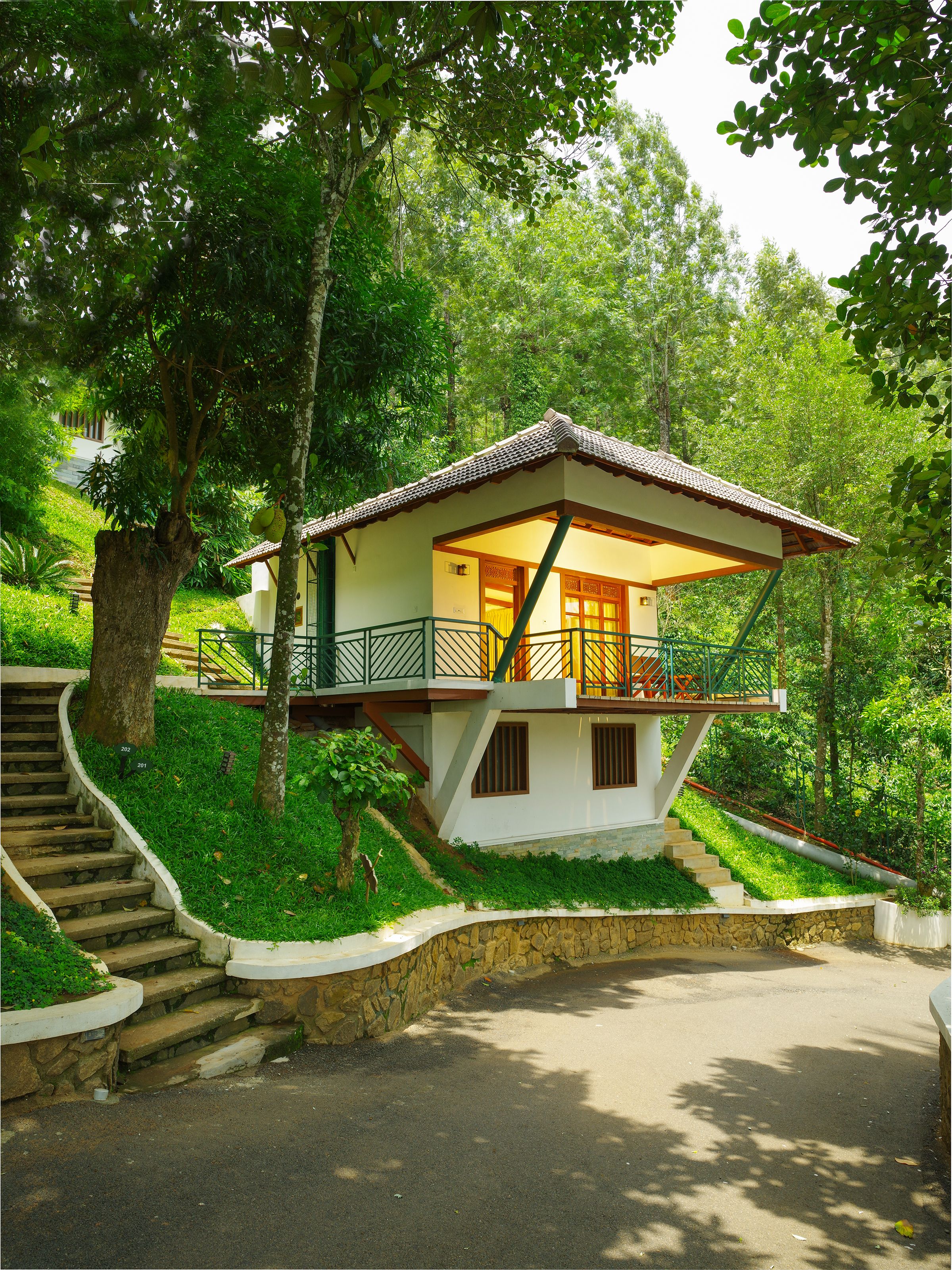
Accommodation options around Megamalai include estate guesthouses on the plateau as well as standard hotels, lodges, and town stays in the plains around Uttamapalaiyam and Theni. Staying up on the hills offers early morning mountain air and scenic views right from your doorstep, while staying in the base towns provides broader dining choices and easier transport connections.
If you prefer nature stays, experiential homestays, or outdoor campsites in the region, you can browse available options on HireACamp. Booking your stay in advance is advisable, especially during weekends and the cooler winter months when regional travel increases.
Frequently asked questions
Where is Megamalai Wildlife Sanctuary located?
Megamalai Wildlife Sanctuary is located in the Western Ghats of Tamil Nadu, near the town of Uttamapalaiyam in Theni district.
What wildlife can be seen at Megamalai Wildlife Sanctuary?
The sanctuary is home to Asian elephants, Indian gaurs, leopards, spotted deer, wild boars, and various primates, alongside many resident and migratory bird species.
What is the best time to visit the sanctuary?
The best time to visit is from October to March, when the weather is cool, dry, and ideal for scenic drives and nature walks.
How do I reach Megamalai Wildlife Sanctuary?
You can reach Megamalai by road via Uttamapalaiyam and Theni, with Madurai serving as the nearest major airport and railway hub.
Do I need permits to visit Megamalai Wildlife Sanctuary?
While public roads run through parts of the region, access to core forest sections and specific trekking routes may require forestry department permits, so it is recommended to check regulations locally upon arrival.
Where you'll be
Uthamapalayam, TN · 2 stays nearby shown with prices
Stays near Megamalai Wildlife Sanctuary
Book a place to stay close by
More places near Megamalai Wildlife Sanctuary
Within 20 km


Built from 0 Instagram posts by 0 creators. Every tip links back to the post it came from, and where creators disagree we show both sides.






