
Mormugao
Destination in Goa
Mormugao is a historic port town located on a rugged promontory at the mouth of the Zuari River in South Goa. Renowned for its natural deep-water harbour, storied fortifications, and open vistas of the Arabian Sea, it offers an authentic coastal rhythm distinct from the busier resort strips. Travellers visit to experience its maritime past, enjoy panoramic headland lookouts, and explore quieter sandy shores nearby.
Getting there
By road
- From Pune9 hr 25 min · 458 km
Typical drive times without traffic. Stations and airports from OLA Maps; distances and typical drive times from OpenStreetMap (© OpenStreetMap contributors); notes from creators' Reels.
About Mormugao
Written with AI from map data and general knowledge. Check prices and timings locally before you go.
About Mormugao and its coastal heritage
Mormugao occupies a commanding headland on the southern bank of the Zuari River where it empties into the Arabian Sea. The town grew around its natural deep-water anchorage, which remains one of India's premier commercial ports. Long before modern cargo vessels lined the docks, the strategic value of this high promontory was recognized by regional rulers and later by the Portuguese, who fortified the peninsula in the seventeenth century to defend the river estuary from rival colonial fleets and maritime raiders.
Today, the municipality encompasses bustling commercial quarters, traditional dockside residential lanes, and sweeping open vistas across the harbor. Unlike the party-focused enclaves of coastal Goa, Mormugao retains a strong maritime identity shaped by the shipping trade, naval installations, and deep-rooted community traditions. The landscape alternates between sea-facing cliffs, verdant hilltops, and sheltered coves, providing visitors with a grounded look at how Goan life connects to the open sea.
Things to see and do in Mormugao
A rewarding way to explore Mormugao is by visiting the remnants of Mormugao Fort, situated near the tip of the headland overlooking the port. While much of the original fortress walls have merged with the landscape over centuries, surviving bastions and ramparts offer magnificent vantage points over the mouth of the Zuari River and passing vessels. Walking along the outer perimeter provides a palpable sense of the maritime defense network that guarded Old Goa.
Nearby, atop the high ridge, landscaped green spaces and promenades offer quiet places to sit and watch the sun dip into the Arabian Sea. From these cliff-edge parks, the view extends past working tugboats to open blue horizons. Down at the base of the headland, you can wander along traditional streets to see old administrative buildings, visit local fish markets that bustle with each morning catch, or stop by municipal chapels and community landmarks that showcase classic Indo-Portuguese architecture.
Read more
Beaches and coastal viewpoints
While Mormugao harbor is dedicated to shipping, the surrounding peninsula is fringed with diverse beaches. Just south of the port area lies Baina Beach, a long arc of sand that has evolved into a popular seaside promenade frequented by locals for evening strolls, open-air exercise, and community festivities.
A short drive further down the headland brings you to Bogmalo Beach, a sandy cove enclosed by rocky red laterite cliffs. Bogmalo is known for calm swimming conditions during the post-monsoon months and casual beachside relaxation. Continuing southeast along the curve of the coastline leads to Hollant Beach, a uniquely sheltered bay where the sea remains gentle even during shifting tides, making it a favorite spot for wading and catching early morning sunrises over the bay.
Day trips and getaways around Mormugao
Mormugao makes a convenient launching point for broader exploration across South Goa. Off the western shore of the peninsula lies Grande Island, a popular excursion destination accessible by local boat operators. The waters around the island support diverse marine life, making it a prominent hub for introductory scuba diving, snorkeling, and dolphin-spotting excursions when the seas are calm.
Inland and southward, the quiet villages of Salcete offer a dramatic shift in pace, where narrow roads weave through expansive coconut groves, tidal backwaters, and heritage mansions. Exploring inland from Mormugao also reveals historic churches, peaceful fishing hamlets along the Zuari riverfront, and scenic driving circuits that loop through traditional Goan countryside far removed from tourist traffic.
Best time to visit Mormugao
The best time to visit Mormugao is between November and February, when South Goa experiences dry, sunny days and comfortable evenings. During these winter months, humidity drops significantly, daytime temperatures hover around pleasant levels, and sea conditions are calm enough for boat excursions and swimming.
The monsoon season, from June to September, brings intense tropical rainfall and rough maritime conditions, leading to port caution and a halt in offshore boating. However, this season turns the headlands intensely green, with mist hanging over the river and dramatic waves breaking against the outer seawalls. The summer months of March through May can be quite warm and humid, suitable for early morning or sunset explorations while spending the midday hours indoors.
How to reach Mormugao
Mormugao is exceptionally well connected by air, rail, and road. Dabolim Airport is situated directly on the same peninsula, only a short drive from the center of the town, receiving regular flights from major Indian metropolitan cities.
For rail travelers, the Vasco da Gama railway station serves as a terminal for long-distance trains originating from across the country, while major junction stations further inland provide additional connections. Mormugao is easily accessible by road via national highways that link South Goa to North Goa across the modern cable-stayed Zuari bridges. Taxis, state-run buses, and rental scooters are readily available throughout the peninsula for local commuting.
Where to stay in and around Mormugao
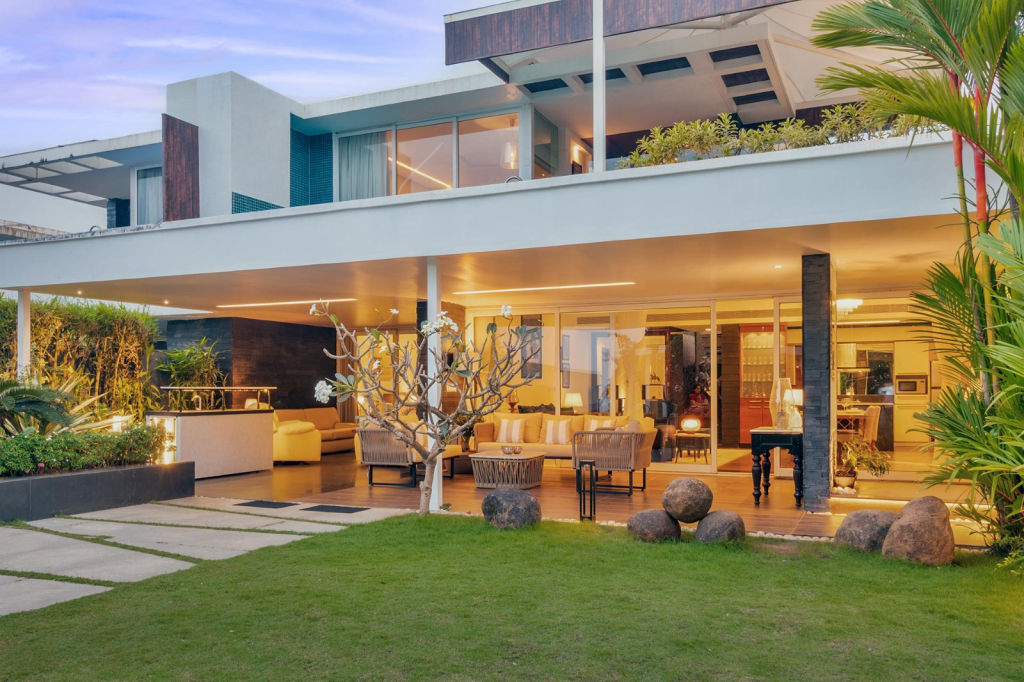
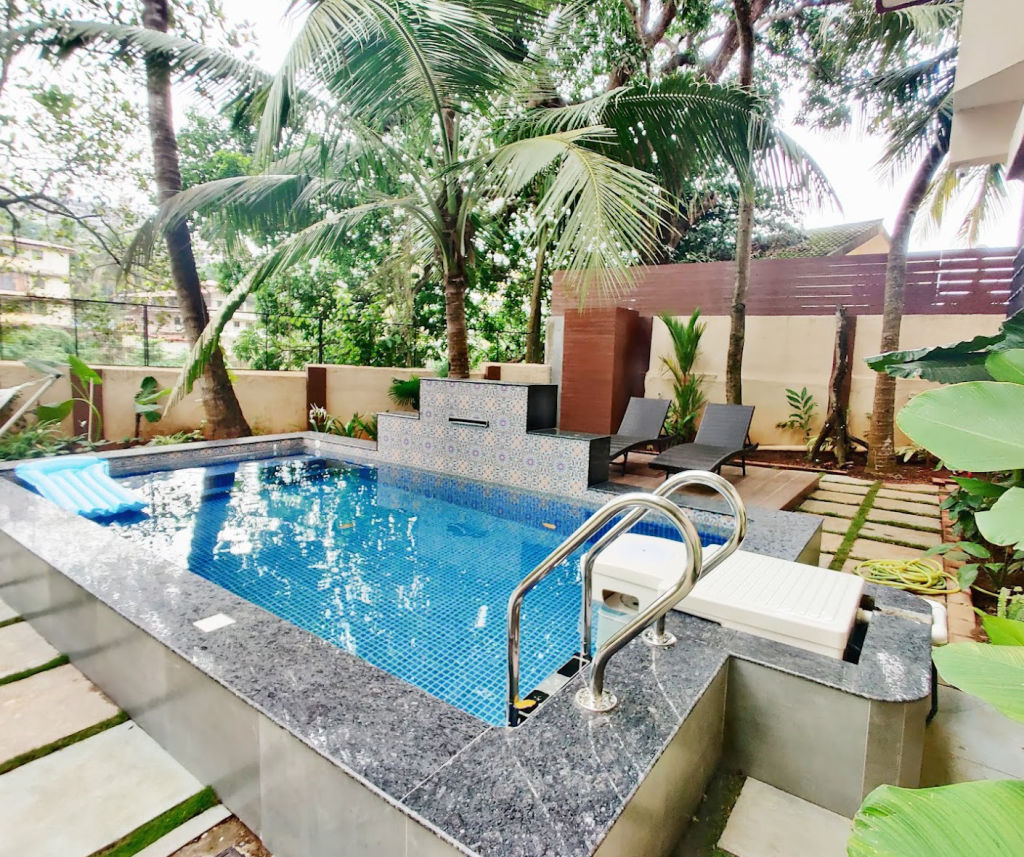
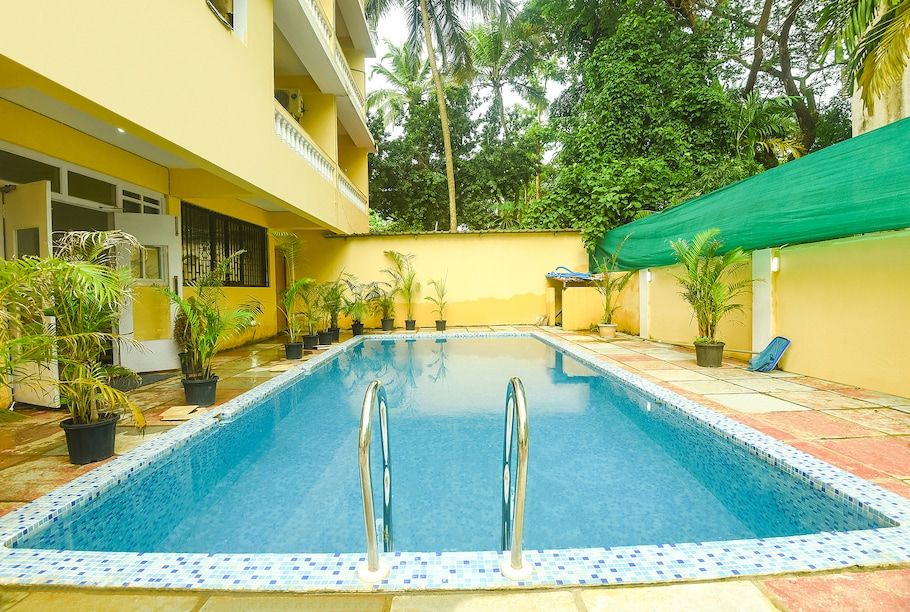
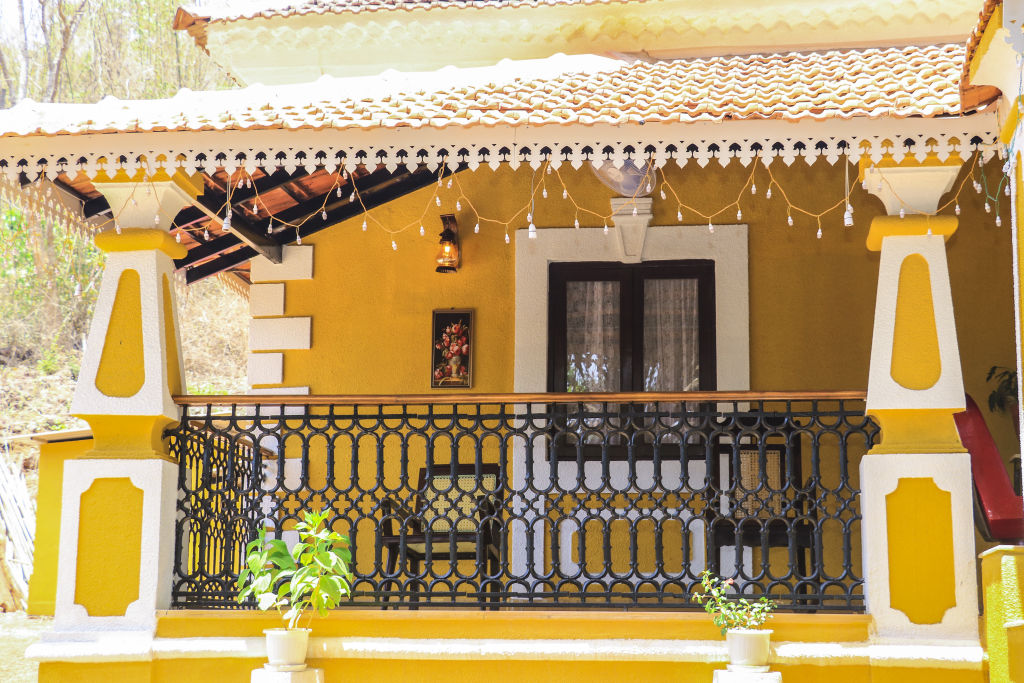
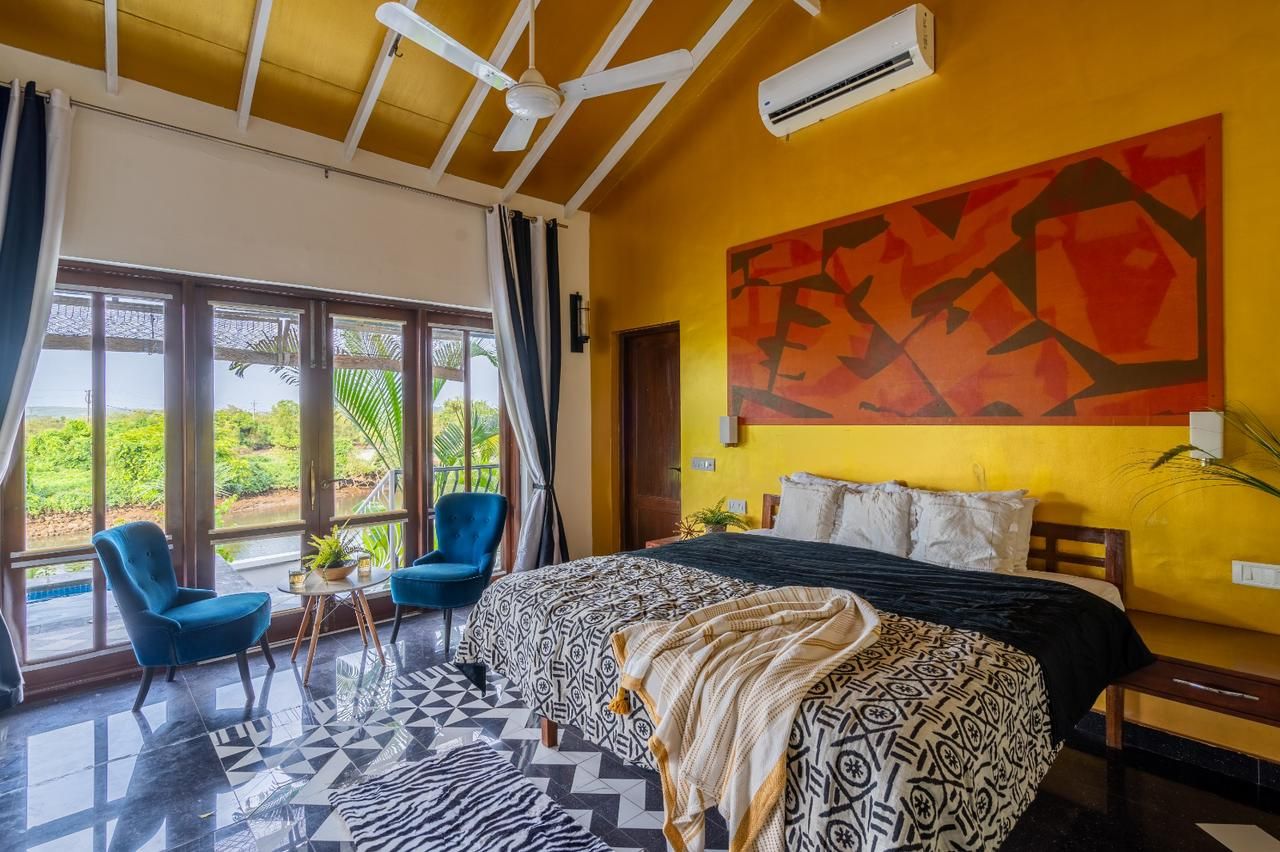
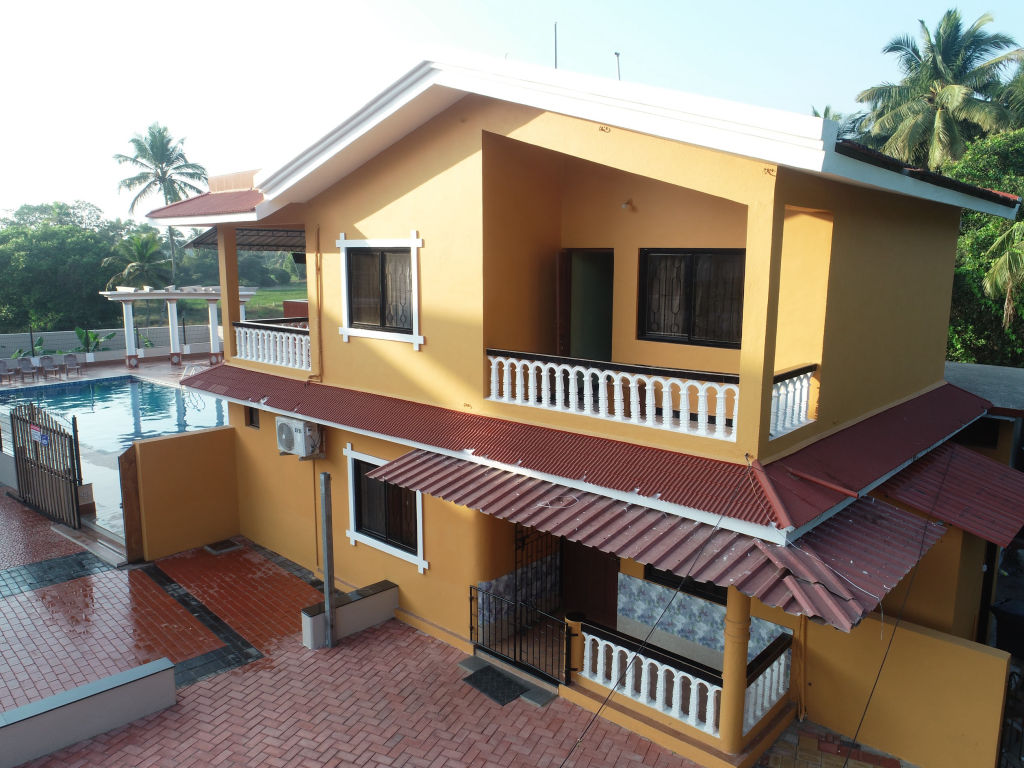
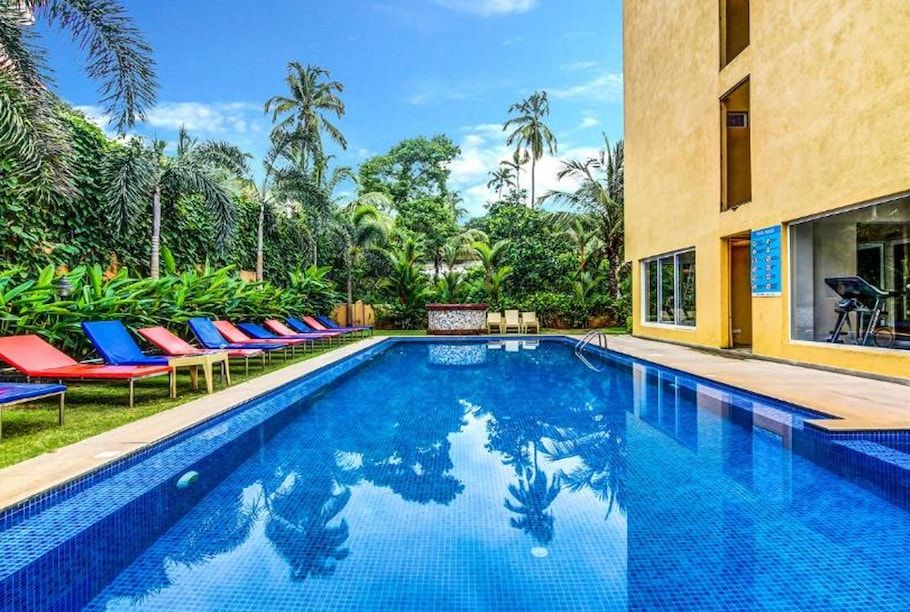
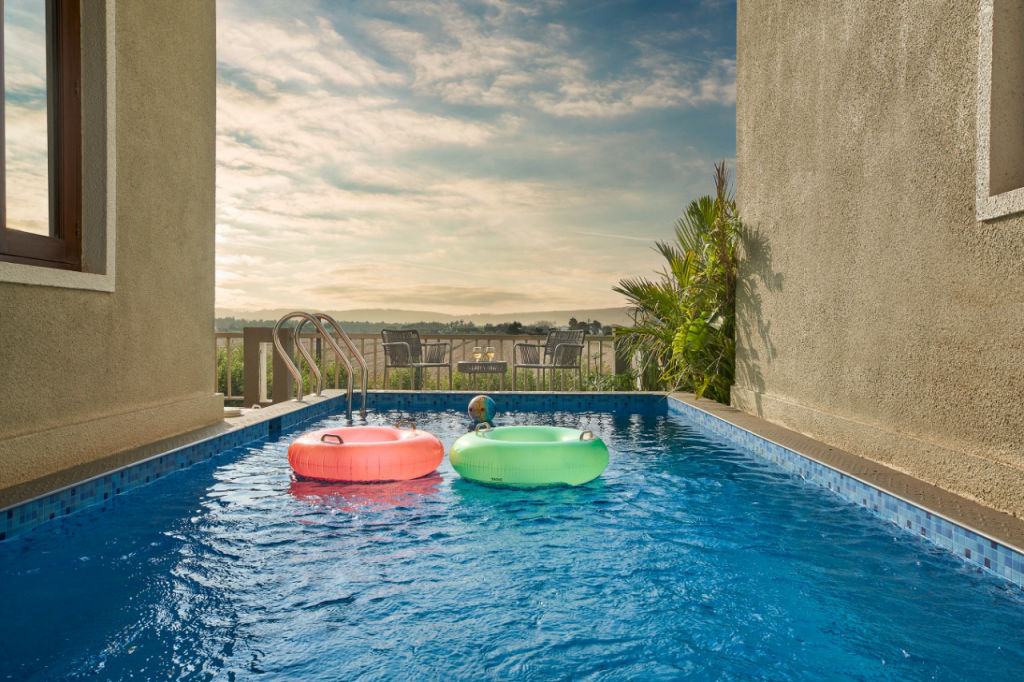
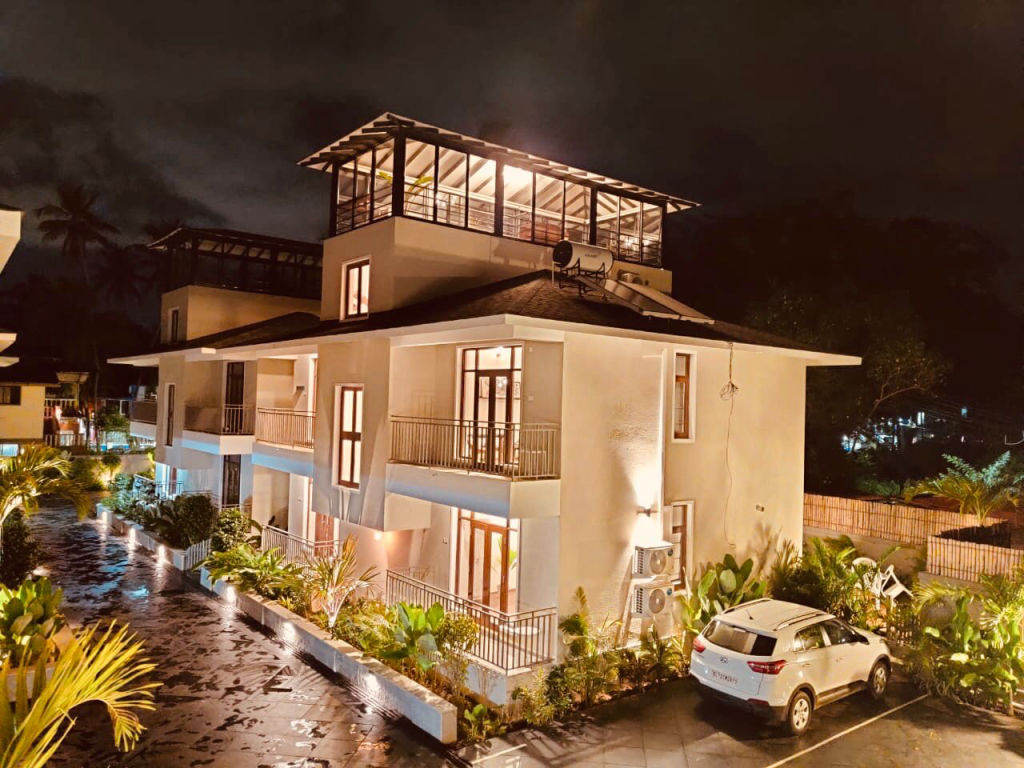
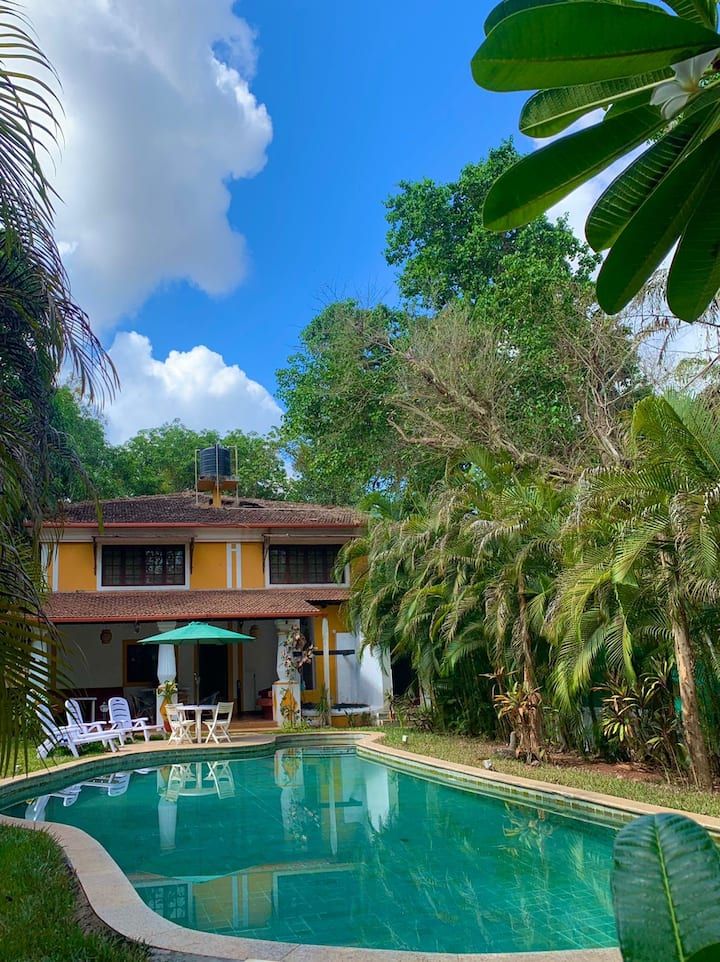
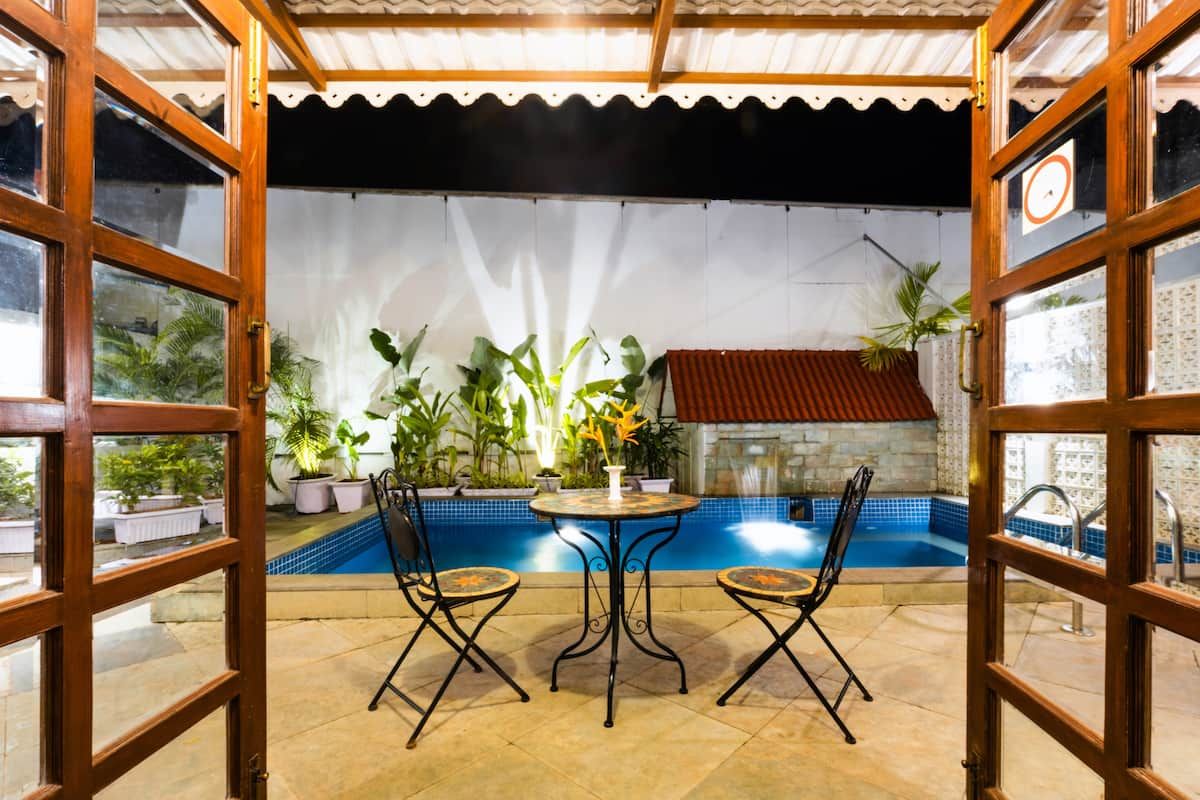
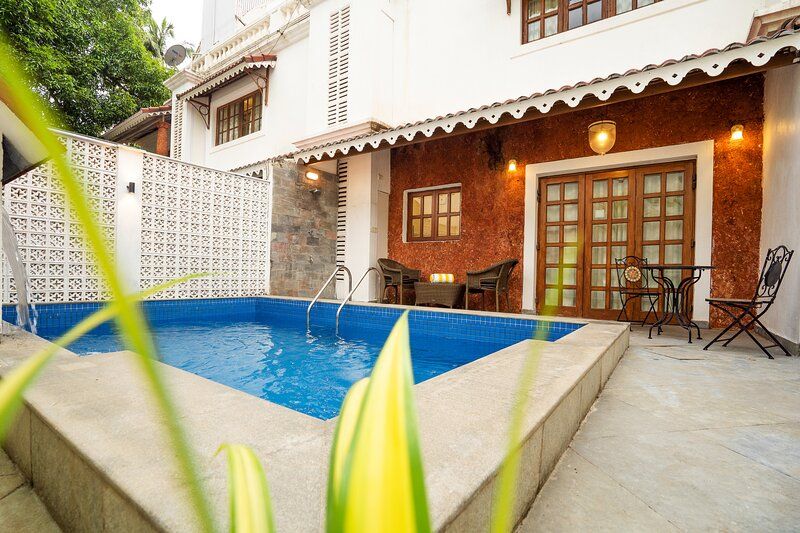
Accommodation options around Mormugao range from transit-friendly municipal lodgings near the transit hubs to scenic seaside stays nestled along the nearby coastal coves. Travelers looking for immersive local hospitality often prefer peaceful villages located just a short distance from the port promontory, where quiet neighborhood lanes meet the shoreline.
Whether you are looking for comfortable village homestays, nature retreats tucked away among coconut palms, or coastal campsites nearby, you can explore curated outdoor stays and authentic accommodations in the region on HireACamp.
Frequently asked questions
What is Mormugao famous for?
Mormugao is primarily renowned for its major natural deep-water port, seventeenth-century coastal fortification, and strategic position at the entrance of the Zuari River estuary.
Which airport is closest to Mormugao?
Dabolim Airport is the closest airport, situated on the same peninsula just a few kilometers from the town center.
Can you take boat trips to Grande Island from near Mormugao?
Yes, boat excursions for snorkeling, scuba diving, and dolphin watching typically launch from nearby shores along the Mormugao peninsula during the fair-weather months.
Is Mormugao suitable for a quiet holiday?
While the port area is an active commercial zone, the surrounding cliff-top parks, historic fort ruins, and neighboring village beaches offer a laid-back, authentic Goan coastal atmosphere.
Where you'll be
12 stays nearby shown with prices
Stays near Mormugao
Book a place to stay close by
Things to do in Mormugao
48 places creators recommend within 30 km
Built from 0 Instagram posts by 0 creators. Every tip links back to the post it came from, and where creators disagree we show both sides.






