
Mulshi
Viewpoint in Maharashtra
1 post · 2 sourced tips
Guide from 1 post by 1 creator
@harsimran___
Mulshi Overview: Reservoir Views and Monsoon Landscapes
Mulshi is known for plateau viewpoints overlooking the reservoir and surrounding hills that turn lush and misty during the monsoon season.
Good to know
Tips from creators' posts. Each one links to its source.
Things to Do
Plateau viewpoints offer panoramic views across the Mulshi reservoir and its islands.
Reported by @harsimran___Source
Seasonal Conditions
During the monsoon season, the surrounding hills and plateaus turn lush green, accompanied by mist and blooming wildflowers.
Reported by @harsimran___Source
Getting there
By road
- From Pune1 hr 25 min · 47 km
- From Mumbai 3 hr 10 min · 166 km
- From Nashik5 hr 40 min · 245 km
- From Surat9 hr · 431 km
By train, bus or air
- Chinchwad JunctionNearest railway station1 hr 20 min · 42 km
- Lonavala ST StandNearest bus stand1 hr 50 min · 59 km
- Pune International AirportNearest airport1 hr 45 min · 54 km
Typical drive times without traffic. Places, distances and typical drive times from OLA Maps; notes from creators' Reels.
Mulshi and Surrounds Itinerary
A travel plan covering the reservoir landscapes of Mulshi, scenic ghat roads, lakeside valleys, and historical hill forts across Pune and Raigad districts.
Mulshi Reservoir and Scenic Valley Circuit
Best for day-trippers looking for reservoir viewpoints and mountain passes close to Mulshi.
Day 1
Lakeside Vistas and Mountain Passes
morning
Mulshi LakeAbout 1 hr 30 min
Take in panoramic views across the backwaters and hillsides from the ridge viewpoint.
midday
Tamhini GhatAbout 2 hr · 7.4 km from the last stop
Drive through the valley pass connecting Mulshi to the Konkan region.
afternoon
LavasaAbout 2 hr 30 min · 8.9 km from the last stop
Explore lakeside spots including Lakeshore Promenade, Dasve View Point, and Boating Point.
- During the monsoon season, the hills around Mulshi turn vibrant green with blooming wildflowers and heavy mist.
- Boating activities at the Hadshi Temple adventure park are suspended during the monsoon season.
- Climbing forts like Sinhagad can be physically demanding with rapid weather changes; pack suitable gear and prepare for sudden shifts in conditions.
- Trekking trails at Visapur Fort lead up stone steps that are submerged under flowing waterfall streams during the monsoon.
Visit lengths are suggestions; distances are straight-line between stops.
About Mulshi
Written with AI from creators' posts and map data. Check prices and timings locally before you go.
Understanding Mulshi and its landscape
Mulshi is shaped by the backwaters of the Mula River and the dramatic drop of the Sahyadri mountains. The geography here is a rich mosaic of high-altitude basalt plateaus, evergreen forests, and broad expanses of still water dotted with small, isolated islands. Life in the region moves at a calm, agricultural pace, with quiet hamlets scattered among terraced paddy fields and forested slopes.
Because the surrounding ghats receive some of the highest rainfall in the state, the entire landscape undergoes a remarkable transformation every year. Rivers, seasonal creeks, and roadside waterfalls course through the hills, while dense cloud cover descends over the peaks. The plateaus above the reservoir provide a natural perch, allowing travellers to look out across dozens of square kilometres of rolling green terrain and winding blue water.
Things to do in Mulshi
A primary draw in Mulshi is spending time on the high plateaus that overlook the reservoir. These sprawling open flats offer unobstructed views across the water and the undulating ridgelines of the Western Ghats. Sitting quietly on a hillside or taking an early morning walk along the waterfront lets you watch the light shift across the reservoir and listen to the abundant local birdlife.
For those interested in history and walking, the surrounding landscape offers rewarding routes. Exploring the trail up towards Fort Kailasgad, located just a short distance from the reservoir basin, provides an engaging day hike through rocky trails and shrub forest. Along the way, trekkers are rewarded with bird's-eye views of the valley floor below.
Photography, sketching, and slow travel find a natural home here. The backroads wind gently around the shoreline, presenting frequent opportunities to stop, enjoy fresh air, and observe local rural life. The presence of seasonal streams and forest clearings creates ideal settings for unhurried outdoor picnics, provided you take all your rubbish back with you.
Read more
Places to explore around Mulshi
Mulshi acts as a gateway to several prominent natural and cultural destinations in this corner of Maharashtra. Just down the road lies Tamhini Ghat, an amphitheatre of deep valleys and sheer rock faces that becomes vibrant during the wetter months with cascades pouring down from high ledges.
Heading slightly further afield towards the northeast opens up the historic hill forts of the region, including the imposing Lohagad Fort and the ancient rock-cut architecture of Karla Caves. For waterside vistas beyond Mulshi itself, Pawna Lake and Lonavala Lake offer contrasting landscapes within a moderate drive.
Those looking to combine village scenery with hill architecture can also venture towards Lavasa, situated across the adjacent mountain ridges, or explore the mountain passes around Khandala and the deep ravines near Bhushi Dam.
Best time to visit Mulshi
The monsoon season, spanning from late June through September, is without doubt the most dramatic time to visit Mulshi. The hills turn deep shades of green, mist rolls off the plateau edges, and fields of wild seasonal flowers carpet the highland clearings. Travelling during these months requires rain gear and cautious driving on wet mountain roads, but the sensory reward of roaring waterfalls and cool breeze is peerless.
From October to February, the post-monsoon and winter months offer mild days, crisp mornings, and clear blue skies. The reservoir waters are calm and deep, and the cooler climate makes daytime hiking and plateau walks very comfortable. This is an exceptional window for outdoor camping and stargazing.
Summer from March through May brings warmer temperatures and a distinctly golden, dry landscape. While daytime can be hot, early mornings and evenings by the water often remain pleasant, making it a quiet, crowd-free getaway for those seeking stillness.
How to reach Mulshi
Mulshi is well connected by road to major cities in Maharashtra, making it a favourite road-trip destination.
From Pune, the distance is roughly 47 km, with typical driving times taking approximately 1 hour and 30 minutes depending on local city traffic. The route leads westward towards the hills via well-travelled state roads.
From Mumbai, the journey is approximately 166 km and generally takes about 3 hours and 10 minutes in clear traffic, climbing up through the ghats before branching off towards the Mulshi catchment area.
Travellers driving from Nashik face a distance of roughly 245 km, requiring around 5 hours and 40 minutes on the road. Visitors arriving from Surat will cover about 431 km, which typically takes around 9 hours of driving time. The nearest major rail hubs and airports are located in Pune and Mumbai.
Tips for your visit
The weather in the ghats can shift quickly, especially around the monsoon months. Packing a sturdy waterproof jacket, a rain cover for electronic devices, and footwear with deep tread will make your outdoor outings much safer on muddy or wet rock surfaces.
Rural road sections can sometimes have limited cell reception, so downloading offline maps before leaving major highways is advisable. Public facilities around quiet viewpoints can be sparse, so carry adequate drinking water and light refreshments with you as you explore.
Respect the local ecology by adhering to leave-no-trace principles. Do not leave food wrappers, bottles, or plastic waste on the plateaus or along the lake shores, and take care around open water, as reservoirs can have sudden drop-offs and uneven silt beds.
Where to stay in Mulshi
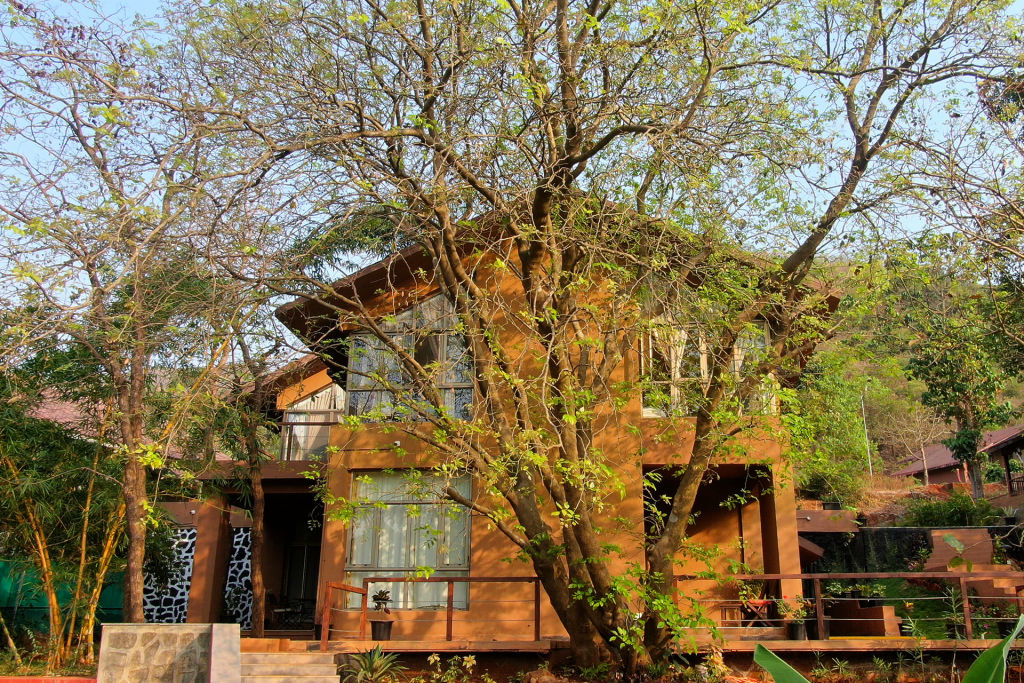
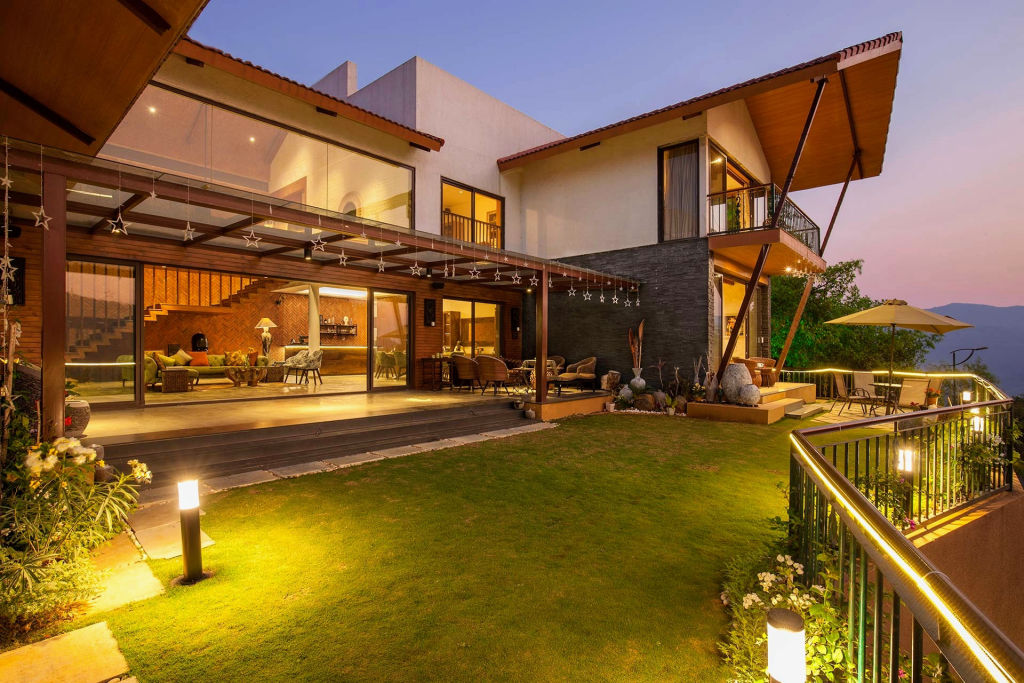
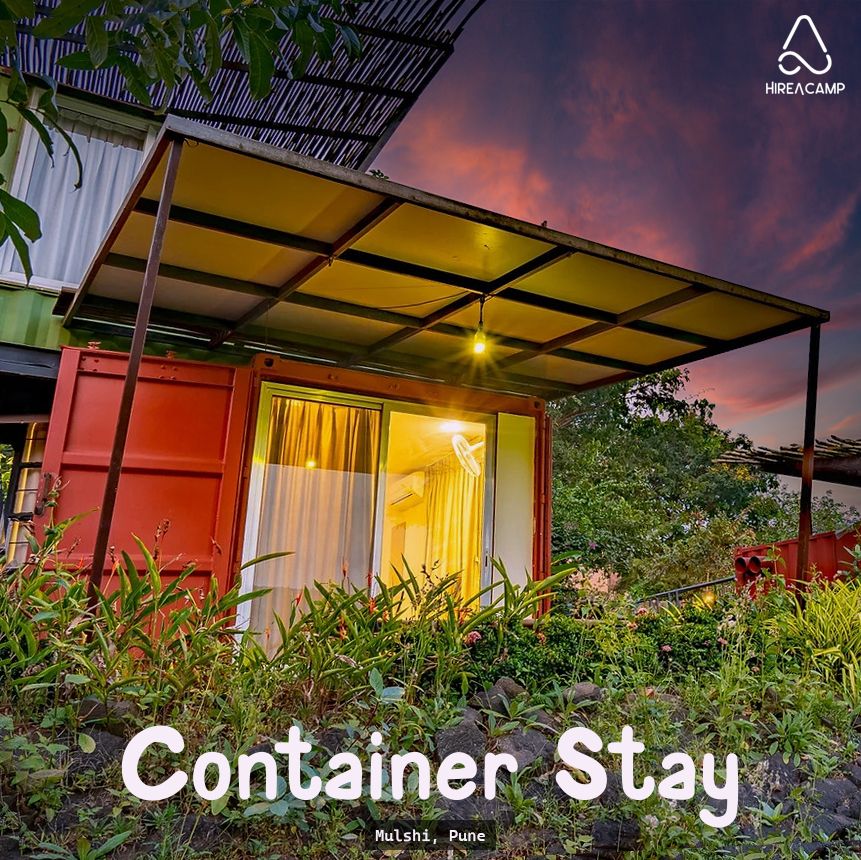
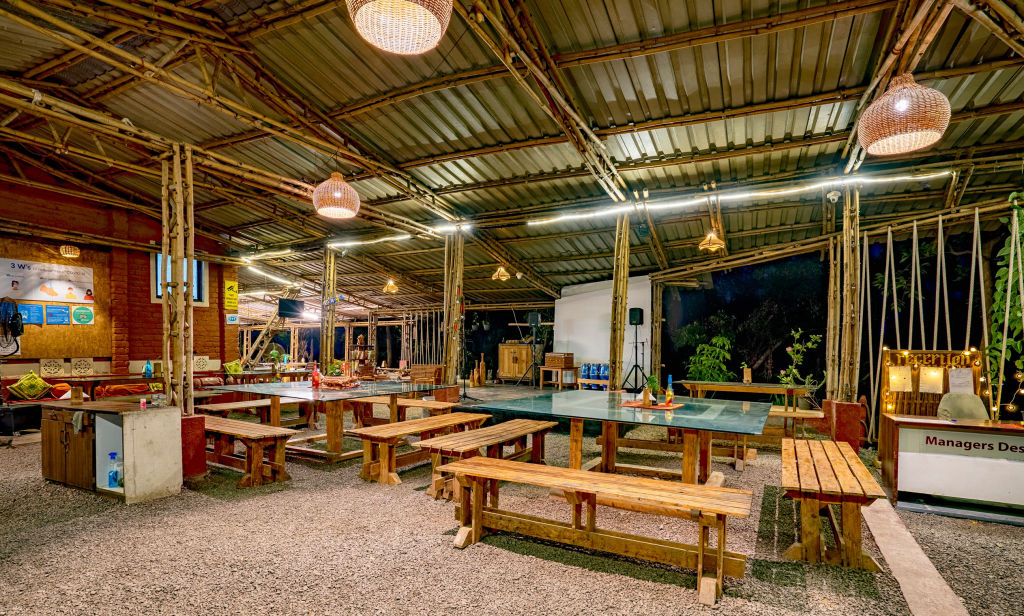
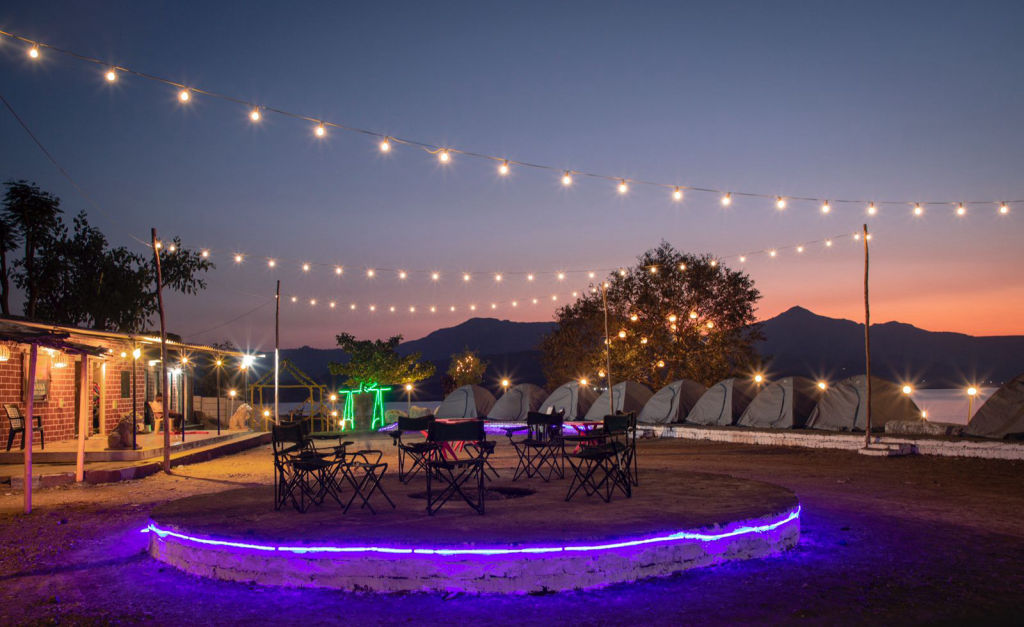
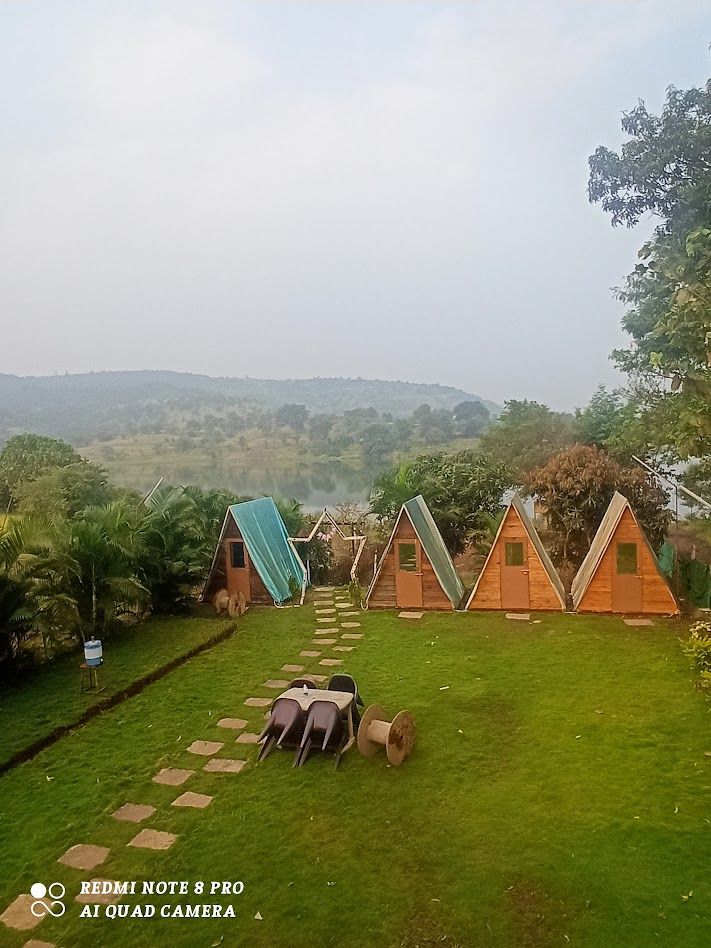
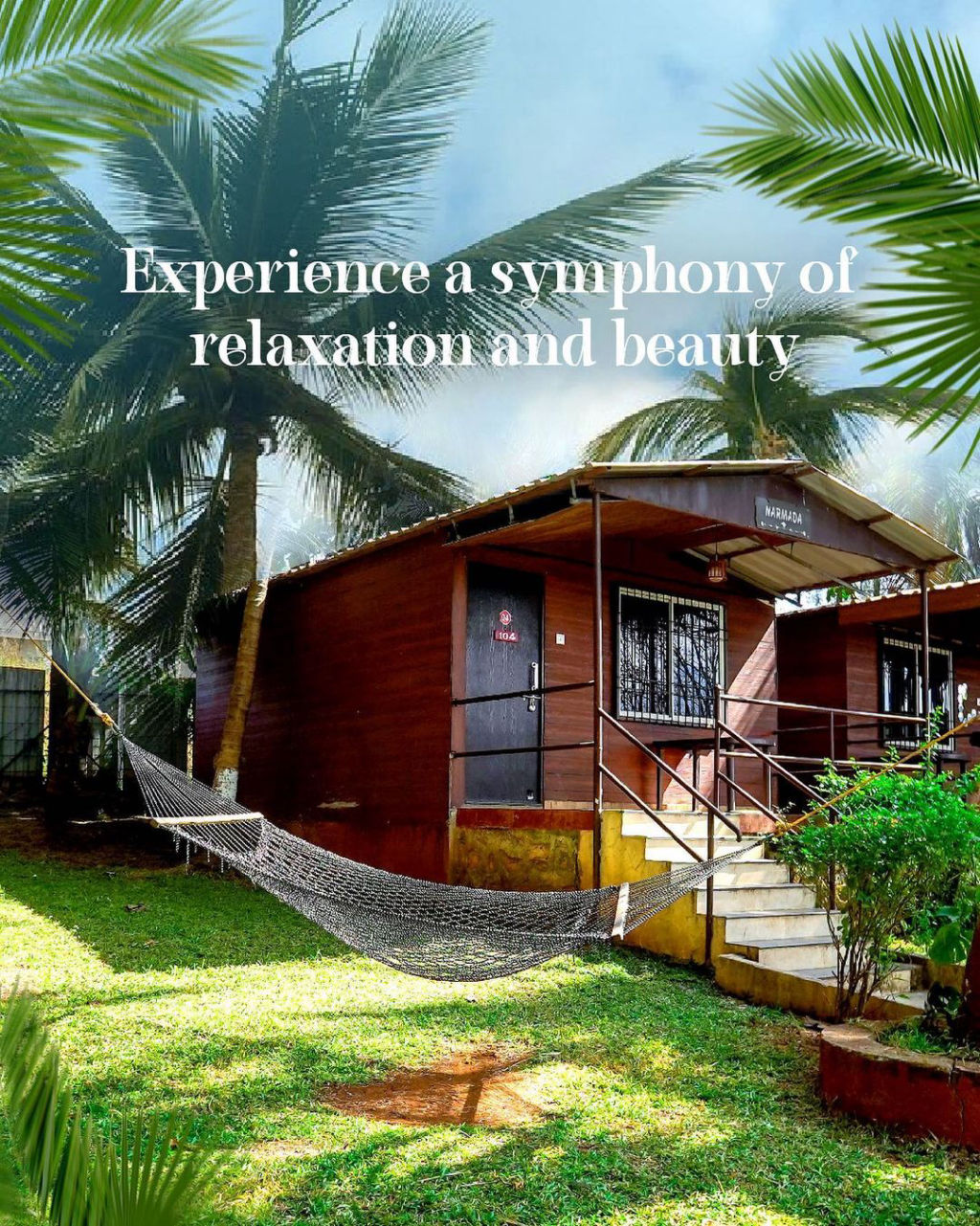
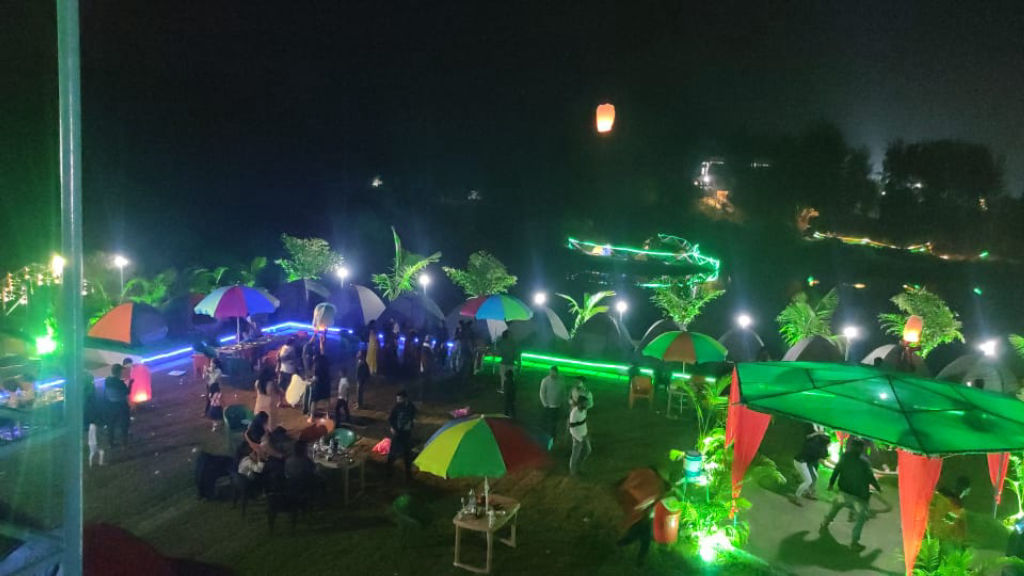
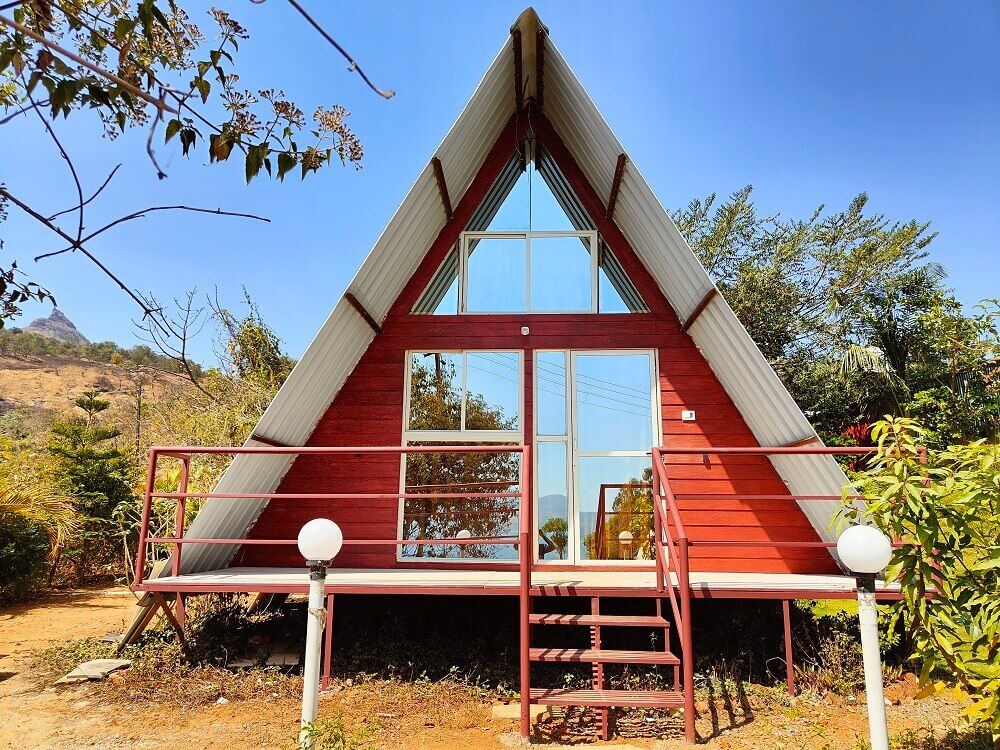
The landscape around Mulshi lends itself particularly well to nature-first accommodations. Staying here is primarily about waking up to birdsong, enjoying expansive horizons, and relaxing in open surroundings.
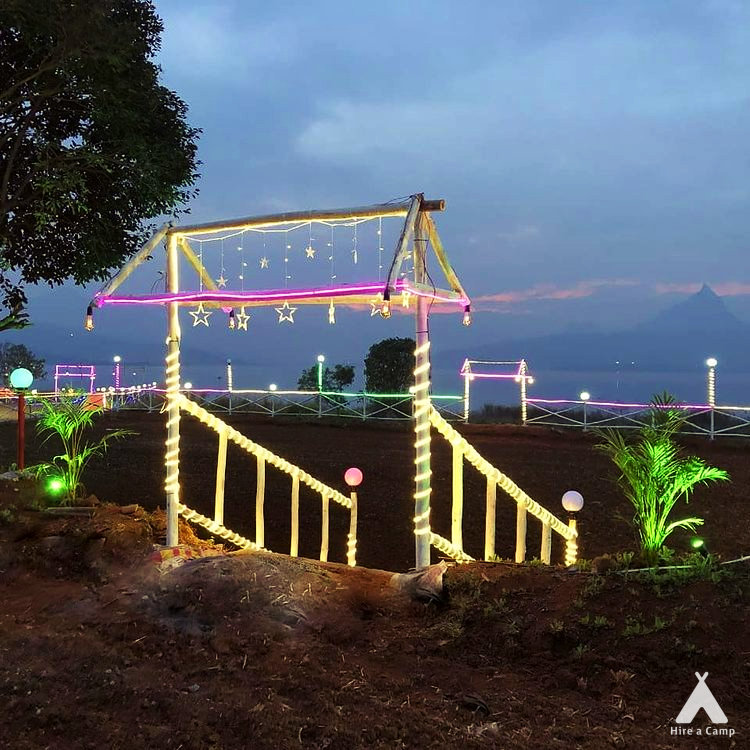
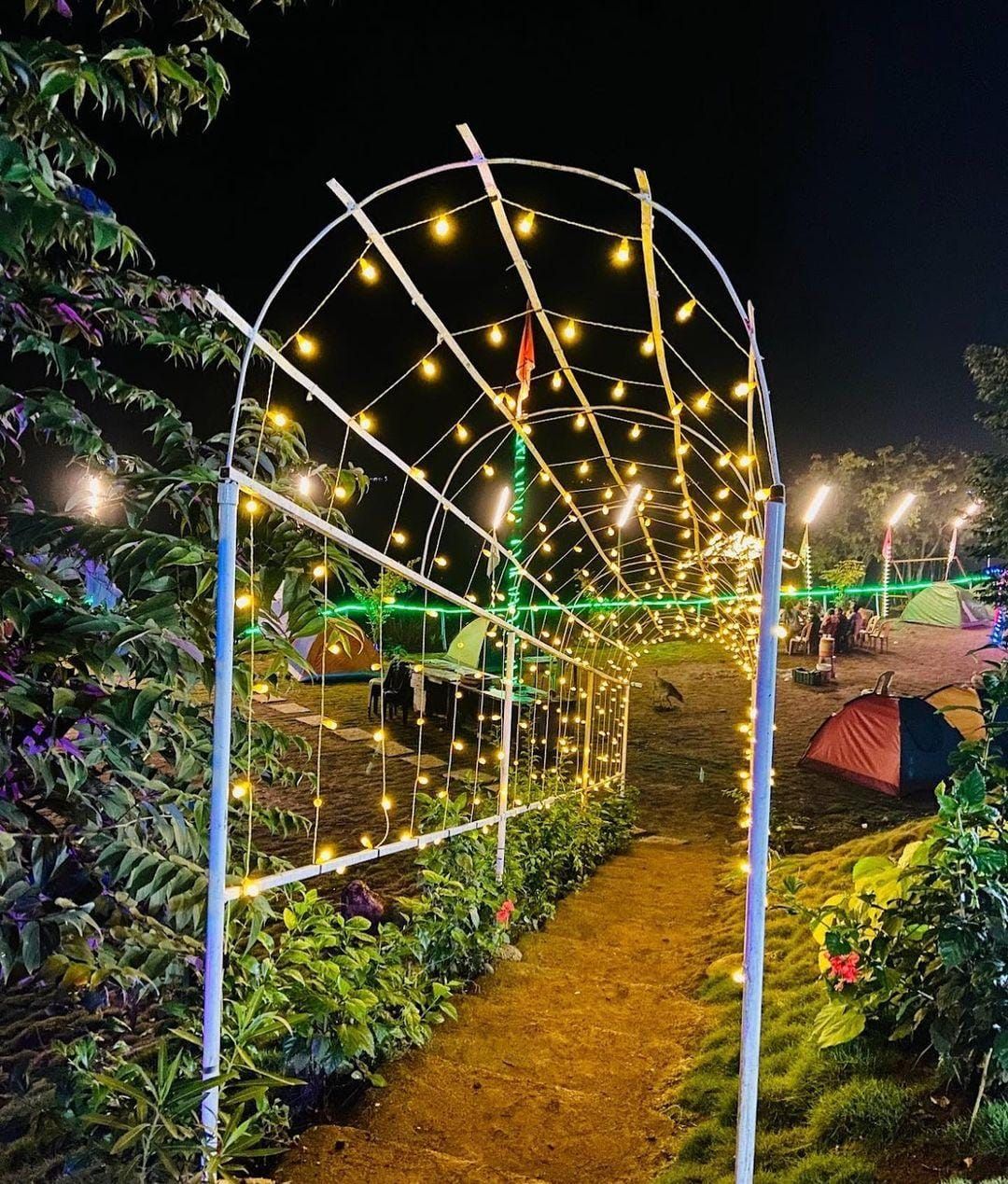
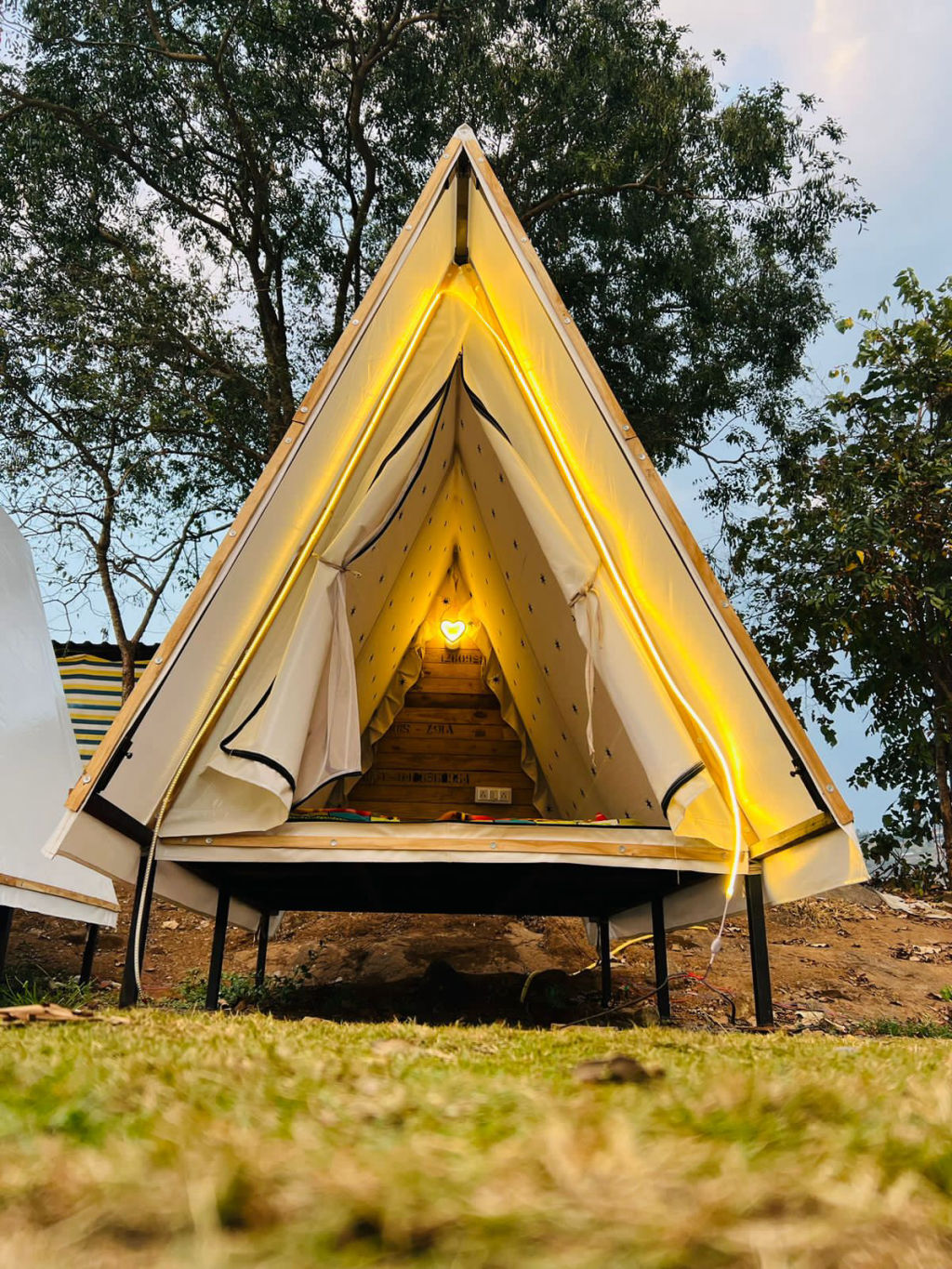
You can find a curated selection of scenic campsites, rustic homestays, and quiet nature stays around Mulshi on HireACamp. Booking your stay along the rim of the hills or near the lake provides an easy base from which to explore the surrounding viewpoints and trails.
Frequently asked questions
What is Mulshi best known for?
Mulshi is famous for its large reservoir, rolling plateau viewpoints overlooking the water and hills, and its lush, mist-covered landscapes during the monsoon season.
How far is Mulshi from Pune and Mumbai?
Mulshi is approximately 47 km from Pune, taking about 1 hour and 30 minutes to reach by road, and around 166 km from Mumbai, which typically takes about 3 hours and 10 minutes under normal traffic conditions.
Is Mulshi worth visiting during the monsoon?
Yes, the monsoon is the most popular time to visit Mulshi because the surrounding hills turn vibrant green, mist hangs over the plateaus, waterfalls cascade down the slopes, and wildflowers bloom across the highland flats.
Can you go hiking or trekking in Mulshi?
Yes, the area features open plateau walks as well as trails up nearby heritage peaks like Fort Kailasgad, offering expansive views over the reservoir and valleys.
Where can I book stays around Mulshi?
A variety of outdoor campsites, nature stays, and rural homestays located across Mulshi and the surrounding countryside can be booked directly on HireACamp.
Where you'll be
12 stays nearby shown with prices
As seen on Instagram
The posts this guide is built from
Stays near Mulshi
Book a place to stay close by
Things to do in Mulshi
48 places creators recommend within 30 km


Lists for this area
Ranked by how many creators recommend each place


Built from 1 Instagram post by 1 creator. Every tip links back to the post it came from, and where creators disagree we show both sides. Guide updated 22 Oct 2026.


