
Nandhaur Wildlife Sanctuary
Wildlife sanctuary near Haldwani, Uttarakhand
20 km from Haldwani
The nearest town, for stays, food and fuel.
Nandhaur Wildlife Sanctuary is a pristine protected forest located in the Haldwani region of southeastern Uttarakhand, nestled within the Shivalik foothills and the Terai Arc Landscape. Carved out along the Nandhaur River, the sanctuary preserves dense sal forests and acts as a critical wildlife corridor between the Gola and Sharda river valleys. Travellers and nature enthusiasts visit to experience its untouched wilderness, diverse birdlife, and untamed tiger and elephant habitats away from crowded tourist circuits.
Getting there
By road
- From HaldwaniNearest town42 min · 26 km
- From New Delhi6 hr 30 min · 305 km
- From Lucknow6 hr 40 min · 395 km
- From Dehradun6 hr 40 min · 318 km
Typical drive times without traffic. Stations and airports from OLA Maps; distances and typical drive times from OpenStreetMap (© OpenStreetMap contributors); notes from creators' Reels.
About Nandhaur Wildlife Sanctuary
Written with AI from map data and general knowledge. Check prices and timings locally before you go.
About Nandhaur Wildlife Sanctuary
Nandhaur Wildlife Sanctuary encompasses a vital tract of moist deciduous and sal forest nestled in the foothills of the Kumaon Himalayas, primarily situated in the Haldwani sub-district of Uttarakhand. Established to protect the critical ecological belt linking the western Terai to the eastern forests bordering Nepal, the sanctuary is centered around the catchment of the Nandhaur River. The terrain is characterized by rugged sandstone ridges of the outer Himalayas, steep ravines, seasonal bouldered riverbeds known locally as raos, and lush alluvial plains.
Because it remains far less commercialized than other national parks in Uttarakhand, Nandhaur provides an authentic slice of wilderness. The landscape here forms a seamless bridge between the high mountains and the fertile lowlands of northern India. The pristine canopies of Shorea robusta (sal), interspersed with mixed riverine vegetation and grasslands, offer shelter to diverse wildlife while preserving the natural watershed that sustains communities downstream.
Wildlife and birdwatching in Nandhaur
The rich biodiversity of Nandhaur Wildlife Sanctuary makes it a crucial sanctuary for high-profile mammals and avian species. As part of the Terai Elephant Reserve, the reserve supports a resident population of Asian elephants alongside royal Bengal tigers, leopards, sloth bears, and wild boars. Herbivores such as spotted deer (chital), sambar, barking deer (kakar), and serow roam the wooded slopes, supported by plentiful forage and permanent river pools.
For birdwatchers, Nandhaur is an exceptional destination. Over two hundred species of birds reside in or migrate through these canopies each year. You can spot great hornbills, oriental pied hornbills, crested serpent eagles, red junglefowl, and a multitude of woodpeckers, flycatchers, and warblers. The river corridors and wetlands attract kingfishers, lapwings, and migratory waterbirds during the winter months, offering patient visitors unhurried and rewarding birdwatching sessions.
Read more
Best time to visit Nandhaur Wildlife Sanctuary
The climate in the sanctuary follows the typical rhythm of the sub-Himalayan plains and lower hills. The best time to visit Nandhaur Wildlife Sanctuary is between November and April, when the weather is pleasant and wildlife activity is prominent throughout the daylight hours.
Winter, spanning from November to February, brings crisp mornings, mild sunny afternoons, and chilly nights. This is the prime season for birdwatching, as migratory species arrive from northern latitudes, and large mammals often sun themselves along forest clearings and dry riverbanks. Spring and early summer, from March through May, bring warmer temperatures and clearer visibility through thinning foliage, which often drives animals toward natural water bodies and increases the chances of mammal sightings.
The monsoon season, usually extending from July to September, transforms the sanctuary into a verdant landscape with heavy downpours. However, mountain streams swell rapidly during this time, dirt tracks become muddy or impassable, and wildlife safaris are typically suspended for conservation and safety reasons. Travellers should avoid planning deep excursions into the sanctuary during heavy rains.
How to reach Nandhaur Wildlife Sanctuary
Nandhaur Wildlife Sanctuary is accessible from the foothills of Kumaon, with the bustling transport hub of Haldwani serving as the primary gateway. Haldwani and its twin town Kathgodam are well connected to major cities in northern India by both road and rail.
If travelling by train, Kathgodam Railway Station and Haldwani Railway Station receive regular express trains from Delhi, Lucknow, and Dehradun. From the railway stations, local taxis and rental vehicles can be hired to reach the forest entry points and fringe villages. By road, state and private buses operate frequently between Delhi's Anand Vihar ISBT and Haldwani, traversing the highway via Moradabad and Rampur.
For air travel, Pantnagar Airport is the closest domestic airstrip, located roughly an hour's drive from Haldwani, with scheduled flights connecting to select metropolitan hubs. From the airport, road transport is readily available to bring you toward the sanctuary's borders. Before setting out into the forest, ensure your vehicle is suitable for unpaved terrain and check locally regarding which gates are currently open.
Places to visit around Nandhaur
A trip to Nandhaur Wildlife Sanctuary can easily be paired with several scenic and cultural landmarks in the Nainital and Champawat transition belt. Just a short drive north into the hills lies Naukuchiatal, the serene lake of nine corners fringed by pine-covered slopes, ideal for peaceful walks and kayaking.
Tucked deeper into the forested hills is Malwa Tal, an offbeat lake surrounded by steep green ridges, offering total seclusion compared to the busier lake district. Cultural seekers can visit Chitreshwar Mahadev Temple, an ancient shrine revered by local mountain communities, or head toward the tranquil banks of the Gola River to visit the peaceful Haidakhan Baba Ashram, known for its scenic riverbed setting and calm spiritual ambiance.
Tips for planning your visit
Because Nandhaur is a sensitive and strictly managed ecological reserve, visitors should approach the sanctuary with preparation and care. Forest entry is regulated by the Uttarakhand Forest Department. Always verify permit formalities, guide requirements, and current entry timings locally at the forest range office before making travel arrangements.
When exploring the forest, wear muted, earth-toned clothing in shades of brown, khaki, or olive green to blend into the surrounding vegetation. Carry a sturdy pair of binoculars, a telephoto lens if you enjoy photography, and personal essentials including drinking water in reusable bottles, basic medication, and insect repellent. Mobile network reception inside the sanctuary is very patchy or entirely absent, so download maps in advance and inform someone of your route.
Maintain silence during forest drives or walks, follow your guide's instructions strictly, and never feed or approach wild animals. Carry all trash and plastic wrappers back out with you to maintain the sanctuary's unspoiled condition.
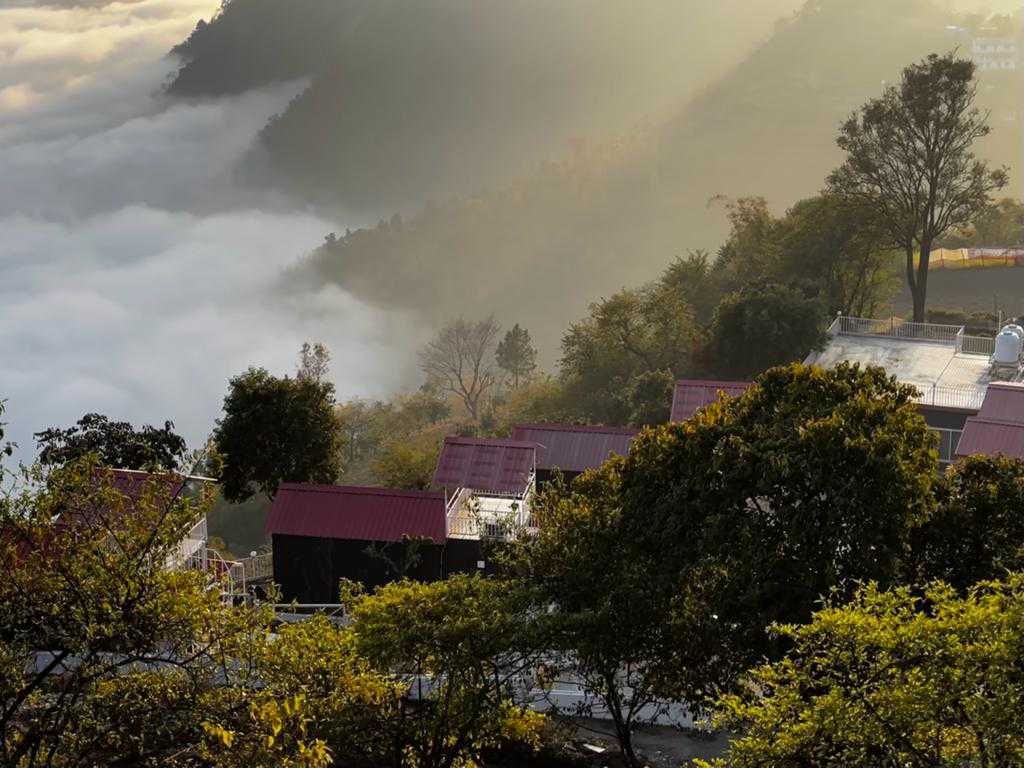
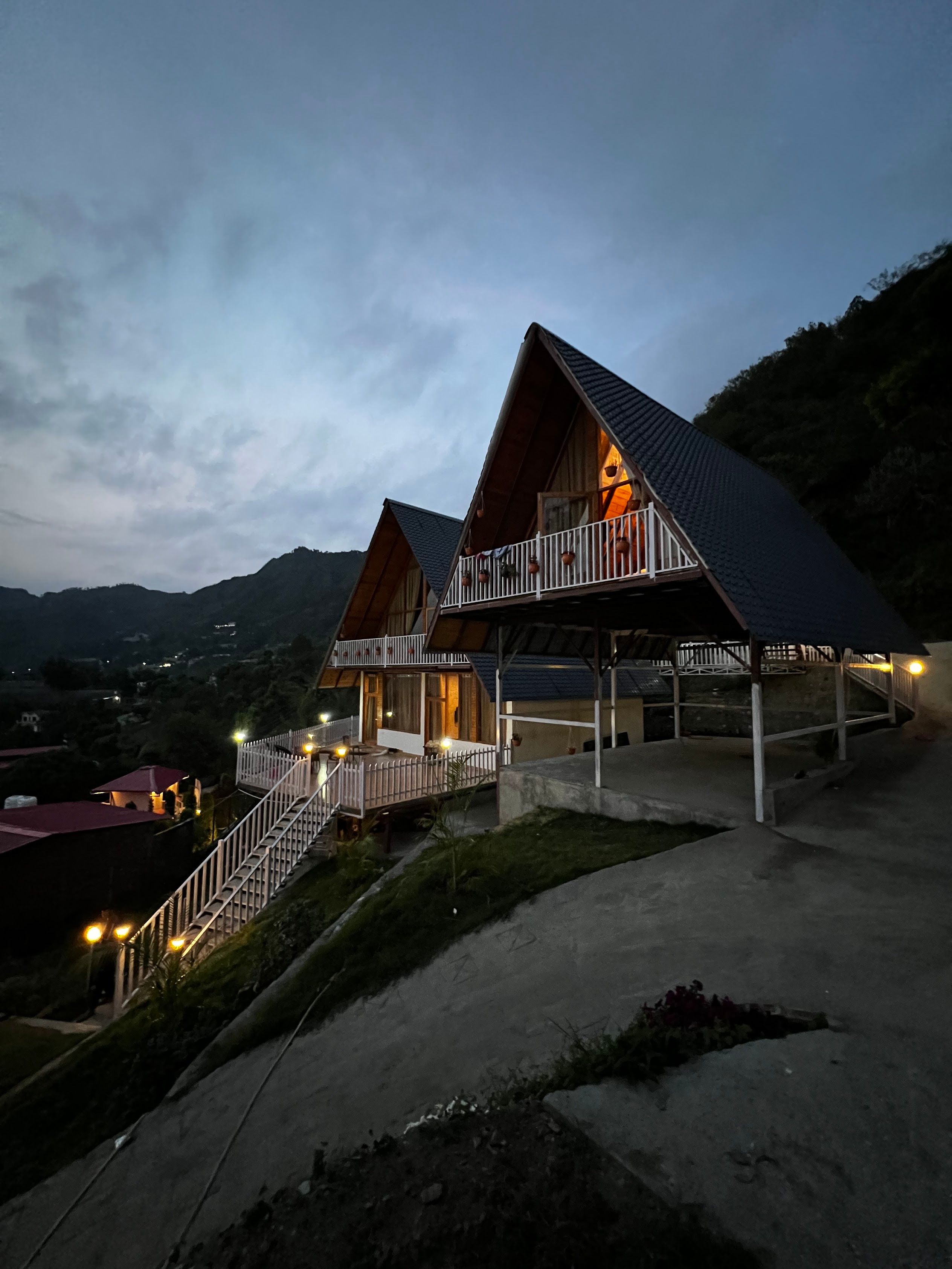
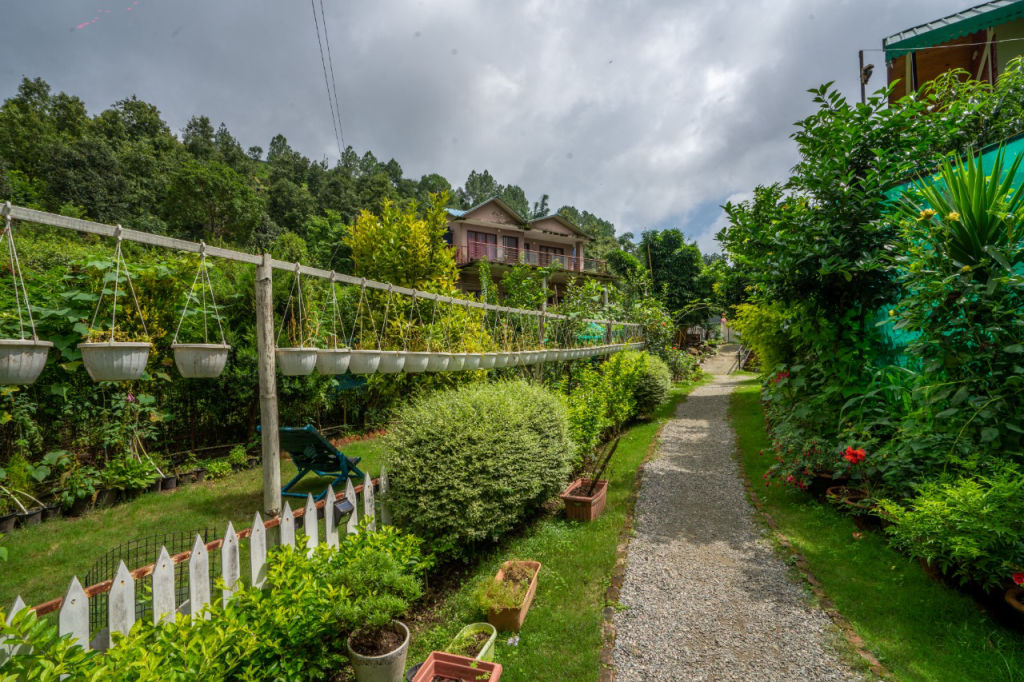
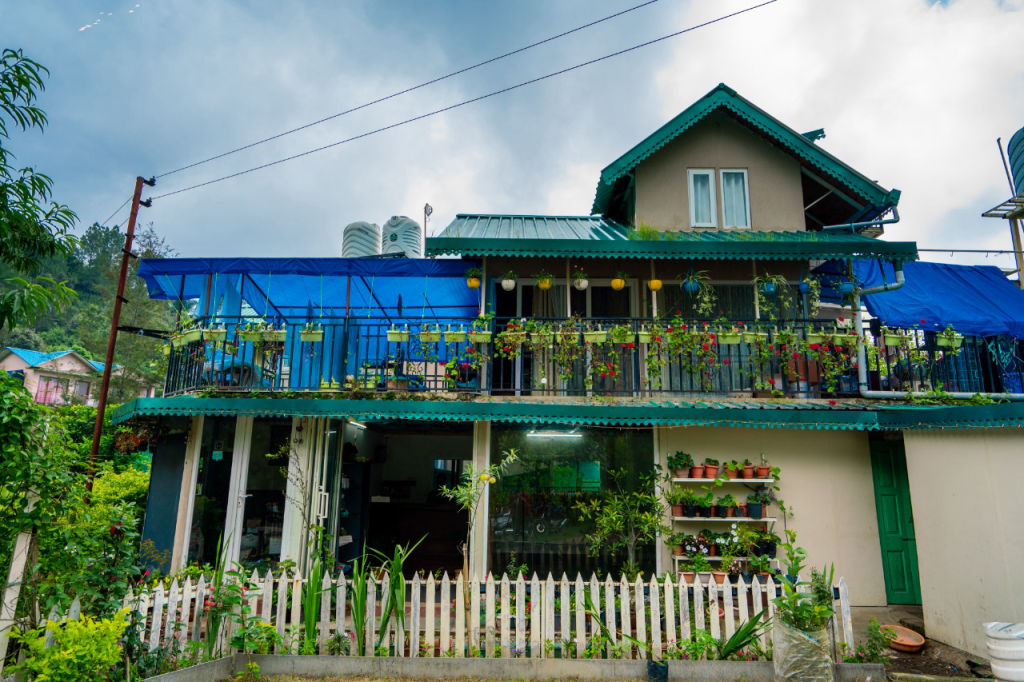
Where to stay near Nandhaur Wildlife Sanctuary
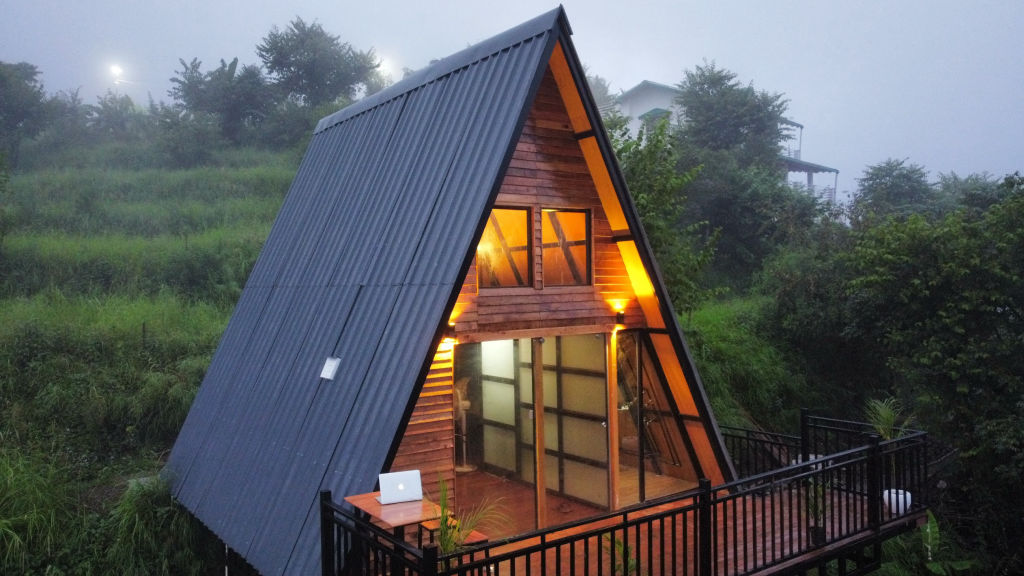
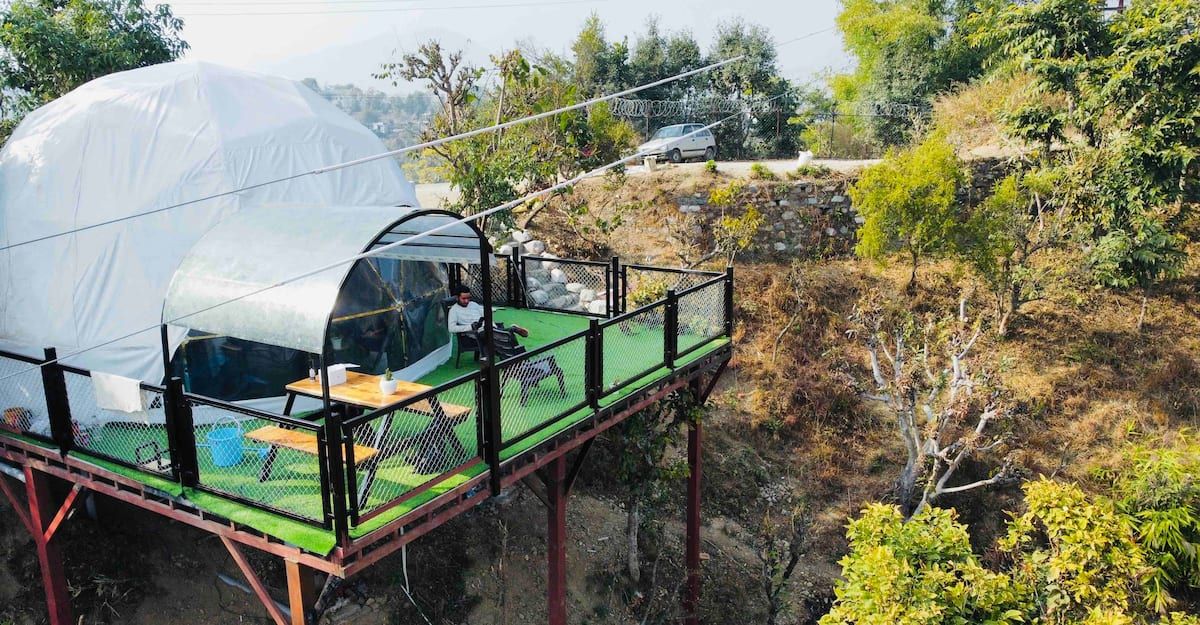
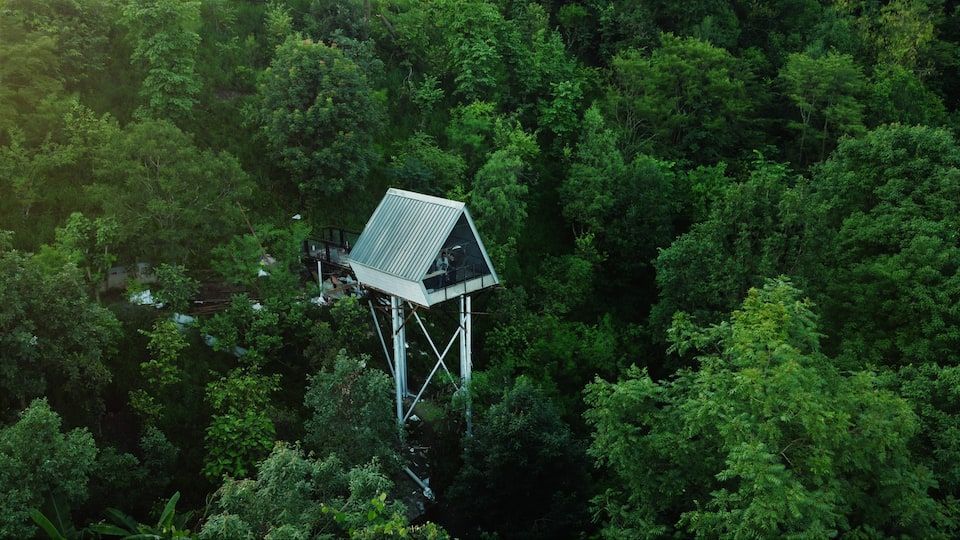
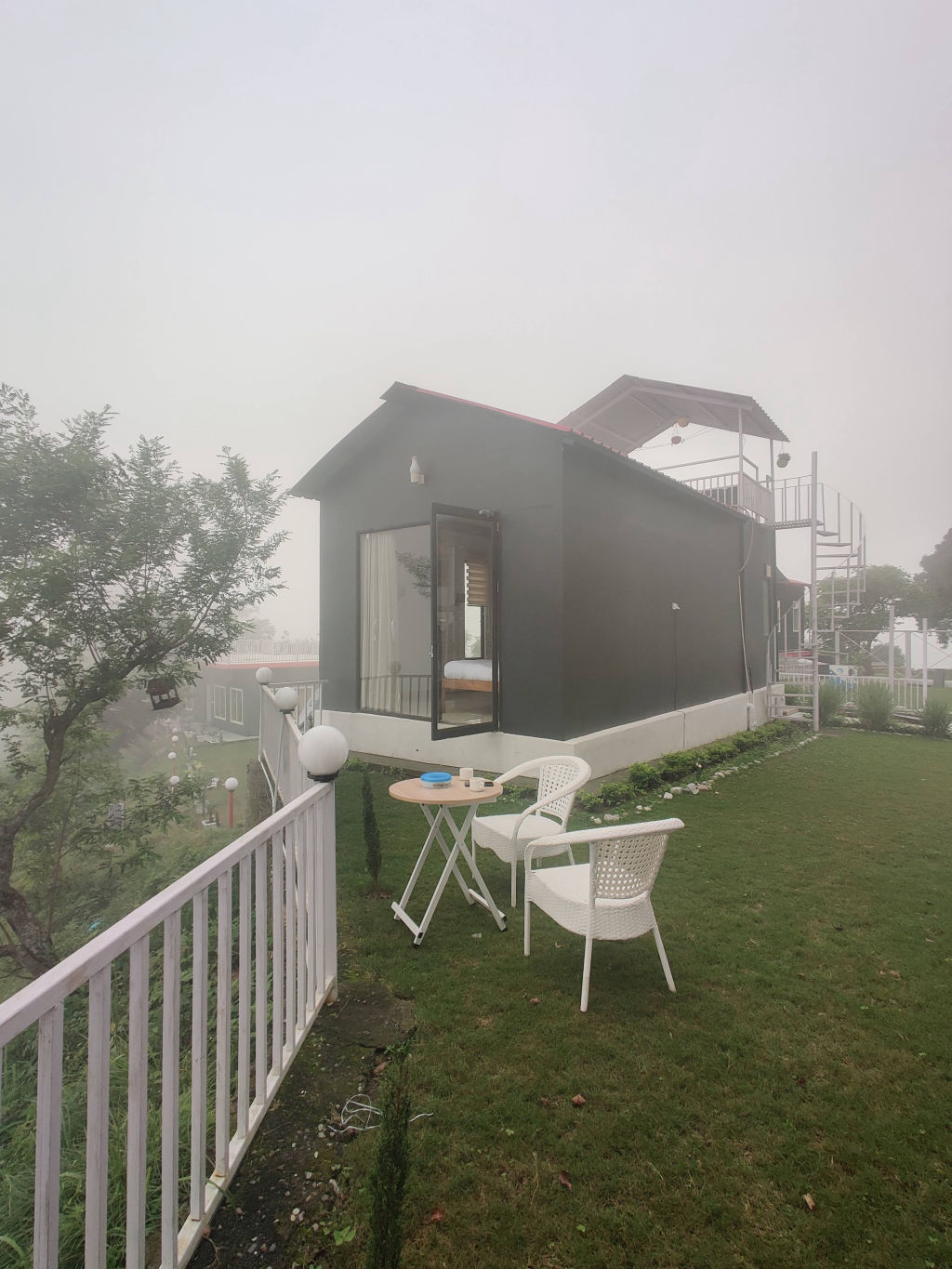
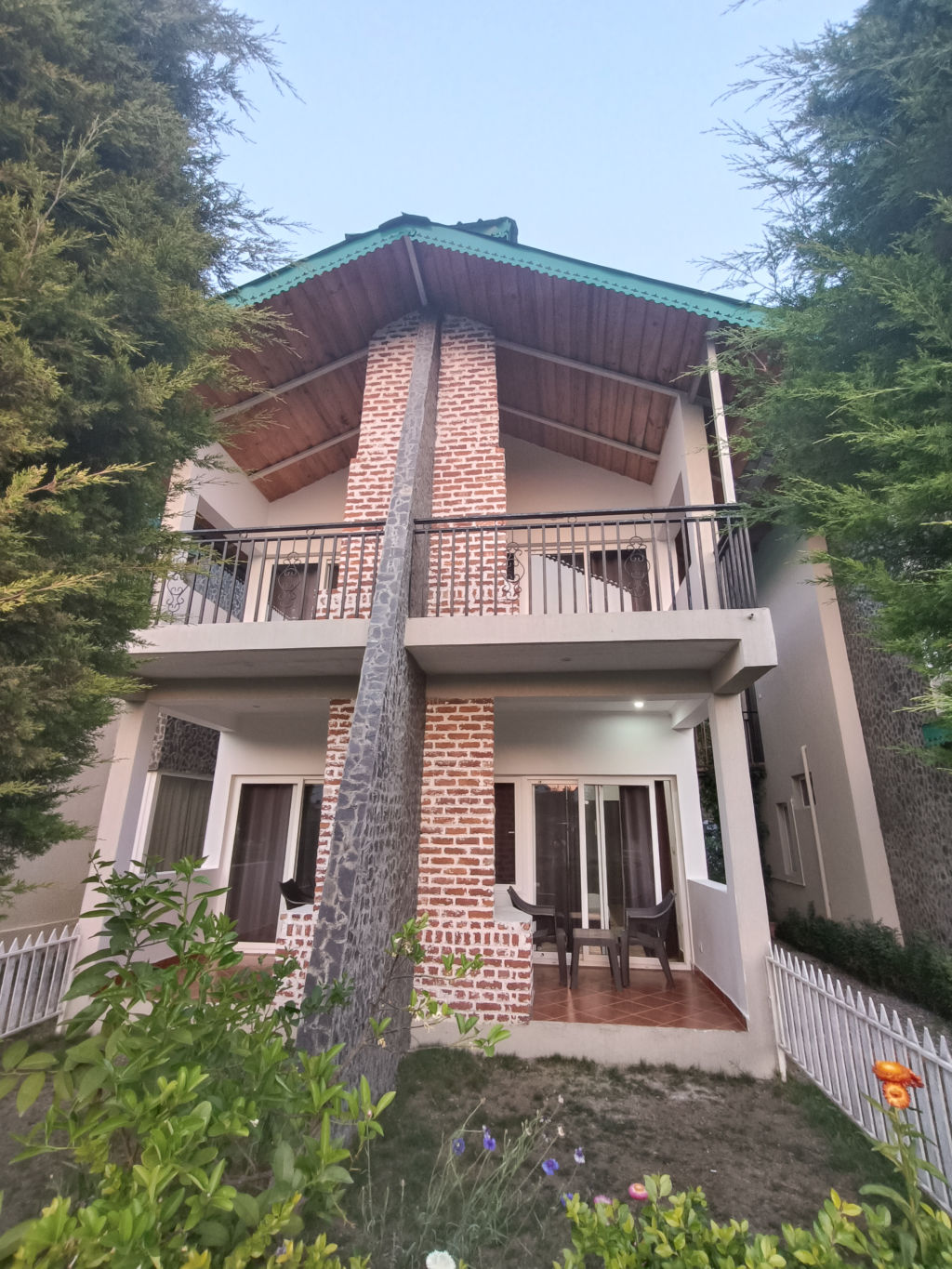
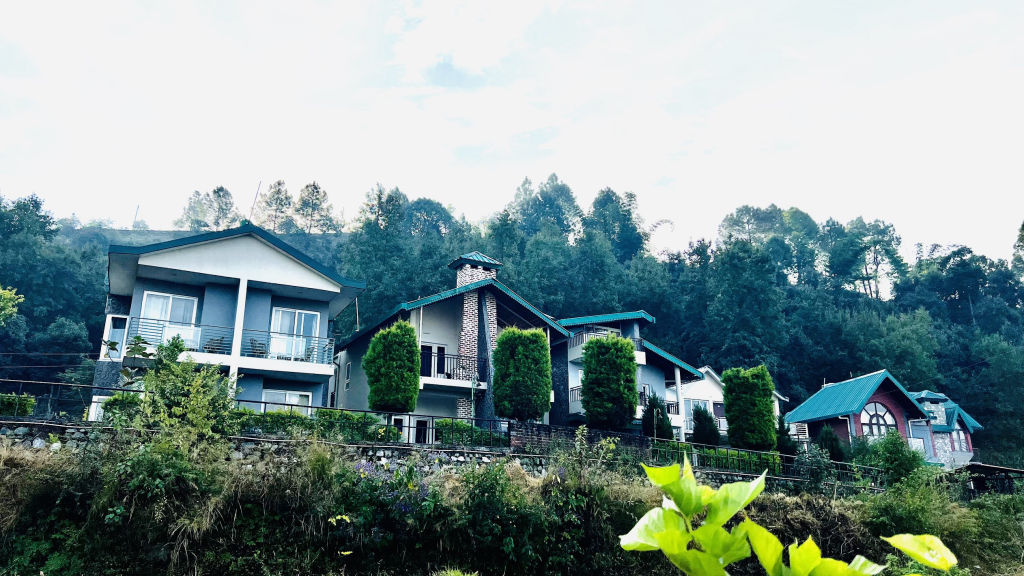
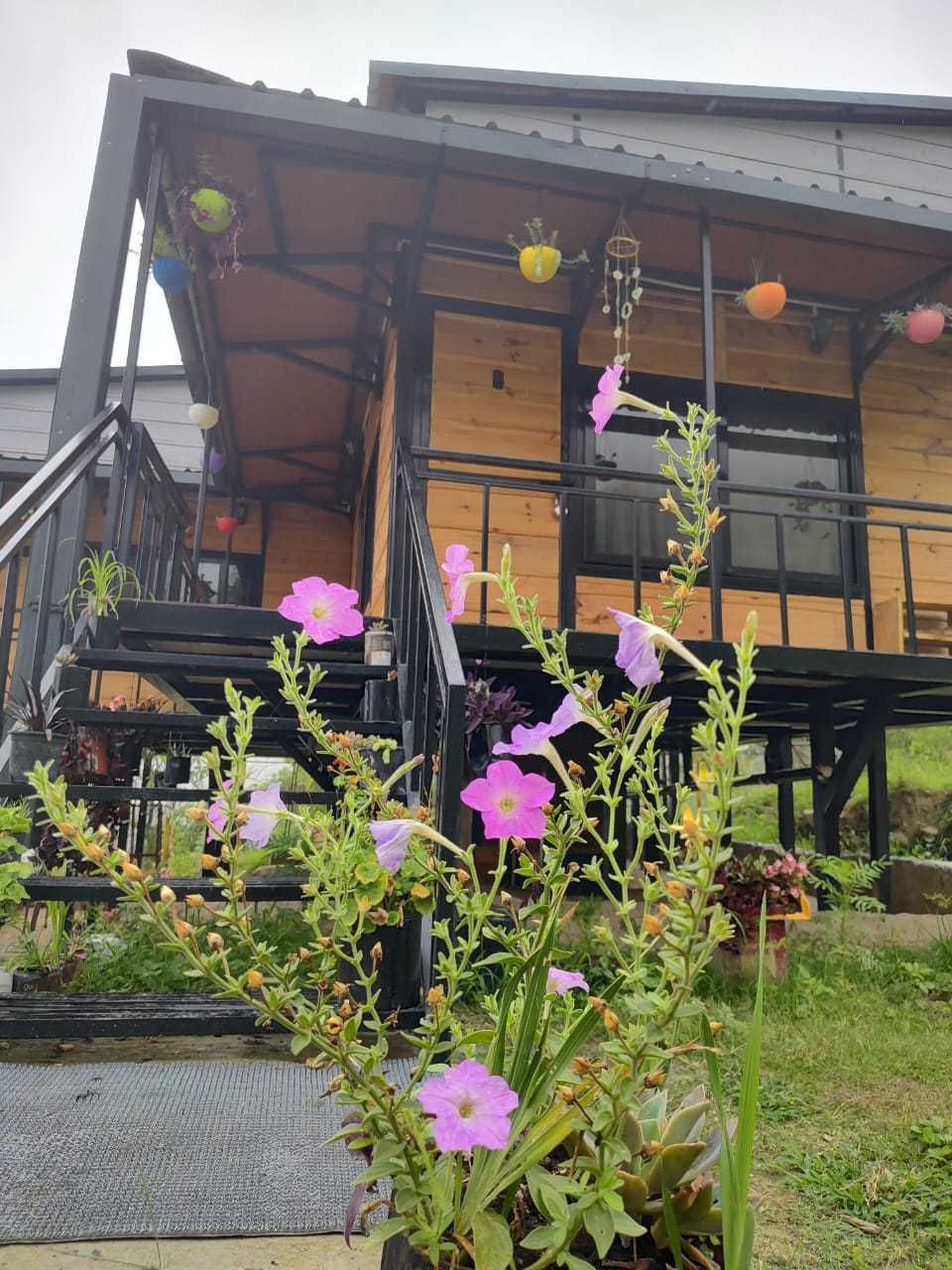
Accommodation directly inside the sanctuary is limited to basic forest rest houses that require prior administrative permissions. However, the surrounding foothills, including the fringes of Haldwani, Bhimtal, and Naukuchiatal, offer comfortable and characterful lodging options for travellers of all types.
Staying around the periphery allows you to enjoy quiet village surroundings, local Kumaoni hospitality, and sweeping mountain views while remaining close enough for morning drives toward the sanctuary. You can explore and book handpicked nature camps, riverside cottages, and family-run homestays near Nandhaur Wildlife Sanctuary on HireACamp to suit your outdoor travel itinerary.
Frequently asked questions
Where is Nandhaur Wildlife Sanctuary located?
Nandhaur Wildlife Sanctuary is situated in the Haldwani sub-district of Uttarakhand, India, bridging the Shivalik foothills and the Terai Arc between the Gola and Sharda rivers.
What animals can be seen in Nandhaur Wildlife Sanctuary?
The sanctuary is home to tigers, Asian elephants, leopards, sloth bears, barking deer, sambar, wild boars, and more than two hundred species of woodland and migratory birds.
When is the best season to explore the sanctuary?
The ideal time to visit is from November through April, when the weather is comfortable, forest trails are dry, and both wildlife and bird sightings are optimal.
Do I need a permit to enter Nandhaur Wildlife Sanctuary?
Yes, entering the sanctuary requires permission from the forest department. Visitors should verify entry rules, guide mandates, and current timings locally at the designated forest office before visiting.
Which is the nearest railway station to Nandhaur?
Haldwani and Kathgodam railway stations are the nearest railheads, connecting the region to major cities like Delhi, Lucknow, and Dehradun with regular train services.
Where you'll be
Haldwani Sub-District · 11 stays nearby shown with prices
Stays near Nandhaur Wildlife Sanctuary
Book a place to stay close by
More places near Nandhaur Wildlife Sanctuary
Within 20 km
Built from 0 Instagram posts by 0 creators. Every tip links back to the post it came from, and where creators disagree we show both sides.






