
Natraj Mandir
Temple near Kodoli, Maharashtra
2 km from Kodoli
The nearest town, for stays, food and fuel.
Natraj Mandir, situated along the highway corridor in Satara, is a distinguished temple dedicated to Lord Shiva in his cosmic dance posture as Nataraja. Often referred to as Uttara Chidambaram, it stands out in Maharashtra for its classical South Indian Dravidian temple architecture. Travellers and pilgrims stop here to admire its detailed stone carvings, prominent gopuram, and peaceful courtyard setting.
Getting there
By road
- From KodoliNearest town10 min · 4.7 km
- From Pune2 hr 25 min · 109 km
- From Mumbai 4 hr 55 min · 255 km
- From Nashik6 hr 45 min · 330 km
Typical drive times without traffic. Stations and airports from OLA Maps; distances and typical drive times from OpenStreetMap (© OpenStreetMap contributors); notes from creators' Reels.
About Natraj Mandir
Written with AI from map data and general knowledge. Check prices and timings locally before you go.
About Natraj Mandir
Natraj Mandir, also known as Uttara Chidambaram, occupies a unique place in the cultural landscape of Satara. While most traditional temples across western Maharashtra reflect the Hemadpanthi or Maratha styles of stone architecture, this temple was conceived and constructed in the Dravidian tradition of Tamil Nadu. It pays homage to the famous Nataraja temple at Chidambaram, bringing that distinct southern design heritage to the Sahyadri foothills.
The temple complex is dedicated to Lord Shiva manifested as Nataraja, the divine cosmic dancer. The sanctum also honours other associated deities, set within wide pillared corridors that invite quiet walking and contemplation. Its presence along the major highway corridor makes it a natural spiritual stop for pilgrims travelling through southern Maharashtra, as well as an architectural curiosity for art lovers passing through the region.
Architecture and Cultural Significance
The most striking visual element of Natraj Mandir is its ornate entrance tower, or rajagopuram, rising sharply above the surrounding tree canopy. Intricately carved with dozens of stucco figures depicting various mythological narratives, celestial dancers, and classical poses from the Natya Shastra, the tower reflects the craftsmanship of artisans trained in traditional South Indian stone and plaster masonry.
Inside the complex, the main shrine maintains the subdued, meditative lighting characteristic of classical southern temples. The pillars feature relief panels that illustrate various classical dance mudras, highlighting the spiritual significance of rhythm and movement in Indian metaphysics. The expansive flagstone courtyard provides a quiet buffer from highway traffic, allowing visitors to spend unhurried moments observing the carvings or resting in the shade.
Read more
Best Time to Visit Natraj Mandir
The temple can be visited throughout the year, but the months between October and February offer the most comfortable weather for exploration. During winter, daytime temperatures in Satara remain mild and pleasant, making it easy to examine the open-air carvings without the heat of the midday sun.
The monsoon months between June and September transform the surrounding countryside into a lush green landscape. Rainfall in the Satara belt can be heavy, but visiting during breaks in the rain allows travellers to experience the temple against a backdrop of misty Sahyadri hills. Summer, spanning from March to May, tends to be dry and hot in the afternoons, so early morning or late afternoon visits are best during those months.
How to Reach Natraj Mandir
Natraj Mandir is conveniently located along the service road of National Highway 4 on the outer edge of Satara city. Because it borders this primary arterial route linking Pune and Kolhapur, it is accessible directly by private car, taxi, or state transit buses.
Travellers arriving by train can disembark at the Satara railway station, located a short drive from the temple premises. Local auto-rickshaws and app-based taxis operate regularly throughout the city and can drop passengers at the entrance. For those flying into the region, the nearest domestic and international airport is in Pune, from where highway buses and private rentals head south toward Satara on well-maintained roadways.
Tips for Your Visit
As with most functioning Hindu temples, visitors are expected to dress modestly and remove their footwear before entering the temple compound. Racks are typically available near the entrance gates for leaving shoes safely.
Photography guidelines can vary within different parts of the complex, especially near the inner sanctum, so it is advisable to look for notices or check with temple caretakers before taking pictures. Morning and evening worship hours often bring the melodic sounds of traditional instrumentation and chanting, offering an evocative time to witness the daily ritual life of the temple.
Places to Visit Nearby
A visit to Natraj Mandir can easily be integrated into a wider exploration of Satara district. In the immediate vicinity of the city centre, history enthusiasts can explore the historic Satara Rajwada, the hill-top ramparts of Ajinkyatara Fort, and sacred sites like the Kalaram Mandir and Dholya Ganpati Mandir.
Further outward, the hill fortress of Sajjangad offers expansive panoramas of the surrounding river valleys, while Urmodi Dam provides quiet waterside views. During late monsoon, the Kaas Plateau, a designated biodiversity hotspot, blooms with carpets of endemic wild blossoms. Travellers who enjoy nature excursions can also plan journeys to Thoseghar Waterfall or travel northward toward the broad plateaus of Table Land.
Where to Stay
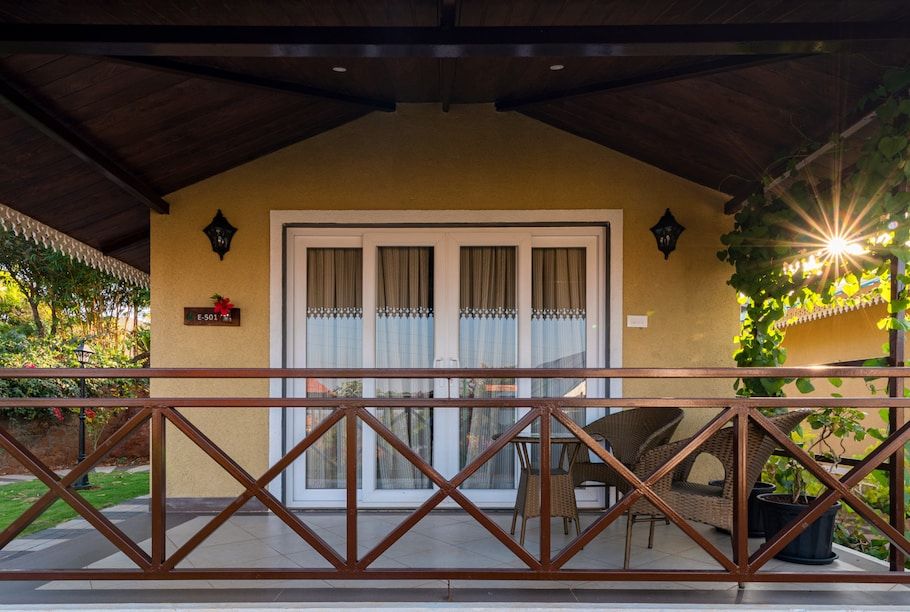
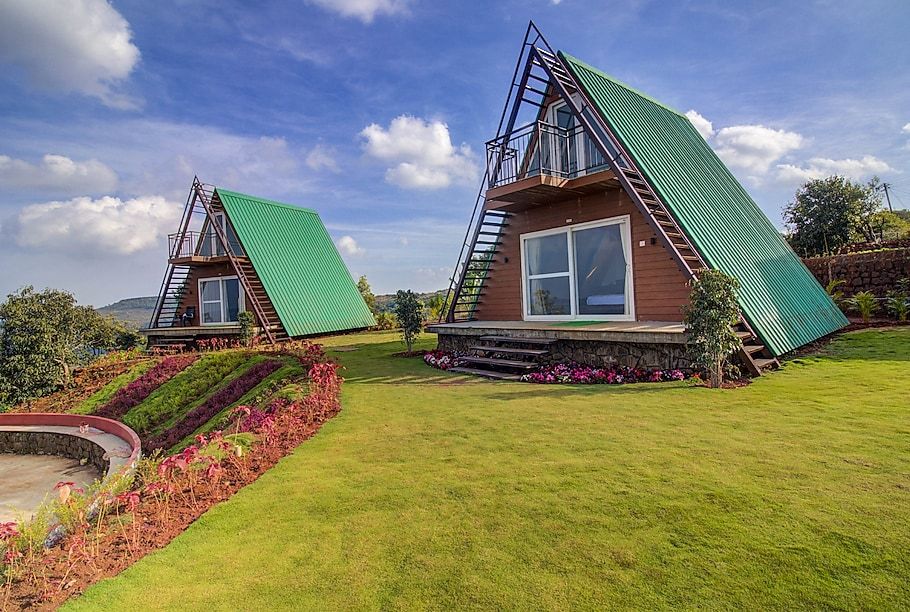
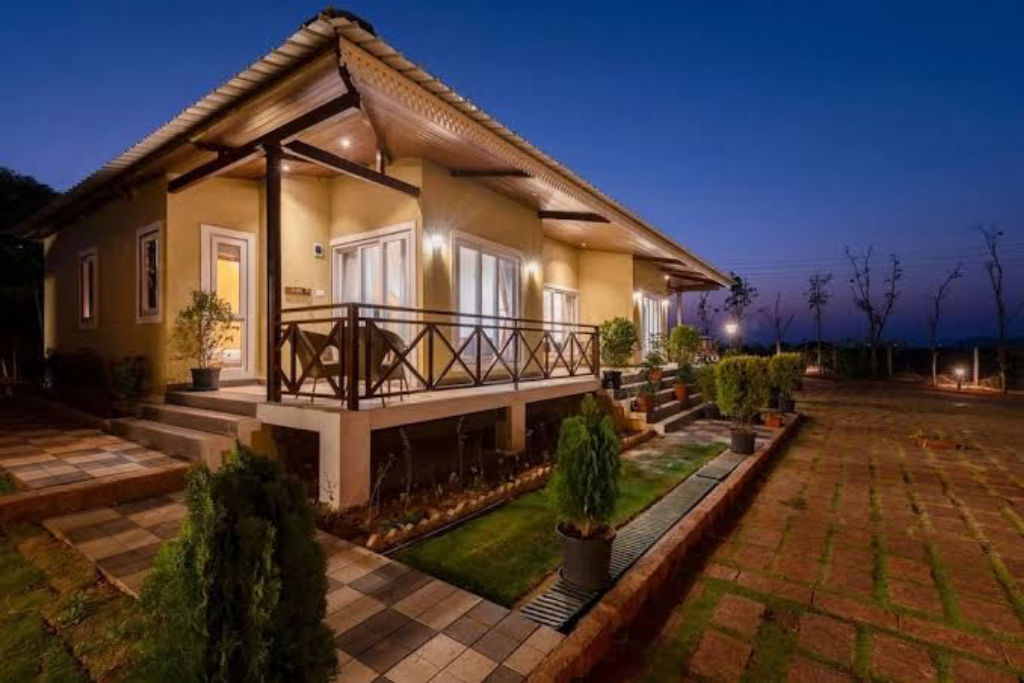
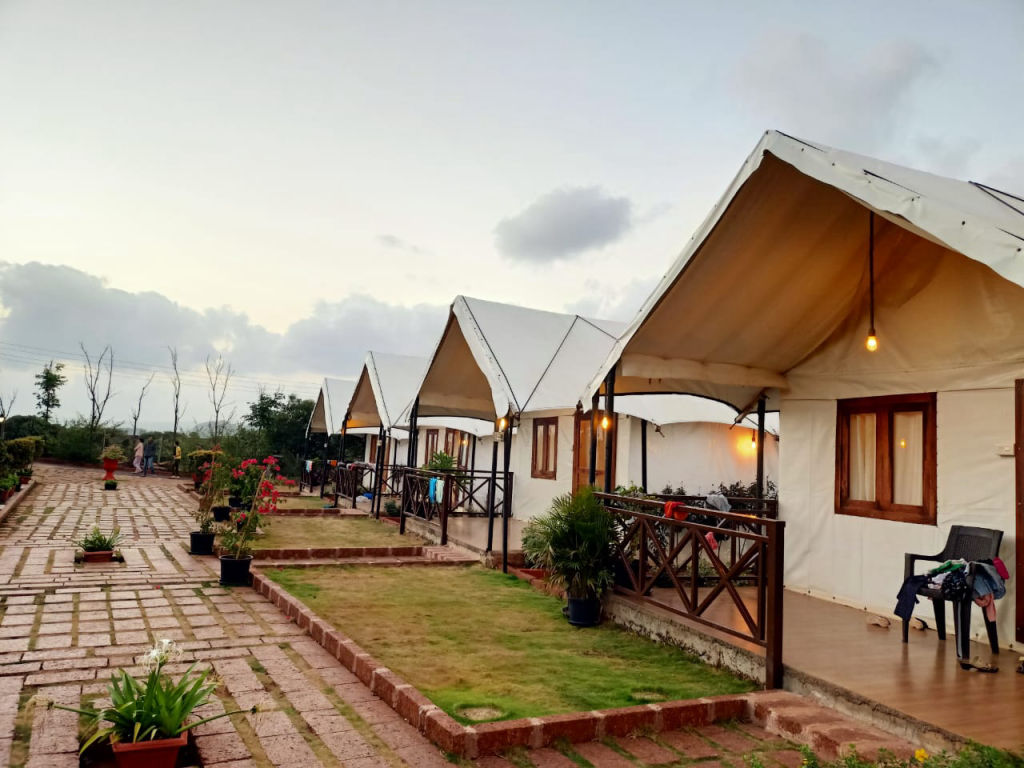
Satara serves as a convenient gateway for exploring both historical landmarks and outdoor landscapes across the western ghats. Travellers wishing to stay close to nature can discover scenic campsites, rural homestays, and nature retreats in the surrounding valleys on HireACamp. Booking a stay nestled near the countryside allows easy day trips to town landmarks like Natraj Mandir while keeping you close to mountain trails and quiet village surroundings.
Frequently asked questions
What style of architecture is Natraj Mandir in Satara?
Natraj Mandir is built in the South Indian Dravidian architectural style, featuring an intricately sculpted rajagopuram entrance tower and pillared mandapams that resemble the famous Nataraja temple at Chidambaram.
Where is Natraj Mandir located?
The temple is located along the National Highway 4 service road on the perimeter of Satara in Maharashtra, making it easily accessible from the highway.
Is photography permitted inside Natraj Mandir?
Photography may be allowed in the outer courtyards, but restrictions often apply inside the inner shrine areas. It is recommended to check locally with temple authorities before taking photographs.
What is the best time of day to visit the temple?
Early mornings and late afternoons are the ideal times to visit, as temperatures are cooler and visitors can often witness the daily morning or evening aarti rituals.
Can I visit Natraj Mandir along with Kaas Plateau?
Yes, Natraj Mandir is located near the town of Satara, which serves as the primary base for excursions to Kaas Plateau, Sajjangad, and Thoseghar Waterfall.
Where you'll be
Nh-4 Service Road, Satara, MH · 4 stays nearby shown with prices
Stays near Natraj Mandir
Book a place to stay close by
More places near Natraj Mandir
Within 20 km


Lists for this area
Ranked by how many creators recommend each place

Built from 0 Instagram posts by 0 creators. Every tip links back to the post it came from, and where creators disagree we show both sides.


