
Navelim
Destination in Goa
Navelim is a scenic town nestled in the Salcete sub-district of South Goa, bordering the bustling market city of Margao. Known for its classic Indo-Portuguese architecture, historic parish churches, and lush green paddy fields, it offers visitors an authentic taste of Goan village culture. Travellers visit Navelim to enjoy a tranquil base close to South Goa's quietest beaches, cultural landmarks, and traditional culinary heritage.
Getting there
By road
- From Pune9 hr 35 min · 465 km
Typical drive times without traffic. Stations and airports from OLA Maps; distances and typical drive times from OpenStreetMap (© OpenStreetMap contributors); notes from creators' Reels.
About Navelim
Written with AI from map data and general knowledge. Check prices and timings locally before you go.
An introduction to Navelim
Navelim is a significant settlement situated just southeast of Margao in South Goa. While historically a quiet rural village framed by the river Sal and extensive agricultural fields, it has grown into a bustling residential and cultural enclave that bridges the gap between commercial Margao and the peaceful coastal belt of Salcete.
Despite ongoing development, Navelim retains its distinctive Goan soul. Winding village lanes are flanked by grand ancestral mansions, traditional whitewashed chapels, and towering coconut groves. The town has a strong sense of community, anchored by centuries-old parish life, agricultural rhythms, and family-run bakeries that still churn out warm poi bread twice a day. For travellers seeking an authentic local environment rather than an isolated resort strip, Navelim provides a warm and grounded introduction to the southern half of the state.
Things to do in and around Navelim
One of the most rewarding ways to spend time in Navelim is simply exploring its quiet inner lanes on foot or by bicycle. The town is dotted with impressive Indo-Portuguese architecture featuring ornate balcões, oyster-shell window panes, and decorative cornices. A leisurely morning walk through the neighbourhoods reveals a slower pace of life, where neighbours chat across compound walls and church bells mark the passing of the hours.
At the spiritual and social heart of the town stands the Church of Our Lady of the Rosary, an elegant structure dating back to the late sixteenth century. The church features a grand facade, intricate gilded altars, and an expansive courtyard that hosts the vibrant annual feast of Our Lady of the Rosary. Attending a service or visiting during local festivities provides deep insight into South Goan traditions, music, and brass band heritage.
Food lovers can immerse themselves in the unhurried local café culture. In Navelim and adjoining Margao, traditional teashops and bakeries serve freshly baked Goan breads alongside spiced potato chops, beef croquettes, and hot tea. You can also explore local antique and heritage collections in the surrounding area, where curated displays of vintage timepieces, household relics, and agricultural equipment paint a vivid picture of colonial Goan life.
Read more
Coastal escapes and getaways nearby
Navelim's geographic position makes it an exceptional launching pad for discovering the pristine coastline of South Goa. Just a short drive westward brings you to the broad, silver-sand shores of Benaulim, Varca, and Carmona. Unlike the high-energy beaches of North Goa, these southern stretches are famous for their expansive open sands, languid beach shacks, and tranquil waters suitable for peaceful morning walks and evening sunsets.
Further south along the Sal River, destinations like Cavelossim and Mobor offer boat rides, birdwatching opportunities along the mangrove estuaries, and picturesque views of local fishing boats returning with the day's catch. Nature enthusiasts can rent a scooter and ride inland toward the foothills of the Western Ghats, passing through scenic villages like Chandor and Curtorim, both renowned for ancient mansions, historical bridges, and bird-rich freshwater lakes.
Best time to visit Navelim
The most pleasant time to visit Navelim is during the winter months, from November to February. During this period, the humidity drops, day temperatures hover comfortably in the high twenties, and evenings are cool and breezy. This is the ideal season for walking tours, cycling along country roads, and spending entire afternoons on the neighbouring beaches.
Monsoon season, extending from June through September, offers an entirely different, intensely green experience. The paddy fields surrounding Navelim turn emerald, the roadside creeks swell with freshwater, and the scent of damp earth fills the air. While heavy rain may disrupt outdoor beach plans, it is an evocative and restful time for travellers who appreciate quiet village stays, photography, and the raw beauty of coastal rainfall. The summer months of March through May are hot and humid, best suited for those who do not mind the heat and prefer uncrowded streets.
How to reach Navelim
Navelim is remarkably accessible compared to more remote Goan villages, primarily due to its immediate proximity to Margao, the central transport hub of South Goa. Madgaon Railway Station is located only a short ride away from the town centre, making Navelim exceptionally convenient for travellers arriving by long-distance trains from Mumbai, Bangalore, Kerala, or New Delhi.
For air travellers, Goa is served by two airports. Dabolim Airport is situated roughly twenty-five to thirty kilometres to the northwest, with standard taxi rides taking around forty-five minutes depending on traffic. Manohar International Airport at Mopa lies in the far north of the state, approximately seventy kilometres away, requiring a drive of roughly ninety minutes to two hours. Frequent state transport buses and private coaches stop at the Margao Kadamba Bus Terminus nearby, from where local buses, auto-rickshaws, and pilot motorcycles can take you straight into the heart of Navelim.
Where to stay in Navelim
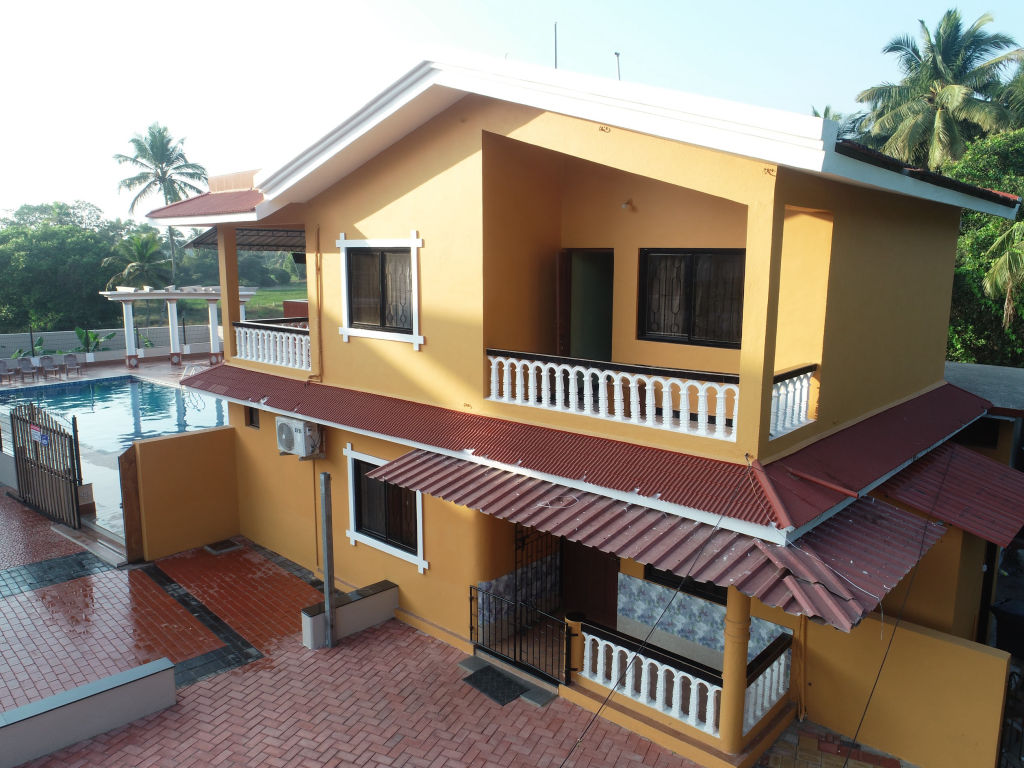
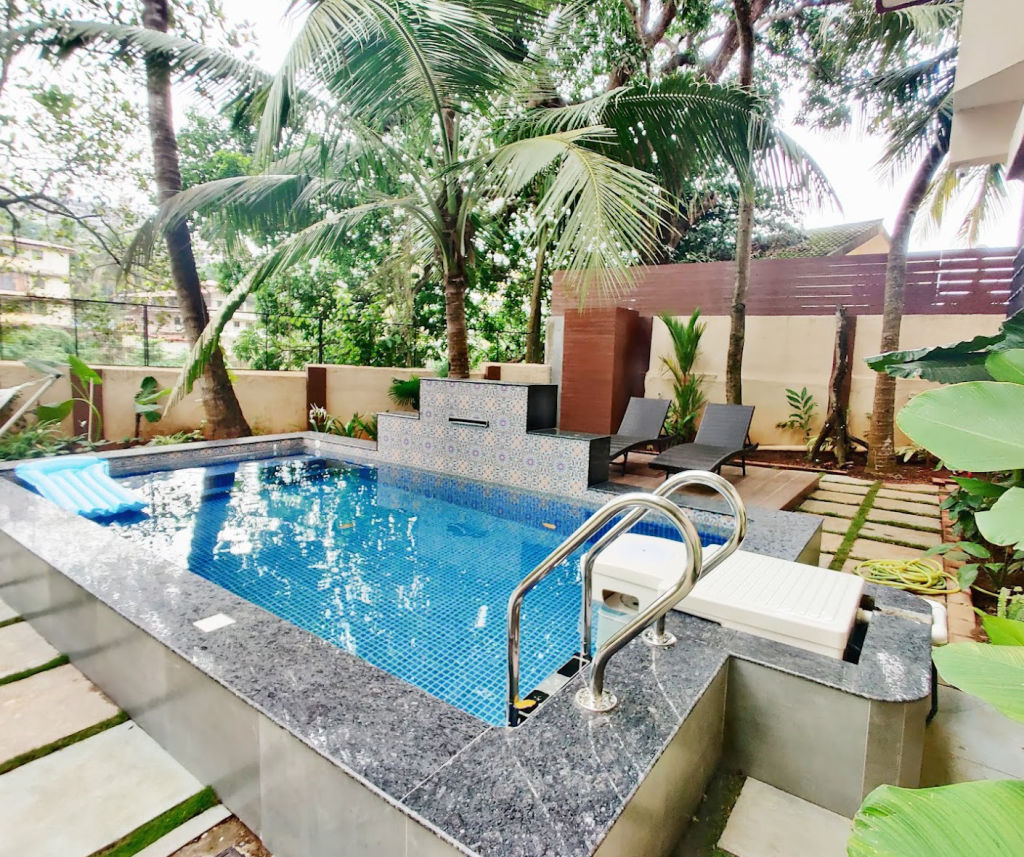
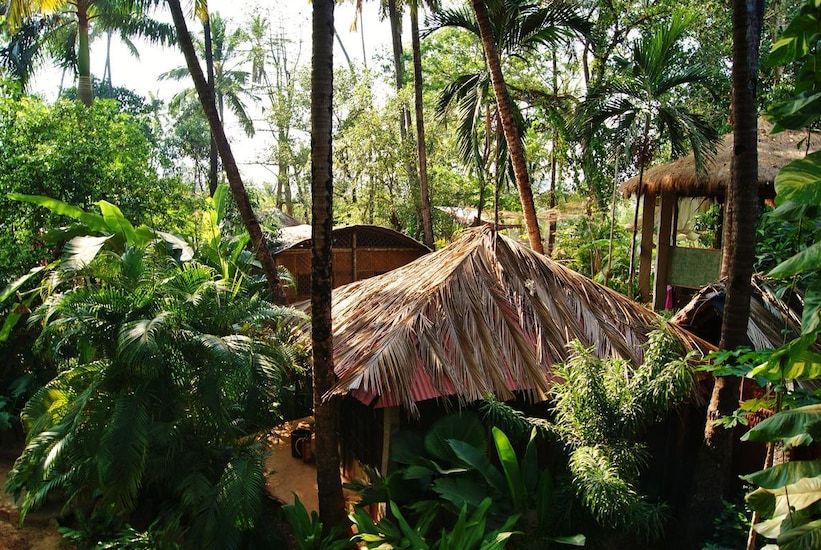
Staying in Navelim allows you to experience Goan hospitality away from crowded tourist enclaves while remaining within effortless reach of South Goa's premier attractions. The area and its neighbouring villages feature a tasteful variety of independent homestays, restored Portuguese villa apartments, and quiet nature retreats situated alongside lush backwaters and coconut plantations.
Whether you are looking for a secluded room in a family-run heritage home or a peaceful garden campsite near the countryside, you can discover a range of verified stays in and around Navelim on HireACamp. Choosing an authentic local stay ensures you enjoy personal hospitality, home-cooked Goan meals, and insider recommendations directly from local hosts.
Frequently asked questions
Where is Navelim located in Goa?
Navelim is a residential town located in the Salcete taluka of South Goa, directly adjacent to the city of Margao and just a short drive inland from the South Goan coastline.
How far is Navelim from the beach?
Navelim sits approximately six to eight kilometres inland from nearby coastal stretches such as Benaulim, Varca, and Colva, which can typically be reached in fifteen to twenty minutes by car or scooter.
What is the closest railway station to Navelim?
Madgaon Railway Station in Margao is the closest major railway junction, located just two to three kilometres from Navelim, making arrivals and departures very straightforward.
Is Navelim a good base for a quiet holiday?
Yes, Navelim is ideal for travellers looking for an authentic Goan village atmosphere with convenient access to markets, railway connections, historic churches, and quiet southern beaches.
What is Navelim known for?
Navelim is well known for its historic Church of Our Lady of the Rosary, its traditional Goan-Portuguese residential architecture, its fertile agricultural surroundings, and its vibrant local community life.
Where you'll be
11 stays nearby shown with prices
Stays near Navelim
Book a place to stay close by








Things to do in Navelim
48 places creators recommend within 30 km
Built from 0 Instagram posts by 0 creators. Every tip links back to the post it came from, and where creators disagree we show both sides.






