
Navi Mumbai
Villages & Neighbourhoods in Maharashtra
1 post · 3 sourced tips
Guide from 1 post by 1 creator
@mandirachakrabortyy
Visiting Navi Mumbai's Mangrove Trails and Waterfront
Navi Mumbai offers waterfront nature activities including flamingo spotting, boat rides, and mangrove trails leading to sunset viewpoints.
Good to know
Tips from creators' posts. Each one links to its source.
Getting there
By road
- From Mumbai 45 min · 32 km
- From Pune2 hr 10 min · 123 km
- From Nashik3 hr 30 min · 170 km
- From Surat6 hr 25 min · 292 km
By train, bus or air
- D. B. Patil International AirportNearest airport14 min · 9.2 km
Typical drive times without traffic. Places, distances and typical drive times from OLA Maps; notes from creators' Reels.
Navi Mumbai and Greater Mumbai Area Itinerary
A regional travel plan connecting Navi Mumbai with historic island sites, South Mumbai markets, seaside promenades, and coastal coastal getaways across the harbour.
Historic Harbour and South Mumbai
Best for travellers wanting a mix of island heritage, shopping, and waterfront relaxation in a single day.
Day 1
Elephanta Island and South Mumbai Heritage
morning
Elephanta CavesAbout 4 hr
Plan for an extended visit as ticket queues, walking, and the 1-hour ferry ride each way take significant time.
afternoon
Colaba CausewayAbout 2 hr · 13 km from the last stop
Browse street stalls selling items starting from ₹100 to ₹500; visit in the afternoon to bypass heavy crowds and negotiate firmly.
evening
Marine DriveAbout 1 hr 30 min · 3.3 km from the last stop
Unwind and watch the waves from the sea-facing promenade wall. Free entry.
- Bargaining can reduce quoted prices by 20% to 40% in Mumbai street markets like Colaba Causeway.
- Carry both cash and UPI payment methods when shopping at street stalls.
- Avoid buying antique goods at Chor Bazaar unless you know how to authenticate items and negotiate firmly, as most displays are counterfeit copies.
- If visiting Kolaba Fort in Alibaug, check the tides in advance as access on foot is only possible during low tide.
Visit lengths are suggestions; distances are straight-line between stops.
About Navi Mumbai
Written with AI from creators' posts and map data. Check prices and timings locally before you go.
About Navi Mumbai
Planned in the late twentieth century to ease urban density in Mumbai, Navi Mumbai spans a scenic strip of land flanked by the Sahyadri foothills on one side and Thane Creek on the other. Unlike the densely clustered layout of historic Mumbai, this region features broad avenues, dedicated educational and commercial zones, and substantial open spaces. Over the decades, it has grown into a vibrant city in its own right, organized into planned nodes including Vashi, Nerul, Belapur, and Kharghar.
Despite its ongoing urban development, Navi Mumbai retains close contact with nature. Tidal creeks, mudflats, and mangrove forests frame its western perimeter, serving as critical habitats for wintering flamingos and other coastal birds. To the east and south, rocky knolls and verdant ridges rise sharply, providing immediate outdoor escapes for morning runners, cyclists, and weekend hikers.
Things to do in and around Navi Mumbai
For outdoor enthusiasts, the city offers accessible natural features right at the edge of its suburban sectors. Kharghar Hills is among the most popular natural landmarks, located just two kilometres from the node center. In the morning hours, visitors walk or jog up the winding paved paths and trails to enjoy sweeping views of the city skyline, surrounding reservoirs, and seasonal watercourses that cascade down the basalt rock faces.
The city also features sprawling manicured parks, open waterfront promenades, and serene lakes that serve as community hubs. The wetlands and creek edges near Palm Beach Road and Nerul provide rewarding vantage points for birdwatchers, especially during migratory periods when thousands of lesser and greater flamingos assemble along the muddy shallows. Cycling along the wider, quieter streets during early mornings is another popular pursuit, taking advantage of the city's flatter terrain and organized road grids.
Read more
Day trips and nature getaways
Navi Mumbai acts as a natural launchpad for short excursions into the surrounding Konkan and Raigad regions. Approximately 18 kilometres south lies the Karnala Bird Sanctuary, situated around the historic Karnala Fort. The sanctuary is rich in deciduous forest canopy and shelters numerous species of resident and migratory woodland birds. A hike up the forested slope leads to the dramatic basalt pillar of the fort, offering panoramic views across the Sahyadri ranges.
Off the coast, roughly 13 kilometres away, the rock-cut Elephanta Caves sit on Gharapuri Island in Mumbai Harbour. These ancient rock shrines showcase elaborate sculptures carved directly into solid stone during the medieval era. For those seeking coastal relaxation, the road leading toward Mandwa Jetty, around 30 kilometres away, opens the gateway to the sandy shores and seaside hamlets of the Alibaug coastline, easily accessible by road or seasonal passenger ferry links.
Exploring Mumbai from Navi Mumbai
Thanks to its road and rail connectivity, visitors based in Navi Mumbai can easily take day journeys into Mumbai's historic city center. Landmarks such as the Gateway of India and Marine Drive sit approximately 24 kilometres across the bay. These waterfront corridors offer views of the Arabian Sea and historic Indo-Saracenic and Art Deco architecture.
Shoppers and cultural travellers can venture into bustling market districts such as Dadar market, Sion, or Colaba Causeway to experience traditional street commerce, textiles, and local street cuisine. Major religious landmarks like Shree Siddhivinayak Temple in Prabhadevi are also within convenient striking distance for daytime excursions, making Navi Mumbai a calmer base while remaining connected to Mumbai's energetic core.
Best time to visit Navi Mumbai
The climate in Navi Mumbai follows the typical tropical Konkan pattern, with distinct monsoon, winter, and summer seasons. The most pleasant period to visit is from November to February. During these winter months, temperatures drop to comfortable levels, humidity subsides, and clear skies make outdoor sightseeing, birdwatching, and trail walking enjoyable throughout the day.
The monsoon season, spanning from June to September, transforms the surrounding hills into lush green landscapes. Waterfalls burst forth along Kharghar Hills and the outskirts of the city, drawing nature lovers who enjoy cloudy days and misty rain. Summers, from March to May, can be hot and humid, making daytime outdoor activities strenuous. If visiting during the summer, it is best to restrict outdoor ventures to early mornings or evenings.
How to reach Navi Mumbai
Navi Mumbai is one of the most accessible destinations in western India, connected by comprehensive road and rail networks. By road, the city center is approximately 31 kilometres from Mumbai, a drive that typically takes about 45 minutes under traffic-free conditions, though local bridge and highway traffic can extend travel times. Pune is located about 123 kilometres to the southeast, a drive of around 2 hours and 10 minutes via the Mumbai-Pune Expressway.
Travel from Nashik takes approximately 3 hours and 30 minutes over a distance of around 170 kilometres via the national highway network. For visitors arriving from Surat in Gujarat, the route covers about 292 kilometres, taking roughly 6 hours and 20 minutes in typical driving conditions. Suburban local trains frequently link Navi Mumbai to Mumbai's central and western lines, while long-distance trains halt at major regional junctions like Panvel and Thane.
Where to stay around Navi Mumbai
Accommodations in and around Navi Mumbai cater to diverse travel styles, from transit city stays to relaxed weekend escapes. While the urban nodes offer straightforward city stays and serviced apartments, those looking for tranquil surroundings often prefer to look slightly outward toward the foothills of Panvel, Karjat, or the rural stretches bordering the Karnala region.
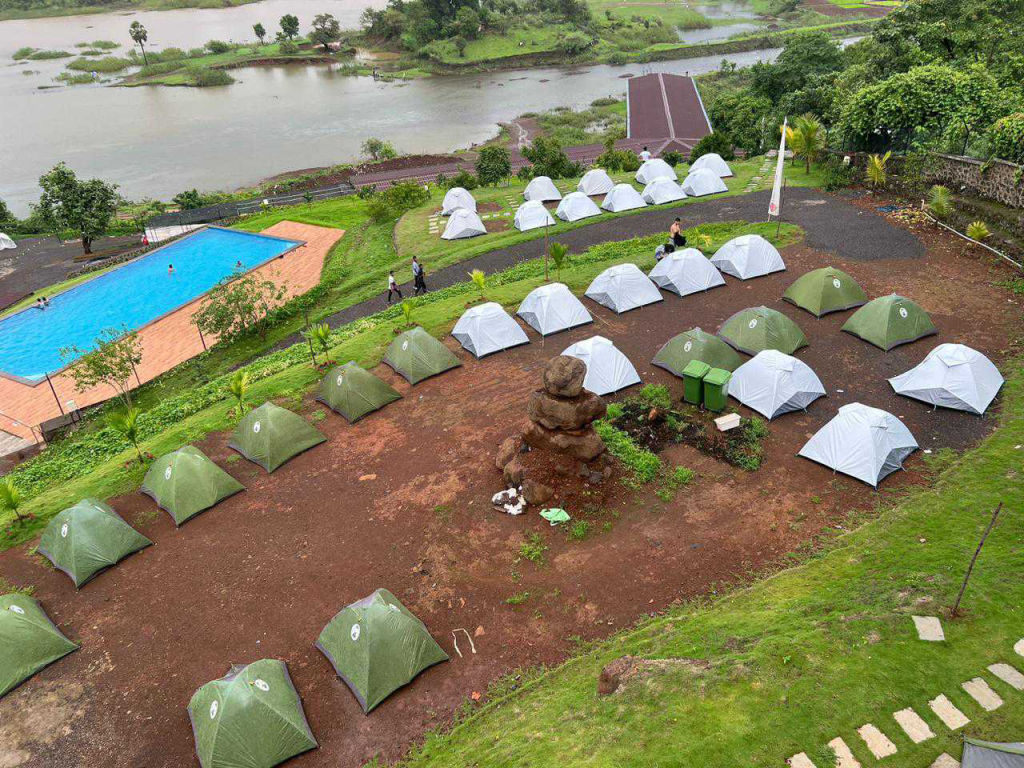
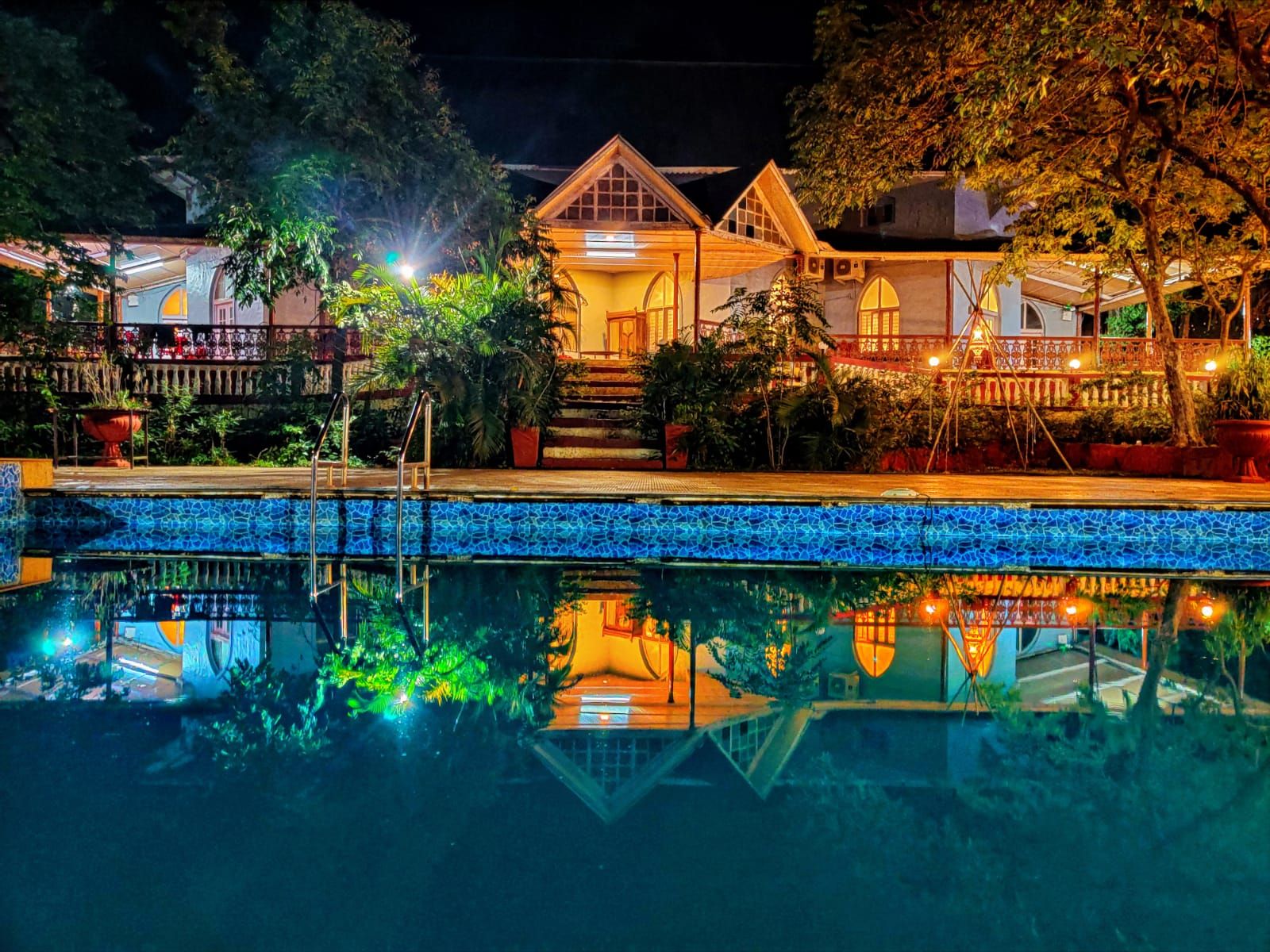
Travellers searching for scenic nature camps, rustic farmstays, and independent homestays close to nature can browse options on HireACamp. Staying near the base of the hills or near forest fringes allows you to enjoy peaceful outdoor surroundings while remaining within easy driving distance of city amenities.
Frequently asked questions
What is Navi Mumbai best known for?
Navi Mumbai is known for its planned urban layout, wide avenues, tidal wetlands that shelter migratory flamingos, and nearby outdoor spots like Kharghar Hills and Karnala Bird Sanctuary.
When is the best time to see flamingos in Navi Mumbai?
Flamingos typically arrive along the mudflats and creeks of Navi Mumbai during the winter and early summer months, usually between November and May, with sightings best during low tide periods.
How far is Navi Mumbai from Mumbai and Pune?
Navi Mumbai is roughly 31 kilometres from central Mumbai, taking around 45 minutes without traffic, and about 123 kilometres from Pune, taking approximately 2 hours and 10 minutes along the expressway.
Are there hiking or nature trails near Navi Mumbai?
Yes, Kharghar Hills provides accessible walking routes and views within the city, while nearby Karnala Bird Sanctuary offers forested trekking trails leading up to Karnala Fort.
What kind of outdoor stays are available around Navi Mumbai?
Beyond city stays in the urban nodes, the nearby foothills and Konkan countryside offer farmstays, eco-camps, and rural homestays bookable through HireACamp.
Where you'll be
3 stays nearby shown with prices
As seen on Instagram
The posts this guide is built from
Stays near Navi Mumbai
Book a place to stay close by

Things to do in Navi Mumbai
45 places creators recommend within 30 km


Lists for this area
Ranked by how many creators recommend each place


Built from 1 Instagram post by 1 creator. Every tip links back to the post it came from, and where creators disagree we show both sides. Guide updated 5 Nov 2026.


