
Nawabganj Bird Sanctuary
Bird sanctuary near Lucknow , Uttar Pradesh
2.9 km from Lucknow
The nearest town, for stays, food and fuel.
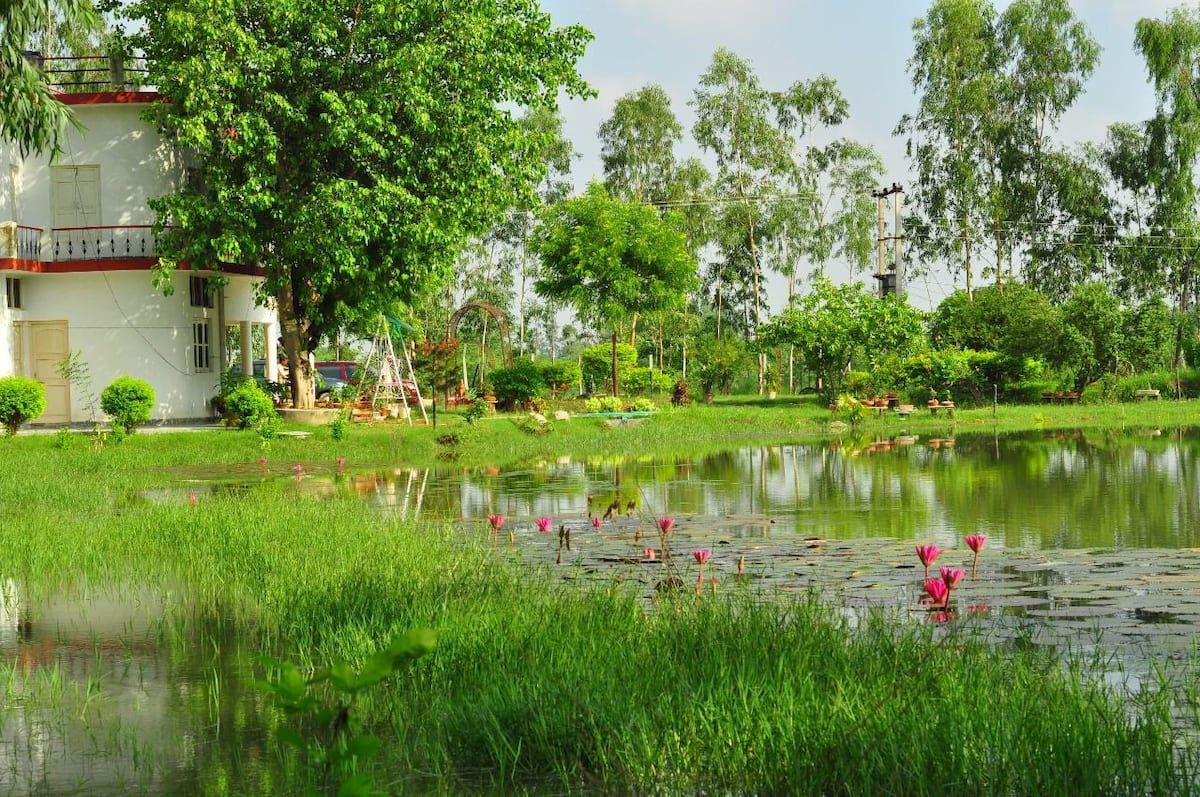
Nawabganj Bird Sanctuary, also known as Shahid Chandra Shekhar Azad Bird Sanctuary, is a serene wetland reserve located in Uttar Pradesh near Lucknow. Centred around a shallow lake and surrounded by dense indigenous woodland, the sanctuary attracts thousands of migratory waterbirds each year alongside varied resident species. Nature lovers and birdwatchers visit to explore quiet lakeside trails, observe rare avian visitors, and enjoy a green escape from surrounding urban hubs.
Getting there
By road
- From Lucknow14 min · 4.6 km
- From Lucknow Nearest town14 min · 4.6 km
- From Kanpur1 hr 55 min · 90 km
Typical drive times without traffic. Stations and airports from OLA Maps; distances and typical drive times from OpenStreetMap (© OpenStreetMap contributors); notes from creators' Reels.
About Nawabganj Bird Sanctuary
Written with AI from map data and general knowledge. Check prices and timings locally before you go.
About Nawabganj Bird Sanctuary
Nawabganj Bird Sanctuary is one of the prominent protected wetland habitats in the Gangetic plains of Uttar Pradesh. Established around a sprawling natural lake fed by seasonal rains, the reserve encompasses diverse microhabitats ranging from open water and reed beds to surrounding mixed deciduous woodlands. The sanctuary plays a vital ecological role in the region by sustaining aquatic life, replenishing groundwater, and providing a dependable sanctuary for resident as well as long-distance migratory fauna.
The environment here offers an immediate shift in pace from the busy urban atmosphere of nearby Lucknow. Elevated embankments, watchtowers, and footpaths line parts of the wetland, allowing visitors to view bird communities without disrupting their nesting and foraging grounds. Over the years, the reserve has become an important centre for conservation education and nature interpretation, drawing wildlife photographers, students, and curious travellers eager to witness northern India's vibrant bird life.
Avian Diversity and Wildlife
The primary draw of Nawabganj Bird Sanctuary is its impressive bird population. During the peak winter months, the water body hosts numerous species migrating along the Central Asian Flyway. Flocks of greylag geese, bar-headed geese, northern pintails, common teals, mallards, and red-crested pochards settle across the water. Wading birds, including painted storks, openbill storks, black-necked storks, spoonbills, and the stately sarus crane, can frequently be spotted probing the shallow marshy margins for food.
In addition to seasonal waterfowl, the sanctuary supports a thriving resident avian community throughout the year. Kingfishers, purple swamphens, bronze-winged jacanas, little cormorants, and multiple varieties of egrets and herons are regular sightings. The surrounding woodland canopy and scrubland shelter terrestrial species like peacocks, hoopoes, barbets, owls, and parakeets. Beyond birds, keen observers may encounter small mammals such as nilgai, golden jackals, and spotted deer, as well as reptiles and a multitude of butterfly species active near the water's edge.
Read more
Best Time to Visit Nawabganj Bird Sanctuary
The optimal time to plan a visit to Nawabganj Bird Sanctuary is between November and March. As temperatures drop across northern India and Central Asia, the lake fills with winter migratory birds, creating the most dynamic and colourful displays of the year. The weather during these months is cool, crisp, and comfortable for extended outdoor walks and long photography sessions.
From April onwards, the plains experience severe summer heat, causing water levels to recede significantly. Bird activity decreases sharply during the middle of the day, with only hardy resident species braving the midday sun. The monsoon season between July and September replenishes the lake and revives the lush green foliage, but wet pathways and heavy rains can make trail exploration challenging. For the richest wildlife experience and pleasant conditions, scheduling your trip during the core winter season is strongly recommended.
Things to Do at the Sanctuary
Birdwatching is the quintessential activity at Nawabganj Bird Sanctuary. Visitors can walk quietly along the marked nature trails that fringe the water or climb the designated watchtowers strategically positioned along the banks. From these vantage points, one can scan the water spread with binoculars to study feeding flocks, watch aerial courtship displays, and observe the hunting habits of raptors circling overhead.
Nature photography is equally rewarding. The combination of early morning mist over the water, golden dawn light filtering through the tree canopy, and active flocks makes for compelling photographic subjects. For those seeking quiet downtime, the sanctuary functions as a peaceful retreat where one can walk beneath mature shade trees, listen to calls of diverse species, and learn about the local flora through informational signboards placed around the grounds.
How to Reach Nawabganj Bird Sanctuary
Nawabganj Bird Sanctuary is conveniently accessed from Lucknow, the state capital of Uttar Pradesh. Lucknow serves as the primary regional travel hub, boasting extensive air connections through Chaudhary Charan Singh International Airport, as well as major rail hubs like Lucknow Junction and Charbagh railway stations.
From central Lucknow, travellers can reach the sanctuary by road via private taxi, rented car, or local regional buses that run regularly along the highway corridor. Having private or arranged transport is advantageous, as it gives you the flexibility to arrive during early daylight hours when bird activity is at its highest and departing when your exploration concludes.
Tips for Your Visit
To make the most of your excursion to Nawabganj Bird Sanctuary, plan to arrive around sunrise or during the late afternoon. Bird activity peaks during these cooler hours when feeding and flock movements are most energetic. Carrying a reliable pair of binoculars or a camera fitted with a good telephoto lens will substantially improve your viewing experience, as many birds roost further away in the middle of the lake.
Dress in muted, earth-toned clothing like greens, browns, and greys so you blend naturally into the surroundings. Bright colours and loud conversations often startle wildlife and cause entire flocks to take flight. Stay strictly on marked trails, carry your own drinking water, wear comfortable walking shoes, and be sure to carry back all personal trash to preserve the cleanliness and integrity of this sensitive wetland.
Places to Visit Nearby
A visit to Nawabganj Bird Sanctuary pairs seamlessly with exploring the heritage and culture of Lucknow. Within the city, iconic monuments showcase the architectural grandeur of the Awadh era. The Bara Imambara and Chota Imambada stand out for their intricate design, expansive courtyards, and grand gateways, while the towering Rumi Darwaza and historical Satkhanda provide insight into historic urban architecture.
Travellers interested in local crafts, bustling markets, and renowned Awadhi cuisine can wander through historic quarters like Chowk and Aminabad, or stroll through the broad lanes of Hazratganj. If you prefer tranquil park environments, city spaces such as Janeshwar Mishra Park and the Dr. B. R. Ambedkar Memorial offer sweeping lawns, reflective pools, and walking boulevards to round out a diverse regional itinerary.
Where to Stay near Nawabganj Bird Sanctuary
Because of the sanctuary's proximity to Lucknow, most visitors opt to stay in the city, where options range from transit hubs to serene residential corners and heritage settings. Choosing a base near the city limits provides simple morning highway access toward the sanctuary while keeping you close to cultural landmarks and evening dining.
Travellers looking for immersive outdoor experiences, farmstays, or peaceful homestays in and around the countryside can browse through verified accommodation choices on HireACamp. Booking in advance during the peak winter birding season helps secure pleasant accommodations that fit your travel pace.
Frequently asked questions
What is the best time of year to visit Nawabganj Bird Sanctuary?
The sanctuary is best visited between November and March. During this period, pleasant winter weather coincides with the arrival of thousands of migratory birds from northern regions.
Which birds can you see at Nawabganj Bird Sanctuary?
Visitors can see migratory waterfowl such as pintails, teals, mallards, and pochards, along with resident species like sarus cranes, painted storks, kingfishers, egrets, and cormorants.
How far is Nawabganj Bird Sanctuary from Lucknow?
The sanctuary is located along the highway network connected to Lucknow, making it an easy day excursion or morning trip by road from the city centre.
Do I need special equipment to explore the sanctuary?
While not required, carrying binoculars or a camera with a zoom lens will significantly improve your viewing experience, as birds often congregate far out on the open water.
What should visitors wear and carry when visiting the sanctuary?
Wear comfortable walking shoes and earth-toned clothing that helps you blend into nature. Bring drinking water, sun protection, and a bag to carry all your personal waste back with you.
Where you'll be
Lucknow, UP · 2 stays nearby shown with prices
Stays near Nawabganj Bird Sanctuary
Book a place to stay close by

More places near Nawabganj Bird Sanctuary
Within 20 km


Lists for this area
Ranked by how many creators recommend each place


Built from 0 Instagram posts by 0 creators. Every tip links back to the post it came from, and where creators disagree we show both sides.






