
Pagoda Point
Adventure & Outdoors near Yercaud, Tamil Nadu
1.1 km from Yercaud
The nearest town, for stays, food and fuel.
Pagoda Point is a scenic viewpoint situated on the eastern hills of Yercaud in the Shevaroy range of Tamil Nadu. Named after the pyramid-like stone structures perched along its ridge, the viewpoint attracts visitors seeking panoramic vistas of the surrounding valleys, rolling green terrain, and the plains of Salem far below. It offers a peaceful retreat into cool mountain breezes and is one of the most accessible natural vantage points in the hill station.
Getting there
By road
- From YercaudNearest town2 min · 1.3 km
- From Coimbatore4 hr 45 min · 193 km
- From Bengaluru4 hr 50 min · 189 km
- From Madurai5 hr 45 min · 261 km
Typical drive times without traffic. Stations and airports from OLA Maps; distances and typical drive times from OpenStreetMap (© OpenStreetMap contributors); notes from creators' Reels.
About Pagoda Point
Written with AI from map data and general knowledge. Check prices and timings locally before you go.
About Pagoda Point
Perched on the eastern slopes of the Shevaroy Hills, Pagoda Point—sometimes referred to by locals as Pyramid Point—is one of Yercaud's most well-known viewpoints. The ridge takes its name from four distinct piles of rough stones arranged in pyramid shapes, topped by a small shrine. Historically, these stone arrangements were erected by the local indigenous tribes of the hills, marking spiritual boundaries and points of reverence across the hilltops.
The viewpoint looks out across sheer vertical drops and rugged granite formations covered in native scrub and montane vegetation. Far beyond the immediate hill slopes, the valley stretches out toward the eastern plains of Tamil Nadu. The combination of cultural history, natural mountain architecture, and wide-open sky makes Pagoda Point an enduring favourite for travellers exploring the quieter reaches of the Eastern Ghats.
The View and Landscape
Standing at the edge of Pagoda Point, you are treated to a sweeping panorama that encompasses the forested ridges of Yercaud, small hamlets nestled into the terraces, and the bustling city of Salem sprawling across the plains in the distance. On clear days, the sightlines extend for tens of kilometres, revealing the complex contouring of the Shevaroy hill system as it descends steeply toward the lower elevations.
Early mornings often bring floating ribbons of mist that fill the gaps between the hill folds, gradually clearing as the sun warms the rock faces. In the late afternoon, the viewpoint serves as an excellent vantage point to watch the changing colours of the sky. As twilight sets in, the lights of Salem town begin to twinkle on the horizon like a scattered constellation, offering a very different atmosphere from the sunlit daytime views.
Read more
Best Time to Visit Pagoda Point
The climate at Pagoda Point is shaped by Yercaud's subtropical highland conditions, remaining noticeably cooler and more comfortable than the plains throughout the year. The most popular season to visit runs from October to March, when winter brings crisp morning air, moderate daytime temperatures, and excellent visibility across the valley.
The summer months, extending from April to June, provide a welcome escape from the heat of the lower plains. While afternoons can be warm under direct sunlight, the shade and evening breezes offer pleasant relief. The monsoon arrives between July and September, drenching the slopes in rain and blanketing the viewpoint in dense fog. While the heavy cloud cover during the monsoon can periodically obscure the panoramic view, the lush green transformation of the surrounding wilderness holds a distinct charm for those who appreciate moody, rain-washed landscapes.
How to Reach Pagoda Point
Pagoda Point is situated just a short drive from the centre of Yercaud town, making it easy to include in an afternoon itinerary. Yercaud itself is accessed primarily via the city of Salem, which is well connected to major South Indian hubs by road and rail networks.
Travellers driving up from Salem negotiate a scenic mountain road that winds through more than twenty hairpin bends, ascending steadily through changing vegetation zones. Local taxis, auto-rickshaws, and private rental vehicles are readily available within Yercaud to take you directly to the entrance of Pagoda Point. The access road is paved and leads up to a designated parking area, from which a short walk brings you directly to the stone pagodas and observation railings.
Tips for Your Visit
To experience Pagoda Point at its calmest, plan to arrive during the early morning hours or in the late afternoon. Midday visits can expose you to stronger sun, particularly as shade on the open stone platform is limited. Carrying a light jacket or windcheater is recommended, as the mountain winds blowing over the exposed ridge can turn surprisingly brisk even on warm days.
Keep a watchful eye on your personal belongings, especially food items and water bottles. Like many open viewpoints in the Shevaroy Hills, troop monkeys frequently inhabit the surrounding trees and rocky ledges, and they can be opportunistic around unattended bags. Comfortable walking footwear is useful for navigating the stone paths and natural rock surfaces safely. There are usually small vendor stalls near the entrance selling local refreshments, but it is always wise to keep drinking water handy.
Exploring the Shevaroy Region
While Pagoda Point provides an expansive perspective over the countryside, the wider Yercaud plateau offers plenty of complementary natural landscapes to explore. The region is famous for its coffee estates, spice gardens, and orange orchards, which carpet the highland interior with dense green canopies.
Beyond the hill plateau, the surrounding lowlands of Salem district are rich in cultural heritage, home to ancient regional shrines such as the historic Taramangalam Kailasanathar Temple, the Mecheri Badrakaliamman Temple, and the dramatic backdrop of Alavay Malai peak to the south. Combining quiet time up at the viewpoint with visits to coffee plantations and local historical sites gives you a well-rounded appreciation of the area's geography and culture.
Where to Stay Near Pagoda Point
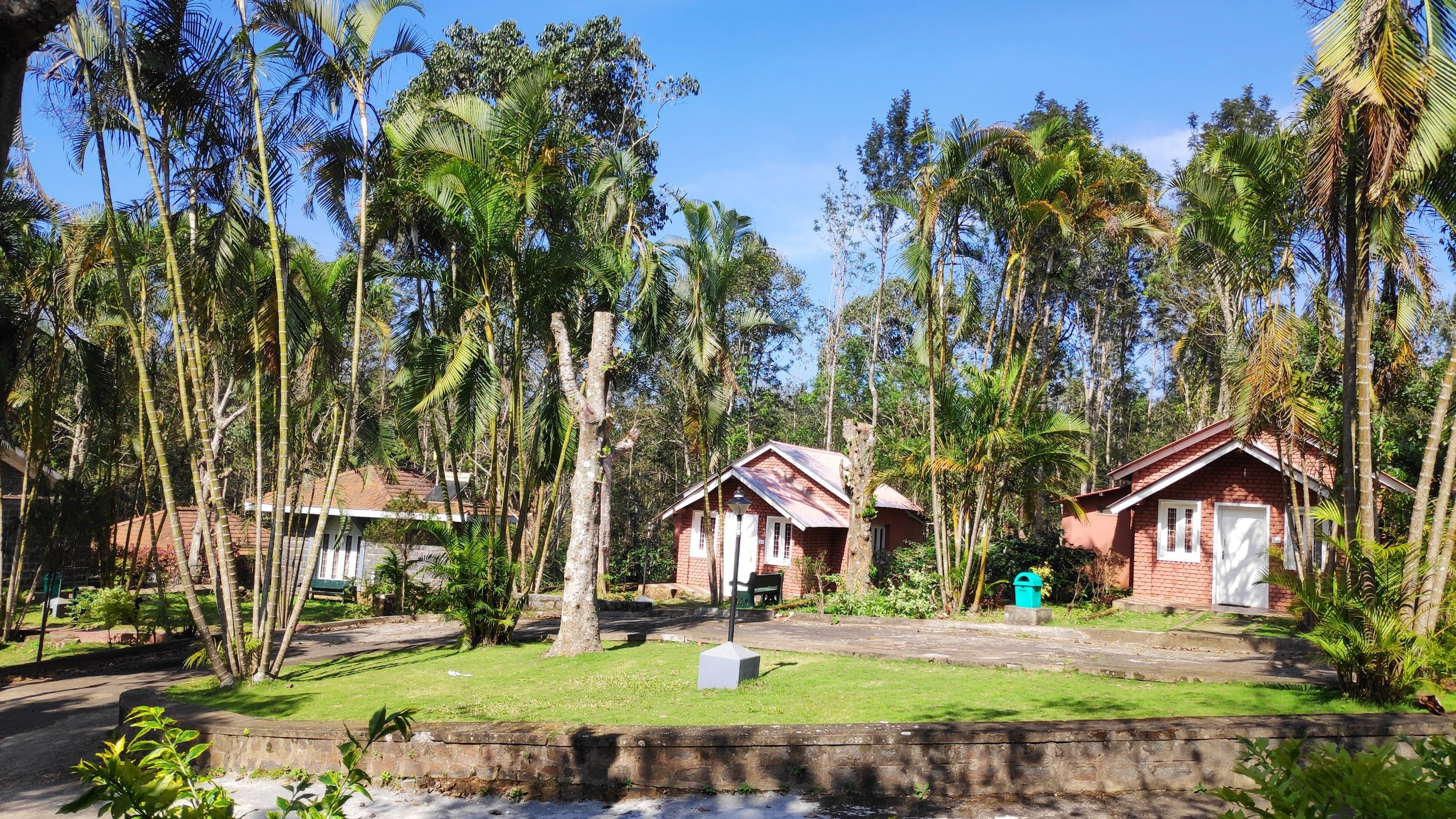
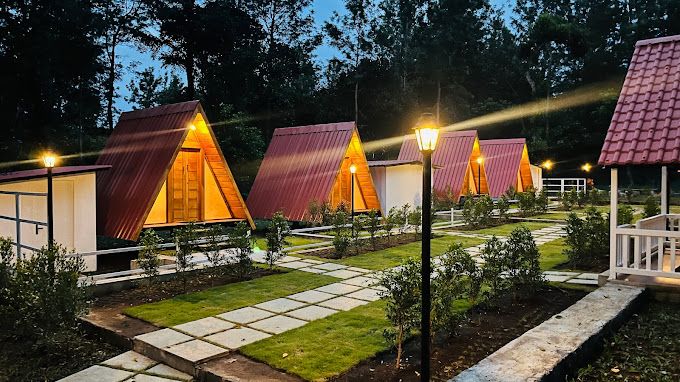
Travellers wishing to stay close to Pagoda Point have a range of options within Yercaud and the adjoining hill hamlets. Staying on the higher ridges allows you to wake up to cool mountain air, birdsong, and mist drifting through the silver oak trees.
Outdoor enthusiasts, families, and solo explorers can browse HireACamp to discover nature stays, camping pitches, and independent homestays situated around Yercaud. Choosing a quiet homestay or campsite nestled in a nearby plantation provides a relaxing base to return to after spending your day taking in the vistas at Pagoda Point.
Frequently asked questions
Why is it called Pagoda Point?
It is named after four pyramid-shaped piles of rough stones resembling miniature pagodas, constructed by local tribes on the ridge beside a small shrine.
What can you see from Pagoda Point?
The viewpoint offers wide panoramic sights of the Shevaroy Hills, surrounding forested valleys, and the plains of Salem, which light up impressively after dark.
Is Pagoda Point accessible by road?
Yes, a paved road connects Yercaud town directly to the entrance area, leaving only a brief and easy walk to reach the stone platforms and railings.
What is the best time of day to visit Pagoda Point?
Early mornings and late afternoons are the best times to visit, providing cooler weather, softer sunlight for photography, and the chance to see valley mist or evening city lights.
Are there wild animals to be aware of at Pagoda Point?
Troops of bonnet macaques frequently roam the trees and stone ledges near the viewpoint, so visitors should keep snacks and loose belongings secure.
Where you'll be
Yercaud · 2 stays nearby shown with prices
Stays near Pagoda Point
Book a place to stay close by
More places near Pagoda Point
Within 20 km

Built from 0 Instagram posts by 0 creators. Every tip links back to the post it came from, and where creators disagree we show both sides.






