
Parra
Destination in Goa
Parra is a picturesque village situated in the Bardez taluka of North Goa, known for its sprawling agricultural fields, heritage Goan-Portuguese architecture, and quiet village lifestyle. Travellers come to wander along its renowned palm-lined rural roads, experience a slower Goan pace, and enjoy easy access to the nearby coastal stretches and historic landmarks.
Getting there
By road
- From Pune8 hr 35 min · 413 km
- From Mumbai 10 hr 10 min · 527 km
Typical drive times without traffic. Stations and airports from OLA Maps; distances and typical drive times from OpenStreetMap (© OpenStreetMap contributors); notes from creators' Reels.
About Parra
Written with AI from map data and general knowledge. Check prices and timings locally before you go.
The village of Parra
Parra sits quietly in the heart of Bardez, tucked slightly inland between bustling coastal settlements and the market town of Mapusa. Historically recognized for its agricultural heritage, particularly the cultivation of sweet local watermelons and extensive rice farming, the village retains a distinctly rural rhythm. Red mud tracks cut through lush green fields, framed by gentle laterite hills and canopying trees.
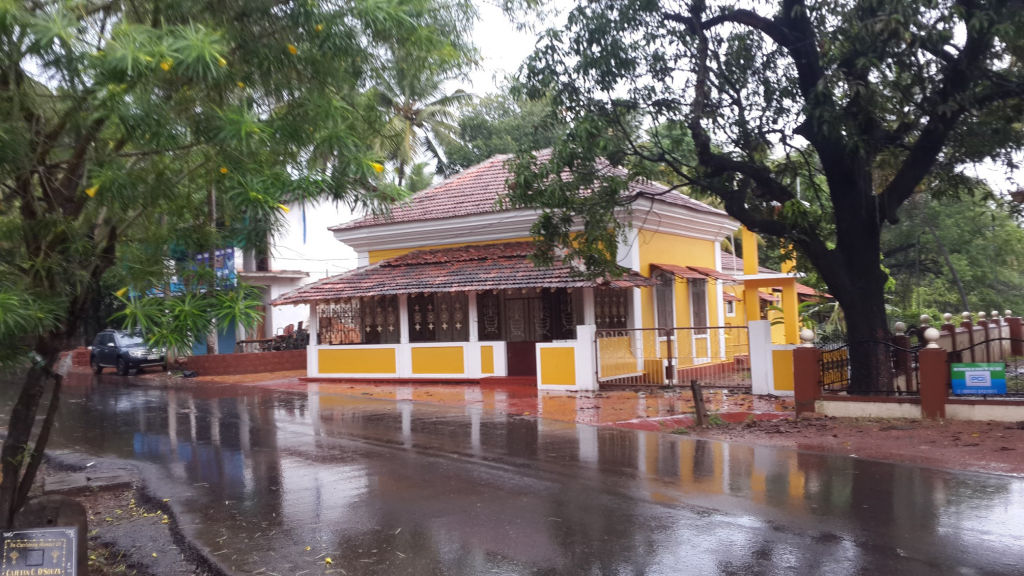
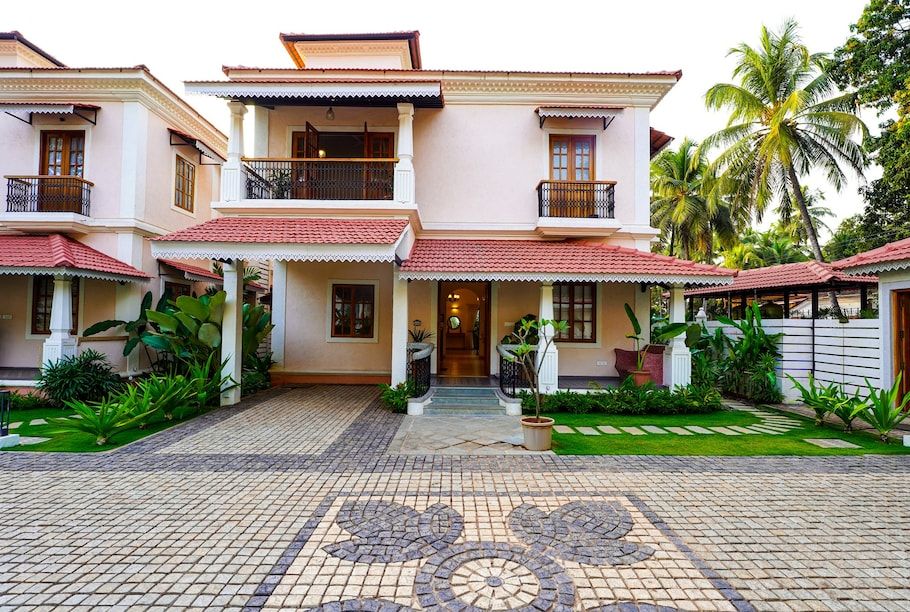
The residential quarters of the village showcase old Goan-Portuguese homes with wrap-around balcões, high tiled roofs, and ornate oyster-shell windows. Unlike the lively beach strips just a few kilometres to the west, Parra offers an atmosphere of stillness where church bells ring clearly across open plains, making it an appealing retreat for travellers interested in genuine village life.
Things to do in Parra
A primary draw for many visitors is the scenic roadway that passes between open fields, famously flanked on both sides by tall, evenly spaced coconut palms. Walking or cycling along this road in the early morning gives travellers uninterrupted views of morning mist lifting from the fields and birdlife moving across the meadows.
Exploring the village lanes on foot is equally rewarding. You will encounter the parish Church of St. Anne, an elegant whitewashed structure constructed in the seventeenth century, standing as a community centrepiece. Art enthusiasts and culture lovers can wander the quiet backstreets to admire the preservation of colonial-era villas, shaded courtyards, and neighbourhood chapels that give Parra its enduring character.
Birdwatching is another rewarding pursuit in the area. The open fields, water-fed lowlands, and surrounding tree canopies host numerous resident bird species such as kingfishers, egrets, herons, and drongos. Bringing a pair of binoculars and taking a slow walk at sunrise or late afternoon allows you to see a diverse side of North Goa's natural environment.
Read more
Places to visit around Parra
Due to its central position in North Goa, Parra provides a convenient base to visit several historic sites and natural shorelines located within roughly ten kilometres. To the southwest lies Sinquerim Beach, known for its wide sandy coastline and dramatic views against the backdrop of coastal fortifications.
A short drive further down the shoreline brings you to Reis Magos Fort, perched over the mouth of the Mandovi River. This carefully restored sixteenth-century bastion offers insight into coastal defence history and features panoramic views across the river toward Panaji. Nearby, travellers can visit Coco Beach and St. Lawrence's Church, a historic hilltop church established in the early seventeenth century that commands views of the surrounding bay.
The capital city of Panaji is also easily accessible. A visit across the river allows you to tour the historic Latin Quarter of Fontainhas and view the famous Church of Our Lady of the Immaculate Conception on the main city square, before returning to the quiet rural surroundings of Parra.
Best time to visit Parra
The winter season, stretching from November to February, is generally considered the most comfortable time to visit Parra. During these months, the daytime temperatures remain moderate and humidity is noticeably lower, making it ideal for walking, cycling through the village, and touring outdoor heritage sites.
The monsoon period between June and September brings heavy rain, transforming the fields and roadsides into vivid shades of emerald green. While outdoor travel requires rain gear and flexible schedules during the monsoon, travellers who appreciate lush tropical landscapes and quiet village lanes will find this season particularly atmospheric.
From March to May, the weather turns hot and humid with strong afternoon sunshine. Visiting during the summer months is best suited for early morning or late evening walks, while spending the warm middle of the day resting in shaded verandas.
How to reach Parra
Parra is well connected by road to the rest of North Goa and can be reached easily by vehicle from transport terminals across the state. The nearest commercial airport is Manohar International Airport at Mopa, located to the north, while Dabolim Airport lies further south. Taxis, pre-booked transfers, and self-drive vehicle rentals are available at both airports.
If arriving by rail, the nearest convenient train station is Thivim, which handles regular express services on the Konkan Railway network. From Thivim, taxis and local connecting buses run toward Mapusa, from where Parra is just a brief drive away. Karmali is another nearby railway hub that serves travellers travelling via central Goa.
For those travelling by bus or car, the neighbouring town of Mapusa acts as the primary bus terminus, connecting regional buses from Maharashtra and Karnataka as well as intra-state routes from Panaji and Margao.
Tips for your visit
Because Parra is a working residential village, visitors should remain mindful of local traffic and privacy. The famous palm road is an active public thoroughfare; avoid standing in the middle of vehicular lanes or creating road blockages when taking photographs. Parking your vehicle safely off the main road prevents disruption to daily commuter traffic.
Renting a bicycle or scooter is one of the best ways to explore the village without contributing to vehicular congestion. Wear comfortable walking shoes, carry a reusable water bottle, and apply sun protection if you are out during the middle of the day. As with all rural neighbourhoods in Goa, keep noise levels considerate, especially when passing residential homes and places of worship.
Where to stay in Parra
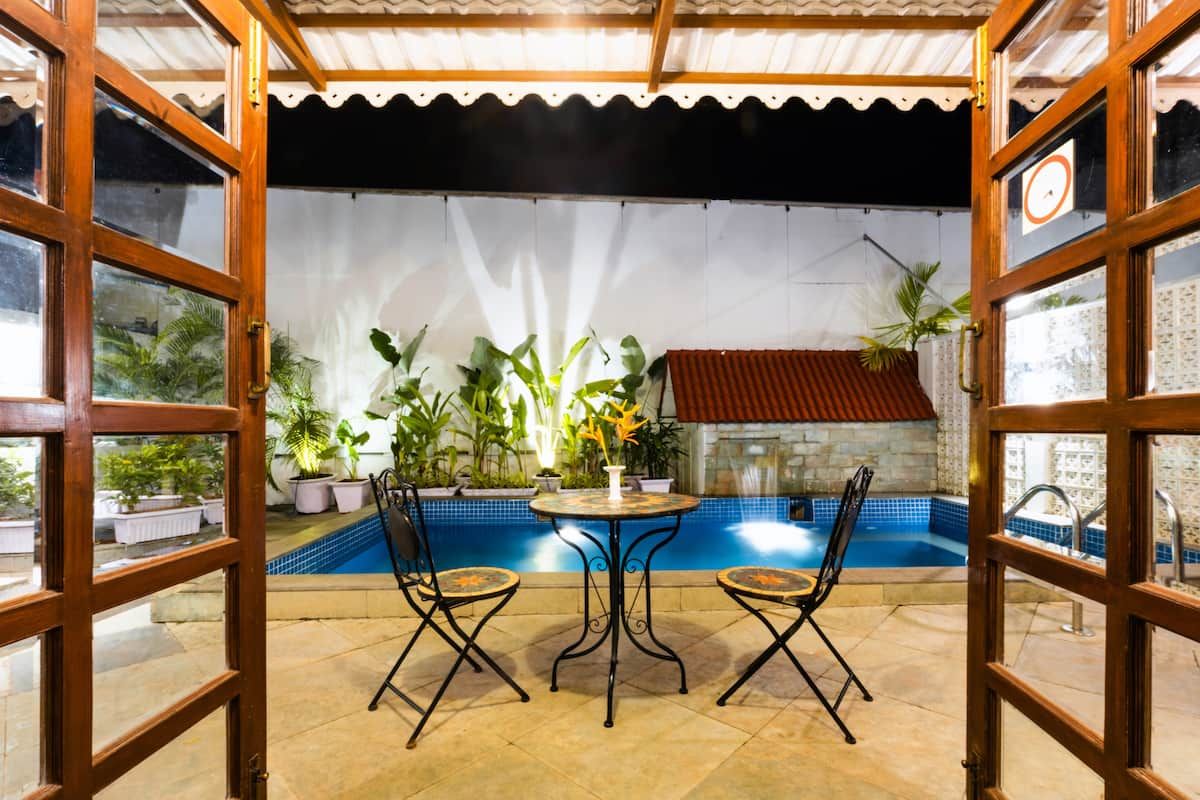
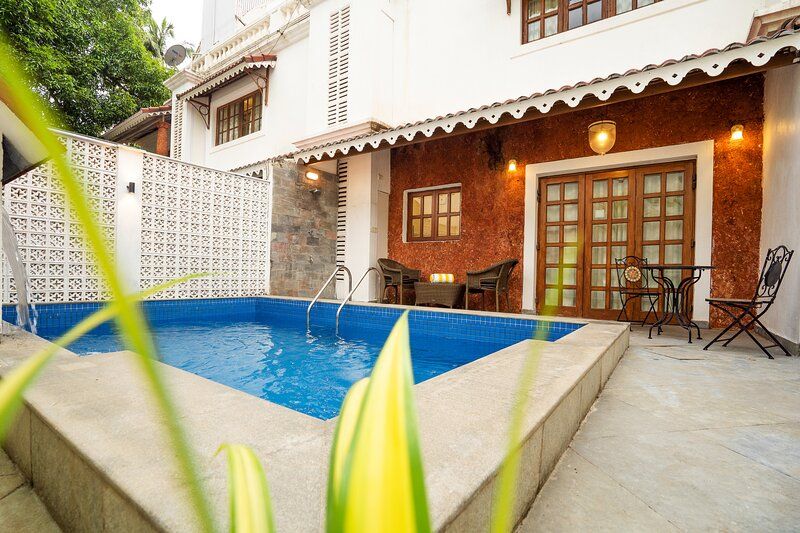
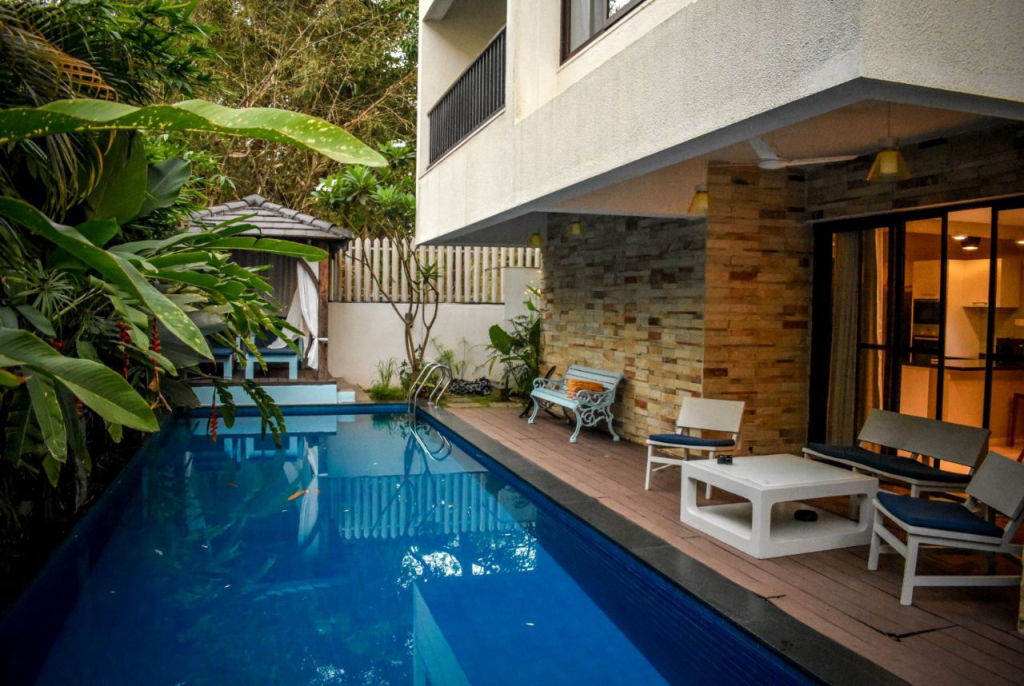
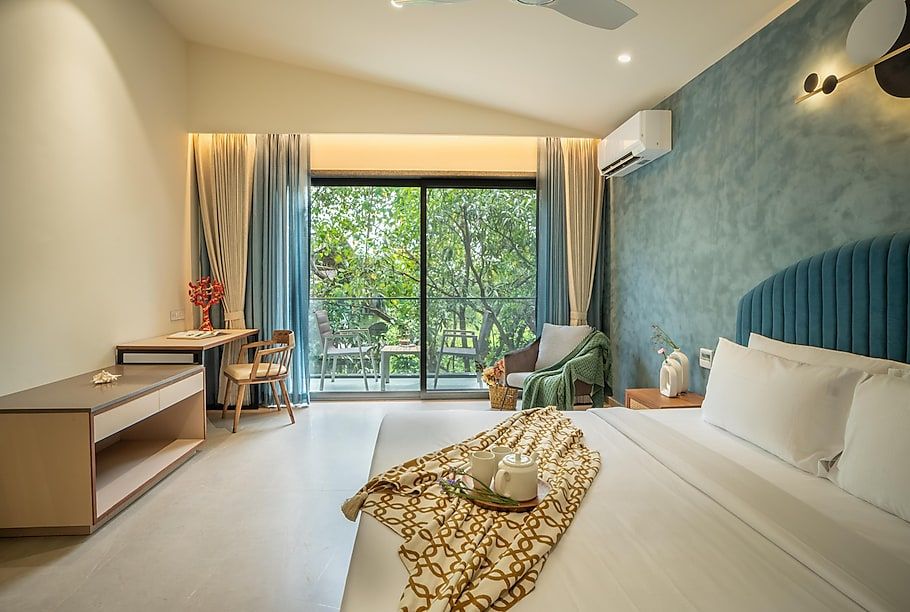
Staying in Parra allows travellers to experience the calm, community-centred environment of Goan village life while maintaining quick connections to coastal beaches and inland rivers. Accommodation options in this area typically lean toward peaceful residential settings rather than crowded hotel avenues.
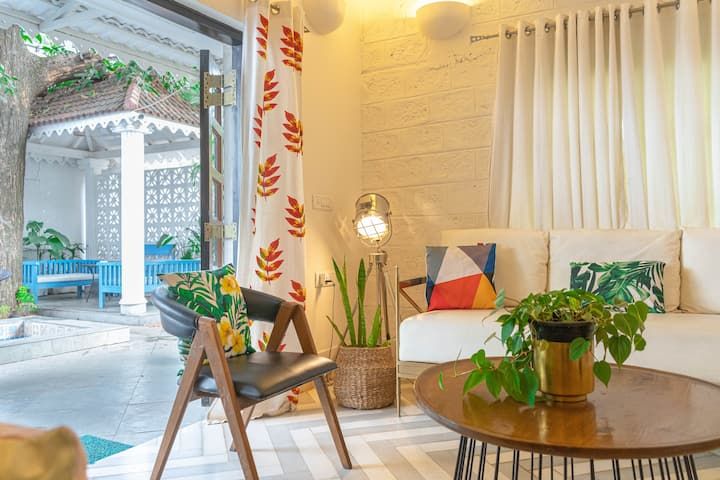
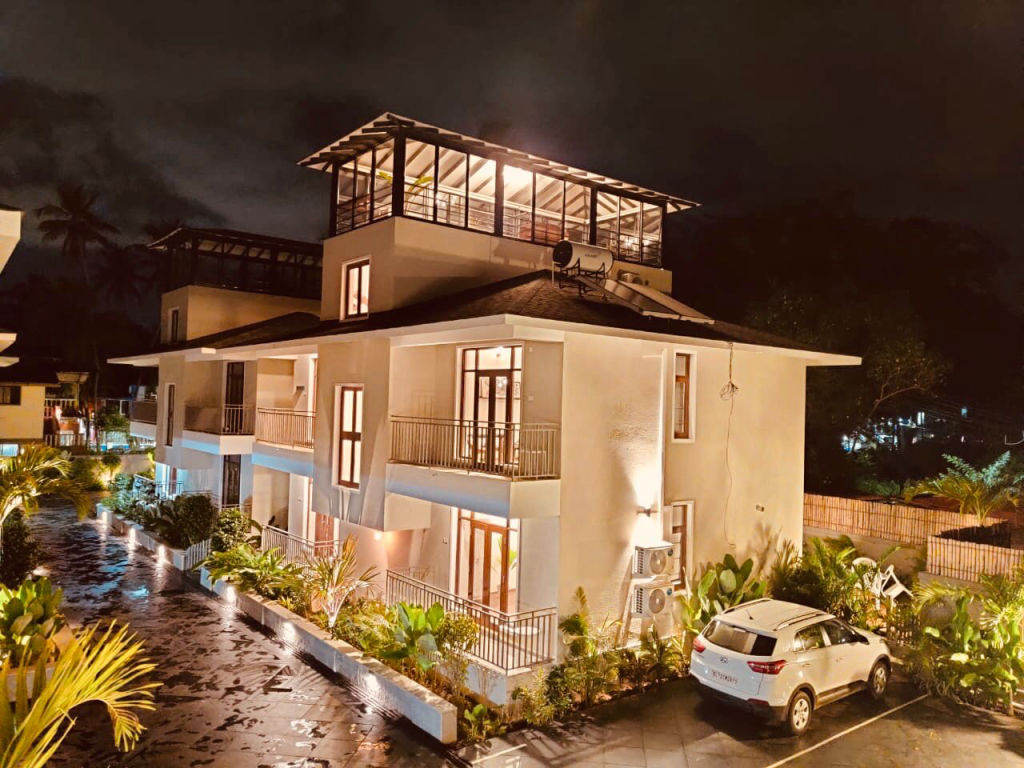
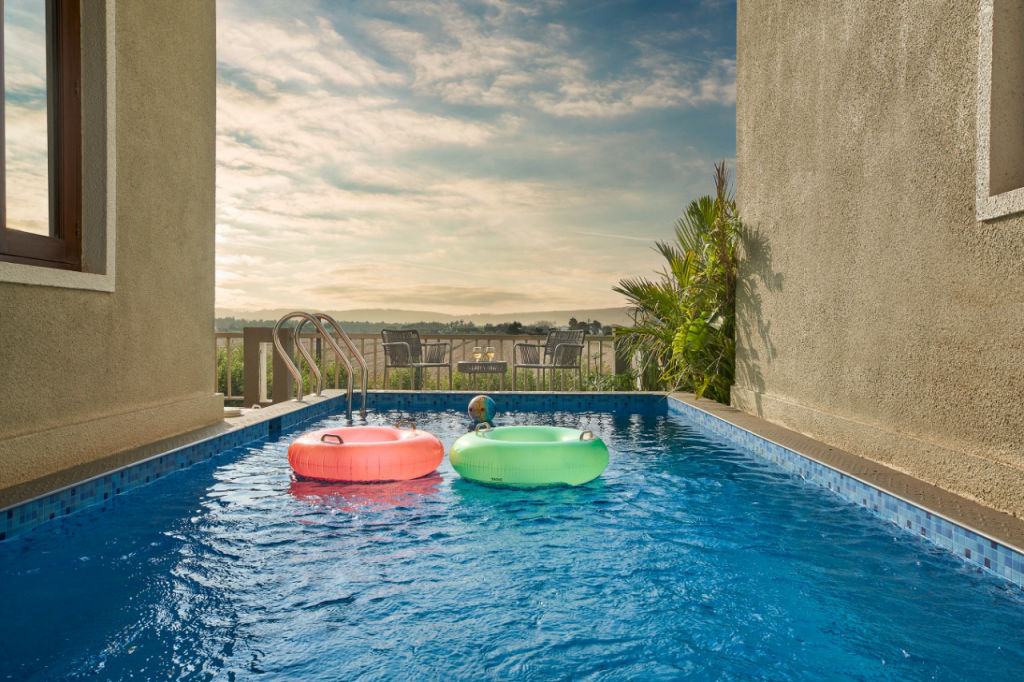
A selection of camps, homestays, and other stays nearby can be found on HireACamp. These properties make it possible to unwind amidst palm groves and quiet lanes, offering a restorative natural base for your journey across North Goa.
Frequently asked questions
What is the village of Parra famous for?
Parra is famous for its scenic tree-lined country road flanked by tall coconut palms and lush fields, as well as its historic Goan homes and rural farming heritage.
How far is Parra from the beach?
Parra sits slightly inland, with popular coastal beaches like Sinquerim and Coco Beach located roughly nine to ten kilometres away, reachable in a short drive.
Can I cycle around Parra?
Yes, cycling is one of the best ways to explore Parra's open fields, quiet neighbourhood lanes, and historical chapels at an unhurried pace.
Which railway station is closest to Parra?
Thivim railway station is the closest major railhead to Parra, followed by Karmali station further south.
Is Parra suitable to visit during the monsoon?
The monsoon brings vibrant greenery and flowing fields to Parra, making it an attractive destination for nature lovers who do not mind occasional heavy showers.
Where you'll be
12 stays nearby shown with prices
Stays near Parra
Book a place to stay close by
Things to do in Parra
47 places creators recommend within 30 km
Built from 0 Instagram posts by 0 creators. Every tip links back to the post it came from, and where creators disagree we show both sides.






