
Pawna Lake
Destination in Maharashtra
Pawna Lake is an expansive freshwater reservoir formed behind the Pawna Dam in the Sahyadri range of Maharashtra. Enclosed by rolling hills and historic Maratha fortifications, it is a favourite weekend escape for travellers from Pune and Mumbai looking to unwind by the water. People visit for lakeside camping, wide-open views, cool evening breezes, and easy access to scenic hill treks.
Getting there
By road
- From Pune1 hr 45 min · 56 km
- From Mumbai 2 hr 5 min · 116 km
- From Nashik5 hr 30 min · 235 km
- From Surat8 hr · 381 km
By train, bus or air
- KhopoliNearest railway station1 hr 20 min · 33 km
- Lonavala ST StandNearest bus stand55 min · 21 km
- Pune International AirportNearest airport1 hr 50 min · 58 km
Typical drive times without traffic. Places, distances and typical drive times from OLA Maps; notes from creators' Reels.
Pawna Lake and Surrounds Itinerary
A practical exploration of Pawna Lake and the surrounding Sahyadri hills, encompassing scenic lake viewpoints, historic hillside forts, cultural sites at Hadshi, and rock-cut cave heritage.
Pawna Lake and Lakeside Heritage
Best for day-trippers focused on Pawna Lake viewpoints and iconic regional forts
Day 1
Lake Views and Historic Forts
morning
Tung FortAbout 2 hr 30 min
Tung Fort is located approximately 107 km from Mumbai, roughly a 2.5-hour road journey.
midday
Pawna LakeAbout 1 hr 30 min · 2.5 km from the last stop
Pawna Lake viewpoints are situated about 6 km past Hadshi Lake along the road.
afternoon
Sicily CafeAbout 1 hr · 3.4 km from the last stop
A cafe stop roughly 2 hours from both Mumbai and Pune. Reservations can be made at +91 9145000936.
afternoon
Lohagad FortAbout 2 hr 30 min · 8.3 km from the last stop
Trekking routes feature scenic viewpoints, particularly noted during the monsoon season.
- At Visapur Fort, trekking trails during the monsoon ascend stone steps that are submerged beneath flowing waterfall streams.
- Hadshi Mandir provides free entry and vehicle parking on-site, though boating activities in the adjacent park are suspended during the monsoon.
- Karla Caves and Aadishakti Aai Ekvira Devi Temple are located immediately adjacent to each other and should be combined in a single visit.
- If visiting Anglo Indian Cafe, plan for an early morning arrival on a weekday to avoid crowds.
Visit lengths are suggestions; distances are straight-line between stops.
About Pawna Lake
Written with AI from map data and general knowledge. Check prices and timings locally before you go.
About Pawna Lake
Pawna Lake, officially known as the Pavana Dam reservoir, lies nestled in Maval taluka within Pune district, tucked away behind the busy hill towns of Lonavala and Khandala. Created by impounding the Pavana River, the body of water covers a vast expanse and provides fresh water to surrounding agricultural belts and neighbouring towns.
The reservoir is set amidst a classic Western Ghats landscape of volcanic rock formations, grassy plateaus, and forested ridges. The defining backdrop consists of iconic hill forts that stand sentinel over the water. Its open perimeter, clear horizons, and rural countryside offer a stark and refreshing contrast to the urban sprawl of Maharashtra's major metropolitan areas.
Things to do at Pawna Lake
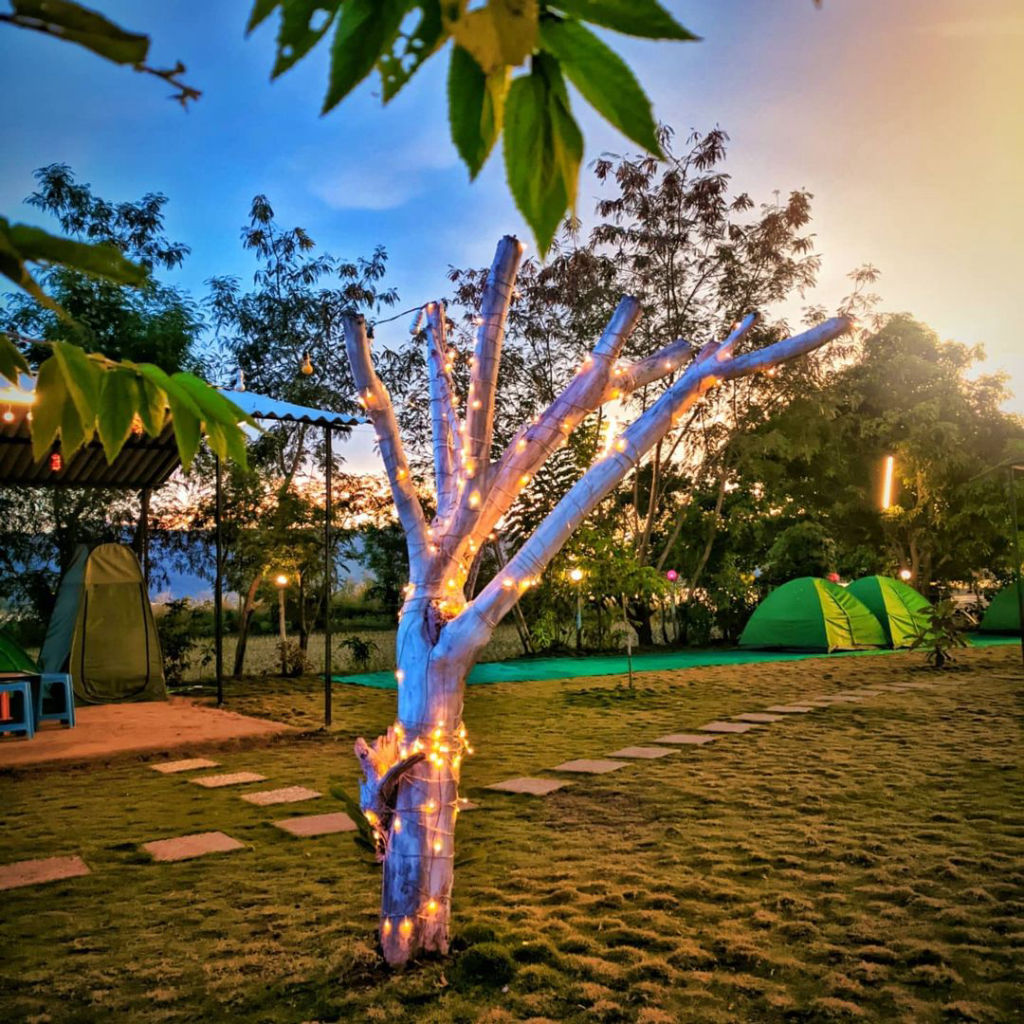
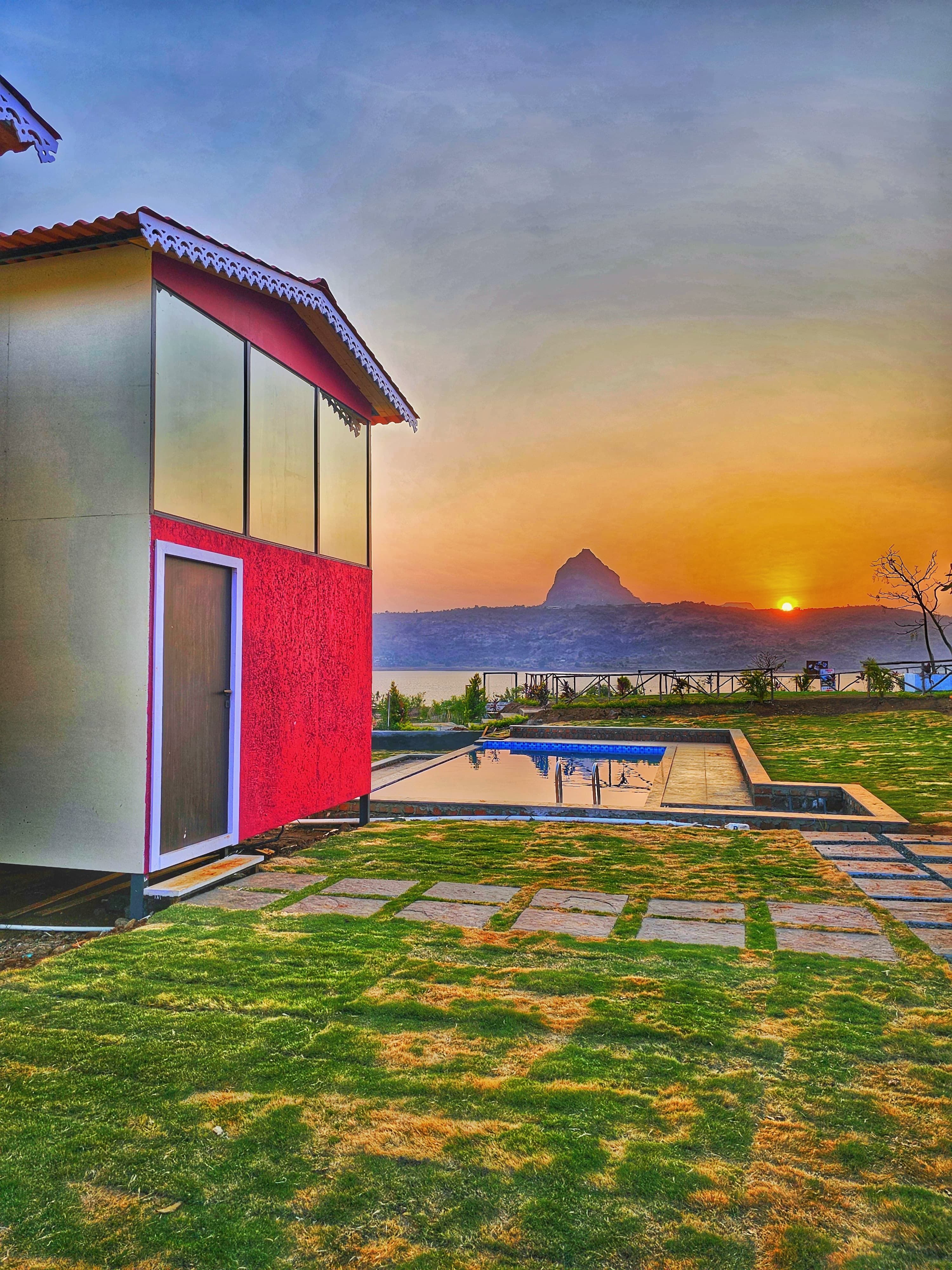
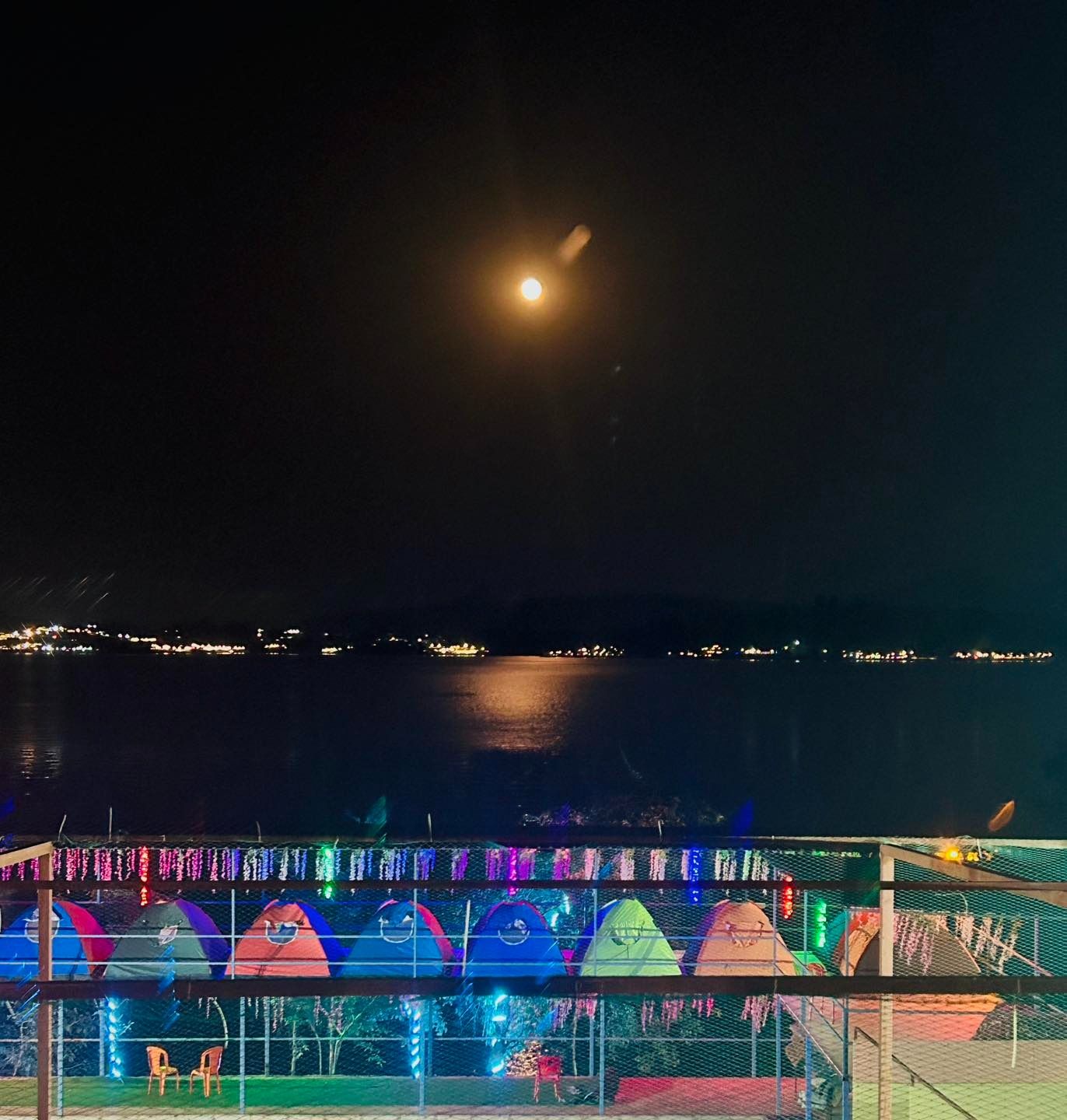
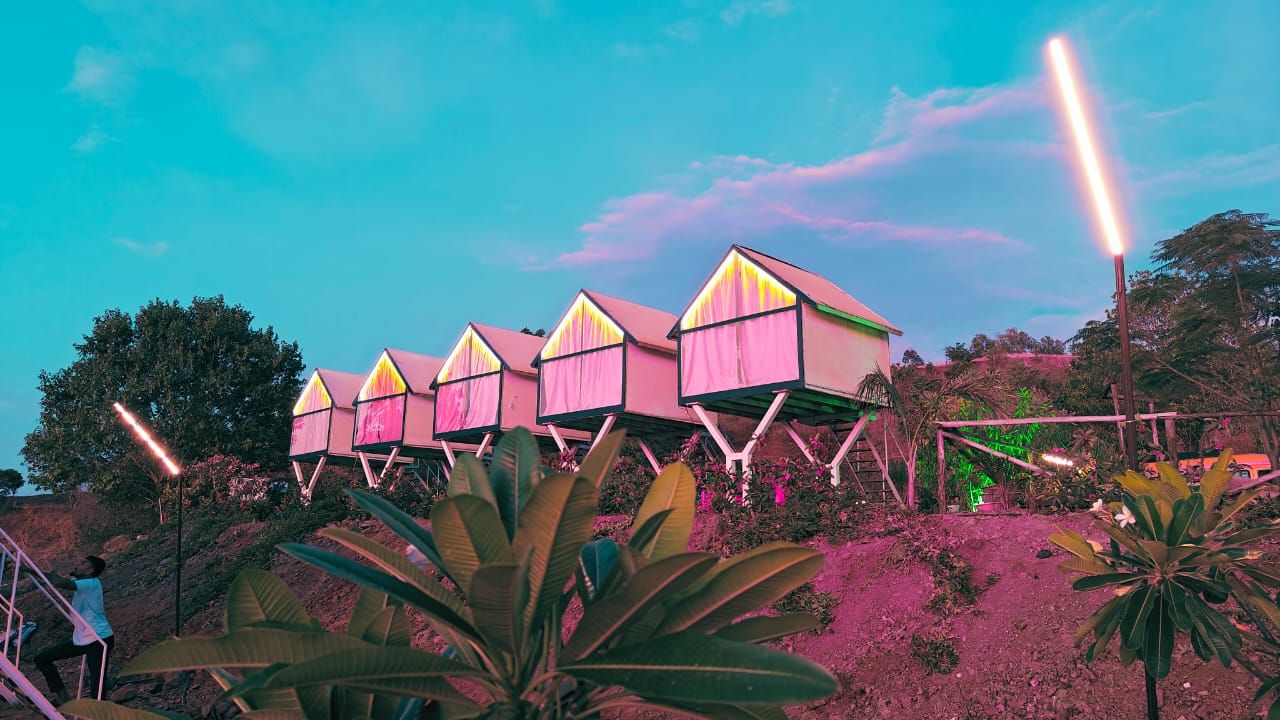
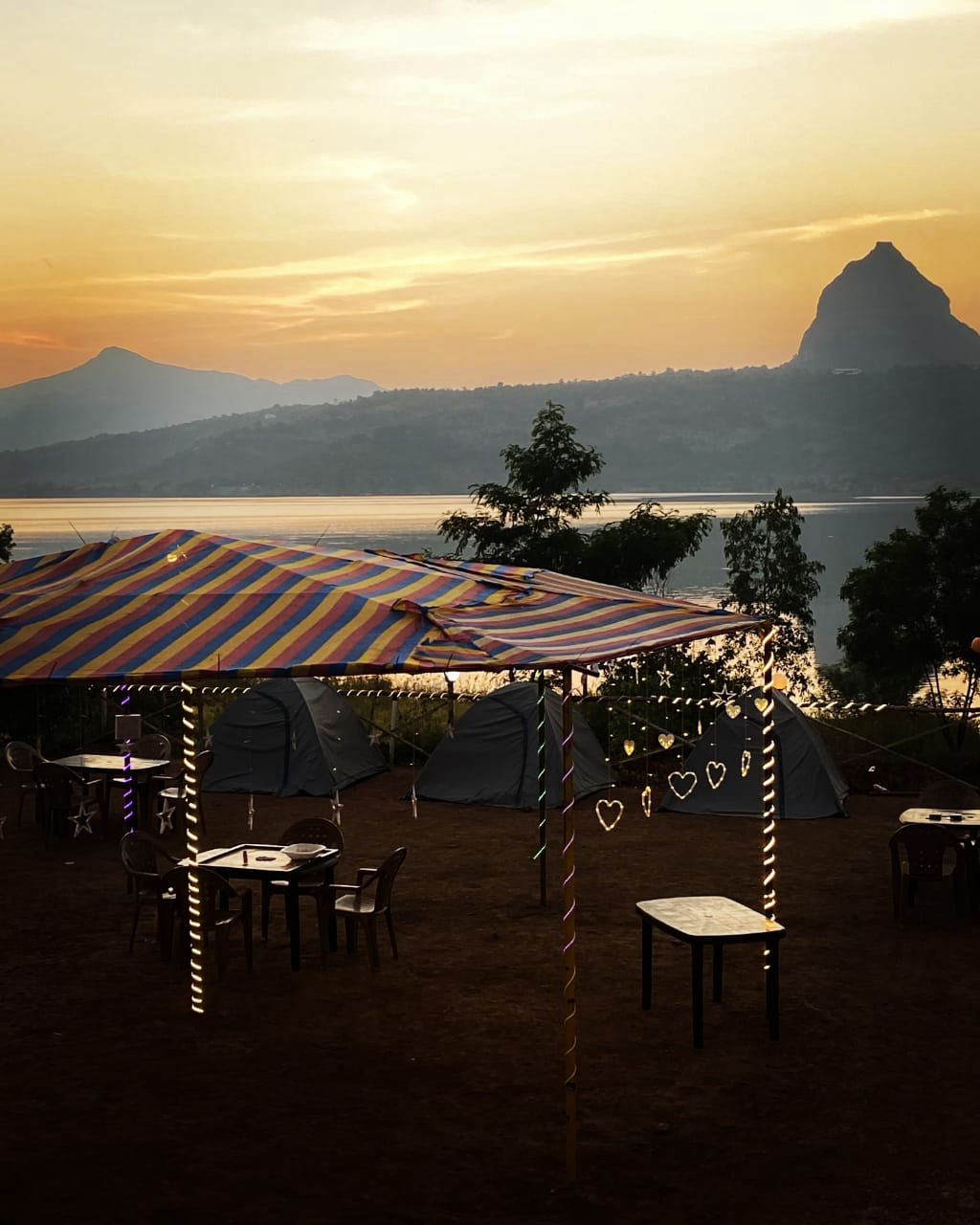
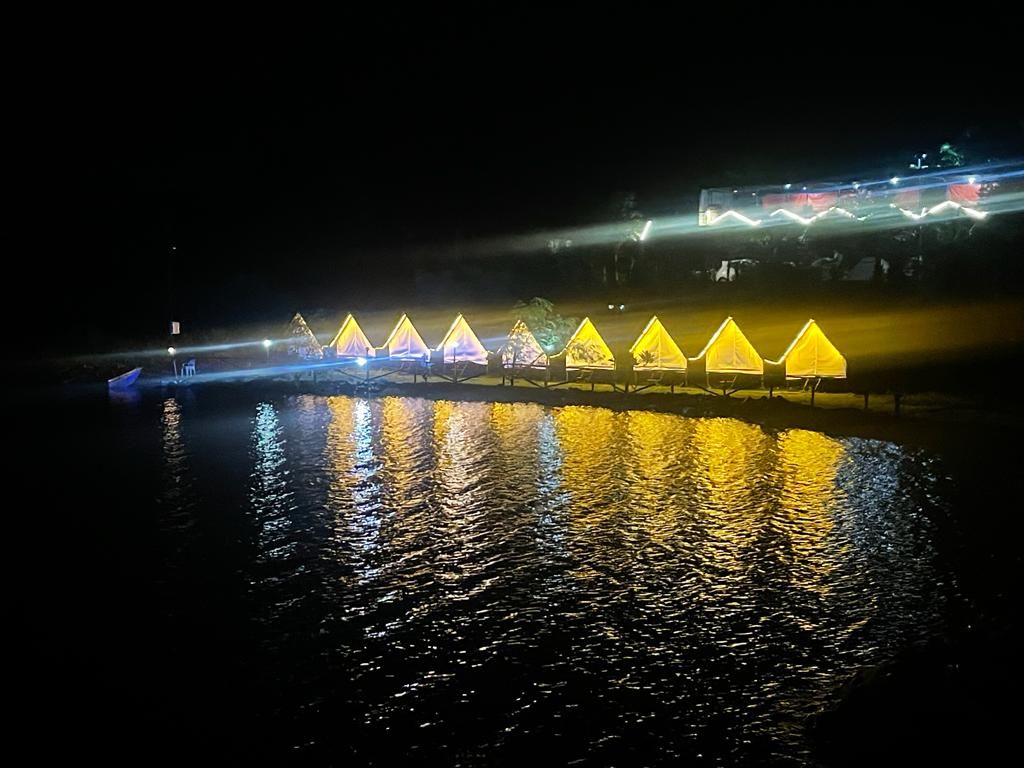
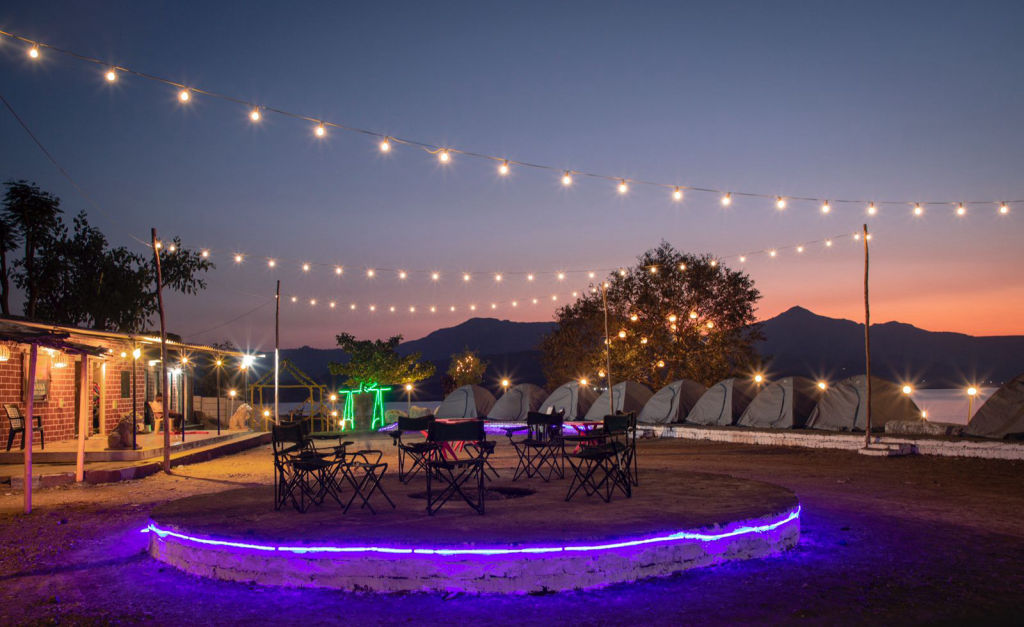
Camping along the shoreline is the most popular activity at Pawna Lake. Travellers gather here to spend nights under star-filled skies, gather around evening campfires, and wake up to morning mist drifting across the water. The wide, accessible banks provide generous open ground to sit by the water's edge, unwind with a book, or watch the sun dip behind the surrounding ridges.
Outdoor photography is exceptionally rewarding here, particularly during dawn and twilight when the water reflects shifting hues of gold and indigo against the hill outlines. Birdwatchers can often spot local kingfishers, egrets, cormorants, and seasonal migratory birds skimming the surface of the lake.
While motor boating and commercial water activities are subject to local regulations and season-dependent water levels, visitors often enjoy slow rambles along the village tracks bordering the banks, interacting with local agrarian communities, and soaking in the tranquil pace of rural life.
Read more
Historic forts and getaways nearby
The area surrounding Pawna Lake is rich in historical and natural interest. Tung Fort rises just two kilometres across from the lake, presenting a distinctive conical peak that makes for a steep and rewarding half-day trek with panoramic views across the water. Just five kilometres away sits Lohagad Fort, an imposing stronghold with well-preserved gateways and ramparts that are ideal for casual hikers and history enthusiasts alike. Visapur Fort lies approximately seven kilometres from the lake, famous for its sprawling plateau and cascading rock-cut waterfall steps during rainy months.
Beyond the forts, the broader region features numerous hill attractions. Bhushi Dam is roughly eleven kilometres away, and Lonavala Lake is around twelve kilometres distant. Culture seekers can explore the ancient rock-cut Buddhist shrines at Karla Caves, situated about thirteen kilometres to the northeast. Further outward lie the deep valleys around Kataldhar waterfall at roughly eighteen kilometres, Mulshi Lake at fourteen kilometres, the hill village of Khandala sixteen kilometres away, and the planned hill settlement of Lavasa at approximately twenty-nine kilometres.
Best time to visit Pawna Lake
Pawna Lake can be visited throughout the year, with each season offering a distinctly different landscape and atmosphere. The winter months from October to February are generally considered the best period for camping and outdoor activities. During this time, daytime temperatures remain moderate and pleasant, while nights turn pleasantly brisk and chilly, creating ideal conditions for sitting by a campfire.
The monsoon season from June to September transforms the entire catchment area into a vibrant green wonderland. Heavy rainfall fills the reservoir to capacity, and countless seasonal streams and waterfalls tumble down the nearby cliffs. While heavy showers make traditional tent camping challenging, the monsoon is the favourite season for road trips, landscape viewing, and damp, misty hill hikes.
Summer from March to May brings warmer daytime conditions, but the reservoir area remains significantly cooler in the late afternoons and evenings than the low-lying plains. Lower water levels in late summer also reveal wider stretches of shoreline for quiet walks.
How to reach Pawna Lake
Pawna Lake is well-connected by road, making it an easy driving destination from key cities in western India. From Pune, the distance is roughly 56 kilometres, a journey that typically takes around 1 hour and 40 minutes under normal traffic conditions via Kamshet or Paud road. Travellers coming from Mumbai cover approximately 116 kilometres along the Mumbai-Pune Expressway, taking around 2 hours and 10 minutes to reach the lake.
From Nashik, the drive is about 235 kilometres and usually takes around 5 hours and 30 minutes. Those travelling from Surat face a longer journey of approximately 381 kilometres, which typically requires around 8 hours of driving time. Road conditions are largely paved, though the interior country roads winding around the lake have occasional rough patches, so driving during daylight is recommended.
For those relying on public transport, the nearest major railheads are Lonavala and Kamshet, both connected by local and intercity train services from Pune and Mumbai. From either station, local private taxis or auto-rickshaws can be hired to complete the remaining distance to the lake.
Where to stay and tips for your visit
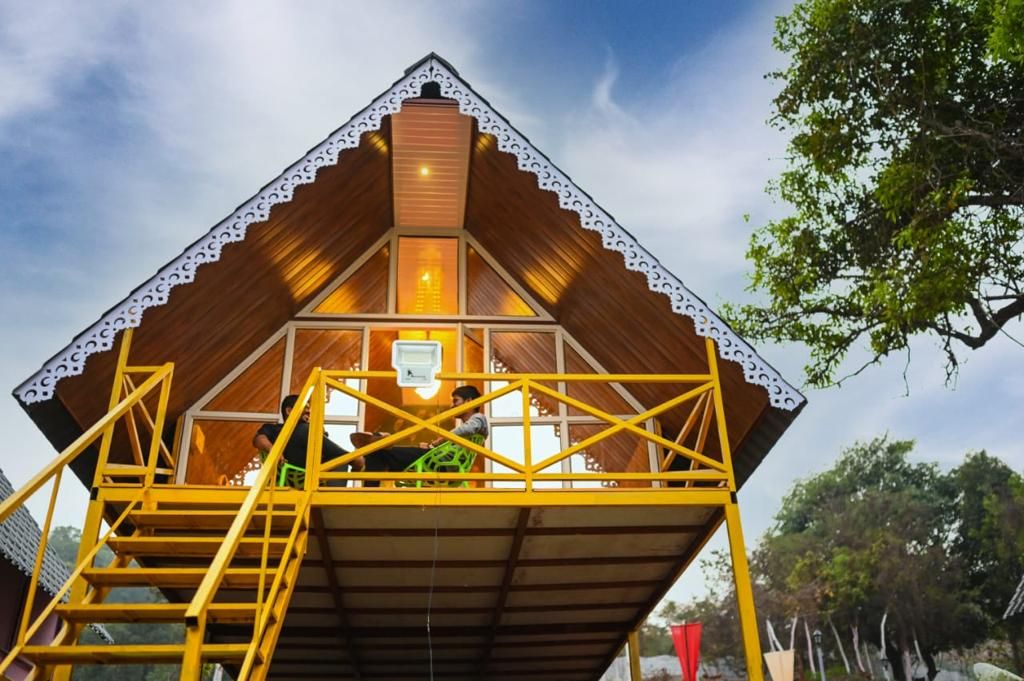
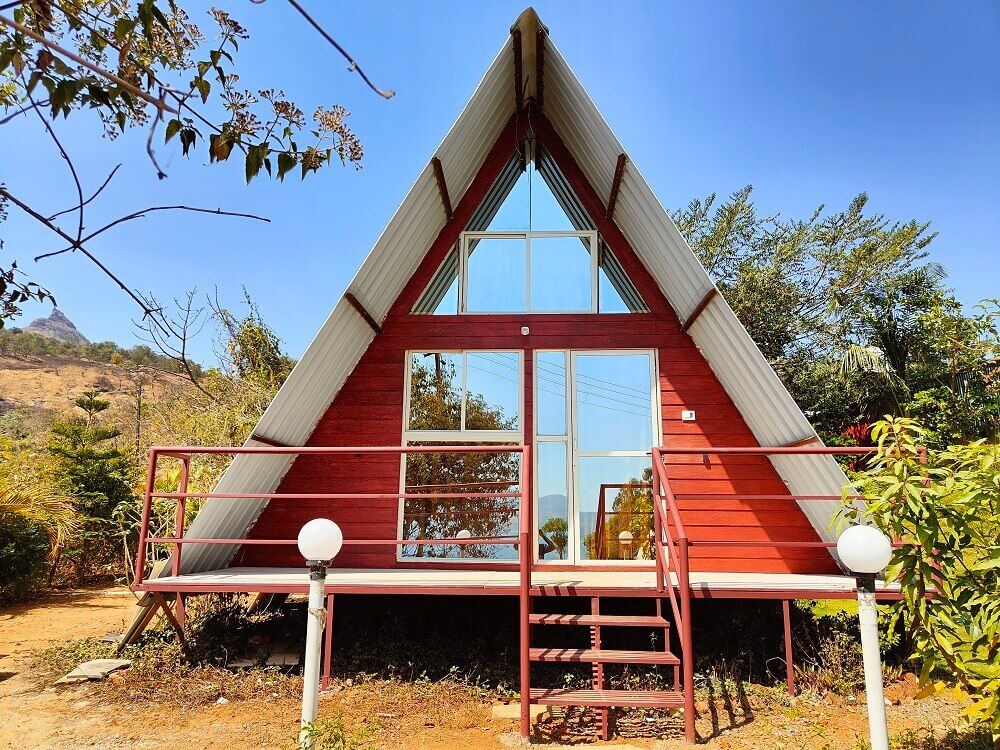
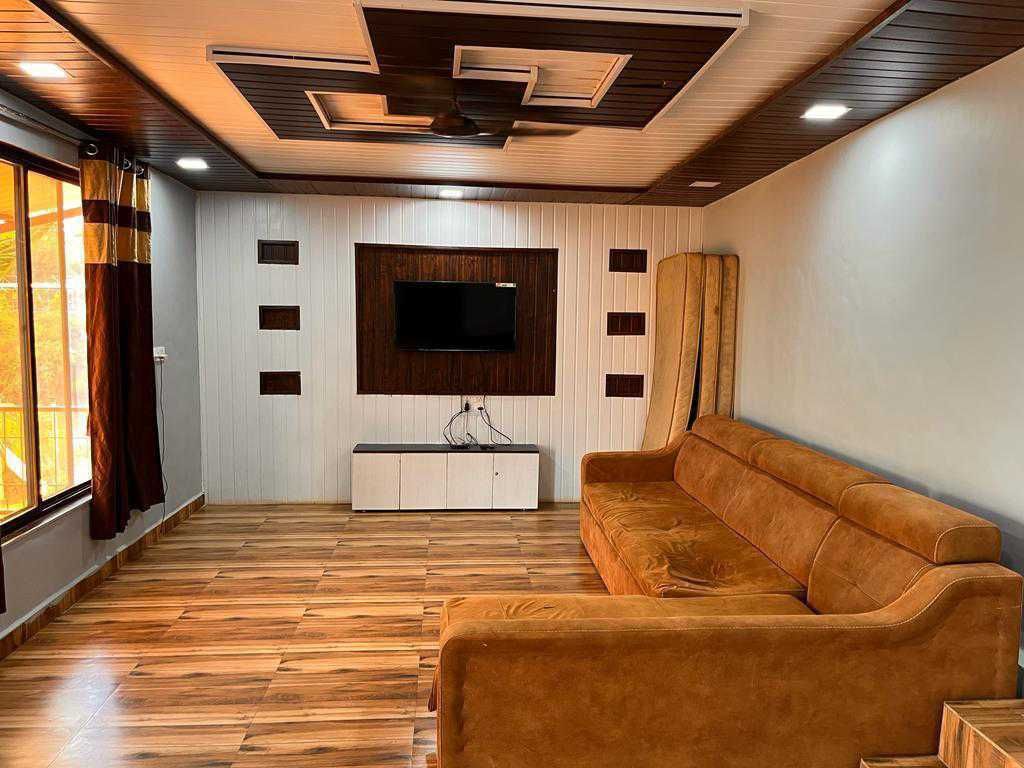
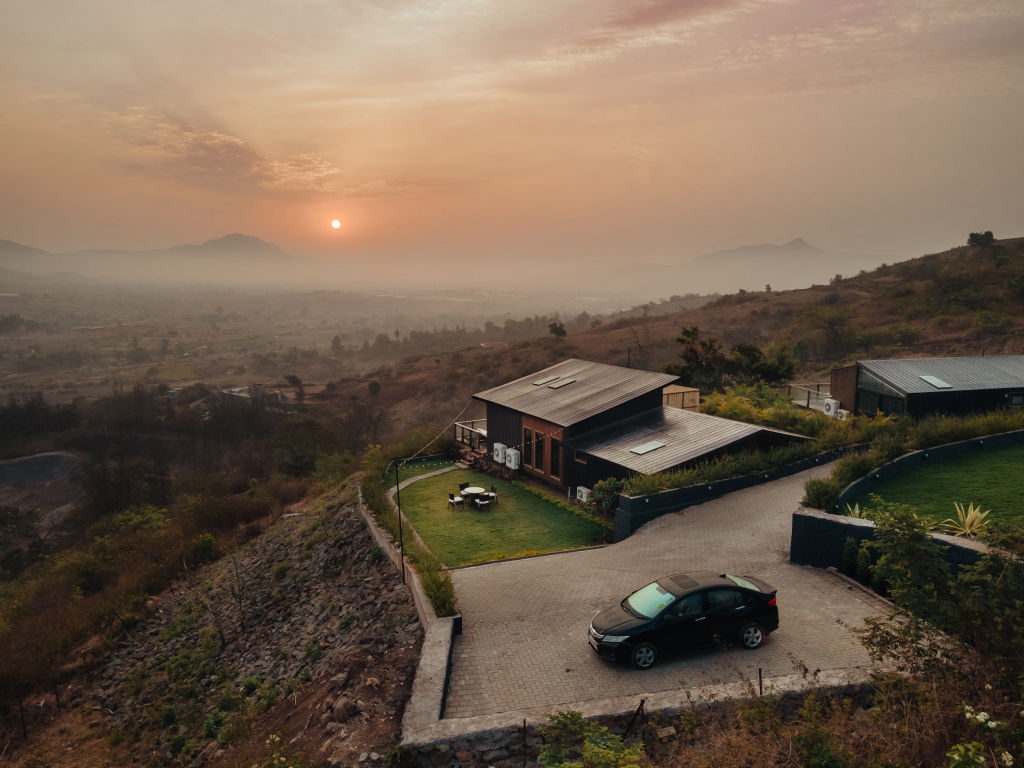
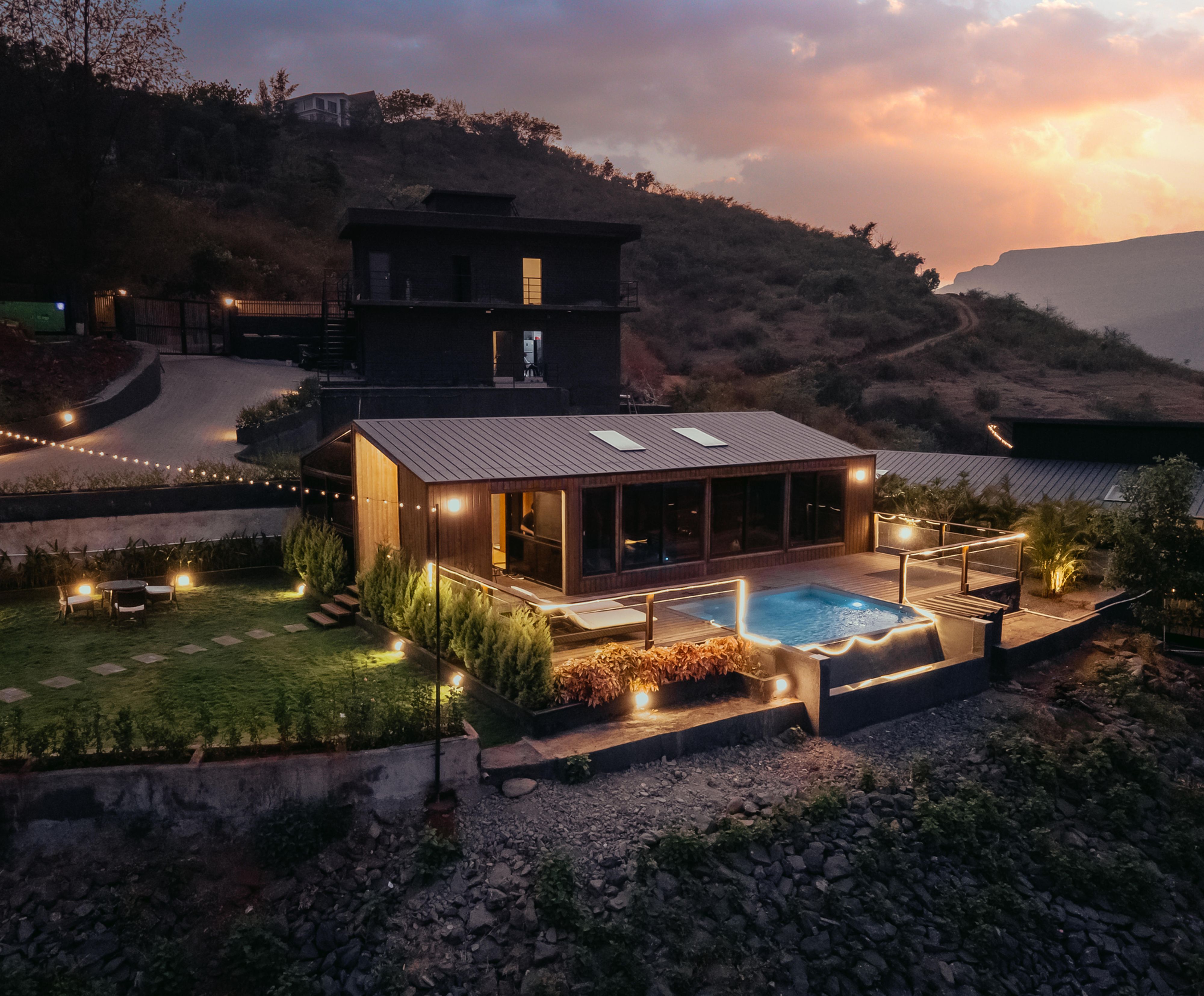
A range of rural retreats, scenic campsites, and family homestays around Pawna Lake can be discovered and reserved on HireACamp. Choosing an overnight stay right on the lakeside allows you to experience the quietest hours of dawn and dusk, far away from day-tripper traffic.
When packing for a trip to the lake, bring sturdy walking shoes if you plan to explore the trails or scramble up Tung and Lohagad forts. Even in the warmer months, carrying a light windcheater or sweater is advisable, as lakeside winds can turn cool after dark. In winter, warm layers and a fleece jacket are essential.
Carry adequate cash for local transactions, as digital payment networks can be intermittent along rural stretches of the shoreline. If you plan to hike the nearby fort routes, carry your own water supply and avoid littering along the trails to help protect the fragile Western Ghats ecology.
Frequently asked questions
How far is Pawna Lake from Mumbai and Pune?
Pawna Lake is approximately 56 kilometres from Pune, which typically takes around 1 hour and 40 minutes to drive. From Mumbai, it is roughly 116 kilometres away, taking about 2 hours and 10 minutes under normal traffic conditions.
Which hill forts are located closest to Pawna Lake?
Tung Fort is the closest, located just 2 kilometres from the lake. Lohagad Fort is about 5 kilometres away, and Visapur Fort lies roughly 7 kilometres from the reservoir.
What is the best time of year to visit Pawna Lake?
The winter months from October to February are the most comfortable for camping, stargazing, and daytime exploring. The monsoon season from June to September is ideal for travellers who enjoy lush green scenery, cloudy skies, and full water levels.
Can I reach Pawna Lake using public transport?
You can take a train to Lonavala or Kamshet railway station, which are the closest railheads. From there, local private cabs or auto-rickshaws can be hired to reach the lake.
Where can I find accommodation near Pawna Lake?
Lakeside camping options, nature stays, and local homestays around Pawna Lake can be found and booked directly on HireACamp.
Where you'll be
12 stays nearby shown with prices
Stays near Pawna Lake
Book a place to stay close by
Things to do in Pawna Lake
48 places creators recommend within 30 km


Lists for this area
Ranked by how many creators recommend each place


Built from 0 Instagram posts by 0 creators. Every tip links back to the post it came from, and where creators disagree we show both sides.


