
Periyar Lake
Lake near Kumily, Kerala
9.3 km from Kumily
The nearest town, for stays, food and fuel.
Periyar Lake is a tranquil reservoir set deep within the forested hills of Periyar National Park near Kumily, Kerala. Formed by the historic Mullaperiyar Dam, the water body meanders through dense evergreen and moist deciduous woods, serving as a primary lifeline for native fauna. Travellers visit primarily for boat safaris that offer rare chances to observe herds of wild elephants, gaurs, and varied birdlife gathered along the water's edge.
Getting there
By road
- From KumilyNearest town8 min · 3.8 km
- From Madurai3 hr · 144 km
- From Kochi3 hr 45 min · 170 km
- From Thiruvananthapuram4 hr 55 min · 211 km
Typical drive times without traffic. Stations and airports from OLA Maps; distances and typical drive times from OpenStreetMap (© OpenStreetMap contributors); notes from creators' Reels.
About Periyar Lake
Written with AI from map data and general knowledge. Check prices and timings locally before you go.
About Periyar Lake and its landscape
Periyar Lake was created in the late nineteenth century with the construction of the Mullaperiyar Dam across the Periyar River. Rather than forming a uniform basin, the rising waters flooded an intricate web of valleys and ridges, creating a sprawling, dendritic reservoir that weaves through dense Western Ghats jungle. Today, it forms the core of the Periyar Tiger Reserve, one of the most prominent protected wildlife habitats in southern India.
One of the most distinctive visual characteristics of Periyar Lake is the presence of ancient tree trunks standing starkly above the water surface. These submerged relics are remnants of the pristine forest that stood before the valley was inundated. Surrounded by forested slopes that rise sharply from the waterline, the lake creates an idyllic environment where terrestrial wildlife frequently ventures down to drink, graze, and bathe.
Wildlife sightings along the water
Because dense undergrowth makes land-based tracking challenging in the Western Ghats, Periyar Lake provides one of the best viewpoints for spotting regional wildlife. The edges of the reservoir are magnets for large herbivores, most notably the Asian elephant. Groups of wild elephants, often including calves, can frequently be seen swimming across inlets or foraging on lush reed beds along the banks.
In addition to elephants, the lake shores attract sizable herds of Indian bison, known locally as gaur, alongside sambar deer and wild boars. Troops of Nilgiri langurs and bonnet macaques are often spotted moving through the high tree canopy overlooking the water. Aquatic life is equally diverse; smooth-coated otters are regular visitors to quieter bays, while the lake supports water birds like the darter, great cormorant, kingfishers, and the white-bellied sea eagle.
Read more
Best time to visit Periyar Lake
The climate around Periyar Lake is moderate and tropical, shaped heavily by the southwest and northeast monsoons. The post-monsoon and winter months, spanning October through February, are widely considered the most comfortable time to visit. Temperatures are cool, the morning mist hangs over the water, and the surrounding canopy is a rich, vibrant green.
If wildlife tracking is your primary goal, the summer period between March and May presents prime viewing opportunities. As natural streams inside the interior forests dry up under rising temperatures, larger numbers of animals are compelled to visit the reservoir multiple times a day. For those interested in landscape photography and dramatic cloud cover, the monsoon months of June through September transform the lake into a rain-washed expanse, though boat trips are subject to prevailing weather conditions.
How to reach Periyar Lake
Periyar Lake is accessed via Kumily, a border town located roughly four kilometres from Thekkady and the sanctuary boundary. Kumily sits at the junction of major mountain roads connecting Kerala to Tamil Nadu and is well served by regular state transport buses from nearby cities. Local taxis and autorickshaws connect Kumily directly to the forest entry gates and the boat landing point.
The nearest railway stations are at Kottayam, situated roughly one hundred kilometres to the west, and Madurai in Tamil Nadu, about one hundred and forty kilometres to the east. For air travellers, the closest airports are Madurai International Airport and Cochin International Airport. Both routes involve scenic uphill drives through winding ghat passes lined with rubber estates, tea terraces, and spice gardens.
Things to do around Periyar Lake
The primary activity on the lake is cruising via forest department passenger boats that depart from the main jetty. These trips run on fixed schedules and offer a quiet vantage point to scan the shorelines for movement without encroaching on terrestrial animal corridors. Bamboo rafting expeditions are also conducted in quieter reaches of the reservoir, combining flat-water paddling with guided foot treks along designated forest trails.
Beyond the reservoir itself, the region around Thekkady and Kumily is known for its spice trade. Visiting cardamom, pepper, and cinnamon gardens gives a deeper understanding of local agrarian culture. Travellers interested in high-altitude scenery can also organize trips to higher ranges such as Meghamalai or viewpoints like Maharaja Mettu, which look out across dramatic escarpments into the neighboring plains.
Tips for your visit
A visit to Periyar Lake requires adherence to strict conservation rules, as the reservoir lies inside an active tiger reserve. Wear clothing in muted, earthy tones such as khaki, olive, or brown to blend into the wilderness. Avoid bright colours that can disturb wildlife. Carrying a pair of binoculars and a camera with a telephoto lens is strongly recommended, as boat regulations keep vessels at a safe, respectful distance from animals grazing along the banks.
Keep noise to an absolute minimum while on the water. Animals are exceptionally sensitive to human voices, and a quiet cruise drastically increases the chances of a close sighting. Single-use plastics are strictly prohibited inside the sanctuary; bring reusable water containers. Because ticket queues for boat rides can be lengthy, especially during weekends and festive seasons, check locally with park authorities to confirm safari timings and permit details in advance.
Where to stay near Periyar Lake
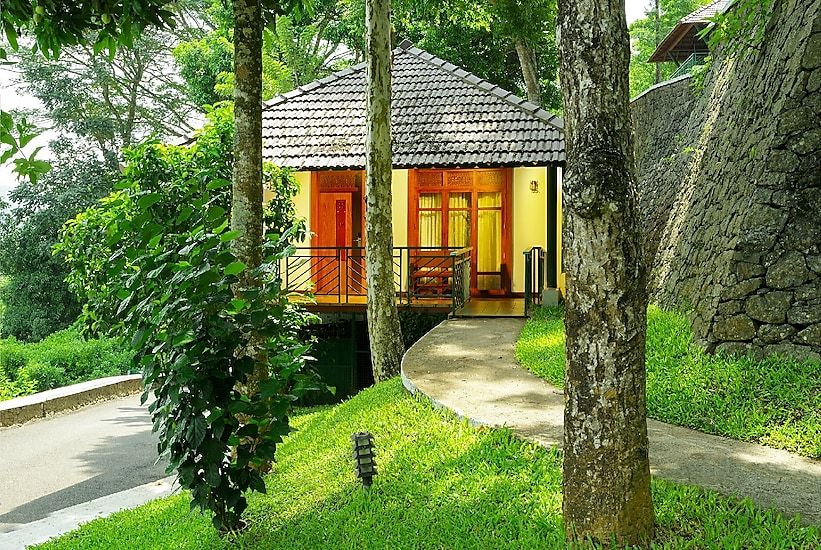
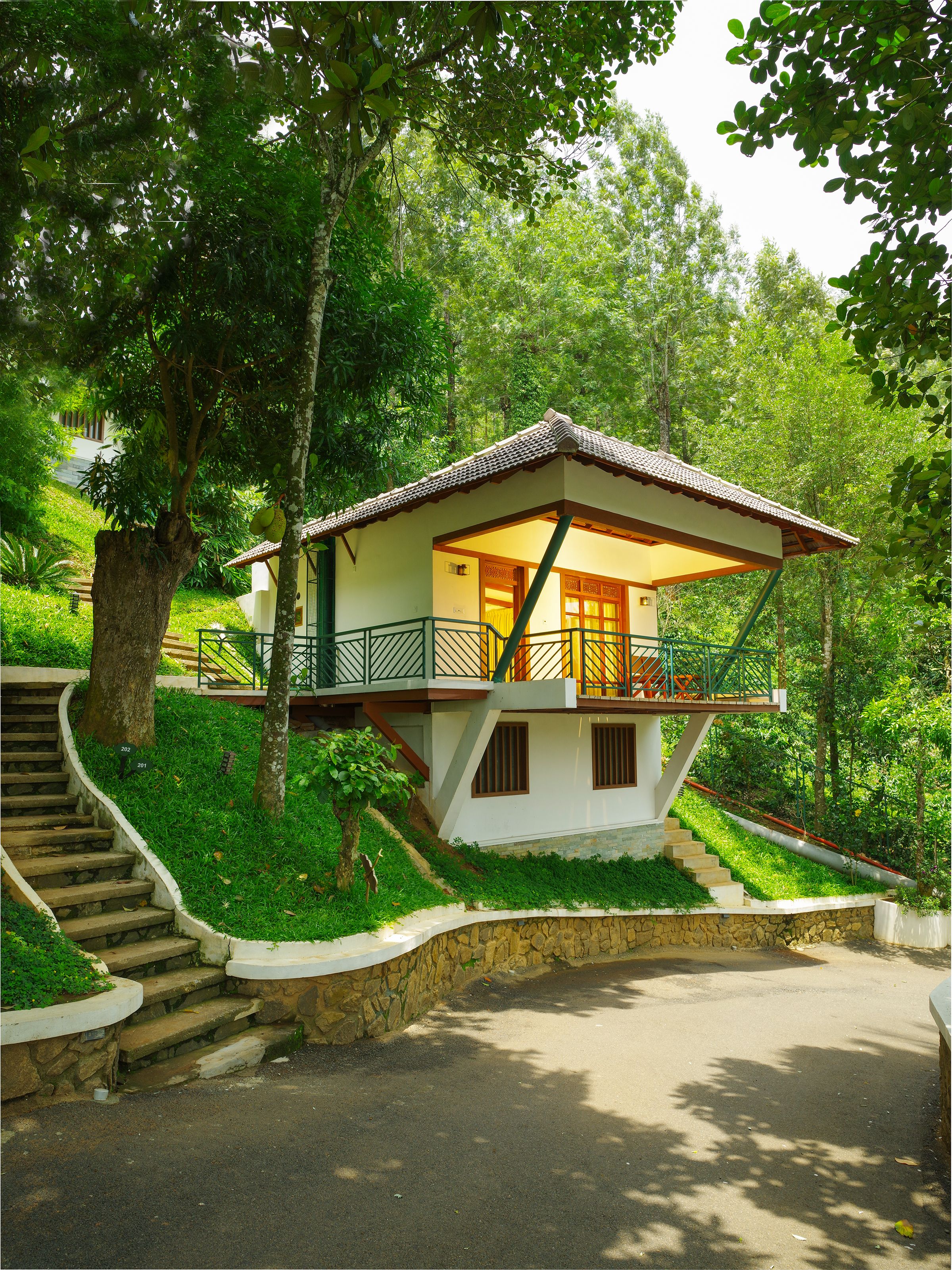
Staying near the sanctuary allows you to reach the early morning boat departures without rushing. You will find a wide variety of homestays, plantation bungalows, and outdoor camps around Kumily and Thekkady listed on HireACamp. These properties often sit within quiet spice orchards or near the fringes of the reserve, letting you enjoy the sounds of the forest after sundown.
Frequently asked questions
Can you take a boat ride on Periyar Lake?
Yes, passenger boat cruises operate on Periyar Lake and are managed by the forest authorities. These safaris carry visitors across designated routes on the reservoir to observe wildlife along the banks.
What animals can be spotted near the lake?
Visitors frequently spot Asian elephants, gaur, sambar deer, wild boars, and smooth-coated otters. The area is also home to a large population of water birds such as darters, egrets, and cormorants.
Which town is closest to Periyar Lake?
Kumily is the closest town, situated just outside the sanctuary entrance and serving as the primary commercial hub for food, transit, and logistics.
What is the best time of year to see elephants at Periyar Lake?
The warmer summer months from March to May offer the highest likelihood of seeing elephant herds, as dry conditions in the forest interior drive them down to the lake for water.
Is plastic allowed inside the Periyar Lake area?
No, Periyar Tiger Reserve is an eco-sensitive zone with a strict zero-plastic policy. Travellers are required to carry reusable water bottles and refrain from carrying disposable packaging.
Where you'll be
Kerala · 2 stays nearby shown with prices
Stays near Periyar Lake
Book a place to stay close by
More places near Periyar Lake
Within 20 km


Built from 0 Instagram posts by 0 creators. Every tip links back to the post it came from, and where creators disagree we show both sides.






