
Punigiri
Destination in Andhra Pradesh
Punigiri, widely known as Punyagiri, is a quiet pilgrim locality nestled in the verdant foothills of the Eastern Ghats in northern Andhra Pradesh. Best known for its ancient hill temple dedicated to Lord Shiva and its natural underground springs, it draws both spiritual pilgrims and travellers seeking solace in nature. Its location near Srungavarapukota also makes it a peaceful gateway to the scenic landscapes, reservoirs, and mountain passes leading up toward the Araku Valley.
Getting there
By road
- From Visakhapatnam1 hr 30 min · 56 km
Typical drive times without traffic. Stations and airports from OLA Maps; distances and typical drive times from OpenStreetMap (© OpenStreetMap contributors); notes from creators' Reels.
About Punigiri
Written with AI from map data and general knowledge. Check prices and timings locally before you go.
About Punigiri
Punigiri sits against the forested backdrop of the Eastern Ghats in Andhra Pradesh, where the coastal plains rise gently toward the elevated plateau of the agency tracks. The area has long held spiritual significance in the region, particularly due to the Sri Uma Kotilingeswara Swamy shrine situated atop the local hillock. According to local lore, the hill has been a place of meditation and worship for centuries, with thousands of miniature Shiva lingams carved across the rock surface.
The defining natural feature of Punigiri is the subterranean water channel that flows through the rocky fissures. A perennial stream gently cascades over the central shrine before flowing down the hill, giving the destination a cool, soothing microclimate even when the surrounding plains are warm. The hillock is covered in native deciduous vegetation, mango orchards, and rocky outcrops, offering visitors a calm retreat from urban bustle.
Things to see and do in Punigiri
The primary experience in Punigiri is ascending the stone steps leading up the sacred hill. The climb takes travellers through shaded forest canopies and rocky stairs, with scenic views of the surrounding agrarian valleys opening up as you gain altitude. Reaching the main shrine rewards visitors with the sight of natural springs continuously trickling over sacred stone formations, known locally as the Dhara.
Beyond the temple complex, wandering through the foothills reveals traditional rural life. The surrounding village paths pass by small agricultural holdings, coconut groves, and grazing pastures. Photography enthusiasts will find picturesque vistas of the craggy hills of the Eastern Ghats, especially during early morning and late afternoon when soft sunlight highlights the misty contours of the landscape.
Read more
Places to visit around Punigiri
Punigiri makes an excellent base or midpoint for exploring a wealth of natural attractions tucked into the surrounding mountains and valleys. Located just about 10 kilometres away is Thatipudi Reservoir, a scenic water body enclosed by emerald hills. The dam site is an ideal spot for an afternoon drive, offering serene waterside panoramas and tranquil breezes.
Heading further into the Ghats along the winding hill roads leads to the famed Borra Caves, situated roughly 21 kilometres away. These ancient limestone karst formations feature striking stalactite and stalagmite structures hollowed out by the Gosthani River. In the same general vicinity, around 23 kilometres from Punigiri, the scenic Katiki Waterfalls tumble down forested mountain faces, requiring a short trek through local trails.
Travellers interested in viewpoints can head up to Galikonda View Point, located approximately 23 kilometres away, which affords sweeping views across the mist-shrouded valleys of the Araku region. For those with extra time, the lush coffee plantations, tribal culture centres, and botanical gardens of Araku Valley lie just beyond, making a comprehensive day circuit easy to organize.
Best time to visit Punigiri
The ideal time to visit Punigiri is during the post-monsoon and winter months, spanning from October through February. During this period, the Eastern Ghats remain lush and green, and daytime temperatures stay pleasantly moderate, making the climb up the hill comfortable. The natural water springs flow briskly during these months, adding to the beauty of the sacred site.
The festival of Mahashivratri, typically occurring in late winter between February and March, is the most eventful time at Punigiri. Thousands of devotees from neighboring districts gather for night-long vigils, special pujas, and fairground celebrations. While the festival offers a deep glimpse into local religious culture, those seeking peace and quiet may prefer visiting outside of major festival weeks.
Summers from March to May can be quite warm and humid, with elevated daytime temperatures that make outdoor trekking strenuous. The monsoon season from June to September brings heavy rains and refreshed greenery, though visitors should exercise caution on stone pathways, which can become slippery when wet.
How to reach Punigiri
Punigiri is easily accessible by road from major cities in coastal Andhra Pradesh. The nearest prominent hub is Visakhapatnam, situated roughly 60 to 70 kilometres away depending on the route chosen. The historical town of Vizianagaram is also nearby, located approximately 40 kilometres to the east. The closest town with comprehensive civic services is Srungavarapukota, often abbreviated as S.Kota, which lies just a few kilometres from the foot of Punigiri hill.
Travellers arriving by air can fly into Visakhapatnam International Airport, which operates frequent flights from major Indian metropolitan centers. From the airport, one can hire a private taxi or take a state transport bus toward S.Kota and proceed onward by local auto-rickshaw.
For train journeys, both Visakhapatnam Junction and Vizianagaram Junction serve as major railheads connecting the region with the rest of the country. Local passenger and express trains on the scenic Kothavalasa-Kirandul rail line also run through the region, stopping at nearby intermediate stations. Road journeys by private car, taxi, or local bus via state highways are the most flexible way to visit Punigiri and its neighboring viewpoints.
Practical tips for your visit
Because visiting the shrine involves climbing flights of stone stairs, comfortable walking shoes or footwear that is easy to remove before entering temple courtyards are highly recommended. Dressing modestly is respectful of the local customs and religious setting of the village.
Carrying an adequate supply of drinking water and sun protection, such as a hat and sunscreen, is advisable, especially if you plan to visit in the middle of the day. There are small village stalls near the base offering fresh tender coconut water and light refreshments, but comprehensive dining options are best sought in nearby towns like Srungavarapukota or along the highway.
Keep an eye on personal belongings and avoid carrying open food items around the hill pathway, as resident troop monkeys frequent the area. Lastly, remember to carry cash for small purchases, as network connectivity can occasionally be patchy at the foothills.
Where to stay near Punigiri
Punigiri itself is a quiet, small settlement with limited commercial lodging directly at the base of the hill, making it primarily a day-visit destination for many travellers. However, the surrounding valley and the picturesque approaches toward the Araku hill range offer a variety of peaceful stay possibilities.
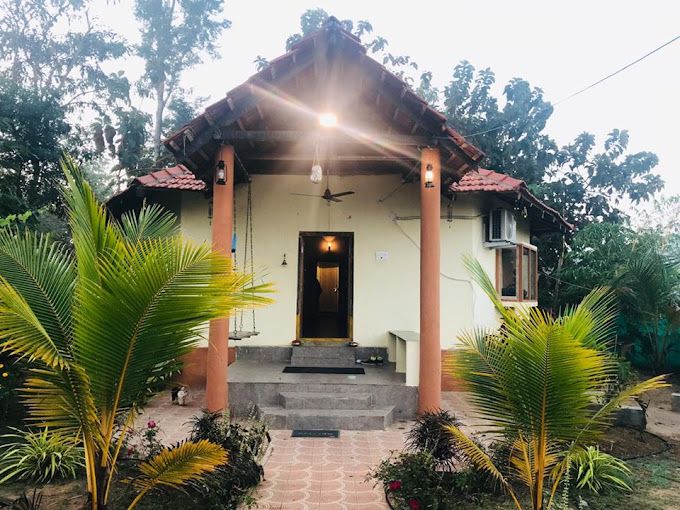
Travellers who wish to immerse themselves in the surrounding mountain scenery can find nature stays, scenic camps, and welcoming homestays listed on HireACamp. Staying in the nearby rural belts or the foothills gives you the opportunity to experience tranquil sunrises, star-lit rural evenings, and easy access to both Thatipudi Reservoir and the higher ghat roads.
Frequently asked questions
What is Punigiri famous for?
Punigiri is famous for its hilltop Shiva shrine, Sri Uma Kotilingeswara Swamy temple, featuring thousands of carved rock lingams and a natural underground spring that flows continuously over the deities.
How far is Punigiri from Thatipudi Reservoir?
Thatipudi Reservoir is located approximately 10 kilometres from Punigiri, making it an easy and scenic side trip for a picnic or lake view.
Is trekking required to visit the Punigiri temple?
Yes, visitors need to climb a moderate flight of stone steps from the base to reach the upper shrine on the hill, which takes around 20 to 30 minutes at a leisurely pace.
Can Punigiri be covered in a day trip from Visakhapatnam?
Yes, Punigiri can comfortably be visited on a day trip from Visakhapatnam, often combined with stops at Thatipudi Reservoir or nearby attractions in the Eastern Ghats.
Where you'll be
3 stays nearby shown with prices
Stays near Punigiri
Book a place to stay close by


Things to do in Punigiri
33 places creators recommend within 30 km


Lists for this area
Ranked by how many creators recommend each place

Built from 0 Instagram posts by 0 creators. Every tip links back to the post it came from, and where creators disagree we show both sides.






