
Raghupur Fort
Ruins near Shoja, Himachal Pradesh
700 m from Shoja
The nearest town, for stays, food and fuel.
Raghupur Fort is a historic ruined fortress perched on a high mountain ridge near Jalori Pass in the Banjar region of Himachal Pradesh. Surrounded by dense oak forests and sweeping alpine meadows, it draws trekkers and nature lovers seeking panoramic views of the surrounding Himalayan ranges. The trek to the ruins offers a scenic walk through changing landscapes, making it one of the most rewarding day hikes in the area.
Getting there
By road
- From ShojaNearest town3 min · 2.3 km
- From Chandigarh4 hr 45 min · 221 km
- From Ludhiana5 hr 20 min · 261 km
- From Amritsar7 hr 20 min · 372 km
Typical drive times without traffic. Stations and airports from OLA Maps; distances and typical drive times from OpenStreetMap (© OpenStreetMap contributors); notes from creators' Reels.
About Raghupur Fort
Written with AI from map data and general knowledge. Check prices and timings locally before you go.
About Raghupur Fort
Raghupur Fort, locally known as Raghupur Garh, sits atop an exposed mountain ridge high above the Tirthan and Seraj valleys. Believed to have been constructed centuries ago by regional rulers to guard their territory against invasions from neighbouring kingdoms, the structure today stands mostly in ruins. While little remains of its original interior rooms, the weathered stone outer walls, gateways, and trenches give visitors a glimpse into its strategic military past.
The main appeal of visiting Raghupur Fort lies in its spectacular natural setting. As you reach the fort site, the enclosed forest trail opens abruptly into an expansive alpine meadow carpeted with wild grasses and seasonal mountain flowers. From the perimeter walls of the ruins, you can take in unbroken 360-degree vistas of the Pir Panjal, Dhauladhar, and Greater Himalayan peaks on clear days.
The Trek to Raghupur Fort
The journey to Raghupur Fort typically begins near Jalori Pass, which serves as the primary roadhead and trail starting point. The trail covers a distance of roughly three kilometres each way, ascending steadily along a ridgeline. Because the route begins at an already elevated altitude at the pass, the climb requires a moderate degree of physical effort, though it remains well within reach for beginners and active families.
The initial phase of the walk leads travellers under a dense canopy of ancient oak, pine, and rhododendron trees. During the warmer months, the shaded path provides cool respite from the sun, with birdsong echoing through the quiet woods. As you approach the final stretch of the walk, the forest gives way to undulating high-altitude meadows. The trail steepens slightly as it climbs the final knoll towards the fort walls, rewarding walkers with sweeping views down into the valleys below.
Read more
Best Time to Visit Raghupur Fort
The experience at Raghupur Fort shifts noticeably across the seasons. Spring and summer, stretching from April to June, offer the most comfortable weather for trekking. In April and May, the rhododendron trees along the forest trail burst into vibrant red and pink blooms. Day temperatures during these months remain mild and pleasant, making the walk enjoyable, though mornings and evenings can still feel chilly.
Autumn, particularly September to November, is another fantastic time to hike up to Raghupur Fort. Once the monsoon clouds clear, the post-monsoon atmosphere provides crisp air and some of the sharpest mountain views of the year. The meadows turn golden brown, and the snowy peaks in the distance stand out starkly against deep blue skies. Winter brings heavy snowfall to the ridge, often closing Jalori Pass to vehicular traffic and turning the trail into a deep snow trek suited only for prepared hikers.
How to Reach Raghupur Fort
Raghupur Fort is accessed from Jalori Pass, which connects the Kullu and Shimla districts. The nearest major settlement is Banjar, while travellers frequently base themselves in nearby hamlets like Jibhi, Gushaini, or Shoja. To reach the region by road, travellers can drive or take state transport buses running along the Chandigarh-Manali highway, turning off near Aut towards Banjar.
From Banjar, local transport and shared taxis make the winding uphill journey via Jibhi and Shoja to reach Jalori Pass. The mountain road is narrow and steep, so careful driving is essential, especially around the hairpin turns approaching the pass. The hike to Raghupur Fort begins right off the pass road, where a dirt trail splits off into the forest towards the fort ridge.
Tips for Hiking Raghupur Fort
Because Raghupur Fort sits at high altitude, weather conditions can shift rapidly without warning. It is sensible to start your hike early in the day to take advantage of clear morning skies and ensure you return well before sunset. Carrying a sturdy water bottle and light snacks is recommended, as there are no established shops or food stalls once you leave the pass trailhead.
Wear comfortable walking shoes with reliable grip to handle loose stones and muddy patches in the forest. Dress in layers that you can easily put on or take off, because the shaded woods can feel cool while the exposed ridge at the top can be windy and sunny. Always remember to practice responsible travel by packing out all your trash, including food wrappers and plastic bottles, to protect this fragile alpine environment.
Places to Visit Near Raghupur Fort
A trip to Raghupur Fort can easily be combined with other scenic spots in the Banjar and Seraj valleys. Jalori Pass itself is a prominent viewpoint and geographic marker between mountain regions. Another classic trek branching from the pass leads in the opposite direction towards Serolsar Lake, a serene holy water body tucked among sacred deodar forests.
Further down the valley, the Tirthan Valley offers peaceful riverside walks and access to the Great Himalayan National Park. Cultural and spiritual travellers can explore historical temples such as Magru Mahadev Temple, Shamshar Mahadev Temple, and Shangchul Mahadev Temple. The wide green pastures of Shangarh valley and the rural backdrops of Gadagushaini also make wonderful day-trip extensions for anyone spending a few days in the area.
Where to Stay near Raghupur Fort
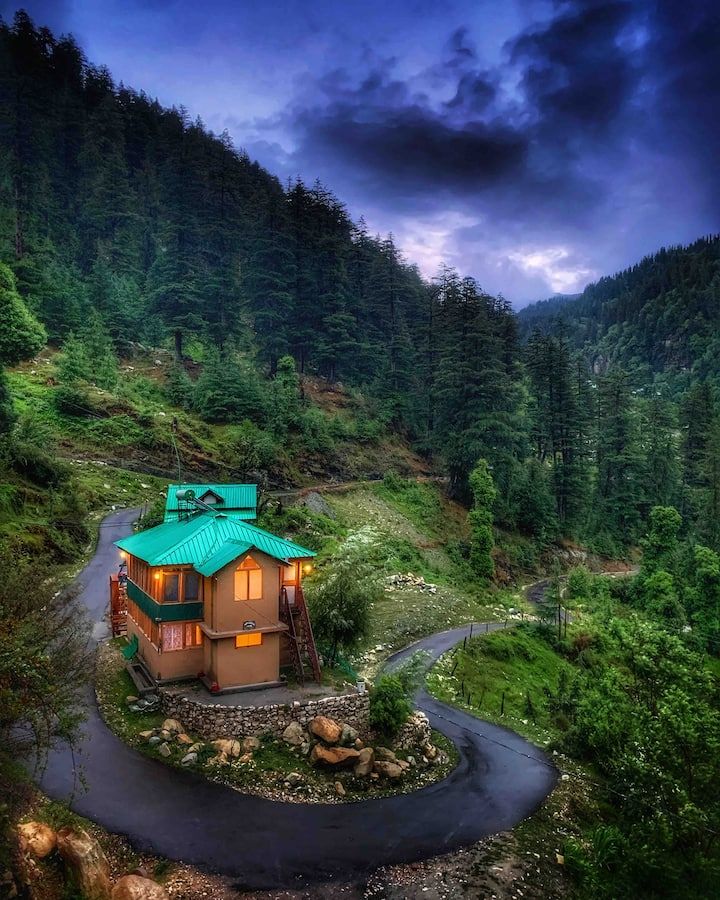
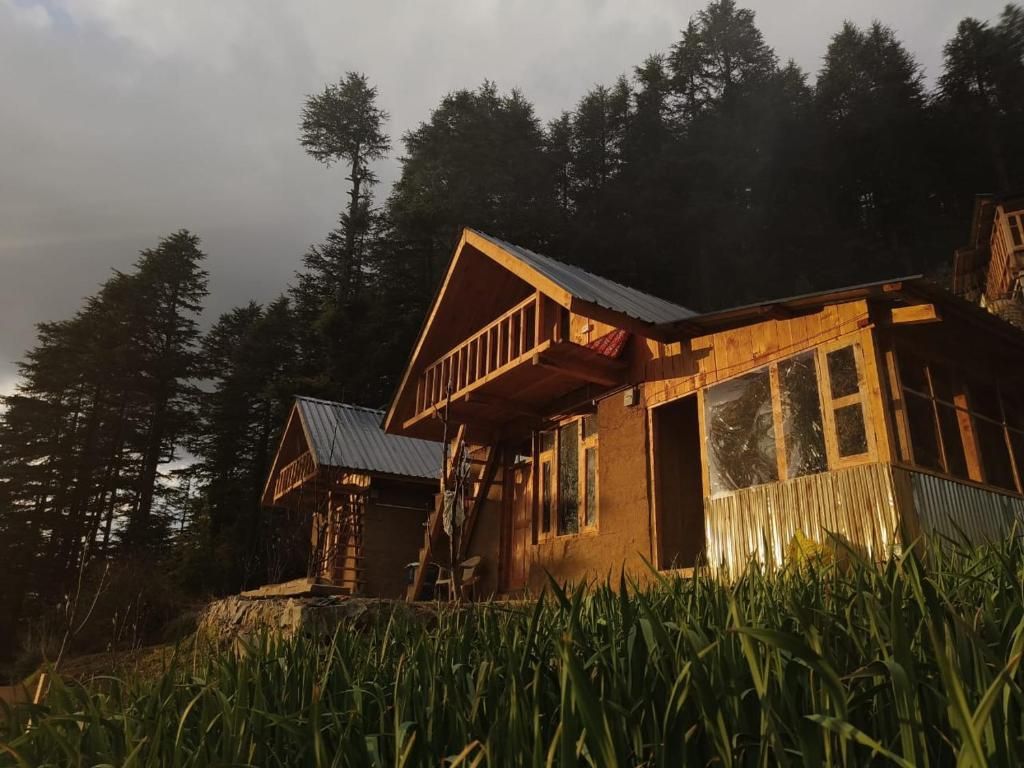
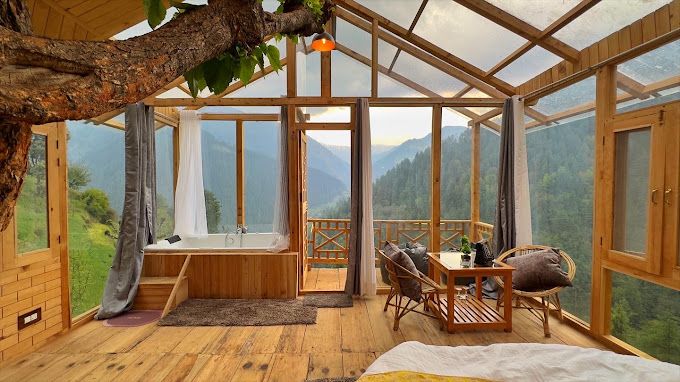
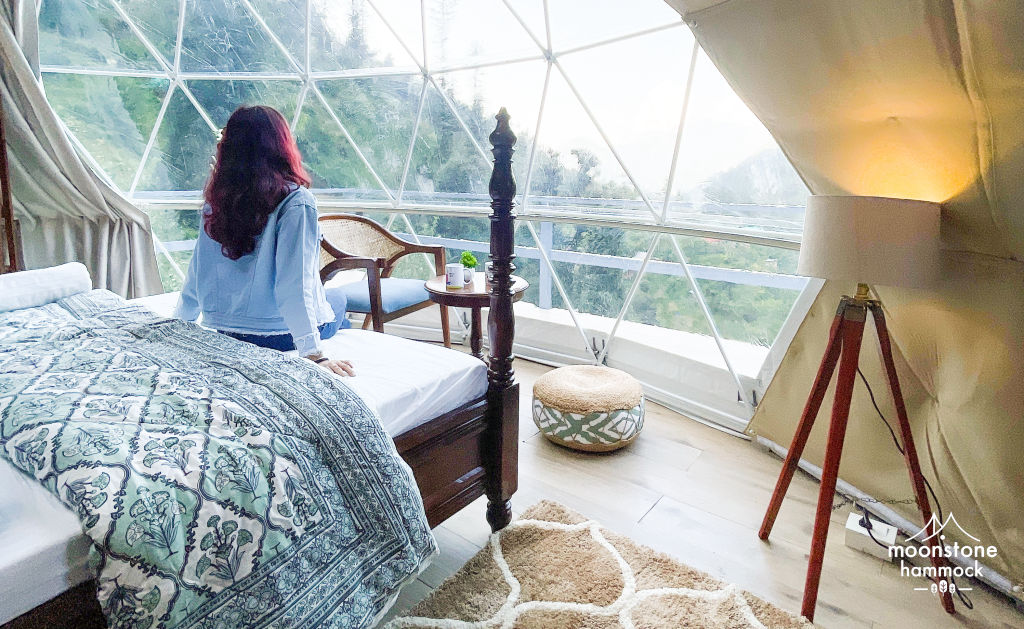
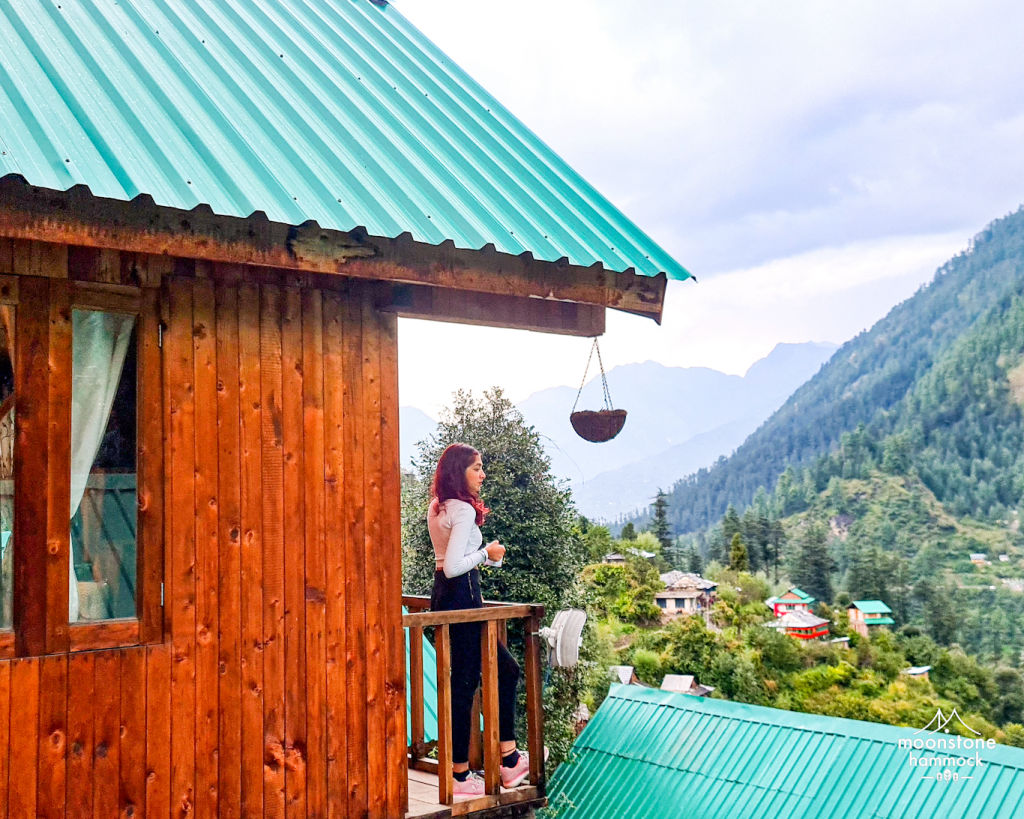
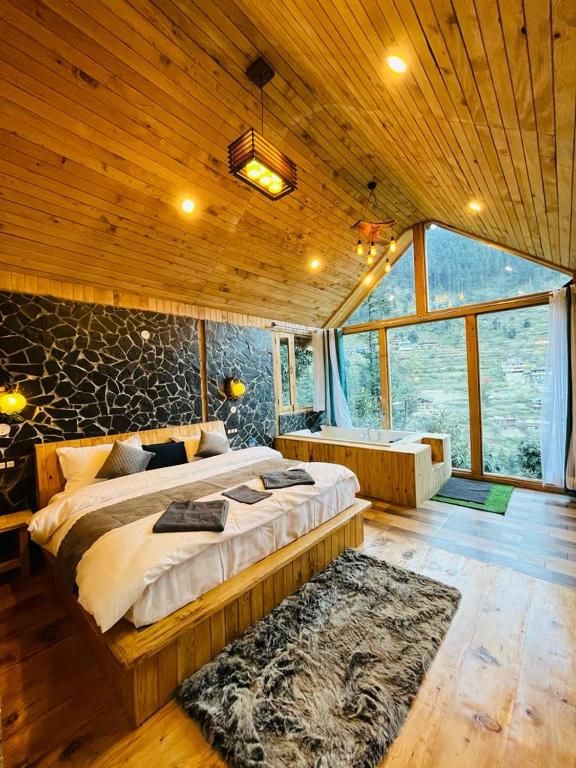
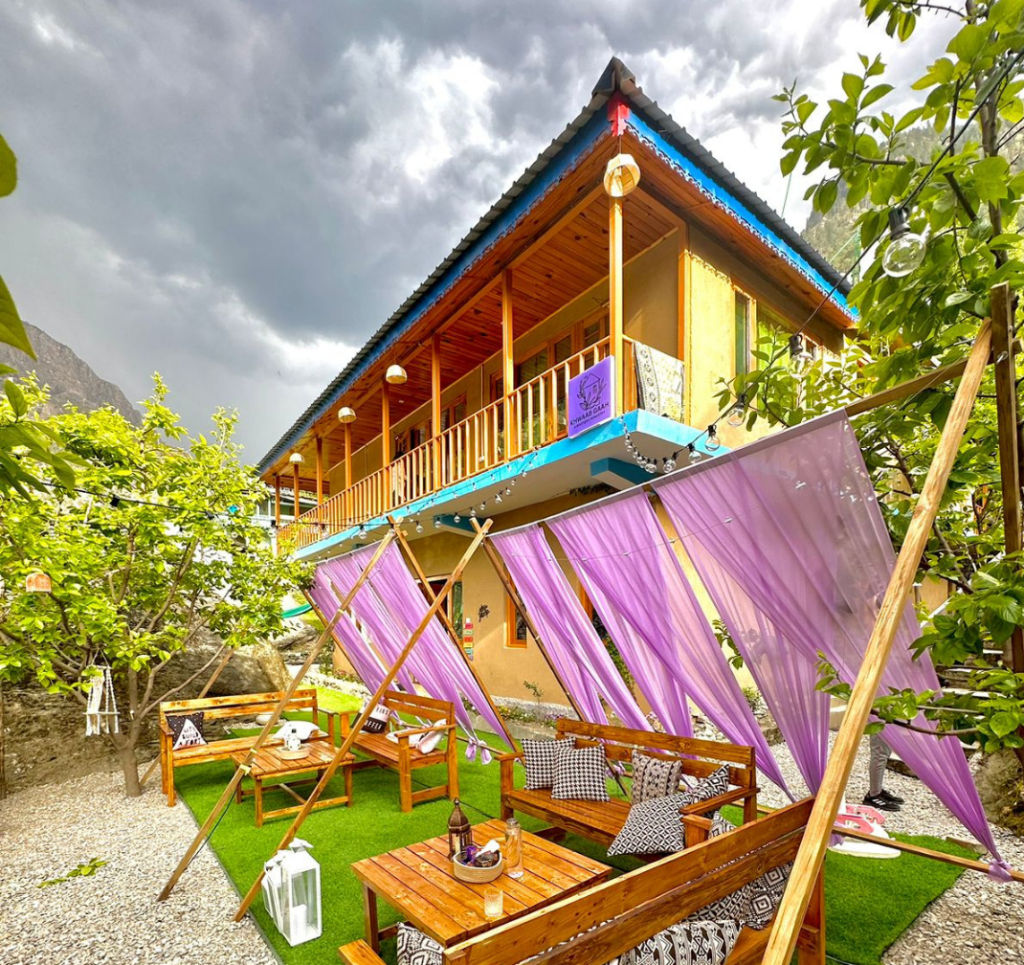
There are no permanent accommodations at the fort ruins, so visitors typically base themselves in nearby mountain villages across the Banjar valley. Hamlets such as Shoja, Jibhi, and Gushaini offer peaceful stays surrounded by cedar woods, flowing streams, and terraced orchards.
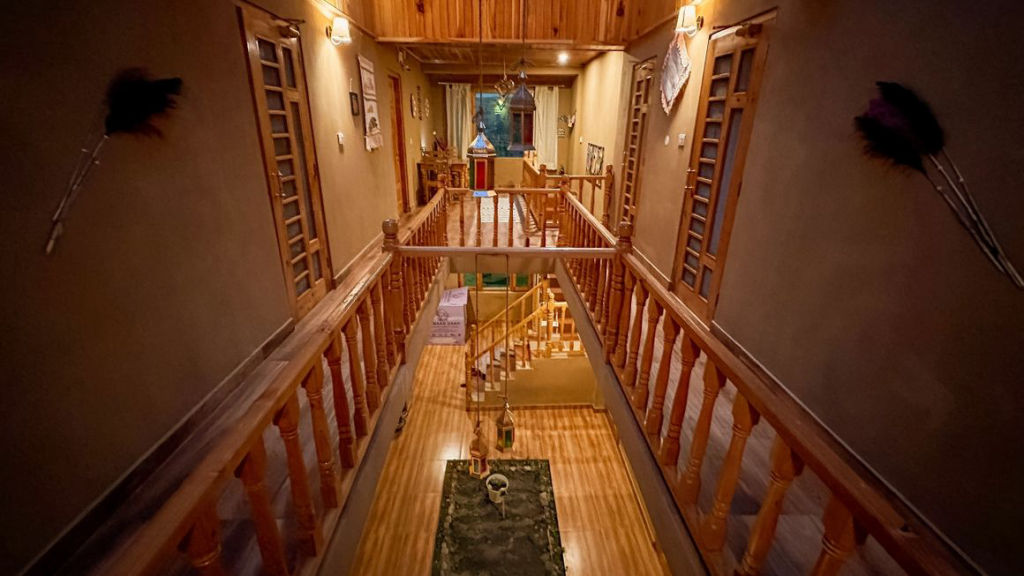
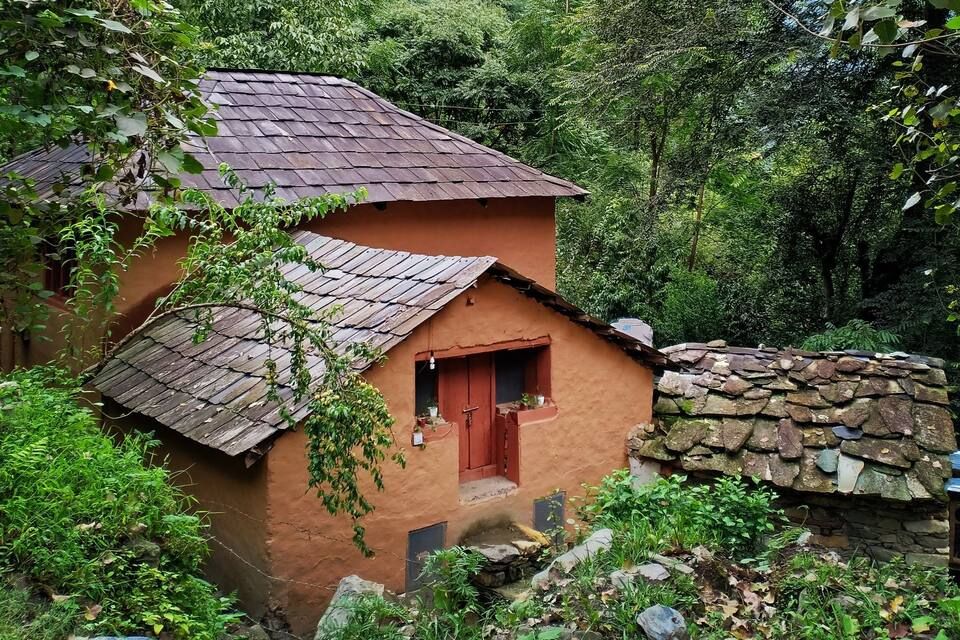
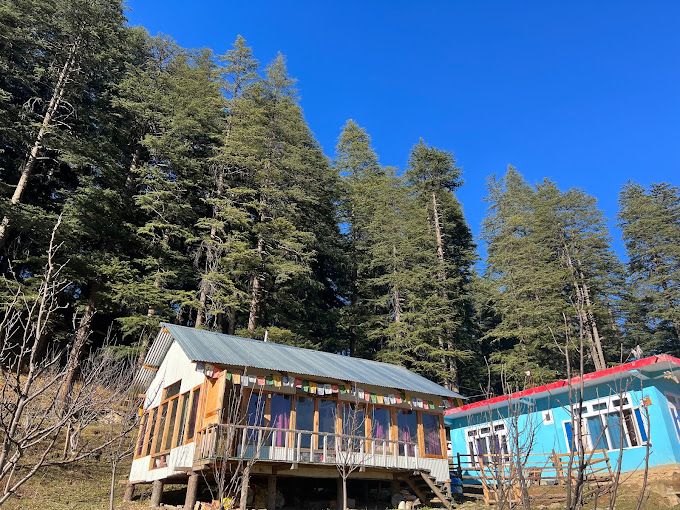
Travellers looking for places to stay in the area can explore camping sites, homestays, and rustic cottages on HireACamp. Staying with local hosts in a village homestay or camping under starlit mountain skies nearby offers an immersive way to experience the quiet rhythms of rural Himachal Pradesh.
Frequently asked questions
How long is the trek to Raghupur Fort?
The trek is approximately 3 kilometres each way starting from Jalori Pass, typically taking around 1.5 to 2.5 hours to hike up depending on your pace and fitness.
Is the trek to Raghupur Fort difficult?
The trek is generally considered easy to moderate. While the trail climbs through forests and meadows at high altitude, the ascent is gradual enough for beginners with basic fitness.
Can you camp at Raghupur Fort?
Wild camping on the ridge requires carrying all your own gear, warm clothing, and food, though hikers often prefer doing a day hike and staying at established camps or homestays in Shoja or Jibhi.
What is Raghupur Fort famous for?
Raghupur Fort is renowned for its historic stone ruins and its sweeping 360-degree views of Himalayan peaks across vast, rolling alpine meadows.
Does it snow at Raghupur Fort?
Yes, Raghupur Fort receives heavy snowfall during the winter months, typically between December and March, transforming the meadows into a blanket of snow.
Where you'll be
Banjar · 11 stays nearby shown with prices
Stays near Raghupur Fort
Book a place to stay close by
More places near Raghupur Fort
Within 20 km


Built from 0 Instagram posts by 0 creators. Every tip links back to the post it came from, and where creators disagree we show both sides.






