
Rajaji National Park
Park near Najibabad, Uttar Pradesh
12 km from Najibabad
The nearest town, for stays, food and fuel.
Rajaji National Park spans the picturesque foothills of the Shivalik range, where the northern plains meet the forested ridges of the lower Himalayas. The park is renowned for its vast sal forests, seasonal riverbeds, and thriving populations of Asian elephants, leopards, and diverse bird species. Travellers visit this protected wilderness to take open-jeep safaris, observe wildlife in expansive natural habitats, and escape into peaceful wooded landscapes.
Getting there
By road
- From NajibabadNearest town33 min · 17 km
- From Dehradun2 hr 40 min · 101 km
- From New Delhi4 hr 20 min · 206 km
- From Chandigarh6 hr 10 min · 270 km
Typical drive times without traffic. Stations and airports from OLA Maps; distances and typical drive times from OpenStreetMap (© OpenStreetMap contributors); notes from creators' Reels.
About Rajaji National Park
Written with AI from map data and general knowledge. Check prices and timings locally before you go.
About Rajaji National Park
Rajaji National Park represents one of northern India's most significant ecological landscapes, spreading across the junction of the Indo-Gangetic plains and the outer Himalayan foothills. The terrain is dramatically varied, characterized by rugged Shivalik ridges, broad valleys, dry riverbeds known locally as raus, and dense deciduous forests. The river Ganga and its tributaries cut through the park, creating a vibrant network of riverine ecosystems that sustain exceptional floral and faunal diversity.
The park was formed by merging three older wildlife sanctuaries—Chilla, Motichur, and Rajaji—to create a unified, continuous habitat for large mammals. Named in honour of the prominent freedom fighter and statesman C. Rajagopalachari, the park serves as an essential elephant corridor, linking migration paths between the Yamuna and Sharda rivers. Today, its dense canopy of sal, teak, and mixed green foliage provides a natural sanctuary for hundreds of plant and animal species.
Wildlife and Birdwatching in the Park
The park is celebrated for hosting a healthy population of Asian elephants, which can frequently be observed moving in herds along forest corridors, bathing in riverbeds, or grazing on riverine grasslands. In addition to elephants, the reserve provides sanctuary to Bengal tigers, leopards, striped hyenas, and sloth bears. Herbivores such as spotted deer, sambar, barking deer, wild boar, and the elusive nilgai thrive in the forest undergrowth, forming an active and well-balanced ecological web.
For birdwatchers, Rajaji National Park is a paradise supporting well over three hundred species of birds. The combination of dense forest cover, open scrub, and nearby waterbodies attracts both forest specialists and wetland visitors. Visitors can spot hornbills, vibrant kingfishers, crested serpent eagles, red junglefowl, and various flycatchers throughout the woodlands. During the cooler winter months, the watercourses and wetlands on the park's periphery welcome a large influx of migratory waterfowl and wading birds.
Read more
Best Time to Visit Rajaji National Park
The park generally opens for safari visits from mid-November through mid-June, closing during the monsoon season when rains transform riverbeds into roaring torrents and render dirt tracks impassable. The winter months from November to February offer the most comfortable weather, with crisp mornings, mild sunny afternoons, and excellent visibility through the thinned forest canopy. This period is particularly rewarding for birdwatching, as winter migratory birds arrive in significant numbers.
As temperatures climb from March through May, the foliage begins to dry and thin out considerably. While the mid-day heat can be intense during these pre-monsoon months, the warmer weather regularly draws elephants, deer, and predators toward remaining waterholes and major river channels, making late spring a productive time for large mammal sightings. Travellers planning a summer safari should schedule trips for early morning or late afternoon to avoid peak midday temperatures.
How to Reach Rajaji National Park
Rajaji National Park can be approached from several directions depending on the entry gate you plan to access. From the southern approach near Uttar Pradesh, the market town of Najibabad serves as a convenient transit hub, well connected by rail and state highways to major cities across northern India. Travellers arriving by train can disembark at Najibabad junction or nearby railway stations in Kotdwar or Haridwar, all of which maintain steady rail connectivity with Delhi and surrounding regions.
For air travellers, the closest airport is Jolly Grant Airport near Dehradun, which operates regular domestic flights connecting with major Indian hubs. From the airport or neighbouring rail stations, taxis and private cabs are readily available to transport visitors to various forest checkposts and safari boarding points. Those driving by road will find well-paved national and state highways linking western Uttar Pradesh and Uttarakhand to the southern fringes of the national park.
Places to Visit Near Rajaji National Park
A trip to Rajaji National Park can easily be combined with exploring the historical and cultural landmarks surrounding Najibabad and Kotdwar. Kanvashram, situated along the banks of the Malini River, offers a quiet retreat deeply rooted in ancient Indian literature and history, believed to be the hermitage where the tale of Shakuntala and Dushyanta unfolded.
Siddhbali Temple, a revered shrine dedicated to Lord Hanuman, sits perched beside a mountain stream near the foothills and attracts numerous devotees throughout the year. For wetland lovers, Jhilmil Jheel Conservation Reserve offers an opportunity to view endangered swamp deer along preserved oxbow lakes. Travellers heading towards higher elevations can take scenic mountain routes leading towards Charekh Danda, a tranquil viewpoint overlooking the valley floor, or visit historical heritage sites and museums in the nearby garrison town of Lansdowne.
Tips for Your Forest Visit
When venturing into the park for a safari, wearing muted natural clothing in shades of khaki, olive green, brown, or beige is strongly recommended to blend into the surrounding vegetation. Bright colours can disturb animals and reduce your chances of quiet sightings. Because early morning safaris in winter can be very chilly, layering your clothing with warm jackets, windcheaters, and caps is essential.
Always adhere strictly to park rules and the instructions of your certified nature guide. Maintain absolute silence during sightings, never alight from your vehicle inside designated safari tracks, and do not attempt to feed or provoke wild animals. Carry reusable water bottles to avoid single-use plastic waste, and make sure your camera gear is protected against the fine dust that rises from unpaved forest trails. Safaris and permits should be arranged well ahead of your intended travel dates, as vehicle quotas per zone are strictly managed.
Where to Stay Near Rajaji National Park
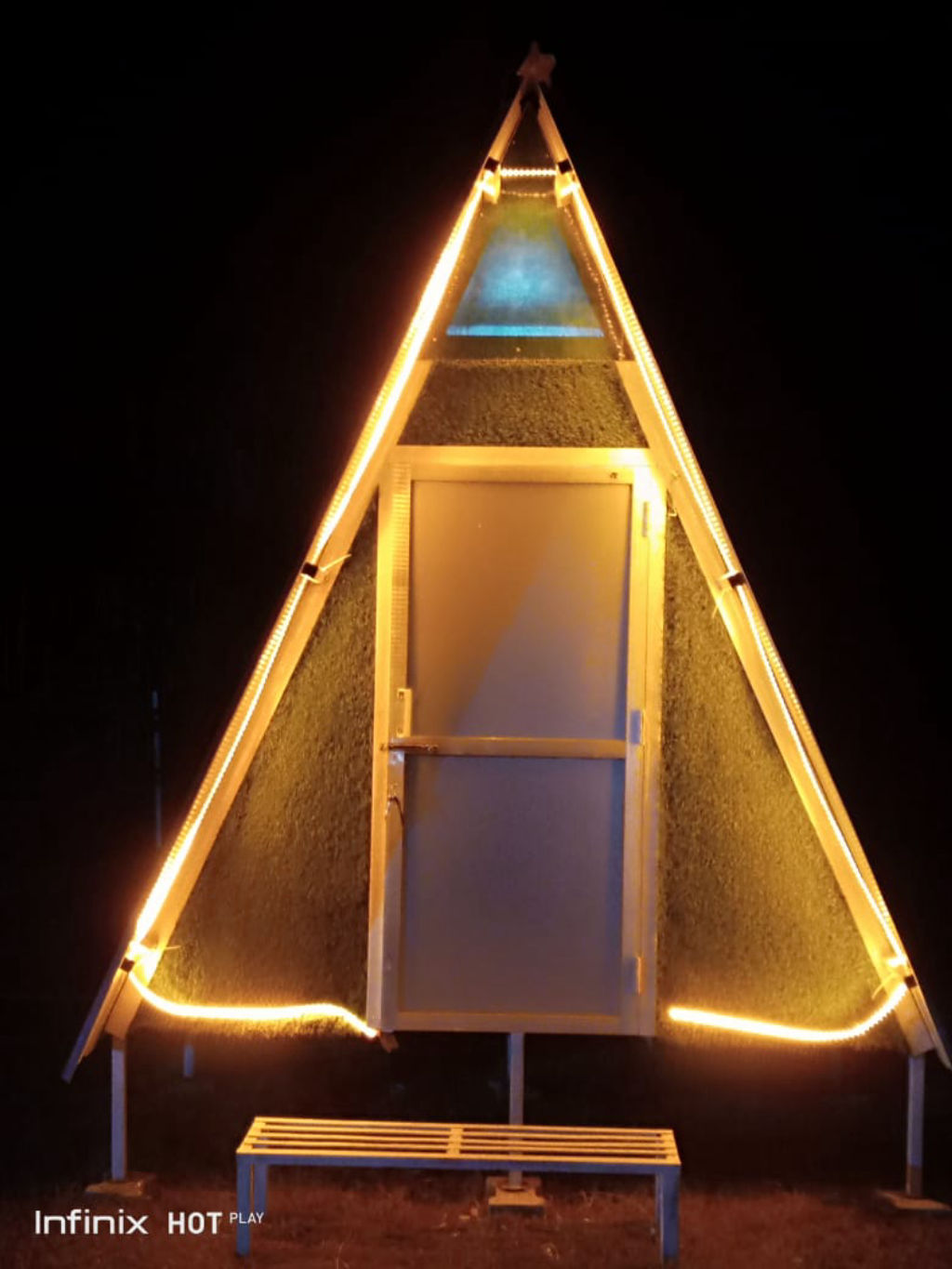
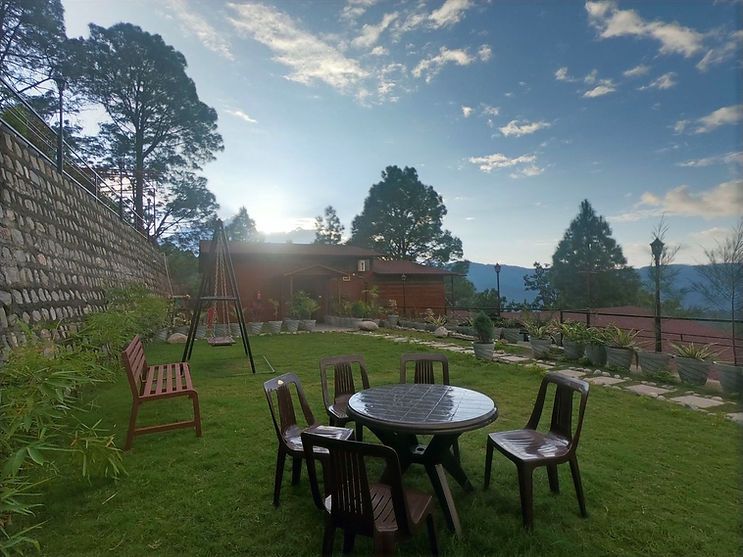
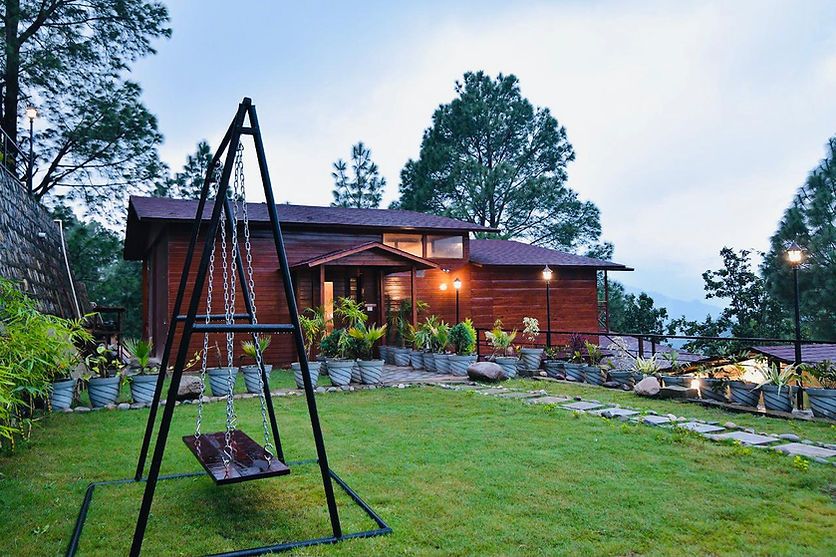
Accommodation options around Rajaji National Park cater to a wide range of travel styles, from rustic nature retreats along the forest fringes to quiet village homestays near the Shivalik foothills. Staying outside the core boundary allows you to enjoy scenic surroundings, evening birding, and calm, unpolluted night skies.
Travellers looking for immersive getaways, riverside camps, eco-friendly farms, and comfortable family homestays in the area can easily discover and book suitable stays through HireACamp. Choosing a base near your chosen safari gate ensures you can make early morning safari slots without long commutes on cold mornings.
Frequently asked questions
Which animals can you see in Rajaji National Park?
Rajaji National Park is best known for its wild Asian elephants, Bengal tigers, and leopards. Visitors also frequently spot spotted deer, sambar, barking deer, wild boars, langurs, and a broad variety of forest birds.
Is Rajaji National Park open throughout the year?
No, the park is typically open for tourism from mid-November to mid-June and remains closed during the monsoon season due to flooded riverbeds and trail damage. It is best to check current local forest notifications before planning your trip.
How do you book a safari in Rajaji National Park?
Safaris can be arranged at designated forest range booking counters or through official forest department channels. Because daily vehicle numbers are capped in each zone, booking in advance is advised during weekends and holiday seasons.
What is the closest railway station to Rajaji National Park?
Depending on which safari zone you are visiting, nearby convenient railway stations include Najibabad, Kotdwar, and Haridwar, all of which have regular train services from Delhi and other northern cities.
Where you'll be
Najibabad · 4 stays nearby shown with prices
Stays near Rajaji National Park
Book a place to stay close by
More places near Rajaji National Park
Within 20 km


Lists for this area
Ranked by how many creators recommend each place


Built from 0 Instagram posts by 0 creators. Every tip links back to the post it came from, and where creators disagree we show both sides.






