
Ramankari
Destination in Kerala
Ramankari is a scenic village nestled in the fertile Kuttanad region of Alappuzha district in Kerala. Surrounded by endless paddy fields, slow-winding canals, and traditional backwater life, it offers a peaceful glimpse into rural Kerala. Travellers visit to experience life below sea level, witness agricultural traditions, and explore the peaceful waterways away from crowded tourist hubs.
Getting there
By road
- From Kochi1 hr 50 min · 75 km
- From Thiruvananthapuram3 hr 45 min · 152 km
- From Madurai5 hr 30 min · 261 km
- From Coimbatore6 hr 25 min · 266 km
Typical drive times without traffic. Stations and airports from OLA Maps; distances and typical drive times from OpenStreetMap (© OpenStreetMap contributors); notes from creators' Reels.
About Ramankari
Written with AI from map data and general knowledge. Check prices and timings locally before you go.
Understanding Ramankari and the Kuttanad Landscape
Ramankari sits in the heart of the famed Kuttanad region, often referred to as the rice bowl of Kerala. This unique geographic zone is renowned across the globe for being one of the few places where farming is successfully conducted below sea level. Intersected by water channels, lagoons, and the waters of the Pampa and Manimala river networks, the village embodies the intimate relationship between the local populace and the aquatic landscape.
The scenery around Ramankari changes with the rhythm of the farming calendar. At certain times of the year, vast stretches of land are flooded to prepare the soil, transforming the region into an immense mirror reflecting the tropical sky. At other times, lush emerald paddy shoots carpet the landscape as far as the eye can see, punctuated by swaying coconut groves, duck flocks drifting along irrigation canals, and humble country boats carrying residents on their daily routines.
Things to do in and around Ramankari
A visit to Ramankari is centered on quiet exploration and soaking in the pace of rural backwater life. Walking along the narrow village bunds that separate the waterways from the submerged fields is one of the most rewarding ways to spend an early morning. You will see local farmers tending to crops, fishermen casting traditional nets, and village watercraft ferrying passengers between roadheads and island homes.
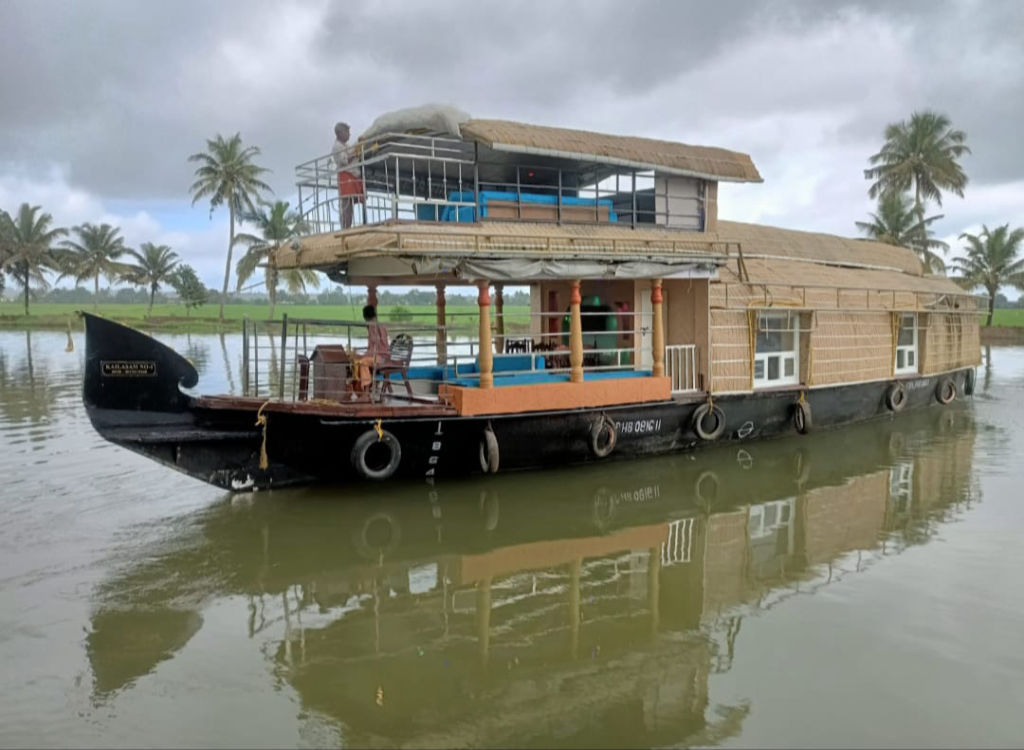
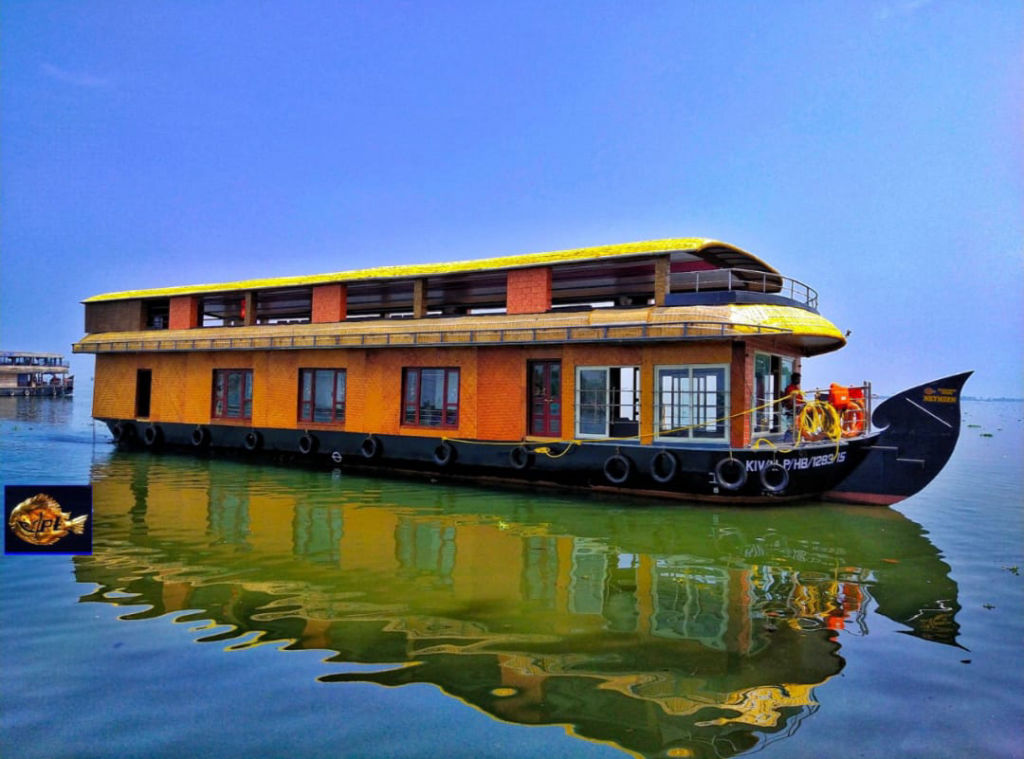
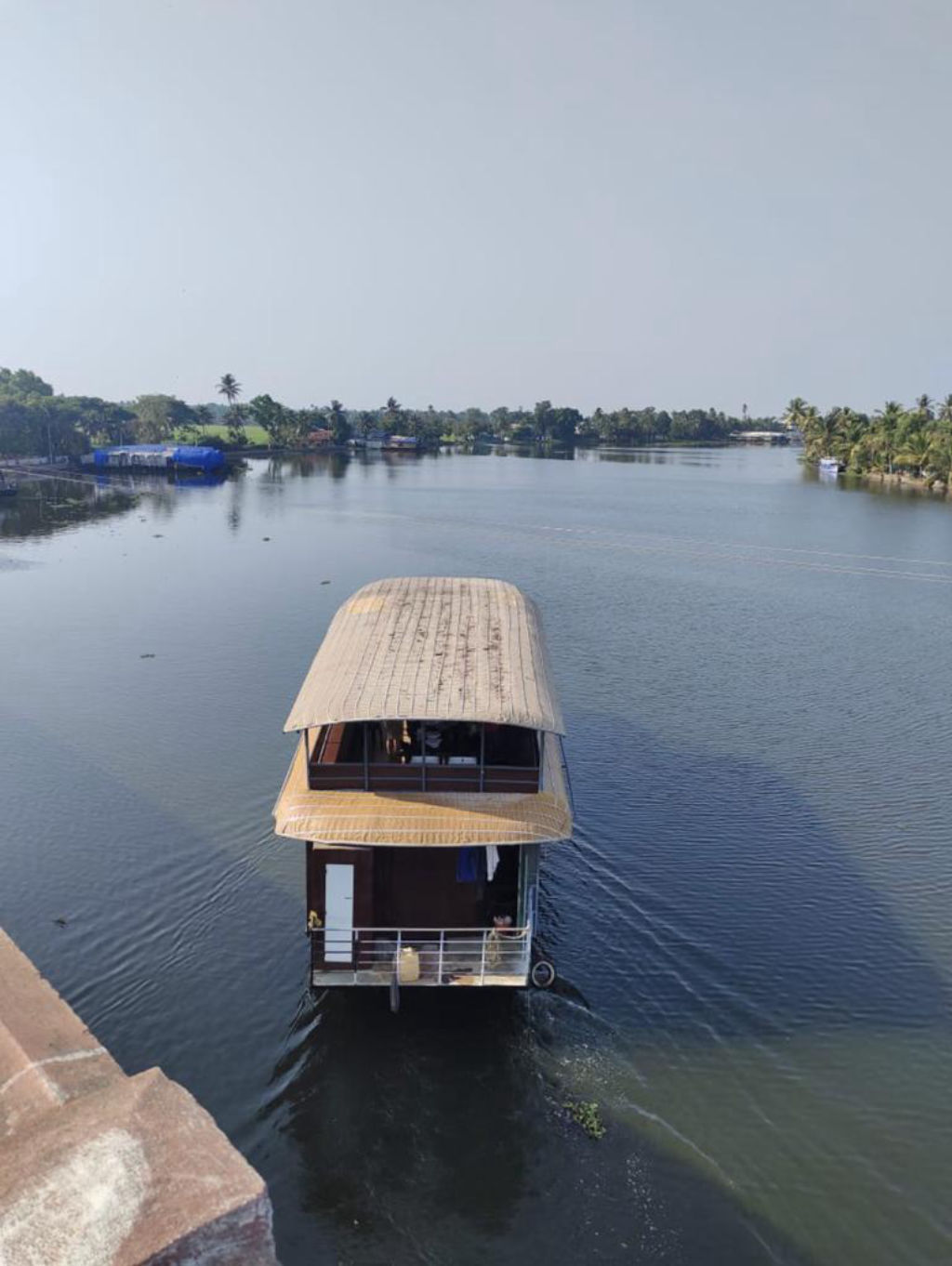
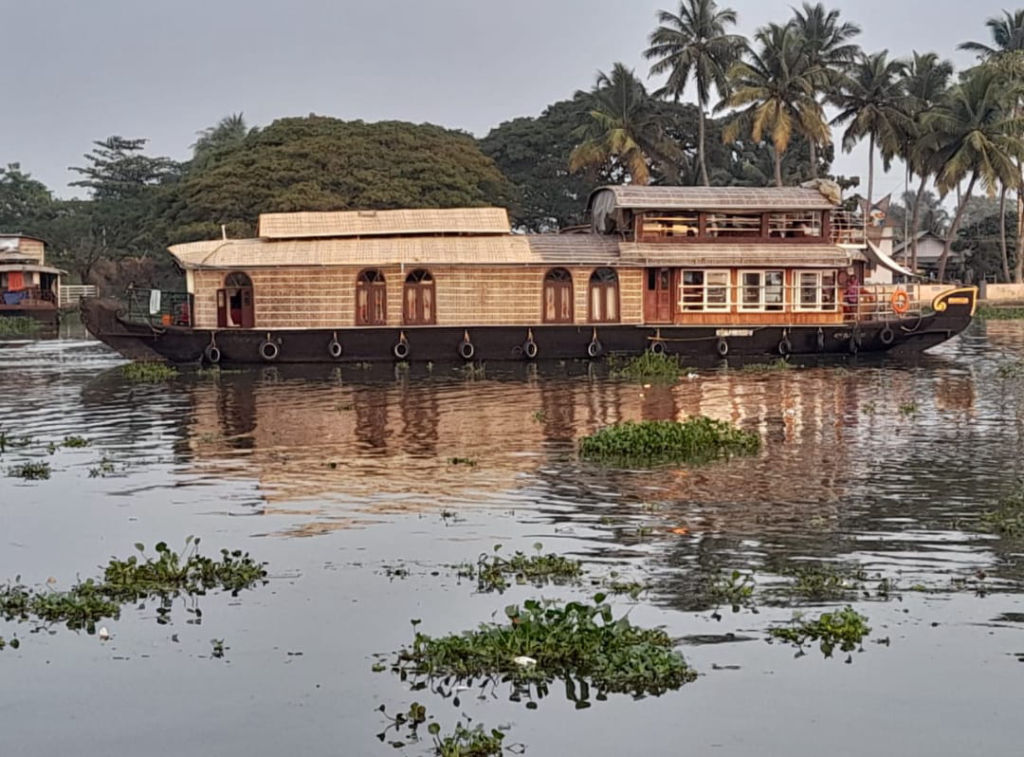
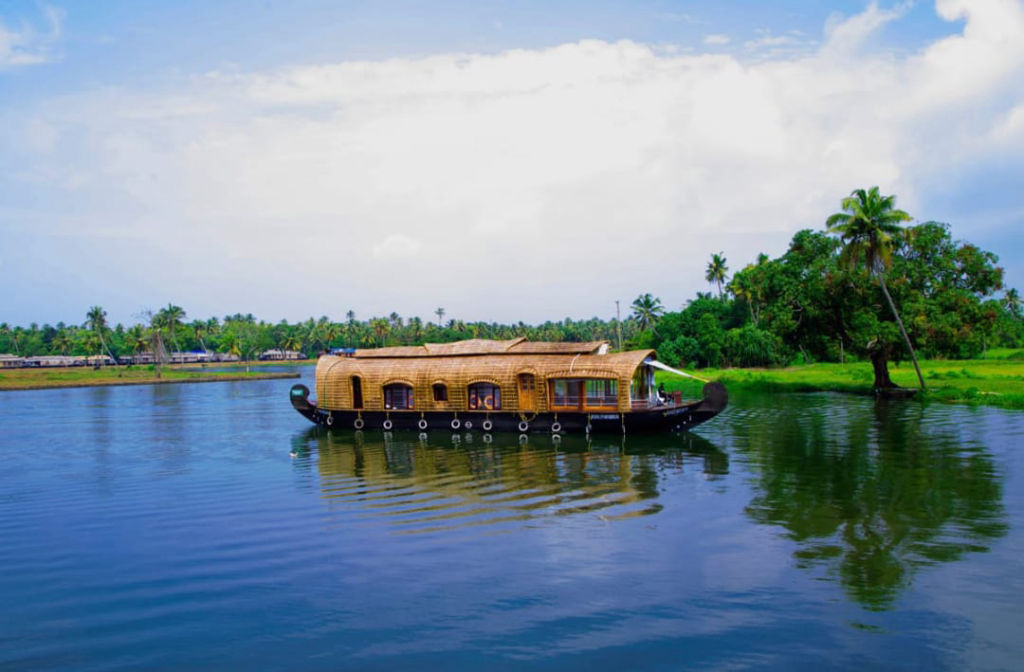
Taking to the water is essential here. You can hire local country canoes or hop on regular state-run passenger ferries that ply through the canals. Unlike larger houseboats, smaller non-motorised canoes allow you to glide beneath low bridges and explore narrow inlets fringed by flowering water hyacinths, hibiscus, and towering banana plants. Along the way, birdwatchers can spot kingfishers, cormorants, darters, and pond herons foraging on the fringes of the water.
Sampling traditional cuisine is another highlight of the area. The local diet is deeply intertwined with the landscape, highlighting freshwater catch such as pearl spot, small river prawns, and country duck curries served alongside locally grown red rice. A visit to local tea shops and rural eateries allows you to taste fresh snacks like banana fritters while chatting with residents about life in the backwaters.
Read more
Places to explore near Ramankari
Ramankari serves as an excellent base for exploring the wider Alappuzha and Kottayam districts. A short journey westward brings you towards the expansive waters of Vembanad Lake, India's longest freshwater lake and a crucial wetland ecosystem. Watching the sunset over this massive body of water, with traditional Chinese fishing nets silhouetted against the evening sky, is an unforgettable sight.
Further west lies the historic coastal town of Alappuzha. Here, you can visit the venerable Alappuzha Lighthouse, which has guided ships along the Malabar Coast since the nineteenth century and offers sweeping panoramic views of the Arabian Sea from its top deck. The nearby beach, town parks, and historical canal systems provide a lively contrast to the rustic calm of Ramankari.
Heading east leads you into the bustling market town of Changanassery and the heritage-rich hamlets of Upper Kuttanad. Historic churches, riverside temples, and heritage manor houses tell stories of centuries-old river trade, offering rich historical context to your travels through the area.
Best time to visit Ramankari
The winter months from November to February represent the most comfortable time to visit Ramankari. During this period, humidity drops noticeably, morning temperatures are pleasantly mild, and rainfall is minimal. This dry window is ideal for walking along the canal bunds, spending long afternoons on the water, and observing migratory birds across the wetlands.
The monsoon season, extending from June to September, paints the entire countryside in vibrant shades of green. While torrential downpours can restrict outdoor activities and cause water levels in the canals to rise dramatically, it is an evocative time to visit for those who enjoy the drama of tropical rains, surging waterways, and seasonal traditional boat races held across the district.
From March to May, the weather turns hot and humid, with strong sunshine warming the backwaters. While midday heat can be taxing, the early mornings and evenings remain peaceful and pleasant for gentle village walks.
How to reach Ramankari
Ramankari is well connected by road via the Alappuzha-Changanassery road, an elevated scenic corridor that cuts right through the heart of the Kuttanad lowlands. If you are travelling by train, the nearest major railway stations are located in Changanassery and Alappuzha, both providing frequent connections to major cities like Kochi, Thiruvananthapuram, and Kozhikode.
For air travellers, the closest airport is Cochin International Airport, situated approximately eighty-five kilometres to the north. From the airport, one can take a train, pre-paid taxi, or intercity bus towards Alappuzha or Changanassery, and then transfer to a local bus, autorickshaw, or taxi for the final leg to Ramankari.
State transport buses run regularly along the main artery connecting the towns on either side, making public transit a reliable and scenic option. Alternatively, taking local public water ferries from larger jetty terminals provides a memorable and slow-paced arrival into the village waterways.
Tips for your visit
Because Ramankari is an authentic residential and farming settlement rather than a commercialised resort enclave, visitors should dress modestly and respect local customs. When walking through private bunds or near village homes, always ask for permission before taking photographs of residents going about their chores.
Bring along lightweight, breathable cotton clothing suitable for tropical humidity, as well as a sturdy sun hat and sunscreen. Footwear should be easy to clean or slip off, as canal bunds can be damp and muddy, particularly during and immediately after rainfall.
Carry adequate cash for minor transactions, as smaller village tea stalls, canoe operators, and autorickshaws may not always accept digital payments. It is also wise to carry eco-friendly insect repellent, especially around sunset when mosquitoes gather near the still waterways.
Where to stay around Ramankari
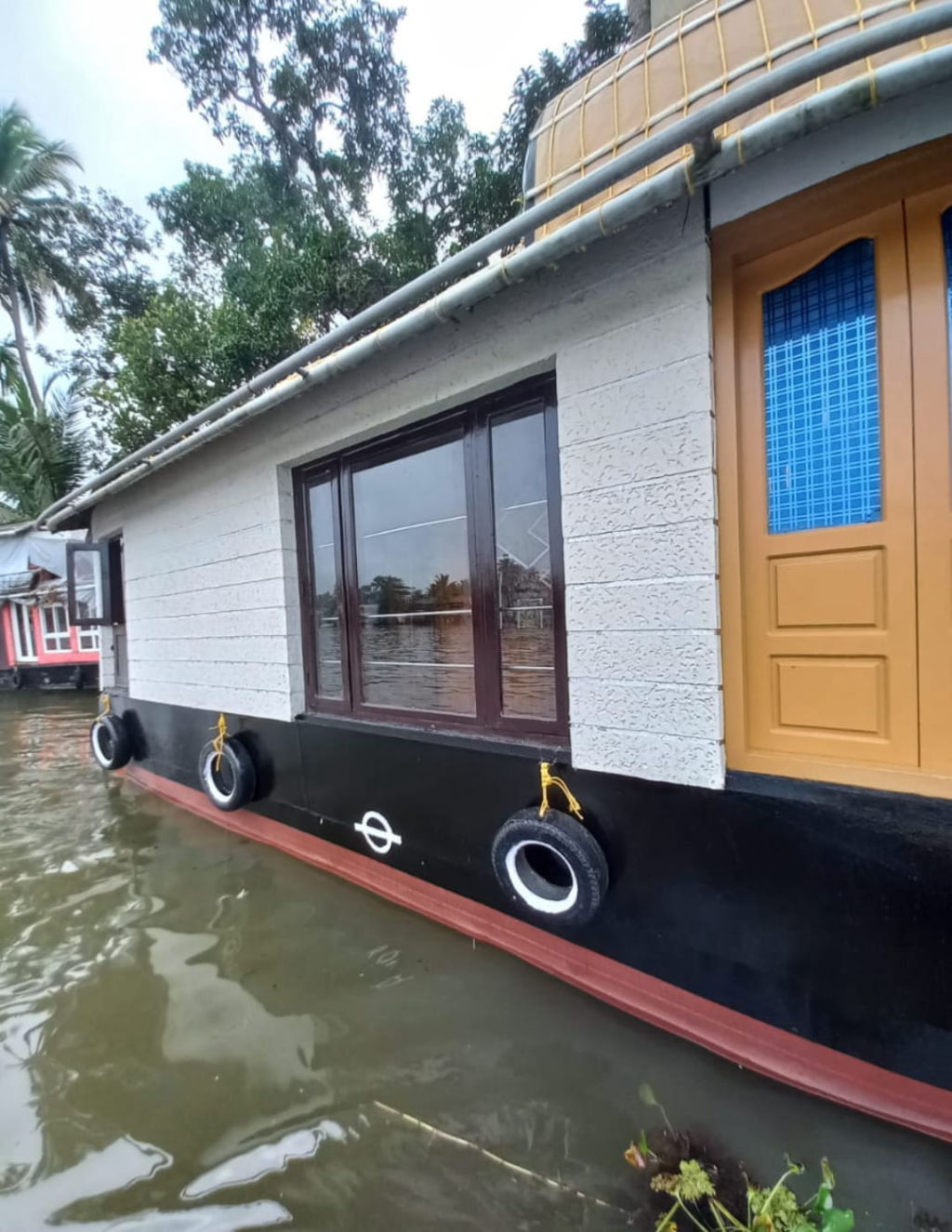
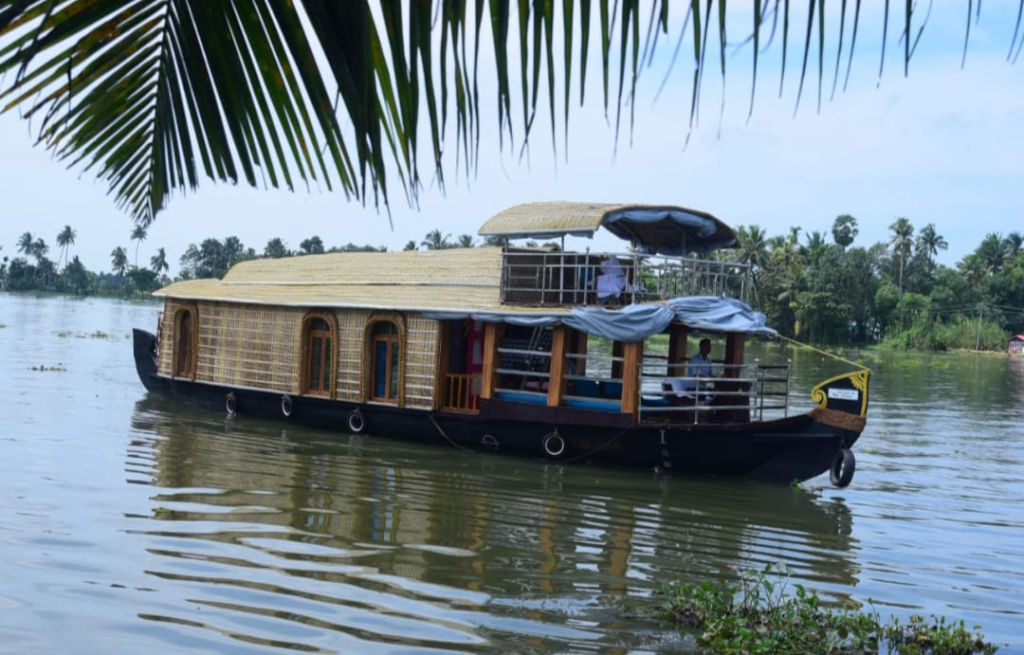
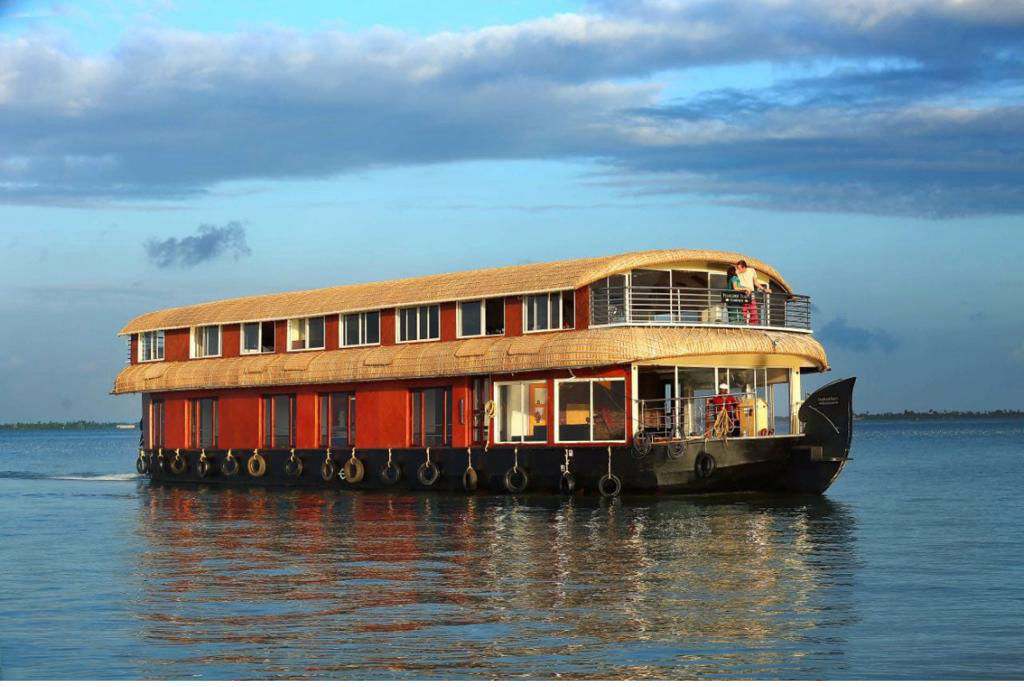
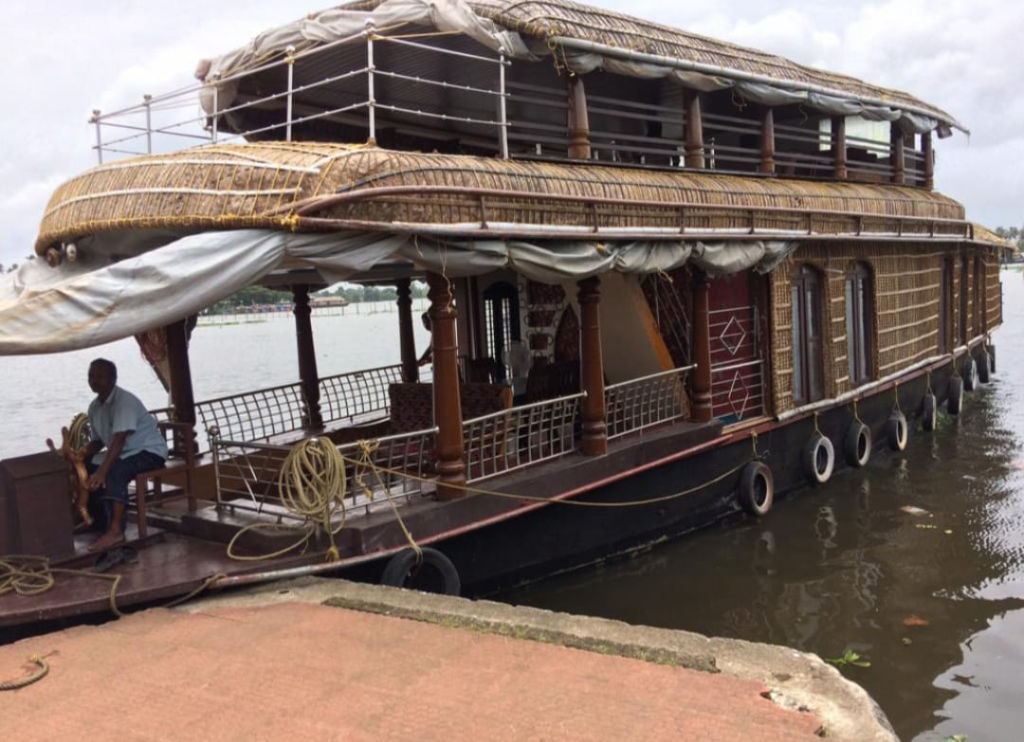
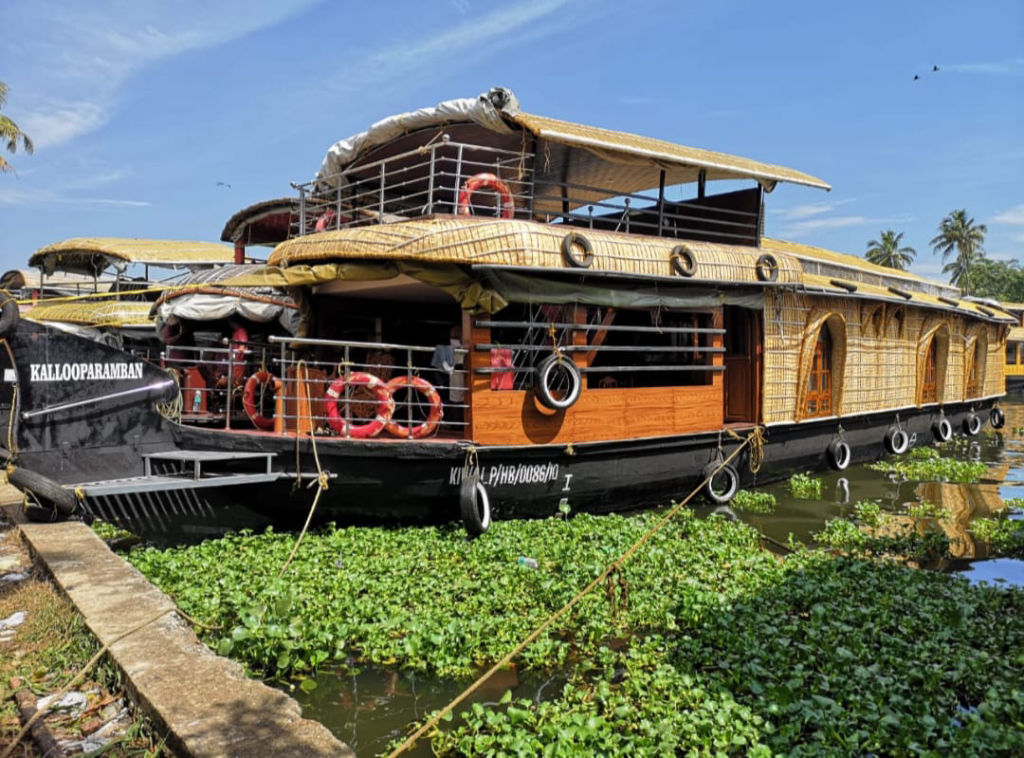
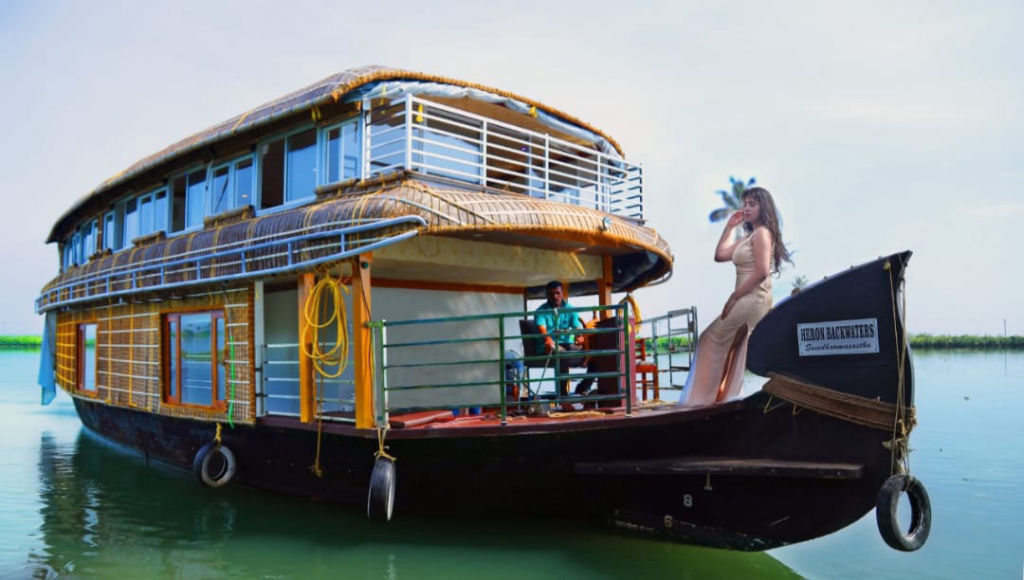
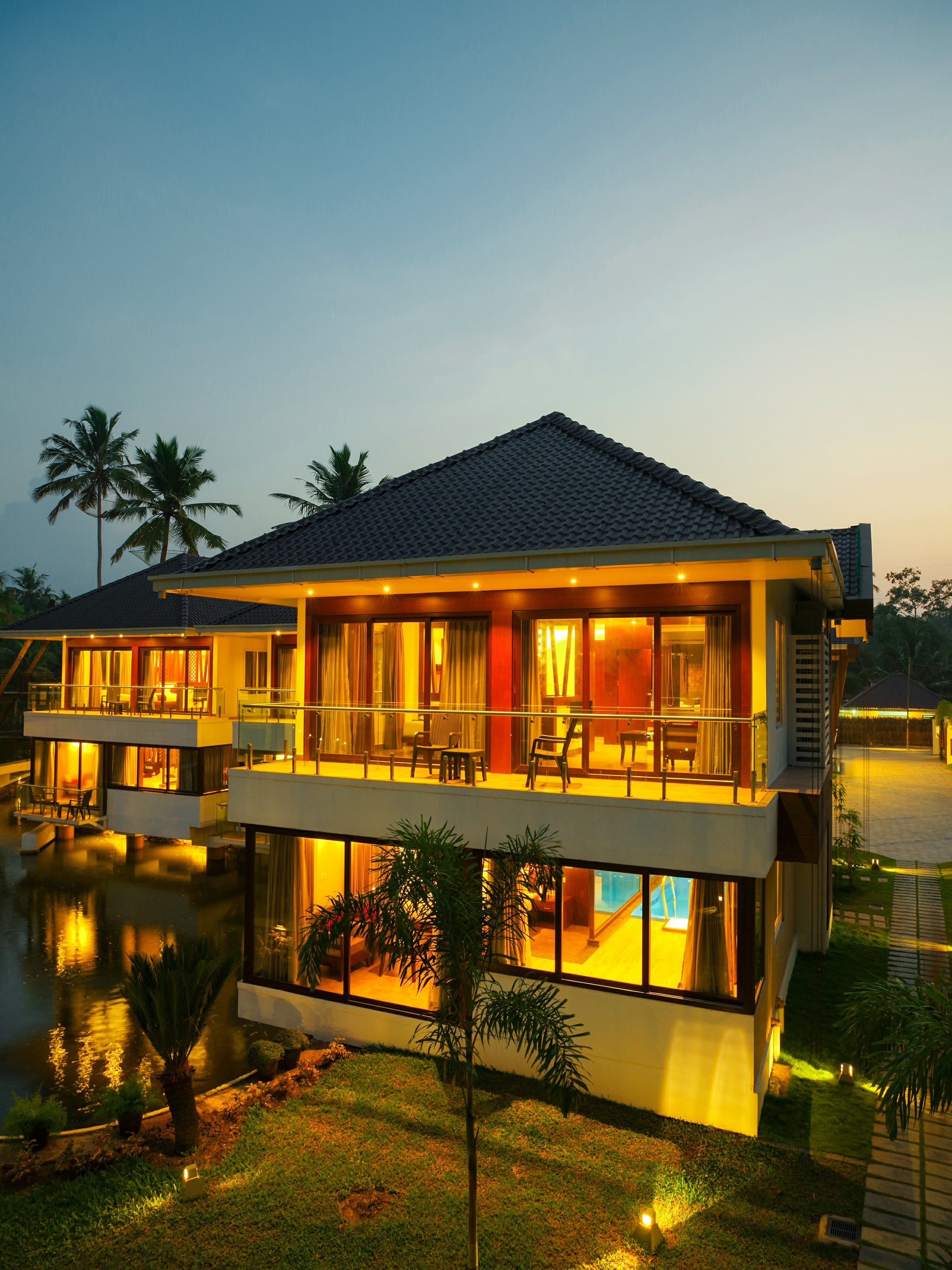
Staying near Ramankari allows you to experience the stillness of the backwaters after day-trippers have departed. Accommodation options in this area lean heavily toward peaceful homestays, riverside cottages, and eco-friendly campsites that highlight authentic village life and local hospitality.
You can discover and reserve unique village stays, waterside homestays, and quiet camps in and around Ramankari through HireACamp. Booking in advance ensures you secure a riverside base that matches your travel pace and allows you to wake up to misty canals and fresh local breakfasts.
Frequently asked questions
What is Ramankari famous for?
Ramankari is known for its position in the Kuttanad backwater region, where traditional paddy farming is carried out below sea level along canals, rivers, and lagoons.
Which railway station is closest to Ramankari?
The railway stations at Changanassery and Alappuzha are the closest transit hubs, both offering frequent local and long-distance trains.
Can I explore the backwaters from Ramankari using local boats?
Yes, you can hire local country canoes or travel on public water transport ferries operating through the network of village canals.
What should I pack for a trip to Ramankari?
Pack lightweight cotton clothes, comfortable waterproof footwear for canal bunds, insect repellent, sun protection, and some cash for small purchases at local shops.
When is the best season to travel to Ramankari?
The cooler, dry months between November and February offer the most pleasant weather for canal exploration and village walks.
Where you'll be
12 stays nearby shown with prices
Stays near Ramankari
Book a place to stay close by
Things to do in Ramankari
48 places creators recommend within 30 km


Built from 0 Instagram posts by 0 creators. Every tip links back to the post it came from, and where creators disagree we show both sides.






