
Ramshej Fort
Fort near Nashik, Maharashtra
2.2 km from Nashik
The nearest town, for stays, food and fuel.
Ramshej Fort is a historic hill fort situated just north of Nashik in Maharashtra. Famous for its incredible five-year resistance against Mughal forces during the Maratha era and its mythological association with Lord Rama, it attracts history buffs and outdoor enthusiasts alike. Today, the fort serves as a scenic day-trekking destination offering panoramic vistas of the surrounding Sahyadri hills and agricultural plains.
Getting there
By road
- From NashikNearest town9 min · 2.9 km
- From Mumbai 4 hr · 192 km
- From Pune4 hr 45 min · 217 km
- From Surat5 hr · 235 km
Typical drive times without traffic. Stations and airports from OLA Maps; distances and typical drive times from OpenStreetMap (© OpenStreetMap contributors); notes from creators' Reels.
About Ramshej Fort
Written with AI from map data and general knowledge. Check prices and timings locally before you go.
History and significance of Ramshej Fort
Ramshej Fort derives its name from a local mythological belief that Lord Rama rested here during his exile, giving the hill its moniker which translates to the bed of Lord Rama. Perched on a high basalt knoll overlooking the trade and military routes north of Nashik, the hill naturally commanded strategic authority over the surrounding landscape for centuries.
Historically, the fort is most celebrated for an extraordinary chapter during the Maratha-Mughal conflict in the late seventeenth century. Following the death of Chhatrapati Shivaji Maharaj, the Mughal emperor Aurangzeb dispatched extensive armies to subjugate the Deccan forts. A massive Mughal force under general Shahbuddin Khan laid siege to Ramshej, expecting an effortless capture within days. Instead, a resolute Maratha garrison led by a capable killadar held off repeated artillery barrages, wooden siege towers, and coordinated assaults for over five years. This sustained resistance stands as one of the most tenacious defensive stands in regional military history.
The trek to Ramshej Fort
The trekking route to Ramshej Fort begins at the foot of the hill near the village of Ashewadi. From the base, a well-defined dirt trail gently winds through agricultural fields and sparse scrub before beginning a steady ascent along the rocky spine of the mountain. The grade is gentle to moderate, making it an ideal excursion for beginners and casual hikers seeking an authentic Sahyadri trail experience without extreme technical hurdles.
As you approach the upper ramparts, the path leads to rock-cut steps etched directly into the steep volcanic cliff face. These ancient stairs pass under the defensive overhangs that once sheltered the defenders. The entire ascent from the base to the plateau generally takes between an hour to an hour and a half at a relaxed walking pace, offering sweeping views of the surrounding rural countryside throughout the climb.
Read more
What to explore at the summit
The expansive summit of Ramshej Fort contains numerous structural remnants that reflect its defensive architecture. Visitors pass through the remnants of the main entrance gate, known as the Mahadarwaja, which was engineered into a naturally fortified cleft in the rock to impede attacking troops. Nearby, tucked under a rock overhang, sits a small cave shrine dedicated to Lord Rama, which continues to be maintained and visited by locals.
Across the plateau, several rock-cut water cisterns and water tanks hold water gathered during the monsoon rains, illustrating the rainwater harvesting systems that allowed garrisons to survive prolonged sieges. Walking along the perimeter reveals remnants of stone parapets, storage cellars, and a concealed secondary gateway known as the Chor Darwaja, which provided an emergency exit down the western cliffs. The summit affords unobstructed 360-degree views stretching across the Nashik plains, Gangapur backwaters, and neighboring hill ranges.
Best time to visit Ramshej Fort
The period from July through February is the most rewarding time to plan a trek to Ramshej Fort. During the monsoon months of July to September, the arid hillsides turn emerald green, enveloped in low-hanging clouds and cooling mountain mists. Seasonal streams and modest waterfalls emerge along the slopes, creating a dramatic atmosphere, though hikers must exercise caution on slippery rocks and stone steps.
The post-monsoon and winter months between October and February offer clear skies, crisp mornings, and comfortable temperatures for outdoor walking. The dry winter air provides sharp visibility across the horizon, perfect for landscape photography and leisurely exploration of the ruins. The peak summer months from March to May can be excessively warm and dry, with high afternoon temperatures and minimal shade on the exposed plateau, making early morning hikes the only practical option during that season.
How to reach Ramshej Fort
Ramshej Fort is located roughly fifteen to twenty kilometres north of Nashik city, making it easily accessible as a half-day or full-day trip. Nashik is well connected by road and railway networks to major regional hubs such as Mumbai and Pune. From Mumbai, the driving journey takes approximately three and a half to four hours via the Mumbai-Agra highway, while travellers originating in Pune can reach Nashik in around four and a half to five hours.
From central Nashik, the base village of Ashewadi can be reached by personal vehicle, hired cab, or auto-rickshaw via the Dindori or Peth routes. State transport buses running towards Peth also stop near the access roads leading to the base village. Private vehicles can be parked in open clearings near the trailhead at the foot of the hill before starting the climb on foot.
Tips for your visit
Because Ramshej Fort does not feature commercial stalls, restaurants, or guaranteed potable drinking water sources on top, visitors must plan accordingly. Carry at least two litres of drinking water per person along with energy snacks or packed meals. Sturdy footwear with reliable grip is essential, particularly on the loose gravel paths and smooth rock steps near the top.
Sun protection such as a broad-brimmed hat, sunglasses, and sunscreen is advisable, especially during the post-monsoon and winter periods when the sun remains strong throughout midday. Trekkers should also carry a personal waste bag to pack out all plastic, wrappers, and discarded items, preserving the pristine environment of the fort and its historic structures. Checking local weather updates beforehand is recommended during peak monsoon days to avoid heavy thunderstorms.
Places to explore nearby
The region around Nashik provides numerous natural and cultural points of interest that can easily be paired with a visit to Ramshej Fort. Within easy driving range lies the Gangapur Dam, offering quiet shoreline walks and scenic water views. The sacred riverside spots of Panchavati, Ramkund, Sita Gufa, and Shree Kalaram Mandir in central Nashik provide deep insight into the region's cultural and spiritual heritage.
For those interested in additional hill climbs and outdoor excursions, the sacred peak of Brahmagiri, the birthplace temple at Anjaneri, and the dramatic rock-cut paths of Harihar Fort are situated within comfortable day-trip distance. In addition, travellers can visit Someshwar Waterfall or Dugarwadi Waterfall during the monsoon season when the regional watercourses flow at full capacity.
Where to stay
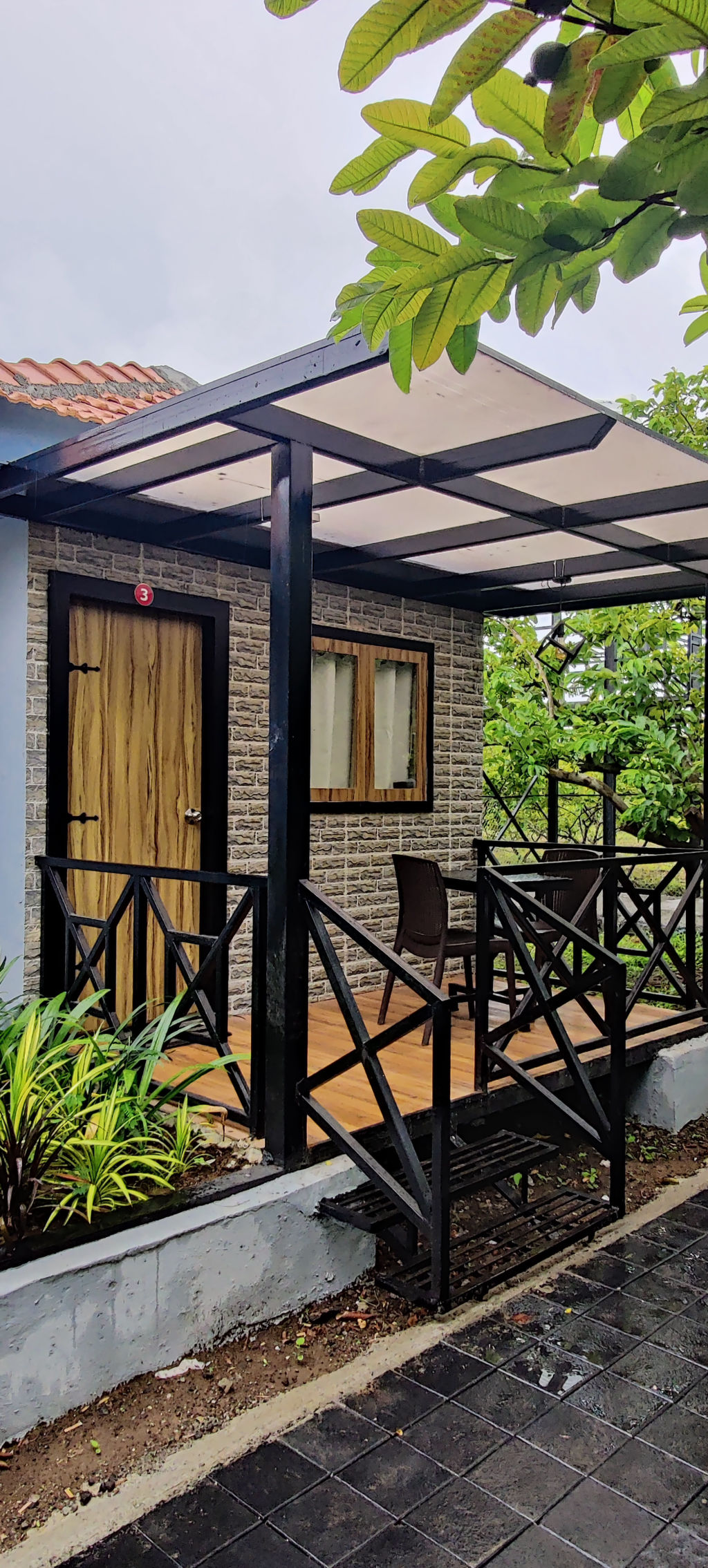
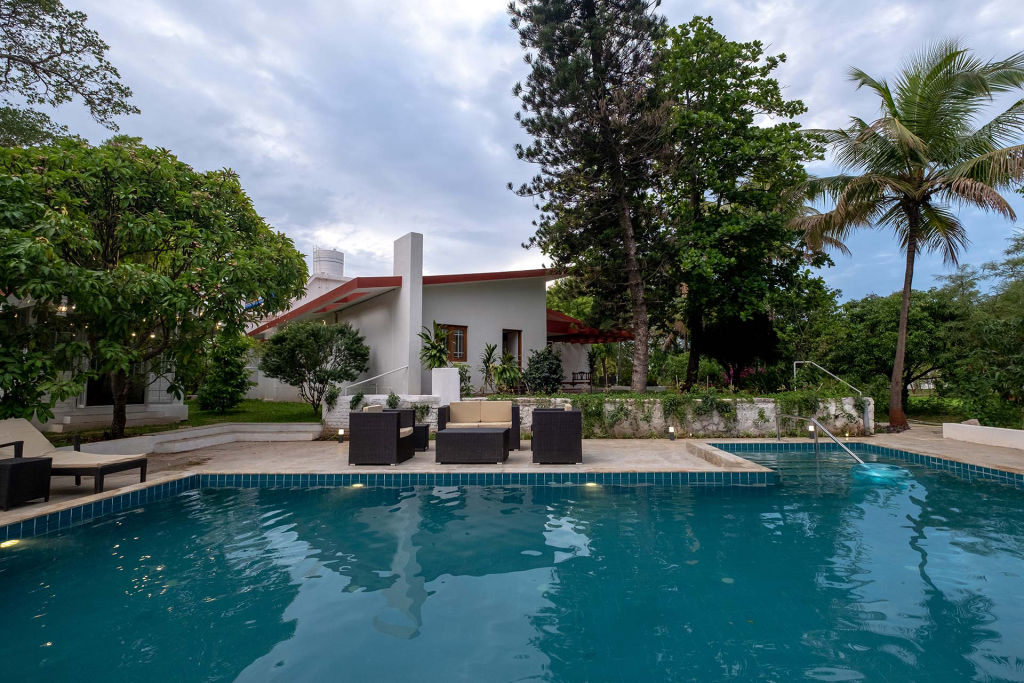
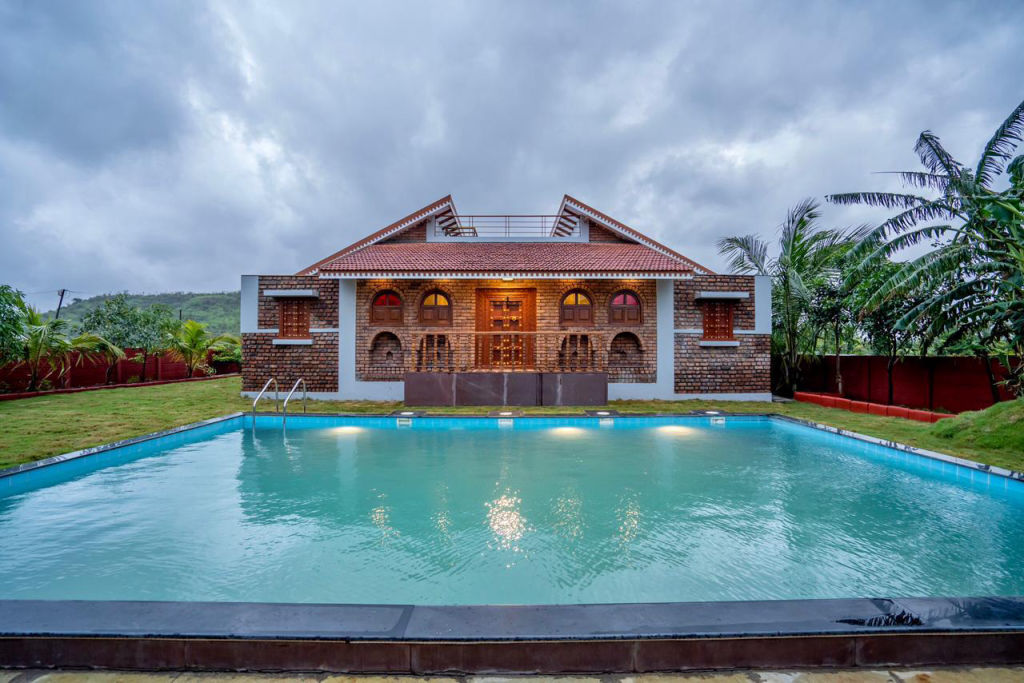
Travelers wishing to extend their visit beyond a day trip will find a wide variety of rural accommodations across the Nashik countryside. From peaceful countryside retreats and rustic farm stays to scenic nature camps nestled near reservoirs and vineyards, options exist for every travel style.
To find authentic outdoor getaways, riverside campsites, and verified local homestays in and around the Nashik area, browse the curated listings available on HireACamp. Staying nearby allows you to start your trek at sunrise, avoiding midday heat while experiencing the serene rural charm of Maharashtra.
Frequently asked questions
How long does it take to climb Ramshej Fort?
The trek from the base village of Ashewadi to the fort summit typically takes between an hour to an hour and a half at a steady, moderate pace. Exploring the ruins, water tanks, and viewpoints on the plateau takes an additional one to two hours.
Is the trek to Ramshej Fort difficult for beginners?
No, the trek is considered easy to moderate and is well-suited for beginners, families, and casual hikers. The path is clear, and the carved stone stairs near the top make the final climb straightforward.
Are there food and water facilities available at Ramshej Fort?
There are no permanent food stalls or reliable drinking water facilities on top of the fort. Trekkers should carry adequate drinking water, snacks, and any necessary meals from the base village or Nashik city.
Can Ramshej Fort be visited during the monsoon?
Yes, the monsoon season is one of the most picturesque times to visit due to lush greenery and cool weather, though hikers must be mindful of slippery paths and rock surfaces along the trail.
Where you'll be
Nashik, MH · 4 stays nearby shown with prices
Stays near Ramshej Fort
Book a place to stay close by

More places near Ramshej Fort
Within 20 km


Lists for this area
Ranked by how many creators recommend each place


Built from 0 Instagram posts by 0 creators. Every tip links back to the post it came from, and where creators disagree we show both sides.






