
Rao Jodha Ji Statue
Monument near Jodhpur-North (M Corp.), Rajasthan
3.8 km from Jodhpur-North (M Corp.)
The nearest town, for stays, food and fuel.
The Rao Jodha Ji Statue is a prominent memorial dedicated to the fifteenth-century founder of Jodhpur, situated along the elevated ridges that overlook the historic city. Located near iconic landmarks like Mehrangarh Fort and Jaswant Thada, it marks the legacy of the Rathore ruler who established the Blue City in 1459. Visitors head here to pay homage to the city's architect and to take in expansive views of Jodhpur's rugged desert terrain.
Getting there
By road
- From Jodhpur-North (M Corp.)Nearest town18 min · 7.3 km
- From Jodhpur33 min · 13 km
- From Jaipur7 hr 5 min · 331 km
Typical drive times without traffic. Stations and airports from OLA Maps; distances and typical drive times from OpenStreetMap (© OpenStreetMap contributors); notes from creators' Reels.
About Rao Jodha Ji Statue
Written with AI from map data and general knowledge. Check prices and timings locally before you go.
About the Rao Jodha Ji Statue
The Rao Jodha Ji Statue stands as an enduring tribute to Rao Jodha, the 15th-century chieftain of the Rathore clan who founded the desert kingdom of Jodhpur in 1459. Recognizing the strategic vulnerabilities of the former capital at Mandore, Rao Jodha chose the imposing cliff known as Bhakurcheeria to build the formidable Mehrangarh Fort and establish a new royal seat. The monument depicts the ruler mounted on his horse, a classic equestrian posture that captures the martial heritage and vision of medieval Marwar.
Erected on a high rocky outcrop, the statue serves as a reminder of how human determination shaped life along the margins of the Thar Desert. As you stand before the memorial, the scale of the ruler's ambition becomes apparent. He unified fragmented territories and carved out an oasis of stone and craft that still thrives centuries later. For history enthusiasts and casual travellers alike, visiting the statue offers a grounded introduction to the political and military events that laid the foundation of modern Rajasthan.
Landscape and Views Around the Monument
The landscape surrounding the Rao Jodha Ji Statue is characterized by the ancient, volcanic Malani Igneous Suite rocks that define the Jodhpur ridge. These dark, weather-beaten rhyolite cliffs stand in stark contrast to the shifting dunes further west, forming an austere and dramatic environment. Wild desert vegetation, including thorny shrubs and hardy native trees, clings tenaciously to the stony fissures across the hillslopes.
From the statue's vantage point, travellers are treated to wide panoramas of the historic quarter below. The blue-washed Brahmin homes of Navchowkiya and the old town form a continuous sea of indigo beneath the looming ramparts of Mehrangarh Fort. On clear mornings or as the sun dips towards the horizon, the changing light brings out deep ochre, pink, and purple tones across the bare rock faces, making the site an exceptional place to observe the natural topography of the Marwar region.
Read more
Best Time to Visit
The winter season, lasting from October through March, is the most comfortable time to visit the Rao Jodha Ji Statue and explore Jodhpur on foot. During these cooler months, daytime temperatures generally stay between 15 and 25 degrees Celsius, offering clear skies, gentle breezes, and pleasant conditions for spending time outdoors. Because the monument stands in an open area with minimal canopy, the winter sun provides comfortable warmth rather than harsh heat.
Conversely, the summer months between April and June bring severe desert heat, with temperatures regularly surpassing 40 degrees Celsius. Exploring open-air monuments during peak summer afternoons is physically taxing and generally discouraged. If travelling during early summer or the brief monsoon window from July to September, plan your stop for early in the morning or just before dusk, when the rocks lose their daytime heat and the surrounding air begins to cool.
How to Reach Rao Jodha Ji Statue
The Rao Jodha Ji Statue is located within Jodhpur, making it easily accessible from all central transit hubs. Jodhpur has its own domestic airport with scheduled flights connecting major Indian cities such as Delhi, Mumbai, and Jaipur. The city is also a major railway junction with direct, frequent train services connecting northern, western, and central India.
From Jodhpur Junction railway station or the main bus stands, you can hire local auto-rickshaws, cycle rickshaws, or taxis to reach the ridge area near Mehrangarh and Jaswant Thada. The drive typically winds upward from the old city along paved hill roads. If you are travelling by private vehicle or hired car, parking spaces are generally available near the surrounding monument complexes, though walking the final stretch along stone-paved pathways is often necessary.
Places to Visit Nearby
Because the statue is set in the historic heart of Jodhpur, several important cultural and ecological attractions are located within a short distance. Mehrangarh Fort, located approximately two kilometres away, is one of India's largest and most intact hill forts, housing an expansive museum of royal artefacts and palatial courtyards. Just one kilometre from the statue sits Jaswant Thada, a white marble cenotaph complex surrounded by tiered gardens and a serene lakeside setting.
Nature lovers can head to the adjacent Rao Jodha Desert Rock Park, situated roughly two kilometres away, which preserves restored native desert flora across rugged volcanic ravines. Down in the vibrant streets of the old city, about two kilometres from the statue, travellers can visit the historic stepwell Toorji Ka Jhalra Bavdi and the bustling market surrounding Ghanta Ghar. For an extended excursion, the ancient temples and cenotaphs of Mandore Garden lie approximately five kilometres north, while the serene waters of Kaylana Lake sit about seven kilometres to the west.
Tips for Travellers
The open, elevated nature of the site means you should come prepared for direct exposure to the sun and wind. Wear a wide-brimmed hat, carry sunglasses, and apply sunscreen, even during the cooler winter months. Sturdy, closed-toe walking shoes with dependable grip are recommended, as the paths and rocky terraces around the monument can be uneven and dusty.
Always carry a reusable water bottle to maintain hydration in the arid desert air. If you plan to take photographs, early morning provides the softest light and smallest crowds, allowing for uninterrupted views of the statue against the fort backdrop. Since this is a public memorial honouring a regional historical figure, visitors are expected to maintain decorum and keep the premises free of litter.
Where to Stay
Jodhpur caters to a wide spectrum of travellers, offering accommodation styles that range from centuries-old heritage havelis inside the narrow alleys of the blue city to sprawling rural retreats on the desert outskirts. Staying within the old town lets you walk among bustling bazaars and historic gateways, while the open countryside beyond the urban perimeter provides peaceful nights under broad starry skies.
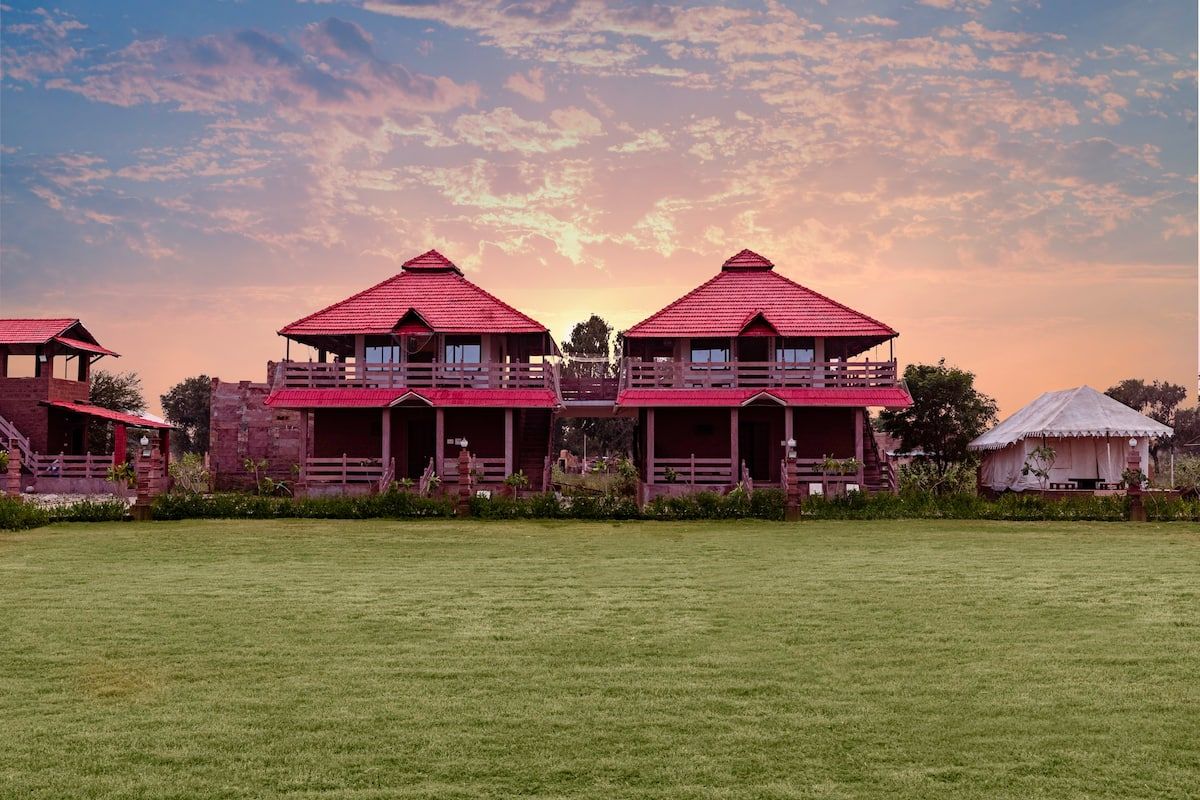
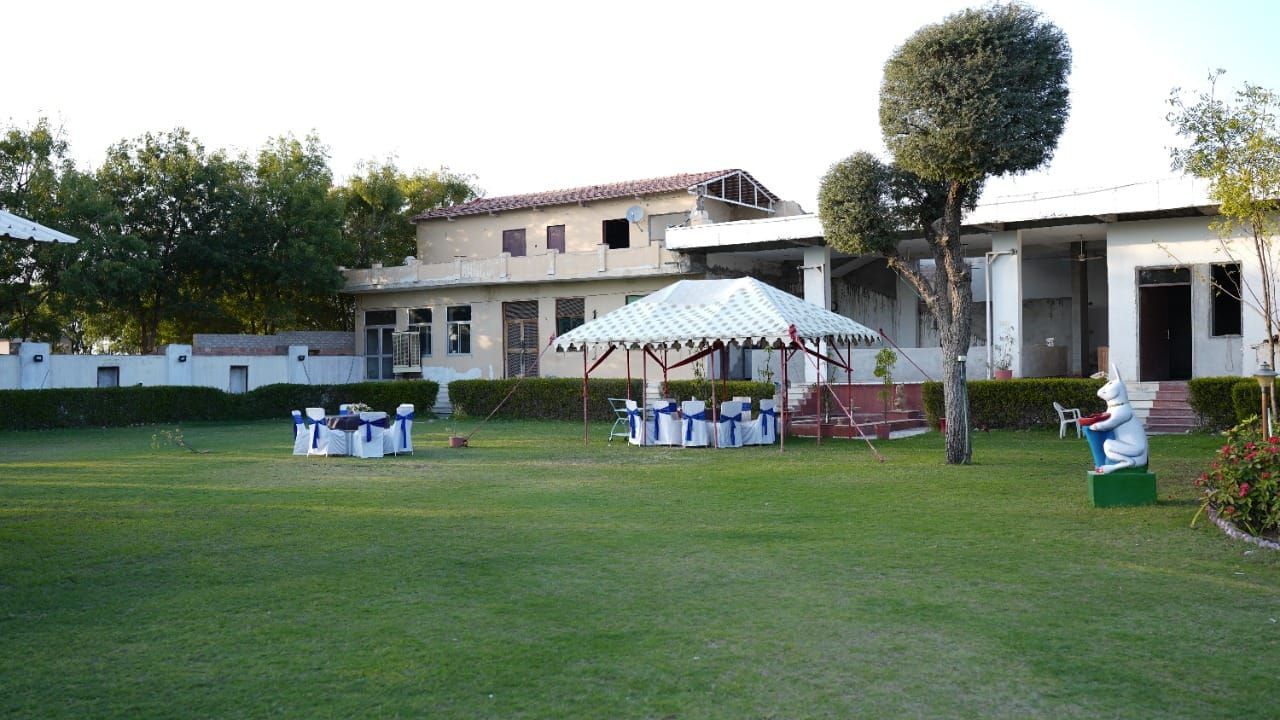
If you prefer characterful, experiential lodging, you can find authentic homestays, rustic farm stays, and desert campsites in and around Jodhpur on HireACamp. Booking through the platform connects you with local hosts who can offer homemade regional cuisine and insights into the culture of Marwar.
Frequently asked questions
Who was Rao Jodha?
Rao Jodha was a fifteenth-century Rathore warrior king who founded the city of Jodhpur in 1459 and laid the foundation of the historic Mehrangarh Fort.
Where is the Rao Jodha Ji Statue located?
The statue is situated on an elevated ridge in Jodhpur, Rajasthan, close to major landmarks including Mehrangarh Fort and Jaswant Thada.
What is the best time of day to visit the statue?
Early mornings and late afternoons are the ideal times to visit, providing cooler weather, comfortable walking conditions, and flattering natural light for photography.
Are there other historic sights within walking distance of the statue?
Yes, major historic attractions such as Jaswant Thada, Mehrangarh Fort, and the Rao Jodha Desert Rock Park are located within one to two kilometres of the statue.
Do I need a special permit to visit the Rao Jodha Ji Statue?
A special travel permit is generally not required for domestic or foreign tourists, but visitors should check locally for any site-specific access regulations.
Where you'll be
Jodhpur · 2 stays nearby shown with prices
Stays near Rao Jodha Ji Statue
Book a place to stay close by
More places near Rao Jodha Ji Statue
Within 20 km


Lists for this area
Ranked by how many creators recommend each place


Built from 0 Instagram posts by 0 creators. Every tip links back to the post it came from, and where creators disagree we show both sides.






