
Sal River
Riverside spot near Cavelossim, Goa
2 km from Cavelossim
The nearest town, for stays, food and fuel.
The Sal River is a tranquil coastal waterway winding through the Salcete taluka of South Goa before emptying into the Arabian Sea near Cavelossim. Surrounded by lush mangroves, backwaters, and sleepy fishing hamlets, it provides a peaceful contrast to Goa's busier beach strips. Travellers visit to enjoy scenic boat trips, birdwatching, and the slow, scenic rhythm of riverside village life.
Getting there
By road
- From CavelossimNearest town8 min · 3.7 km
- From Pune9 hr 50 min · 476 km
Typical drive times without traffic. Stations and airports from OLA Maps; distances and typical drive times from OpenStreetMap (© OpenStreetMap contributors); notes from creators' Reels.
About Sal River
Written with AI from map data and general knowledge. Check prices and timings locally before you go.
The Landscape of the Sal River
The Sal River is one of the most prominent natural waterways in South Goa, flowing southward parallel to the coast through the historic taluka of Salcete. As it approaches the Arabian Sea near the villages of Mobor and Betul, it forms a rich estuarine network characterized by brackish backwaters, wide bends, and verdant mudflats. Unlike the heavily commercialized rivers of the north, the Sal River retains a remarkably serene, traditional coastal atmosphere.
The banks of the river are lined with dense mangrove forests that play an essential role in stabilizing the coastal ecosystem. These tangled root systems act as breeding grounds and nurseries for diverse species of fish, crabs, and river prawns. Along the floodplains, travellers can observe traditional khazan land systems, which are centuries-old community-managed estuarine wetlands engineered to balance tidal flow for saline-resistant rice farming and aquaculture.
Things to do along the Sal River
Taking to the water is the highlight of visiting the Sal River. Hiring a local boat or paddling a kayak through the quieter channels allows you to navigate the intricate mangrove creeks and observe rural Goan life from the water. Early mornings are exceptionally peaceful, with mist hovering over the glass-like water and the riverbanks echoing with bird calls.
Birdwatching along the Sal River is rewarding for both casual watchers and avid naturalists. The mix of mudflats, sandbars, and mangrove canopies attracts diverse bird life. Kingfishers, egrets, and pond herons are common sights along the water's edge, while raptors like white-bellied sea eagles, ospreys, and brahminy kites can often be seen circling overhead or perched on tall riverbank palms.
The riverfront also appeals to recreational anglers and photographers. Fishing from village piers and embankments is a classic pastime here, with anglers waiting for the incoming tide to bring in sea bream and snapper. Photographers will find striking compositions in the traditional wooden canoes tied to coconut trunks, the textured mudflats at low tide, and the golden evening light reflecting off the water.
Read more
Best time to visit the Sal River
The ideal time to visit the Sal River is from November through February. The winter months bring dry, sunny days, reduced humidity, and comfortably cool evenings to South Goa. This season also coincides with the presence of wintering migratory birds, making it the finest window for nature photography and water excursions.
The monsoon season from June to September transforms the river basin into an intensely lush landscape. While heavy rains feed the waterway and blanket the surrounding countryside in vibrant greenery, commercial boat rides and kayaking may be limited or suspended during severe squalls due to elevated currents. Travellers who enjoy quiet, atmospheric rainscapes will appreciate visiting the banks during breaks in the monsoon.
From March to May, the region experiences warm and humid summer conditions. While river visits are still enjoyable during this period, outdoor activities and boat excursions are best scheduled for the early morning or late afternoon to avoid the midday heat.
How to reach the Sal River
The Sal River is conveniently accessible from several towns and transit hubs in South Goa. The primary gateway is the commercial city of Margao, situated roughly fifteen kilometres to the north. Margao Railway Station is a major stop on the Konkan Railway network, offering regular train connectivity to major cities across western and southern India.
If you are arriving by air, Goa International Airport at Dabolim is located about forty kilometres north of the river's lower course, while Manohar International Airport at Mopa is situated farther north. Taxis and rental vehicles are widely available at both airports and in Margao to make the journey south.
Public buses operate frequently between Margao and the riverside coastal villages such as Cavelossim and Assolna. For maximum flexibility, renting a scooter or car allows you to explore the winding lanes, picturesque bridge crossings, and quiet river viewpoints at your own pace.
Places to visit nearby
A trip to the Sal River can easily be combined with exploring the highlights of South Goa's coastal belt. Just west of the river lies Cavelossim Beach and Mobor Beach, known for their long stretches of white sand, gentle surf, and peaceful seaside atmosphere. Near the mouth of the river at Betul, visitors can explore coastal headlands offering panoramic vistas where the river meets the Arabian Sea.
Inland from the river, the landscape rises into rolling hills dotted with historic cultural landmarks. Shri Chandreshwar Bhootnath Temple, perched atop Chandranath Hill near Paroda, offers expansive views over the green southern countryside and the Arabian Sea in the distance. Further inland, the temple of Shri Shantadurga Ballikarin in Fatorpa is a significant spiritual center celebrated for its traditional Goan temple architecture.
History enthusiasts can also visit Chieftain's Memorial Park in Cuncolim, a site commemorating the historic local uprising against colonial rule, offering meaningful context on the heritage of the Salcete region.
Tips for visiting the Sal River
Sun protection is essential when spending time along the open water. Carry a wide-brimmed hat, polarized sunglasses to cut the water's glare, and sunscreen. Lightweight cotton clothing and comfortable footwear suitable for walking along damp jetties or boat slips will keep you comfortable.
If you plan to walk near the mangroves or spend the evening along the water, carrying mosquito repellent is recommended. A pair of binoculars is invaluable for spotting water birds resting in the dense foliage or hunting on distant sandbanks.
Respect the delicate estuarine habitat by taking all your waste back with you and avoiding the use of single-use plastics near the water. Check locally with boat operators regarding seasonal schedules, safety vests, and current water conditions before heading out.
Where to stay near the Sal River
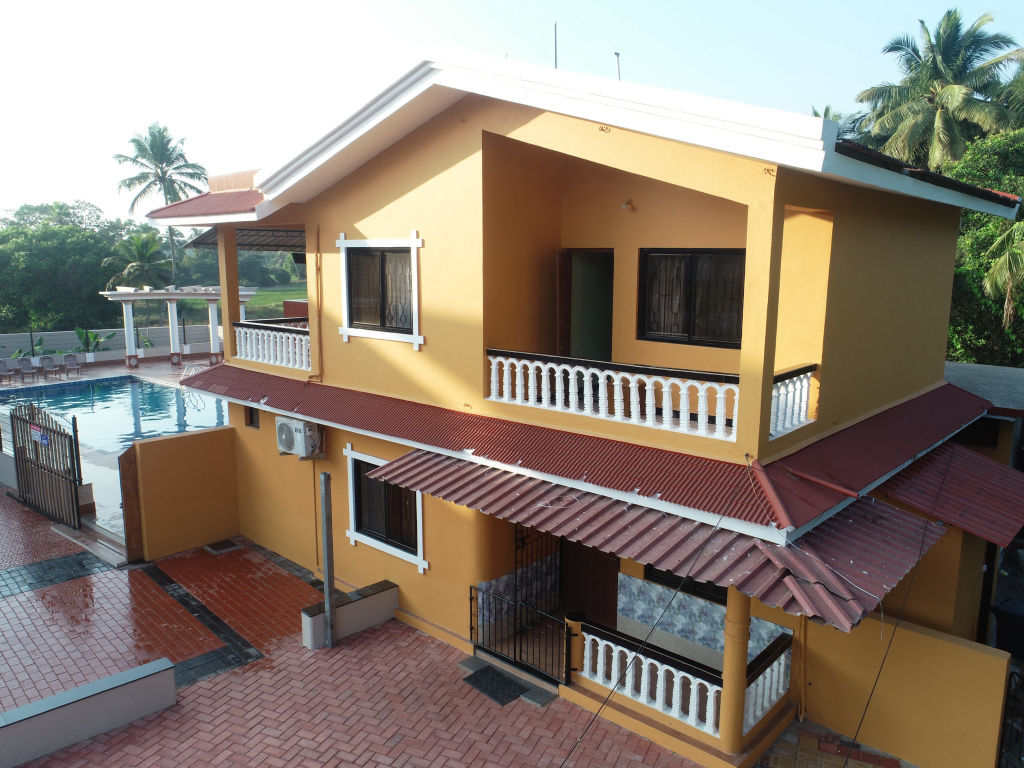
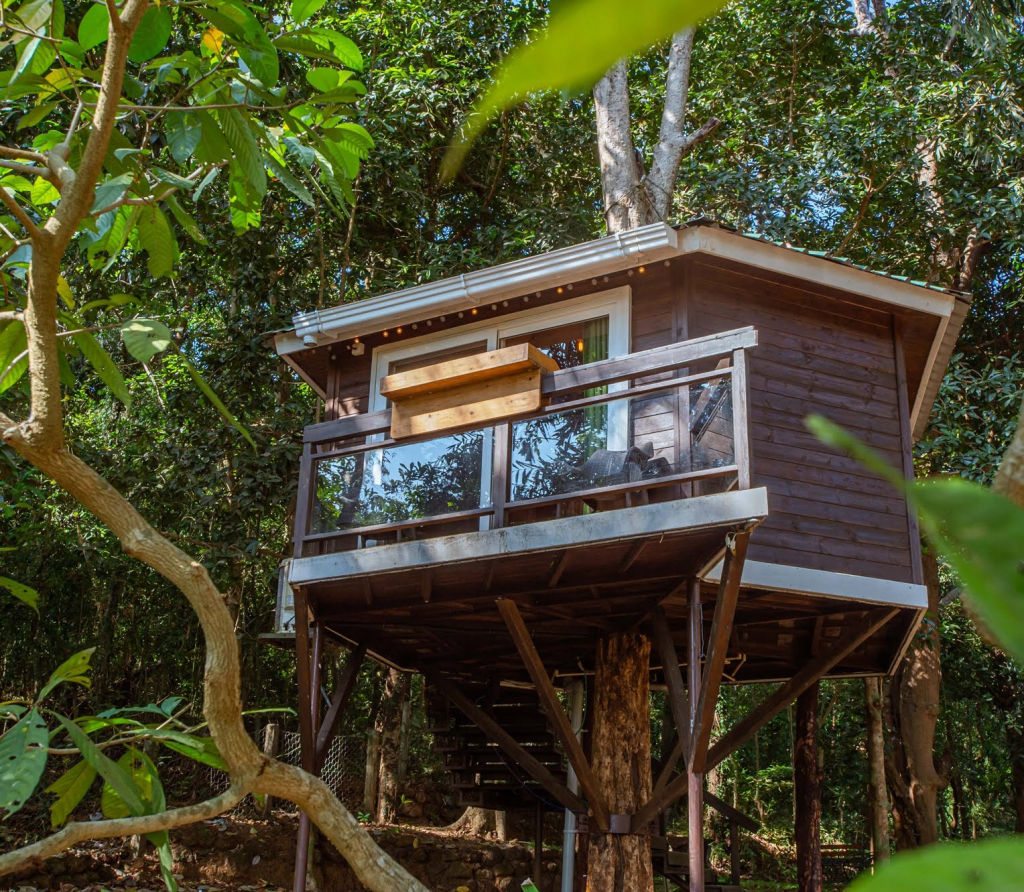
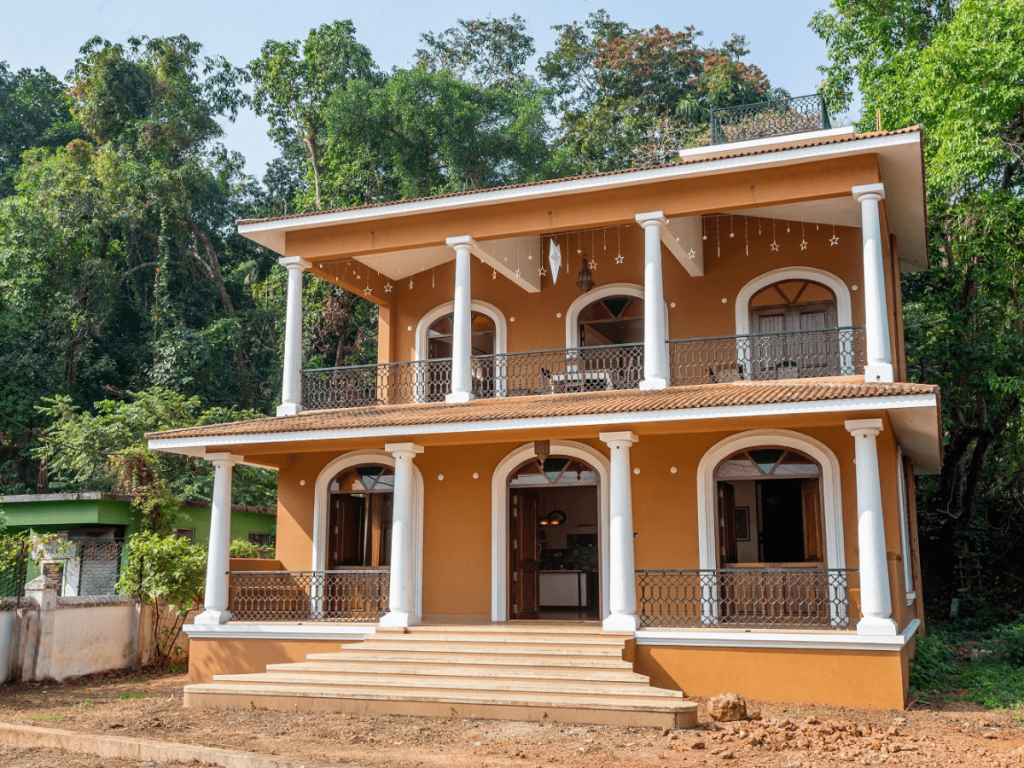
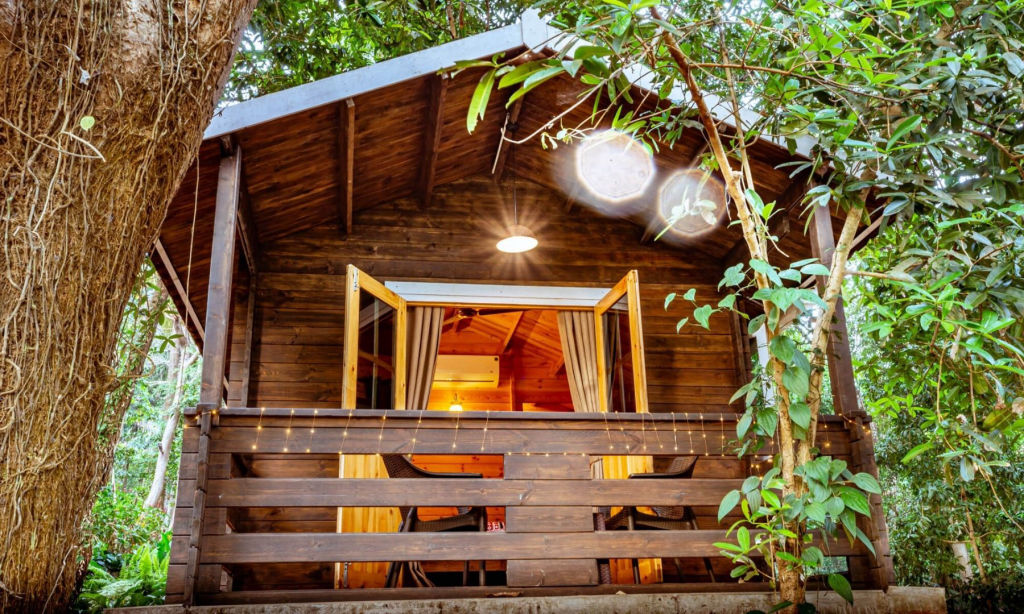
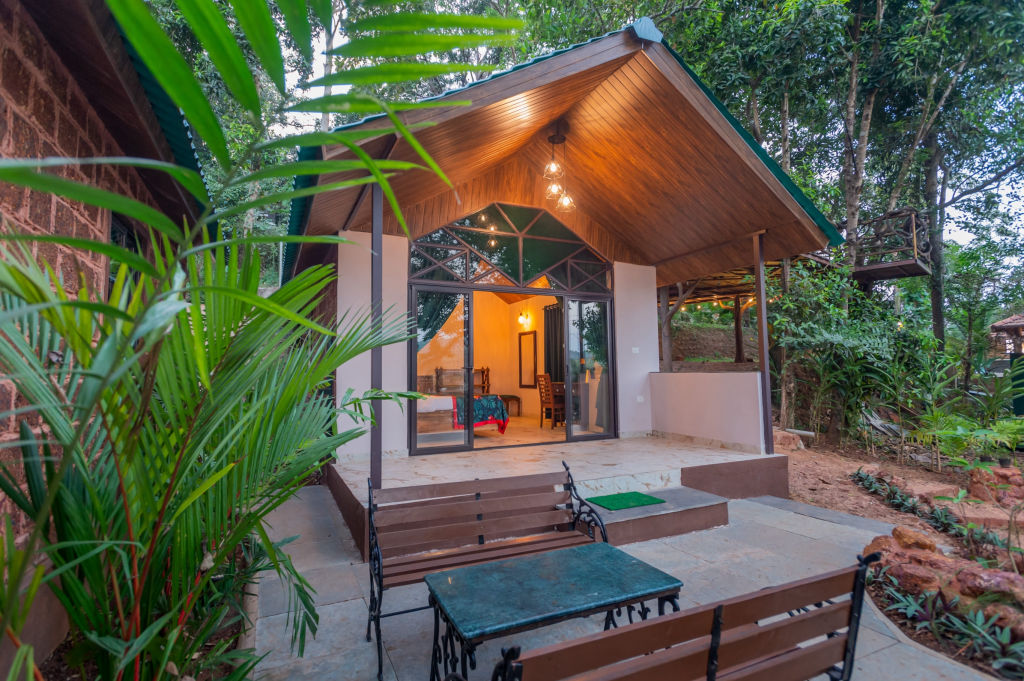
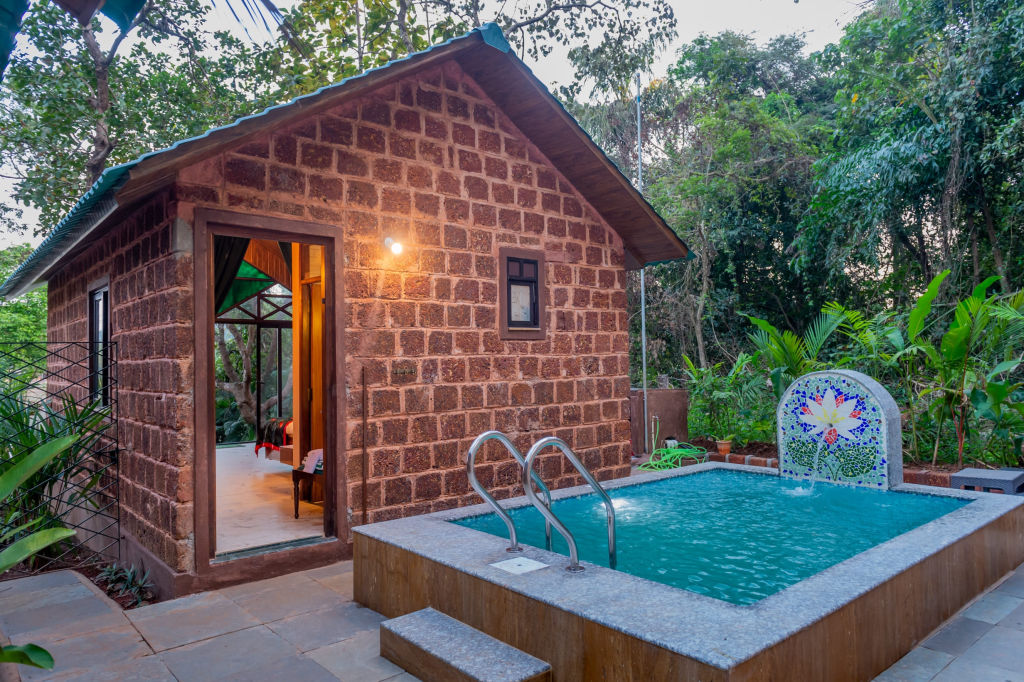
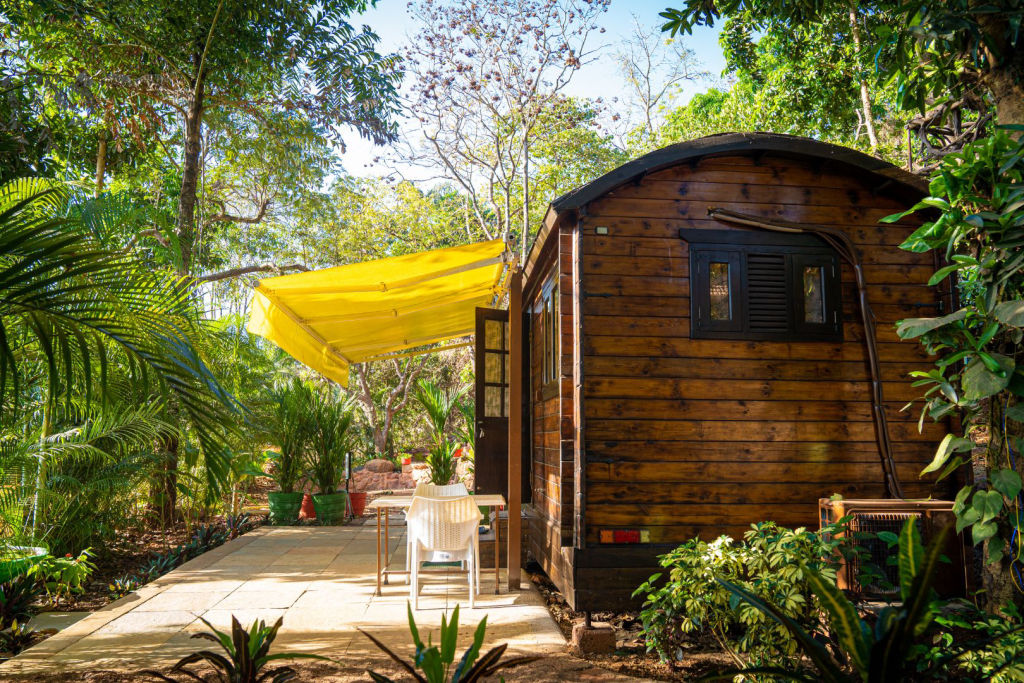
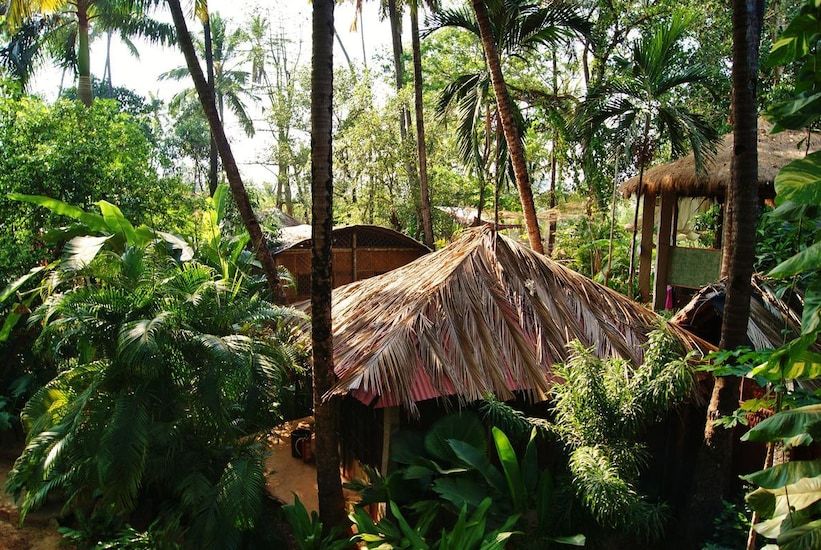
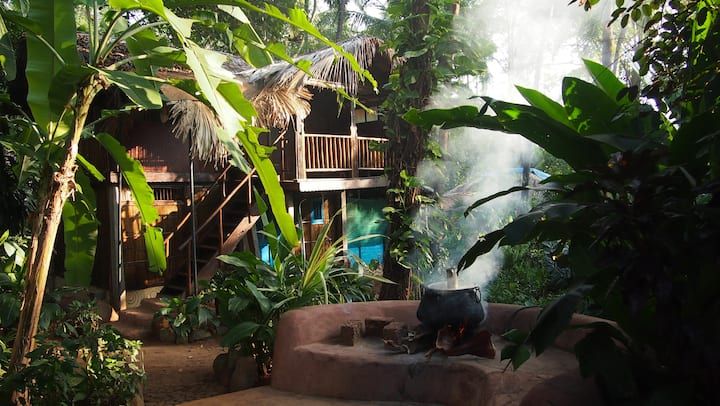
The areas bordering the Sal River and the nearby Cavelossim coastline offer diverse accommodation options, from quiet village homestays nestled among palm groves to nature-oriented retreats and rustic setups near the water. Staying close to the river allows you to experience peaceful mornings, undisturbed sunsets, and easy access to coastal beaches. You can find camps, homestays, and unique stays near the Sal River on HireACamp.
Frequently asked questions
Where is the Sal River located?
The Sal River is located in the Salcete taluka of South Goa, India, flowing past towns like Cavelossim and Assolna before meeting the Arabian Sea at Betul.
Can you go boating or kayaking on the Sal River?
Yes, boat rides and kayaking are popular activities on the Sal River, particularly for exploring the quiet mangrove channels and watching river wildlife. Check locally at riverside jetties or with local operators for current availability.
What kind of wildlife can you see around the Sal River?
The river is home to a thriving bird population including kingfishers, egrets, ospreys, and white-bellied sea eagles, as well as marine life like crabs, mudskippers, and various brackish-water fish.
What is the best time of year to visit the Sal River?
The best time to visit is from November to February when the weather is pleasant, daytime humidity is relatively low, and migratory birds are present in the wetlands.
How far is the Sal River from Margao?
The lower stretches of the Sal River near Cavelossim are approximately fifteen kilometres south of Margao, making it accessible within a short drive.
Where you'll be
Salcete · 10 stays nearby shown with prices
Stays near Sal River
Book a place to stay close by

More places near Sal River
Within 20 km
Built from 0 Instagram posts by 0 creators. Every tip links back to the post it came from, and where creators disagree we show both sides.






