
Salawas
Destination in Rajasthan
Salawas is a tranquil craft village situated just south of Jodhpur in the arid plains of western Rajasthan. It is celebrated worldwide for its generational tradition of handwoven flatweave rugs, locally called durries, crafted on traditional pit looms. Travellers visit Salawas to experience authentic rural Rajasthani culture, witness master weavers at work, and enjoy an unhurried escape close to the bustling historic hub of Jodhpur.
Getting there
By road
- From Jodhpur48 min · 16 km
- From Jaipur7 hr 15 min · 338 km
Typical drive times without traffic. Stations and airports from OLA Maps; distances and typical drive times from OpenStreetMap (© OpenStreetMap contributors); notes from creators' Reels.
Itinerary for Salawas and Jodhpur
Practical itineraries covering historic forts, heritage stepwells, panoramic viewpoints, and regional culinary spots around Salawas and Jodhpur.
One-Day Historic Highlights Tour
Best for travellers wanting to see the primary fort, monument, and Old City viewpoints in a single day
Day 1
Fortresses, Stepwells, and Sunset Views
morning
Toorji Ka Jhalra BavdiAbout 45 min
Start early around 7:00 AM to see the historic stepwell and intricate stone carvings; admission is free.
morning
Mehrangarh FortAbout 2 hr 30 min · 500 m from the last stop
Tour the architecture, palaces, and museum collections. Budget 2 to 3 hours; entry is ₹200 and includes the museum.
afternoon
Jaswant ThadaAbout 1 hr · 900 m from the last stop
Walk over from Mehrangarh Fort to see this marble monument known locally as the Taj Mahal of Rajasthan; entry is ₹30.
evening
Pachetia HillAbout 1 hr · 1.2 km from the last stop
Arrive around 5:30 PM for panoramic sunset views overlooking the blue houses of Jodhpur.
evening
Ghanta Ghar JodhpurAbout 45 min · 700 m from the last stop
Visit the Clock Tower and explore the bustling surrounding bazaar in the evening.
- Avoid driving personal or rental cars directly into the Old City's narrow lanes, as vehicles can get stuck in alleys where turning is impossible; travel on foot or take an auto-rickshaw instead.
- When booking havelis or hotels in the Old City, check vehicle road access, parking availability, and luggage carrying distances in advance rather than relying solely on photographs.
- Do not depend on cab apps such as Ola or Uber for return pick-ups from Jaswant Thada, as cabs are unavailable there; arrange a rental vehicle or personal transport.
- Carry physical cash to buy entry admission tickets at Jaswant Thada.
- Decline offers from touts around Mehrangarh Fort promising exclusive access to restricted areas, as these typically lead into high-pressure souvenir traps; rely only on official tickets and certified guides.
- If planning to do the Flying Fox zipline circuit at Mehrangarh Fort, arrive early in the day, as operations cease well before the 5:30 PM fort closure.
- Wear sports shoes when visiting Rao Jodha Desert Rock Park, as navigating the trails requires walking over rocky terrain.
- Wear vibrant-coloured clothing when visiting Navchowkiya to make photos stand out clearly against the blue-painted walls.
Visit lengths are suggestions; distances are straight-line between stops.
About Salawas
Written with AI from map data and general knowledge. Check prices and timings locally before you go.
The weaving heritage of Salawas
Salawas is synonymous with the age-old art of durrie weaving, a craft passed down through generations of local artisan families. Unlike machine-made carpets, each durrie in Salawas is woven entirely by hand using cotton, camel hair, or wool. The village's artisans use subterranean pit looms, where the weaver sits at floor level with foot pedals set into a trench beneath the frame. This traditional setup allows the weavers to maintain even tension and intricate geometric precision across large canvases.
The motifs woven into Salawas durries reflect the desert landscape, local wildlife, and folklore. Geometric patterns, camel tracks, peacocks, and traditional floral borders are common design elements, dyed with natural and fast vegetable pigments. Watching these textiles take form is an immersive experience. Visitors can sit beside the artisans, listen to the rhythmic clack of the wooden looms, and gain a profound appreciation for a craft that takes days or even weeks of concentrated labour for a single piece.
Things to do in and around Salawas
Spending time in Salawas revolves around slow, mindful exploration of village traditions. Beyond observing master weavers, travellers can walk through the village lanes to see local potter families shaping terracotta vessels on manual potter's wheels. The earthy rhythm of life here is distinct from Rajasthan's busier tourist centres, offering genuine insight into community living and rural architecture marked by mud plaster walls and thatched roofs.
The scrub forests and agrarian fields surrounding Salawas are inhabited largely by the Bishnoi community, who are well known for their environmental stewardship and protection of local fauna. A quiet morning or evening walk along the outskirts often yields sightings of blackbucks, chinkaras, and desert foxes wandering through the open grasslands. Birdwatchers will also find a variety of resident and migratory species, particularly around nearby village water bodies during the winter months.
Read more
Places to visit nearby
Salawas is located roughly twenty kilometres from the centre of Jodhpur, making it an ideal base or day trip for exploring the historic landmarks of the Marwar region. The imposing Mehrangarh Fort stands on a cliff overlooking Jodhpur's blue quarter, offering sweeping views, royal palanquins, and museum galleries. Just adjacent to the fort, the milky-white marble cenotaphs of Jaswant Thada and the restored desert habitats of Rao Jodha Desert Rock Park provide peaceful spaces to walk and observe local ecology.
Within Jodhpur's old city walls, travellers can explore the stepwell architecture of Toorji Ka Jhalra Bavdi and the buzzing bazaars surrounding the Ghanta Ghar clock tower. For those interested in grand architecture, the twentieth-century sandstone facades of Umaid Bhawan Palace are located less than twenty kilometres away. Travellers seeking natural landscapes and calm waters can head towards Kaylana Lake, while those interested in historic gardens and ancient Marwar memorials can spend an afternoon wandering through Mandore Garden.
Best time to visit Salawas
The winter season, stretching from October through March, is the most comfortable and pleasant time to visit Salawas. Daytime temperatures during these months remain mild and sunny, perfect for strolling through the village, watching artisans at work outdoors, and exploring desert landscapes. Nights in December and January can become quite cold, dropping significantly as the desert sand cools, so carrying warm layers is essential.
Summer in this region, which runs from April to June, brings intense heat with daytime temperatures frequently rising above forty degrees Celsius. Outdoor activities are difficult during these months, though the village remains quiet and slow-paced. The monsoon season between July and September brings occasional rains that revive the thorny scrub vegetation, offering cooler breezes and greener vistas, though humidity can be high on overcast days.
How to reach Salawas
Salawas is easily accessible through Jodhpur, which serves as the primary transport gateway for western Rajasthan. Jodhpur Airport has scheduled domestic flights connecting to major Indian cities such as Delhi, Mumbai, and Jaipur. Jodhpur Junction is also a major railway hub with extensive rail connections across the country.
From Jodhpur city, Salawas is an easy road journey of approximately twenty kilometres south. Travellers can hire local taxis, take an auto-rickshaw for a day excursion, or use rural passenger buses that ply between Jodhpur and neighbouring villages. The drive passes through suburban settlements before opening into the flat, scrub-dotted Marwar countryside.
Where to stay in and around Salawas
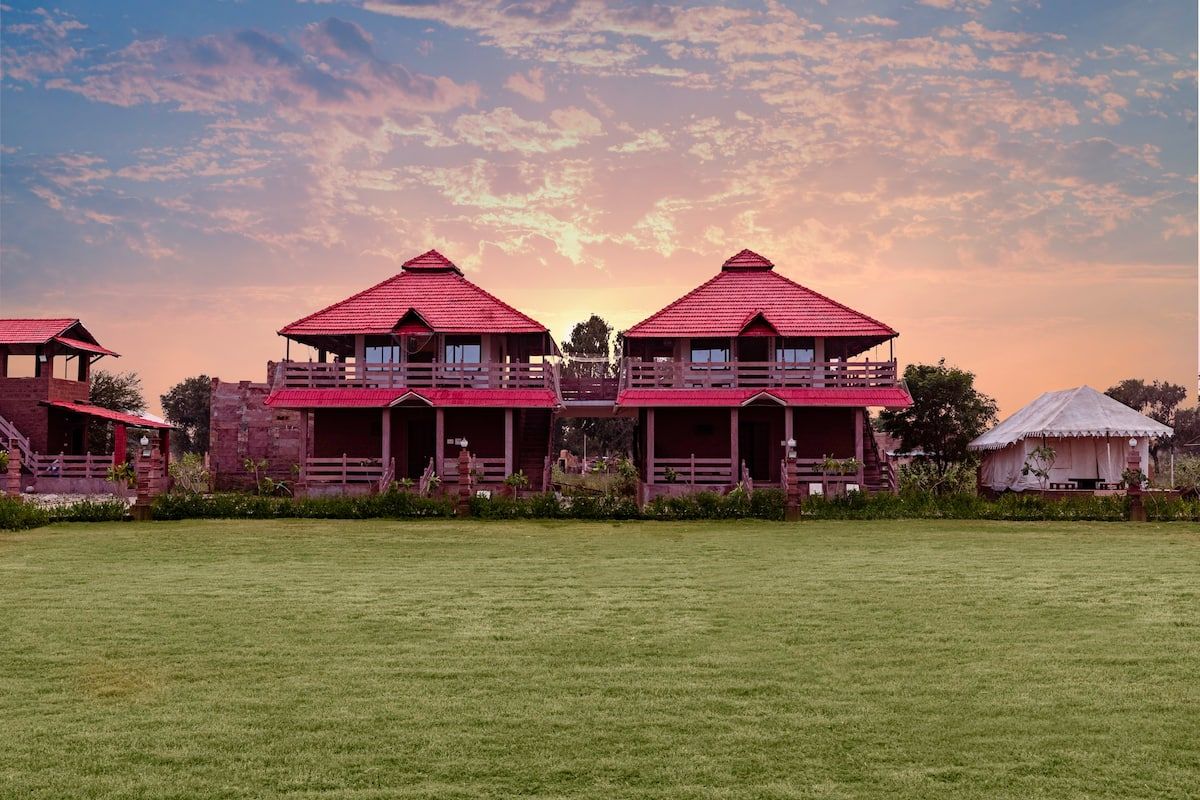
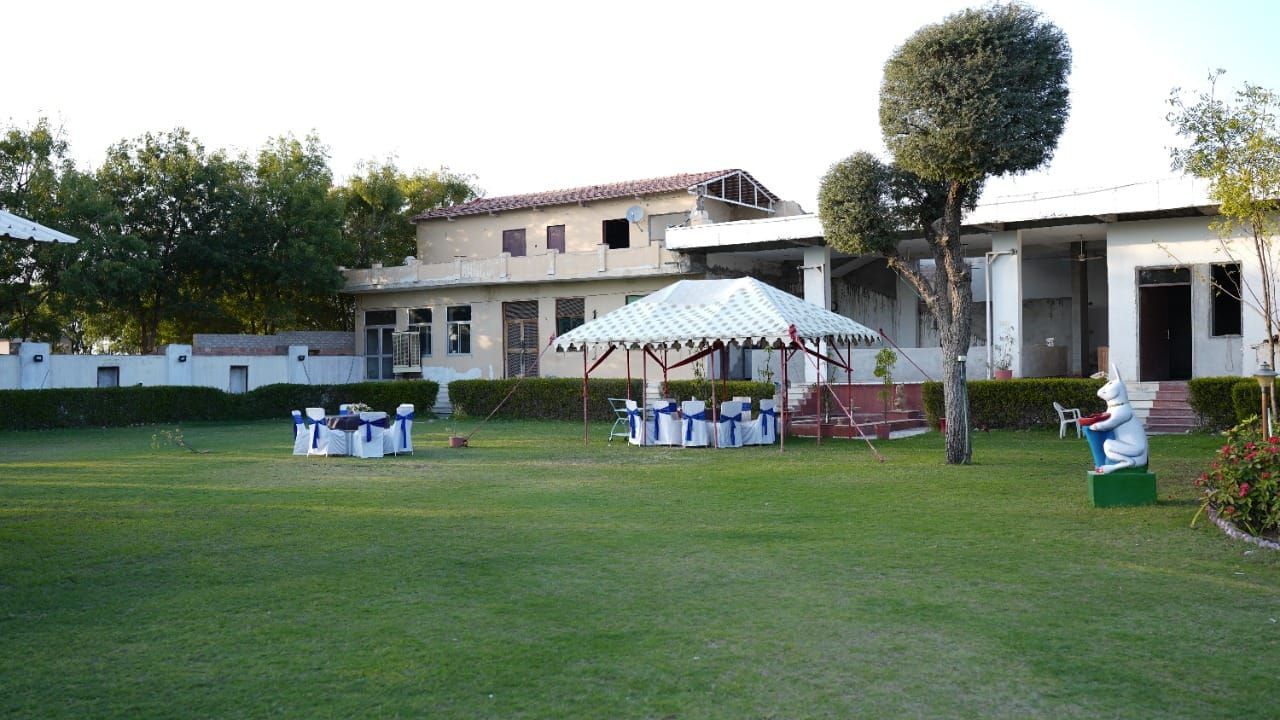
Travellers seeking an authentic, peaceful desert experience can choose rural accommodations in and around Salawas. Staying in the village environment allows you to wake up to bird calls, experience traditional home-cooked Rajasthani meals, and engage closely with the host families and local artisans.
Alternatively, many visitors stay in Jodhpur to access its wider array of urban comforts and travel to Salawas as an easy half-day or full-day cultural excursion. If you are looking for rural homestays, heritage settings, or experiential stays near Salawas, you can browse verified listings on HireACamp to plan your trip.
Frequently asked questions
What is Salawas famous for?
Salawas is famous for its traditional handloom durries, which are durable flatweave rugs made by local artisan families using cotton, wool, and camel hair on pit looms.
How far is Salawas from Jodhpur?
Salawas is situated roughly twenty kilometres south of Jodhpur, making it an easy drive of under an hour by taxi or auto-rickshaw.
Can visitors buy rugs directly from artisans in Salawas?
Yes, visitors can watch the durries being woven and purchase or order custom designs directly from the weaving families in the village.
Is Salawas suitable for a day trip?
Yes, Salawas makes an excellent half-day or full-day excursion from Jodhpur for anyone interested in traditional crafts, village life, and rural heritage.
Where you'll be
2 stays nearby shown with prices
Stays near Salawas
Book a place to stay close by
Things to do in Salawas
45 places creators recommend within 30 km


Lists for this area
Ranked by how many creators recommend each place


Built from 0 Instagram posts by 0 creators. Every tip links back to the post it came from, and where creators disagree we show both sides.






