
Sangramdurg Fort
Fort near Khed, Maharashtra
11 km from Khed
The nearest town, for stays, food and fuel.
Sangramdurg Fort, situated in the historic settlement of Chakan within the Khed region of Maharashtra, is a rare example of a Maratha land fort. Unlike the high-altitude citadels common across the Sahyadri range, this fortress was raised on flat terrain with stout stone bastions and an enclosing defensive moat. Travellers and history enthusiasts visit the site to explore its weathered ramparts and connect with the famous seventeenth-century standoff fought here under Maratha commander Firangoji Narsala.
Getting there
By road
- From KhedNearest town18 min · 12 km
- From Pune1 hr · 34 km
- From Mumbai 2 hr 25 min · 143 km
- From Nashik3 hr 45 min · 183 km
Typical drive times without traffic. Stations and airports from OLA Maps; distances and typical drive times from OpenStreetMap (© OpenStreetMap contributors); notes from creators' Reels.
About Sangramdurg Fort
Written with AI from map data and general knowledge. Check prices and timings locally before you go.
About Sangramdurg Fort
Sangramdurg Fort, often referred to as Chakan Fort, occupies a pivotal place in the Deccan military chronicles. Positioned in the fertile plains north of Pune, the fort served as a vital strategic outpost guarding northern transit routes connecting Pune, Junnar, and the broader plateau. While the Western Ghats are renowned for towering cliff-top bastions, land forts or bhuikot killas like Sangramdurg were constructed directly upon plains, requiring specialized structural designs to withstand sustained attacks.
The fortress is relatively compact compared to grand mountain citadels, yet its engineering reflected practical defensive requirements. Surrounded by a wide perimeter ditch that once could be flooded, the fort was intended to disrupt direct cavalry charges and force approaching armies into narrow, vulnerable lanes of fire. Over the centuries, surrounding town expansions have developed around the perimeter, but the core walls, defensive towers, and ancient gates still preserve the atmosphere of an active garrison from the Maratha era.
History and the Legendary Siege
The defining chapter in the history of Sangramdurg Fort unfolded in the monsoon of 1660. The Mughal general Shaista Khan marched a vast army into the Deccan to suppress the rising Maratha influence. Recognizing Chakan as a critical barrier blocking the northern approaches to Pune, the Mughal force surrounded Sangramdurg Fort with immense manpower and heavy artillery.
The fort was under the command of Firangoji Narsala, a loyal commander of Chhatrapati Shivaji Maharaj. Despite having only a small garrison and facing an overwhelming force, Firangoji led an unyielding defense that lasted nearly two months. The Maratha soldiers held out against relentless cannon fire, repelling multiple assaults from within the fortress walls. The Mughals eventually managed to breach an outer corner of the fortification by detonating underground powder mines. Even after the outer wall collapsed, Firangoji and his men fought fiercely in the open breach before finally yielding after fifty-six days of resistance. Chhatrapati Shivaji Maharaj was so impressed by Firangoji's fortitude that he commended his bravery and granted him authority over another major fortress.
Read more
Architecture and Layout of the Fort
Sangramdurg Fort was planned as a fortified quadrangle built of dressed basalt stone blocks. The walls feature heavy semicircular bastions positioned at regular intervals, providing overlapping arcs of fire for archers, musketeers, and small swivel guns. The outer perimeter was protected by a deep moat, designed to prevent siege ladders and direct infantry assaults from reaching the base of the parapets easily.
Inside the fort, visitors can inspect remnants of ancient stonework, including ruined foundations of granaries, administrative quarters, and water retention systems. The presence of stone-carved motifs and traditional defensive embrasures offers insight into seventeenth-century military engineering. An old shrine dedicated to Chakreshwar stands within the surrounding complex, preserving local devotional traditions that have continued long after the fort ceased its role as an active military installation.
Best Time to Visit Sangramdurg Fort
The optimal period to explore Sangramdurg Fort is from October to February. During these post-monsoon and winter months, daytime temperatures across the Khed taluka remain pleasant and moderate, making outdoor walking along the ramparts comfortable. Clear winter skies and cooler breezes create ideal conditions for photography and historical exploration.
The monsoon months between June and September transform the surrounding countryside into a lush green belt, giving the basalt walls of the fort a dramatic, weathered appearance. However, heavy rains can leave pathways muddy and ground depressions waterlogged, requiring sturdy footwear. Summer runs from March to May and brings high temperatures, dry winds, and intense afternoon heat, which can make midday tours challenging. If travelling in the summer, early morning visits are strongly recommended.
How to Reach Sangramdurg Fort
Sangramdurg Fort is situated in the town of Chakan in the Khed region of Pune district. It is positioned roughly thirty kilometres north of central Pune, making it an accessible day excursion for travellers based in or passing through the city. The Pune-Nashik highway passes close to the town, providing direct road connectivity.
Travellers using public transport can board state transport buses or local suburban transit services operating regularly between Pune and Chakan or Rajgurunagar (Khed). From the primary bus stops in Chakan, local auto-rickshaws can take you to the fort gates. For those arriving from farther away, Pune Railway Station and Pune Airport serve as the primary transit hubs, from which private taxis, rental vehicles, or connecting buses can be arranged.
Tips for Travellers
Sangramdurg Fort sits directly adjacent to town lanes, so parking immediately outside the main gate can be tight on busy market days. It is advisable to park along broader approach roads and walk the final distance to the entryway. Wear comfortable walking shoes with decent grip, as the terrain within the ramparts consists of uneven earth, loose stones, and exposed masonry.
Carry drinking water and sun protection, especially if visiting between late morning and mid-afternoon, as shade within the central open spaces of the fort is limited. Respect the historical nature of the masonry by avoiding climbing on unstable wall sections or defacing old stone surfaces. Travellers should check locally for any current restoration activities or municipal guidelines regarding visitor entry.
Where to Stay
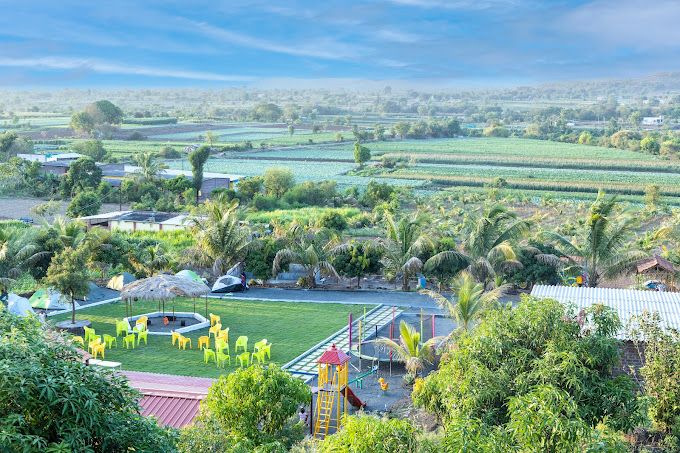
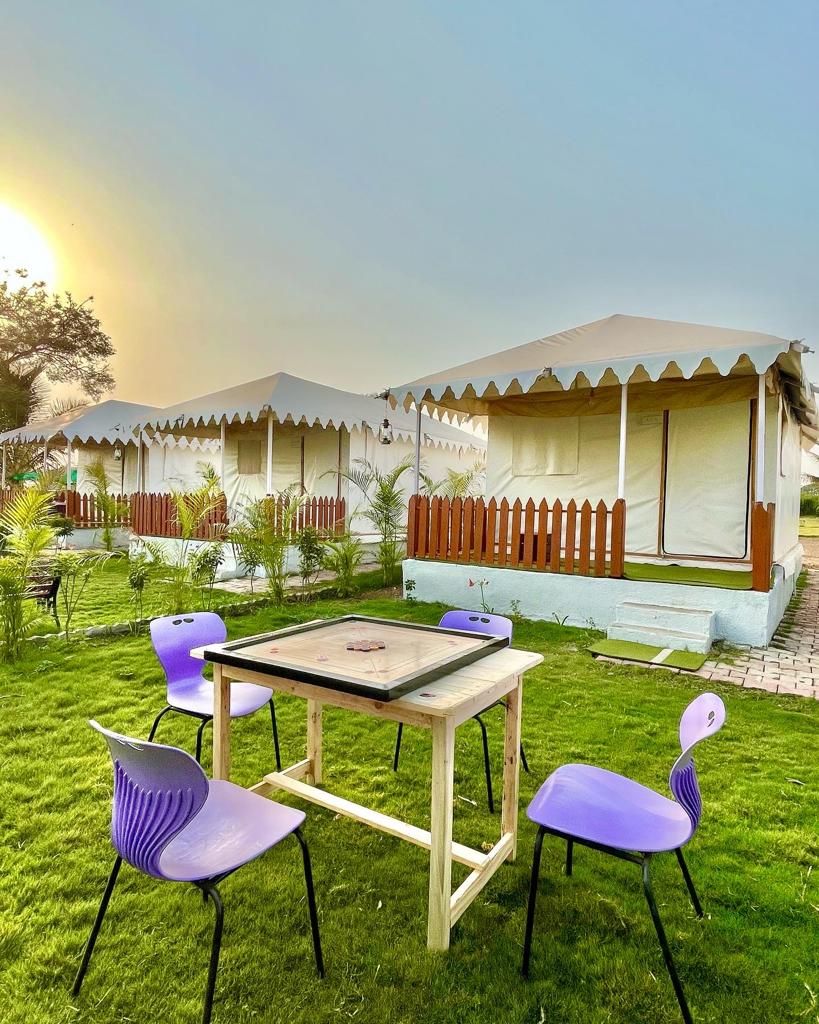
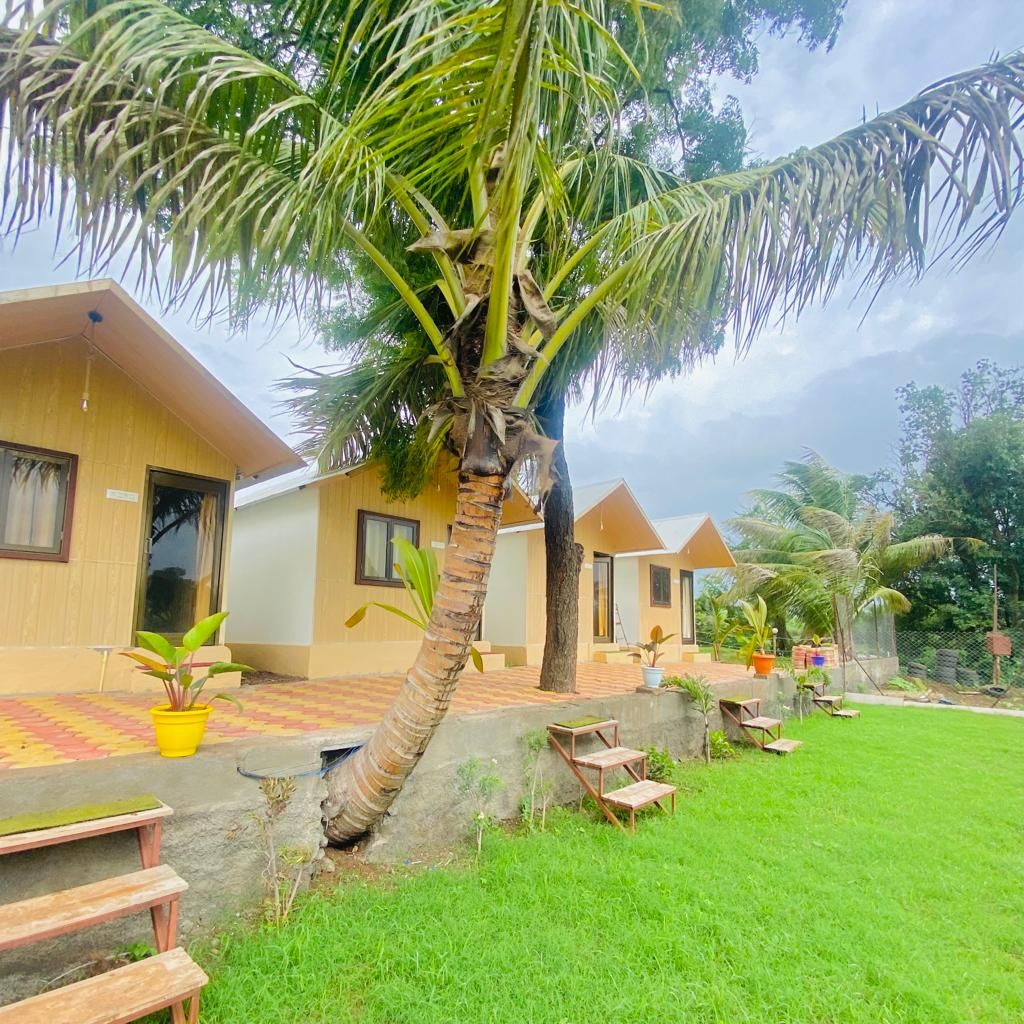
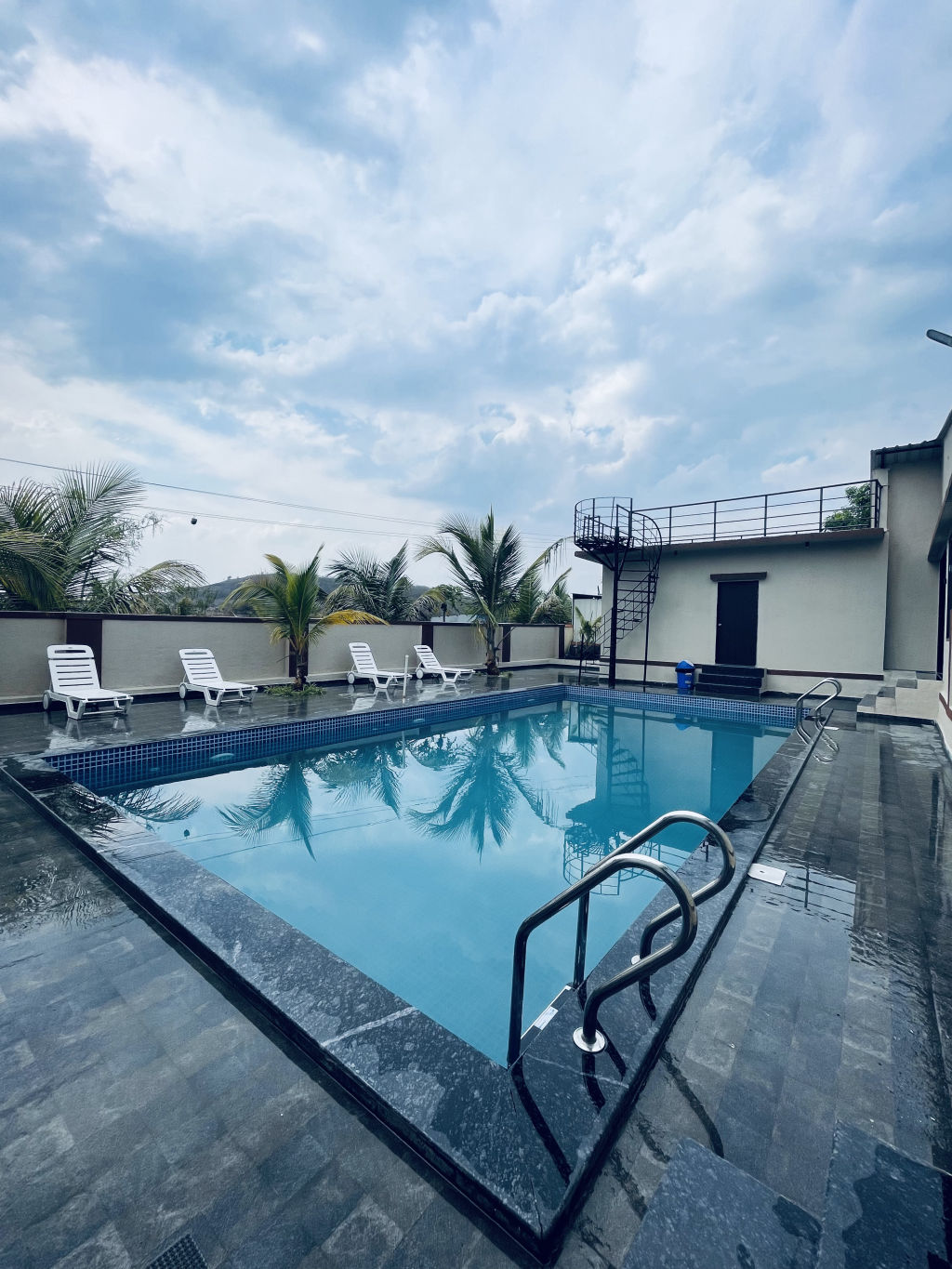
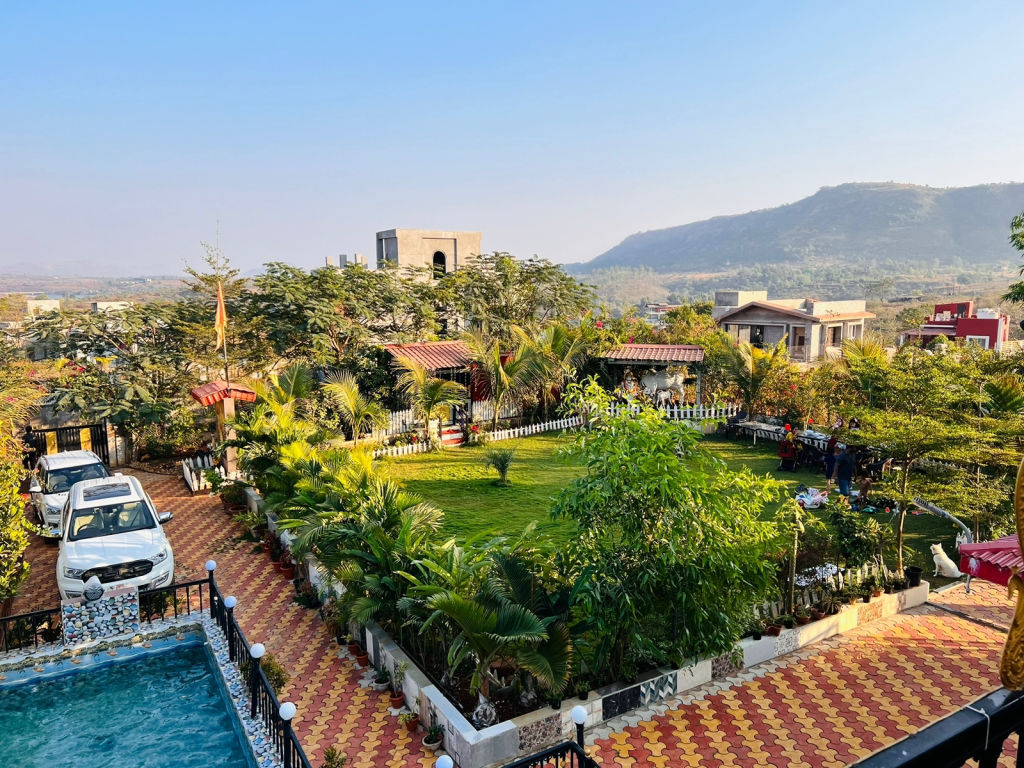
Because Sangramdurg Fort is located within the wider rural-urban corridor between Pune and Khed, travellers have numerous accommodation choices. Visitors can base themselves in Pune for access to major urban conveniences or choose peaceful countryside settings around Khed and the surrounding hills. To experience nature, rustic living, and scenic downtime near the Sahyadris, you can explore charming homestays, rural retreats, and experiential campsites on HireACamp.
Frequently asked questions
What is Sangramdurg Fort best known for?
Sangramdurg Fort is most famous for the historic 1660 siege during which Maratha commander Firangoji Narsala held out against Shaista Khan's vast Mughal army for nearly two months.
Is Sangramdurg Fort a hill fort?
No, Sangramdurg Fort is a land fort, known locally as a bhuikot killa, constructed on flat plains rather than a mountain summit.
How much time is needed to see the fort?
Most visitors spend between one and two hours exploring the remaining bastions, moat ditch, interior grounds, and local temple.
Are there food and water facilities inside Sangramdurg Fort?
There are no formal dining facilities inside the fort ruins, but simple tea stalls, water vendors, and local eateries can be found in the adjacent Chakan town area.
Where you'll be
Khed, MH · 6 stays nearby shown with prices
Stays near Sangramdurg Fort
Book a place to stay close by
More places near Sangramdurg Fort
Within 20 km


Lists for this area
Ranked by how many creators recommend each place


Built from 0 Instagram posts by 0 creators. Every tip links back to the post it came from, and where creators disagree we show both sides.


