
Satpuli
Destination in Uttarakhand
Satpuli is a peaceful riverside town situated in the Pauri Garhwal district of Uttarakhand, nestled along the banks of the Purvi Nayar River. Functioning as a central transit point between the plains and the higher Garhwal hills, it attracts travellers seeking quiet mountain valleys, gentle river walks, and authentic local culture. Visitors often use Satpuli as a base or midway stop to explore the scenic forests, historic towns, and winding hill roads of the region.
Getting there
By road
- From Dehradun3 hr 40 min · 179 km
- From New Delhi5 hr 20 min · 267 km
- From Chandigarh7 hr 15 min · 346 km
Typical drive times without traffic. Stations and airports from OLA Maps; distances and typical drive times from OpenStreetMap (© OpenStreetMap contributors); notes from creators' Reels.
About Satpuli
Written with AI from map data and general knowledge. Check prices and timings locally before you go.
About Satpuli and Its Setting
Satpuli sits in a broad valley formed by the Nayar River, surrounded by the mid-altitude ridges of Pauri Garhwal in Uttarakhand. Historically a bustling market settlement where routes between the Shivalik foothills and upper Garhwal meet, the town retains an unhurried, down-to-earth atmosphere that stands in contrast to heavily commercialised hill stations.
The town gets its name from a historical series of small culverts or bridges that once crossed the local streams. Life here revolves around the riverbed, traditional bazaars, and hillside hamlets that dot the surrounding pine and sal forests. The elevation keeps it comfortably cool for much of the year while avoiding the extreme sub-zero cold seen at higher Himalayan peaks, making it a pleasant riverside rest stop for road trippers and regional explorers.
Things to Do in and Around Satpuli
Spending time by the river is one of the most rewarding experiences in Satpuli. The rocky banks and gentle waters of the Nayar River provide an ideal environment for quiet picnics, skimming stones, or simply sitting in the shade of the valley cliffs. Local anglers often cast lines in the clear waters, and sitting along the gravel stretches listening to the river flow offers a serene break from highway travel.
Taking walking tours through the local market and into the surrounding village pathways offers a glimpse into authentic Garhwali daily life. You can sample regional hill food, pick up local pulses, and photograph traditional stone-and-slate village homes scattered across the terraced fields. Nature lovers can also embark on low-intensity hikes along the trails that climb out of the river valley toward forested ridges, where resident birdlife including Himalayan bulbuls, kingfishers, and barformed raptors can be spotted.
Read more
Getaways and Places to Visit Nearby
Satpuli serves as a gateway to several prominent Himalayan towns and peaceful natural sights. A short drive up into the oak and pine ridges brings you to the cantonment town of Lansdowne. Here, travellers can visit the scenic waters of Bhulla Taal, take in panoramic mountain views from designated lookout points, and learn about military history at the historic Garhwal War Memorial.
Travelling further north along winding mountain switchbacks leads toward Pauri, the administrative headquarters of the district. The elevated ridge around Kandoliya provides wide vistas of snow-capped peaks on clear days, set amidst quiet deodar and pine groves. For those heading toward the lower foothills along the Ganges corridor, excursions toward Rishikesh open up access to heritage river caves such as Vashishtha Gufa and Arundhati Cave, as well as seasonal forest waterfalls like Patna Waterfall tucked away along riverside roads.
Best Time to Visit Satpuli
The ideal time to visit Satpuli is between October and April, when the regional weather is cool, crisp, and comfortable for outdoor activities. Autumn brings clear blue skies, making it a great time for photography and walks along the riverbed. Winters are cold, particularly in the mornings and evenings when valley breezes drop the temperature, but the daytime sunshine remains pleasantly warm.
Spring, spanning March and April, sees the surrounding hills turn green as mountain flora begins to blossom and temperatures rise comfortably. The summer months of May and June are relatively warm during the day in the valley bottom, though noticeably more temperate than the northern Indian plains. The monsoon period from July through September brings heavy rainfall to Pauri Garhwal, causing the Nayar River to swell and raising the risk of landslides along hill roads, so travellers should check road conditions before visiting during the wet season.
How to Reach Satpuli
Satpuli is located along the primary road connecting Kotdwar with Lansdowne and Pauri, making road transit the most practical way to reach the town. Travellers coming by rail typically take a train to Kotdwar Railway Station, which connects regularly to Delhi and other major northern cities. From Kotdwar, local buses, shared mountain taxis, and private cabs make the uphill journey through scenic valley roads in approximately two hours under clear conditions.
The nearest domestic airport is Jolly Grant Airport in Dehradun. From Dehradun, you can drive via Rishikesh and Kotdwar or take the internal mountain route through Srinagar and Pauri to descend into Satpuli. State-run transport buses and private vehicles ply the route regularly throughout daylight hours.
Tips for Travellers Visiting Satpuli
When planning your trip through the Nayar valley, remember that driving on mountain roads requires steady patience. Hill highways in Uttarakhand feature tight hairpin turns, and single-lane stretches may require giving way to ascending vehicles. Start early if you plan to travel between Satpuli and surrounding towns like Lansdowne or Pauri to avoid driving after dark.
Pack layered clothing regardless of when you travel. While daytime hours by the river can feel mild, mornings and evenings can be quite chilly from October through March. Carrying sensible walking shoes with solid grip is recommended if you plan to explore the riverbanks and stony village tracks. It is also wise to keep cash on hand, as network connectivity can occasionally slow down digital payments in valley markets.
Where to Stay in Satpuli
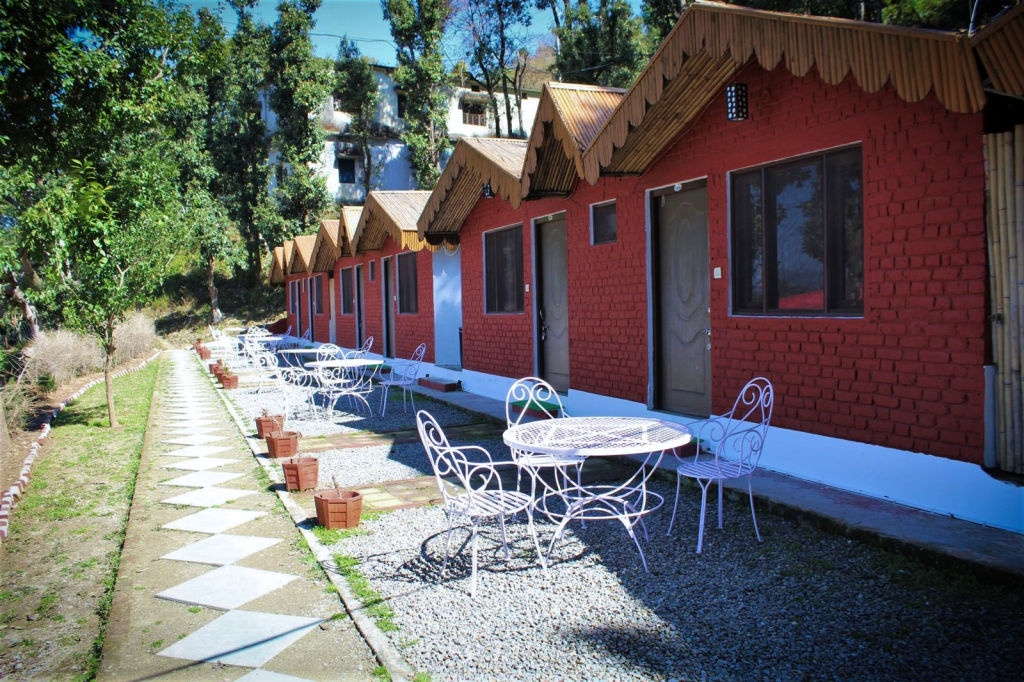
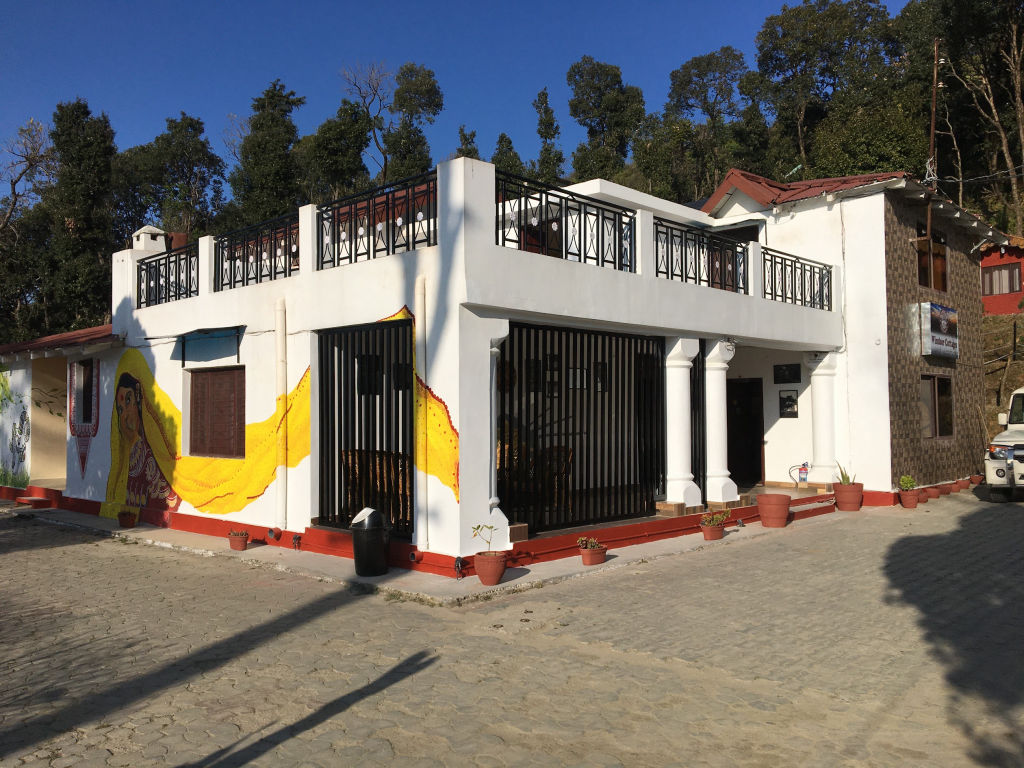
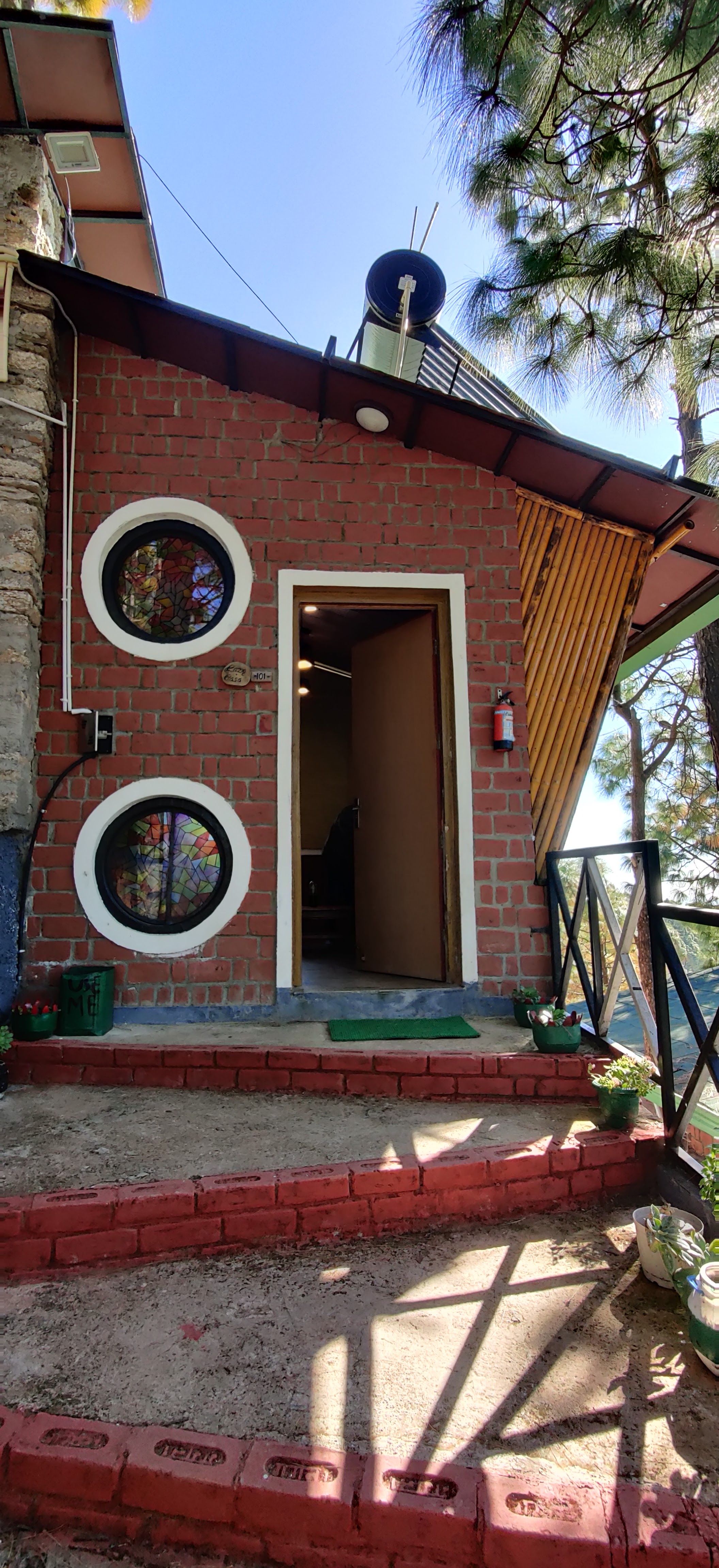
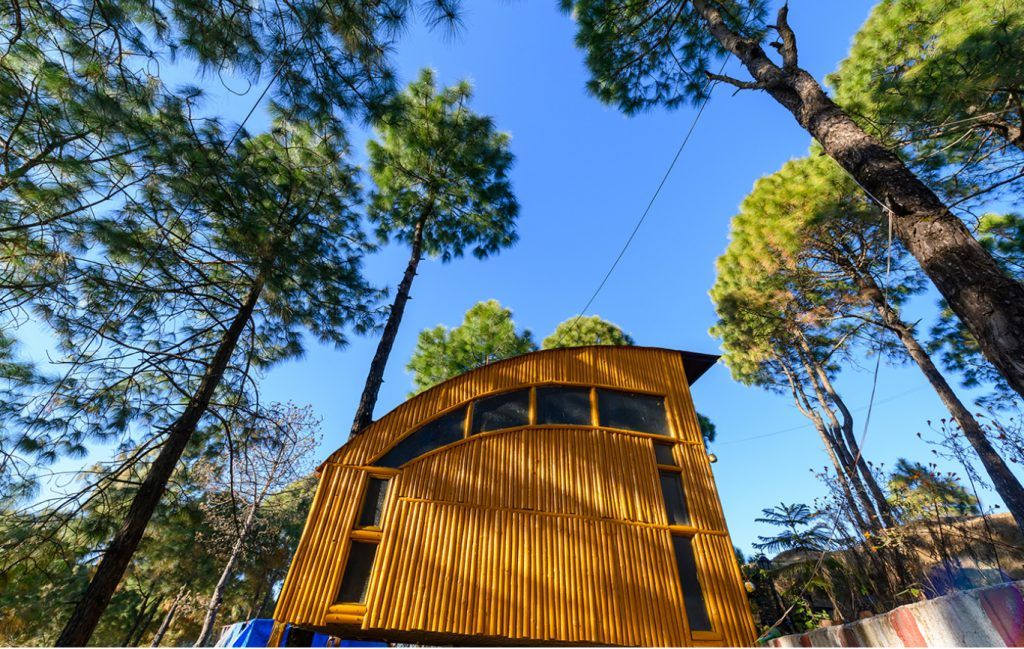
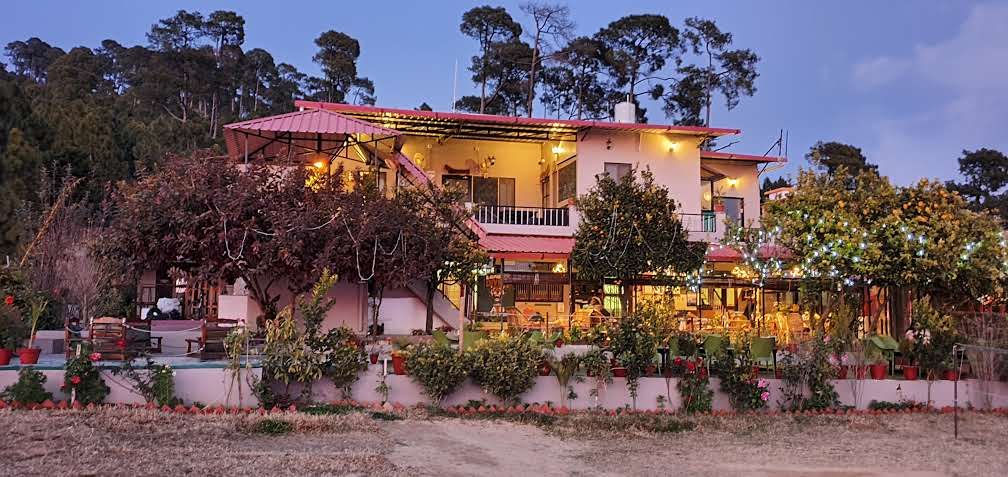
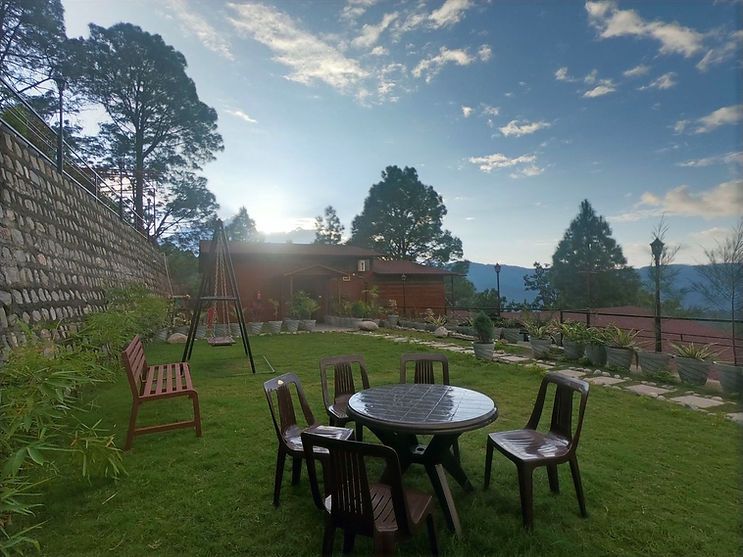
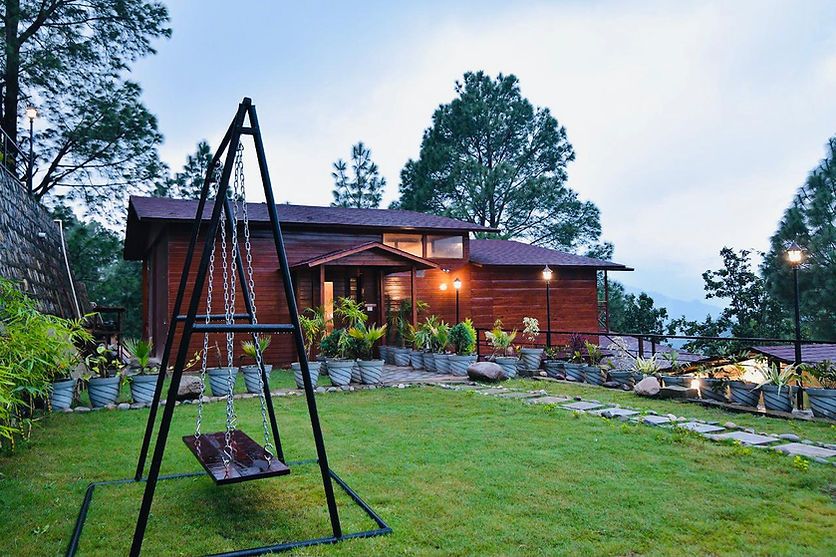
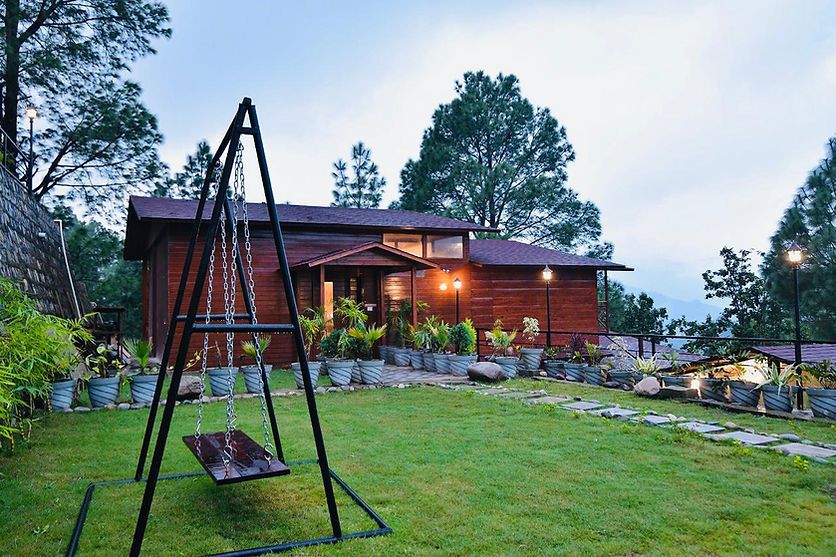
Accommodation around Satpuli ranges from modest roadside guest houses to charming rural retreats located on surrounding terraces and river edges. Staying close to the river allows you to fall asleep to running water, while accommodations set higher up the valley slopes offer wide territorial views across the foothills.
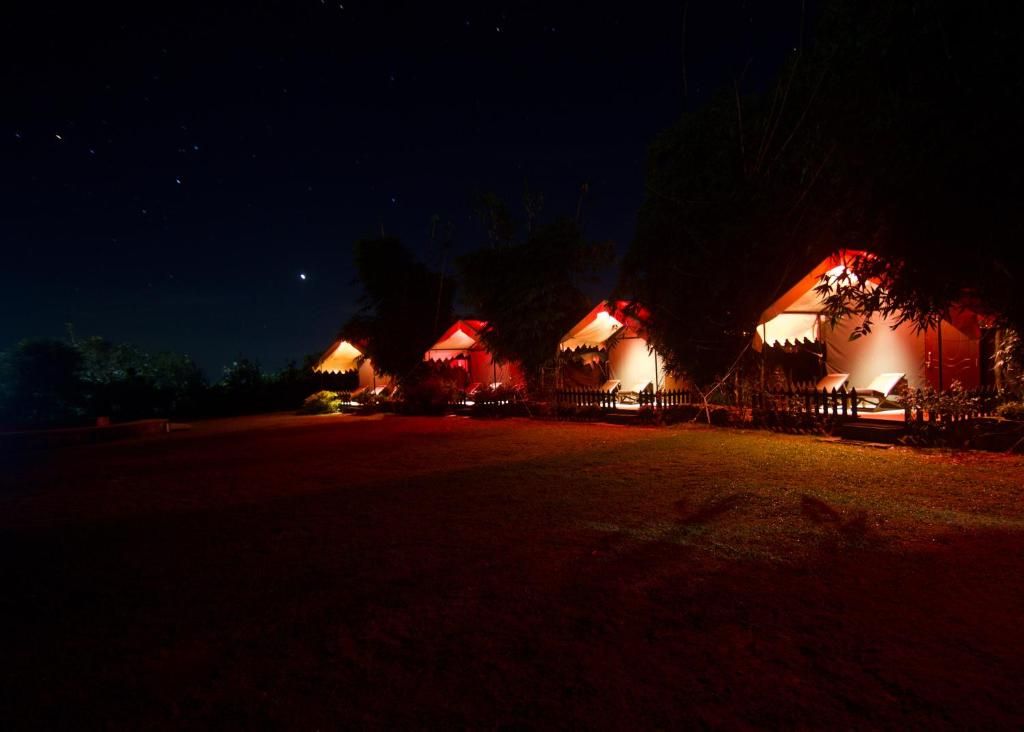
If you prefer an immersive outdoor stay, look for experiential camping grounds and local homestays scattered throughout the Nayar basin and nearby hill slopes. You can find and book vetted camps, homestays, and boutique rural stays in and around Satpuli directly on HireACamp.
Frequently asked questions
What is Satpuli famous for?
Satpuli is famous for its scenic location on the banks of the Nayar River, its role as a quiet crossroads between Kotdwar, Lansdowne, and Pauri, and its access to traditional Garhwali village life.
How far is Satpuli from Lansdowne?
Satpuli is located in the valley below Lansdowne, and driving between the two towns generally takes around an hour along winding hill roads depending on traffic and weather.
Can you fish or angle in the river at Satpuli?
The Nayar River is a well-known freshwater stream in the Garhwal region, though fishing regulations and conservation rules vary. Visitors interested in angling should inquire with local authorities about permits and allowed zones.
What is the closest railway station to Satpuli?
The closest railhead is Kotdwar Railway Station, which lies at the base of the foothills and connects Satpuli to Delhi and other North Indian cities via regular trains and taxis.
Where you'll be
9 stays nearby shown with prices
Stays near Satpuli
Book a place to stay close by
Things to do in Satpuli
44 places creators recommend within 30 km


Built from 0 Instagram posts by 0 creators. Every tip links back to the post it came from, and where creators disagree we show both sides.






