
Senbaganur
Destination in Tamil Nadu
Senbaganur is a tranquil hill settlement perched on the forested slopes of the Palani Hills in Tamil Nadu, just below Kodaikanal. Known for its heritage institutions, lush orchidarium, and panoramic valley vistas, it offers a quieter alternative to the busier hill stations nearby. Travellers come here to walk along misty mountain lanes, study regional flora and fauna, and enjoy the cool highland climate.
Getting there
By road
- From Madurai2 hr 40 min · 112 km
- From Coimbatore3 hr 55 min · 164 km
- From Kochi6 hr 10 min · 271 km
- From Thiruvananthapuram7 hr 30 min · 336 km
Typical drive times without traffic. Stations and airports from OLA Maps; distances and typical drive times from OpenStreetMap (© OpenStreetMap contributors); notes from creators' Reels.
About Senbaganur
Written with AI from map data and general knowledge. Check prices and timings locally before you go.
About Senbaganur
Perched at an elevation of roughly 1,800 metres in the Palani Hills range of the Western Ghats, Senbaganur occupies a serene pocket along the winding ghat road leading up to Kodaikanal. While many visitors travel straight past on their way up the mountain, this leafy locality holds a character entirely its own. Thick canopies of eucalyptus, pine, and shola vegetation flank the roadsides, punctuated by terraced patches of fruit orchards, coffee shrubs, and quiet residential lanes.
The settlement has long been recognised as an educational and botanical sanctuary. Established around the turn of the twentieth century, it became home to institutions founded by Jesuit fathers who systematically documented the natural history, geology, and tribal heritage of the surrounding hills. Today, the village retains that studious and unhurried charm, making it a peaceful retreat for nature enthusiasts, walkers, and anyone seeking cool mountain air without the dense commercial footfall of larger resort towns.
Things to see and do in Senbaganur
The primary cultural highlight in the settlement is its renowned natural history museum and attached orchidarium. Established well over a century ago, the museum houses extensive collections of taxidermy specimens, local butterflies, geological samples, and ancient archaeological artefacts discovered across the Palani plateau. Right beside it, the orchid garden shelters hundreds of species of native and exotic orchids, several of which are indigenous to the sensitive shola-grassland ecosystems of the Western Ghats. Visitors should check locally for current visiting arrangements and museum timings.
Beyond institutional visits, Senbaganur is an ideal base for unhurried walking. Quiet village lanes thread through steep hillside neighbourhoods where wooden cottages stand beneath flowering cherry blossoms and silver oak trees. Birdwatchers will find plenty to keep them occupied in the early mornings, as the wooded slopes provide habitat for regional species such as the Nilgiri flycatcher, laughingthrush, and grey-headed canary-flycatcher. Simply sitting along a viewpoint to watch morning mist roll up from the lower valleys is one of the most rewarding ways to spend time here.
Read more
Places to visit around Senbaganur
Just two kilometres up the mountain road lies Bryant Park, a manicured botanical garden that marks the entrance to central Kodaikanal. Here, landscaped lawns, vibrant seasonal flower beds, and a glasshouse showcase cold-climate gardening. Continuing past the park leads directly to Kodaikanal Lake and scenic promenades like Coaker's Walk, providing an easy day outing before retreating back to the peaceful evenings of Senbaganur.
For those interested in exploring the lower elevations and foothills, Kumbakkarai Falls is situated roughly five kilometres away as the crow flies, nestled in the forested river valley where the mountain streams gather momentum before reaching the plains. Further down in the valley floor, roughly twenty-two kilometres away, lies the expansive reservoir of Vaigai Dam. The dam area features broad views across the plains toward the towering mountain wall of the Western Ghats, offering a stark landscape contrast to the temperate heights of the Palani plateau.
Best time to visit Senbaganur
Senbaganur enjoys a temperate highland climate throughout the year, but the experience changes distinctly with the seasons. The summer months from March to May are considered the peak travel window. Temperatures during this period remain comfortable and cool, providing pleasant relief from the heat of the southern Indian plains, while gardens and orchards are often in full bloom.
The monsoon arrives in two phases, with the southwest monsoon between June and August followed by the northeast monsoon in October and November. Heavy rainfall blankets the hills in mist, turning the valleys vibrant green and recharging hillside waterfalls. While outdoor walks can be damp and mountain roads require cautious driving, the monsoons are an atmospheric time for those who enjoy dramatic clouds and solitude. Winter, extending from December through February, brings crisp, sunny days and chilly nights, with temperatures dropping considerably after sundown. Warm layers are essential during this time.
How to reach Senbaganur
Senbaganur is situated along the main Batlagundu-Kodaikanal Ghat Road, making it directly accessible by road. Travellers approaching by air typically fly into Madurai Airport, which lies approximately 120 kilometres away, or Coimbatore Airport, located about 175 kilometres away. From either airport, one can hire a taxi or board regional buses heading toward Kodaikanal.
For railway travellers, Kodai Road railway station is the nearest railhead, situated at the base of the hills roughly 75 kilometres away. Dindigul and Madurai are larger railway junctions with frequent long-distance train connections across India. From the railway stations, regular state transport buses and private taxis ply up the picturesque ghat section. The uphill drive winds past scenic viewpoints, plantation belts, and rocky overhangs, with Senbaganur greeting travellers just before they reach the main town of Kodaikanal.
Tips for travellers visiting Senbaganur
The road climbing from the plains up to the settlement features dozens of hairpin bends and steep inclines. If you are prone to motion sickness, take appropriate precautions before starting the ascent, and avoid heavy meals immediately prior to the drive. Mountain weather can shift quickly from bright sunshine to chilly fog, so it is always wise to carry a rain jacket and a lightweight fleece or sweater regardless of the season.
Because Senbaganur is predominantly a residential, educational, and monastic enclave rather than a busy tourist bazaar, amenities are modest. For extensive dining, shopping, and fuel facilities, you will need to travel the short distance into Kodaikanal. Respect the quiet atmosphere of the area by keeping noise levels down, particularly on village walking trails and near the institutional properties. Carry reusable water bottles to minimize single-use plastic waste across this ecologically fragile hill ecosystem.
Where to stay in Senbaganur
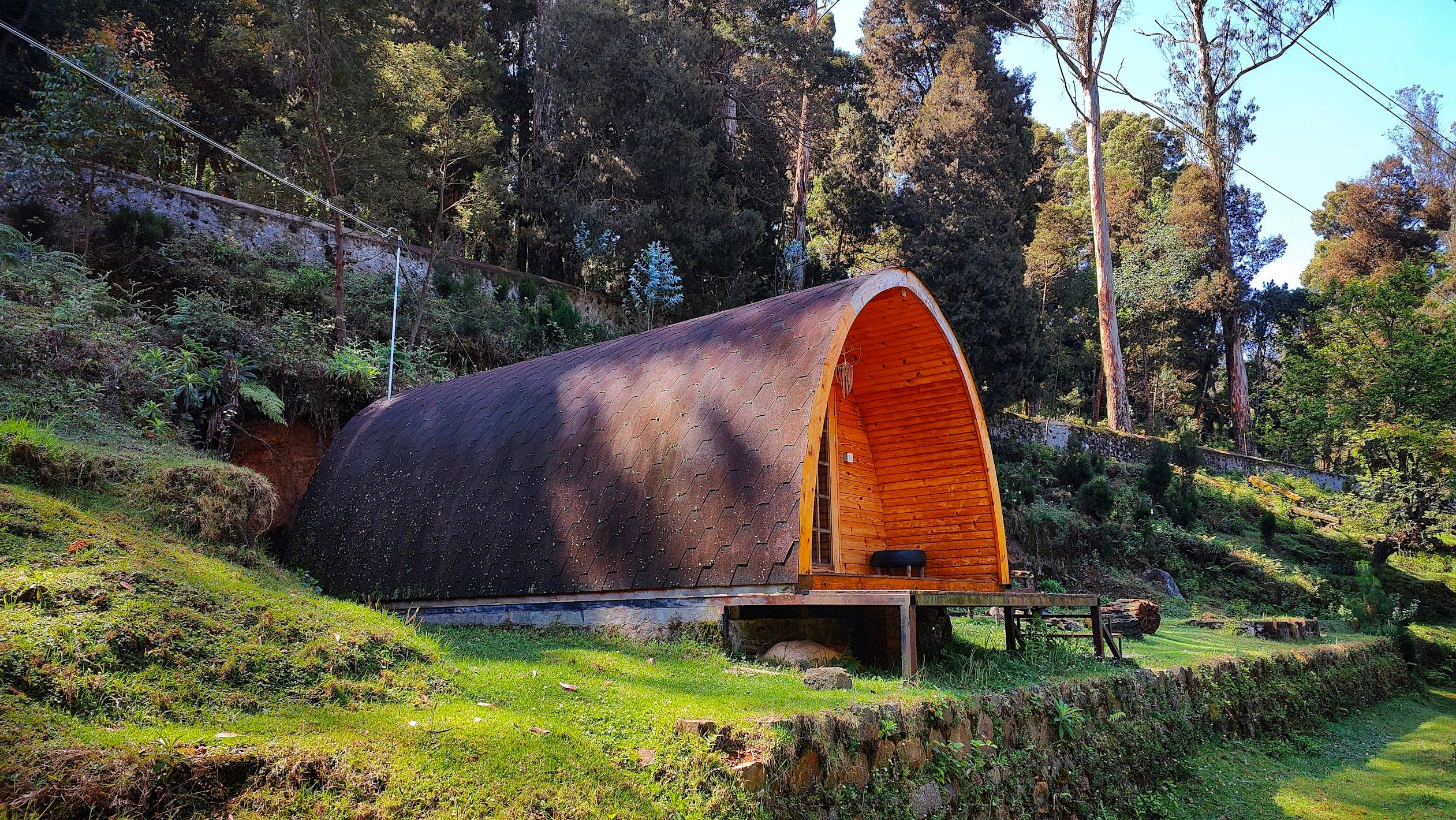
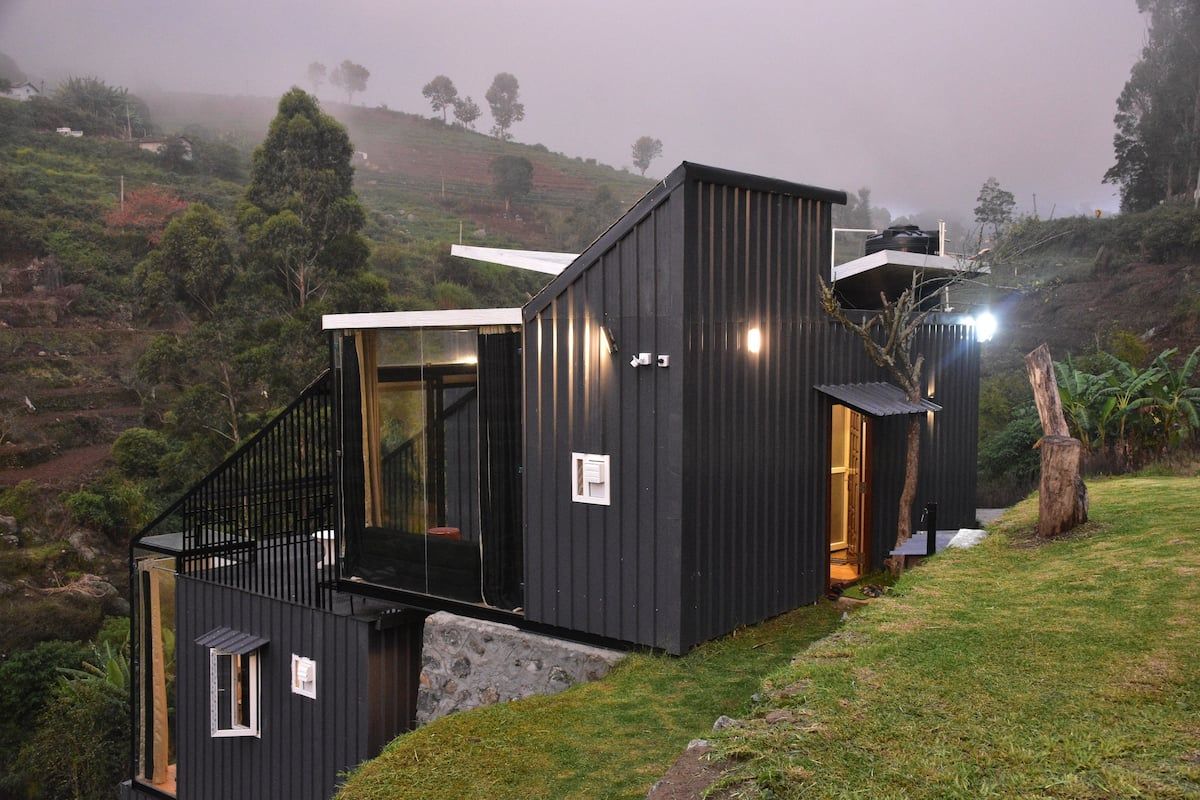
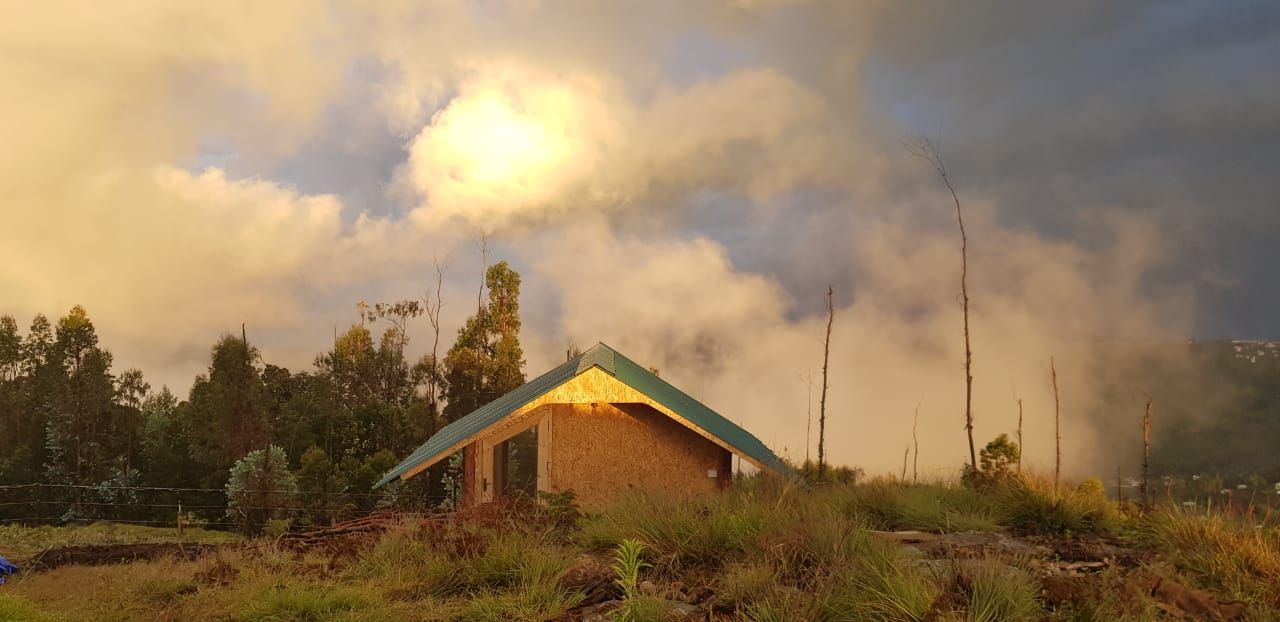
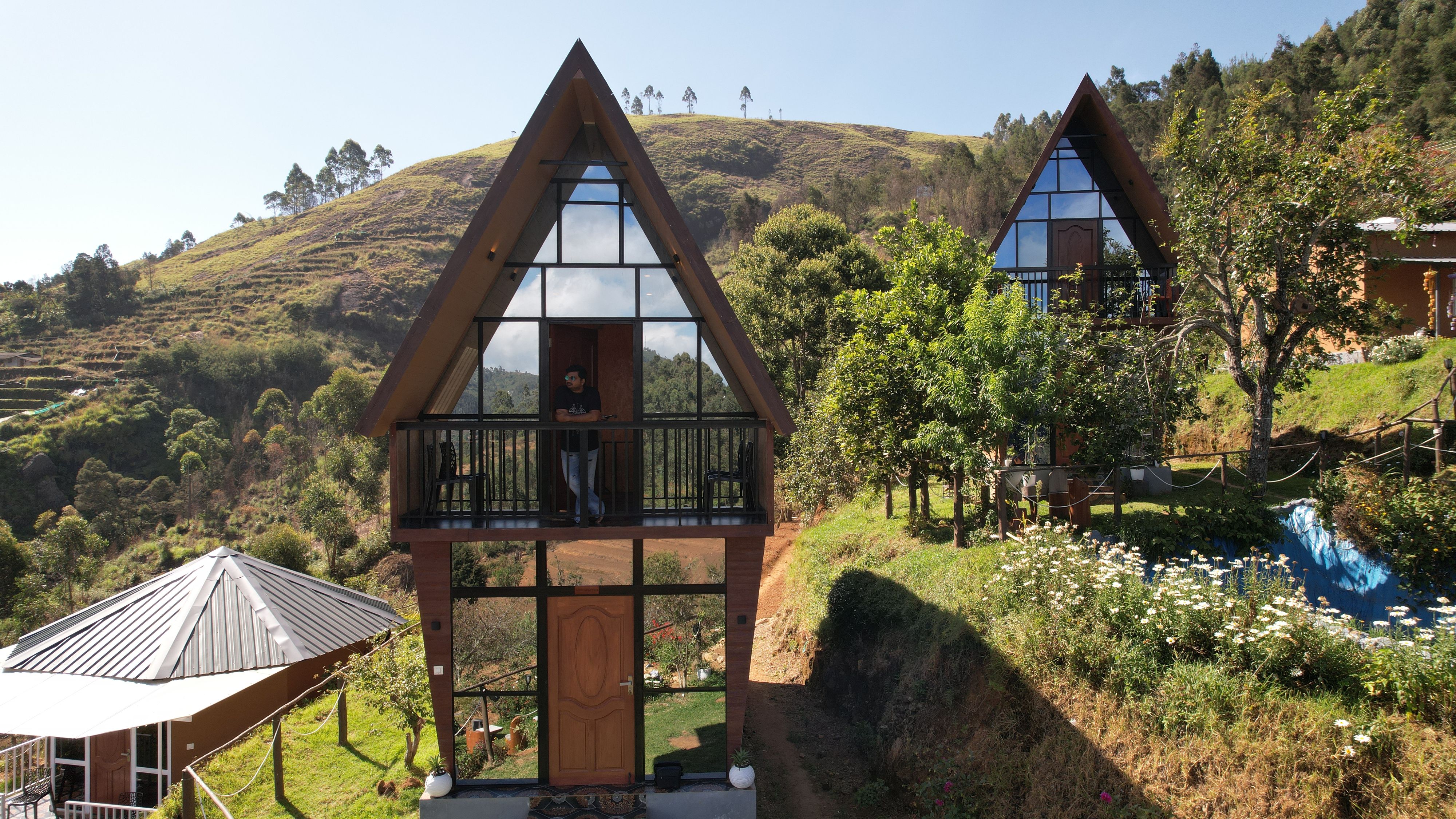
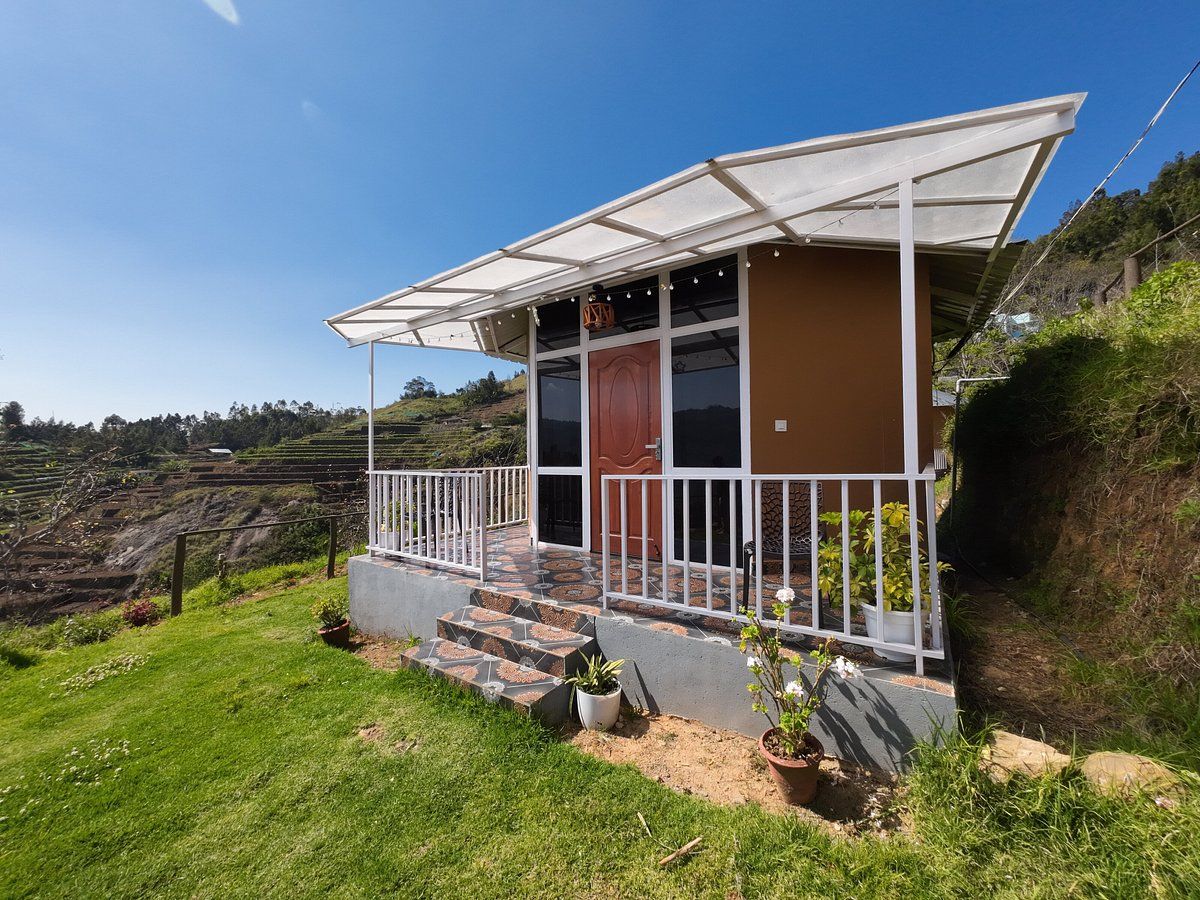
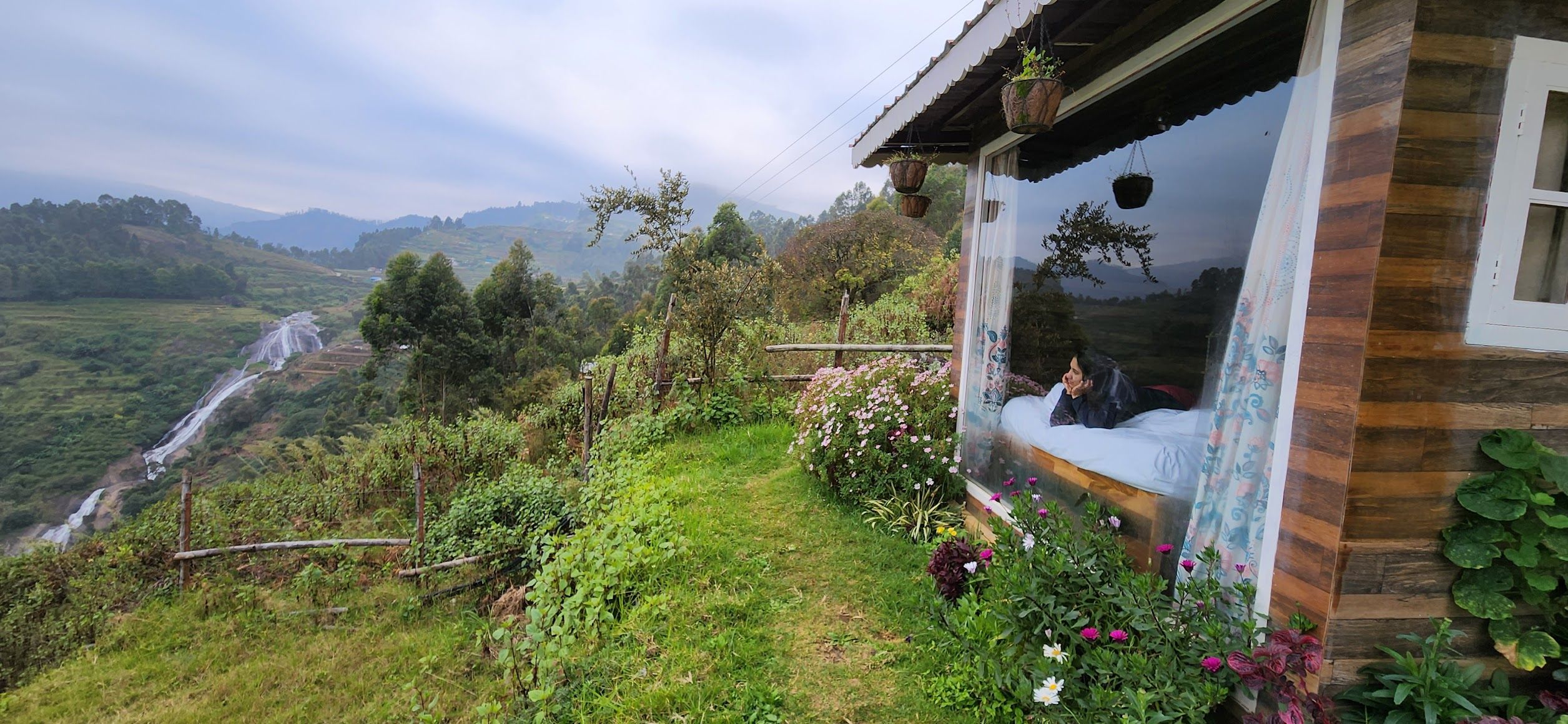
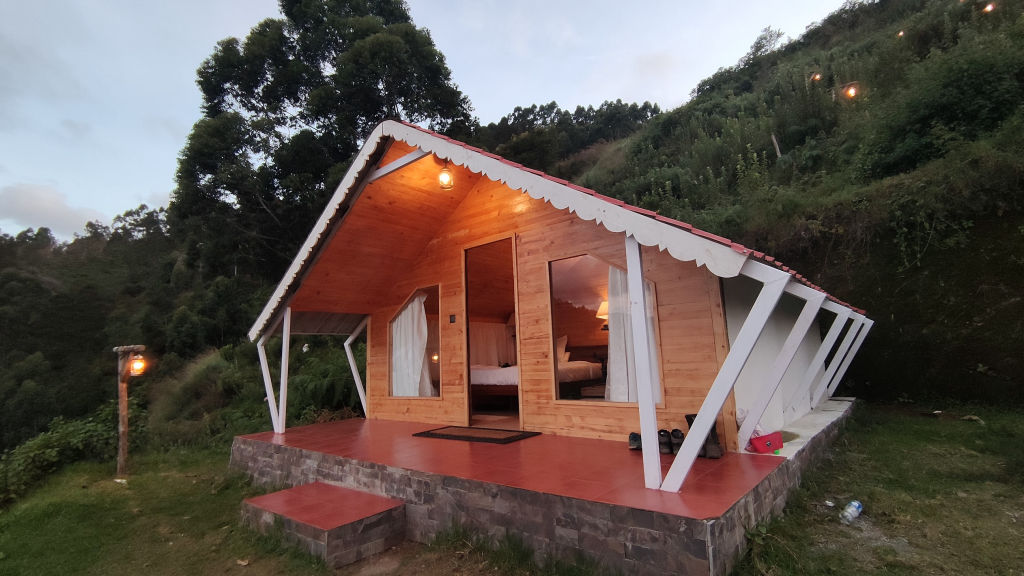
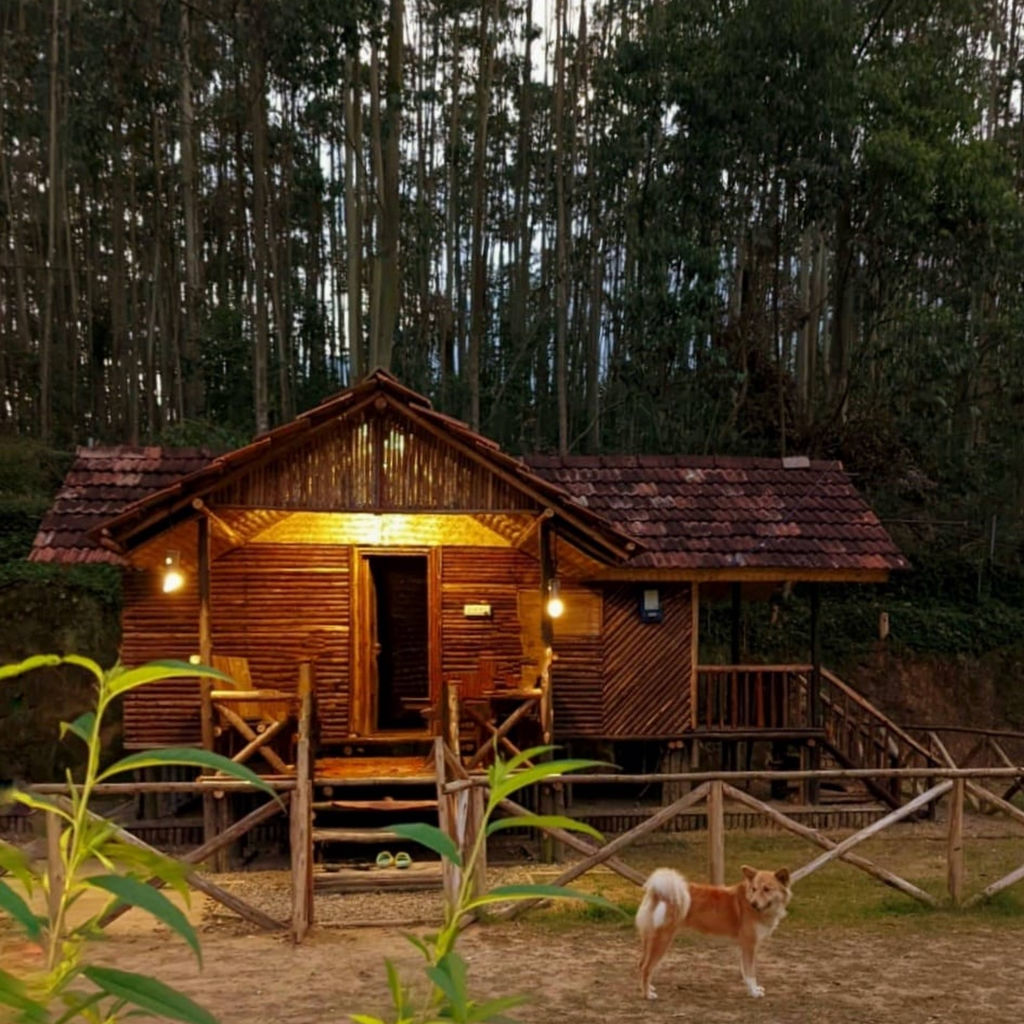
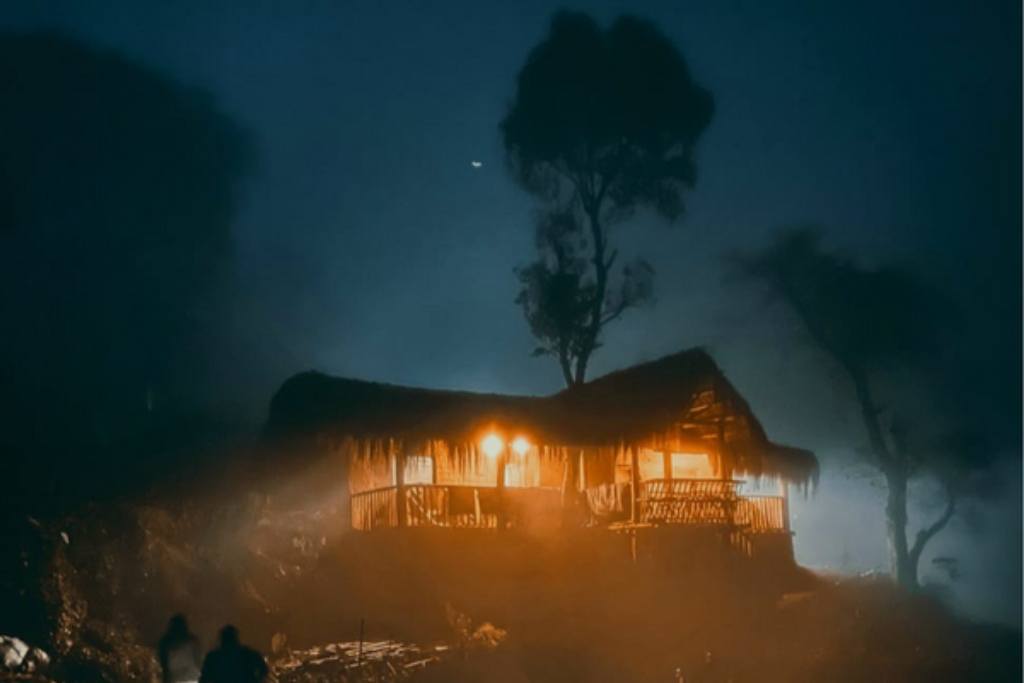
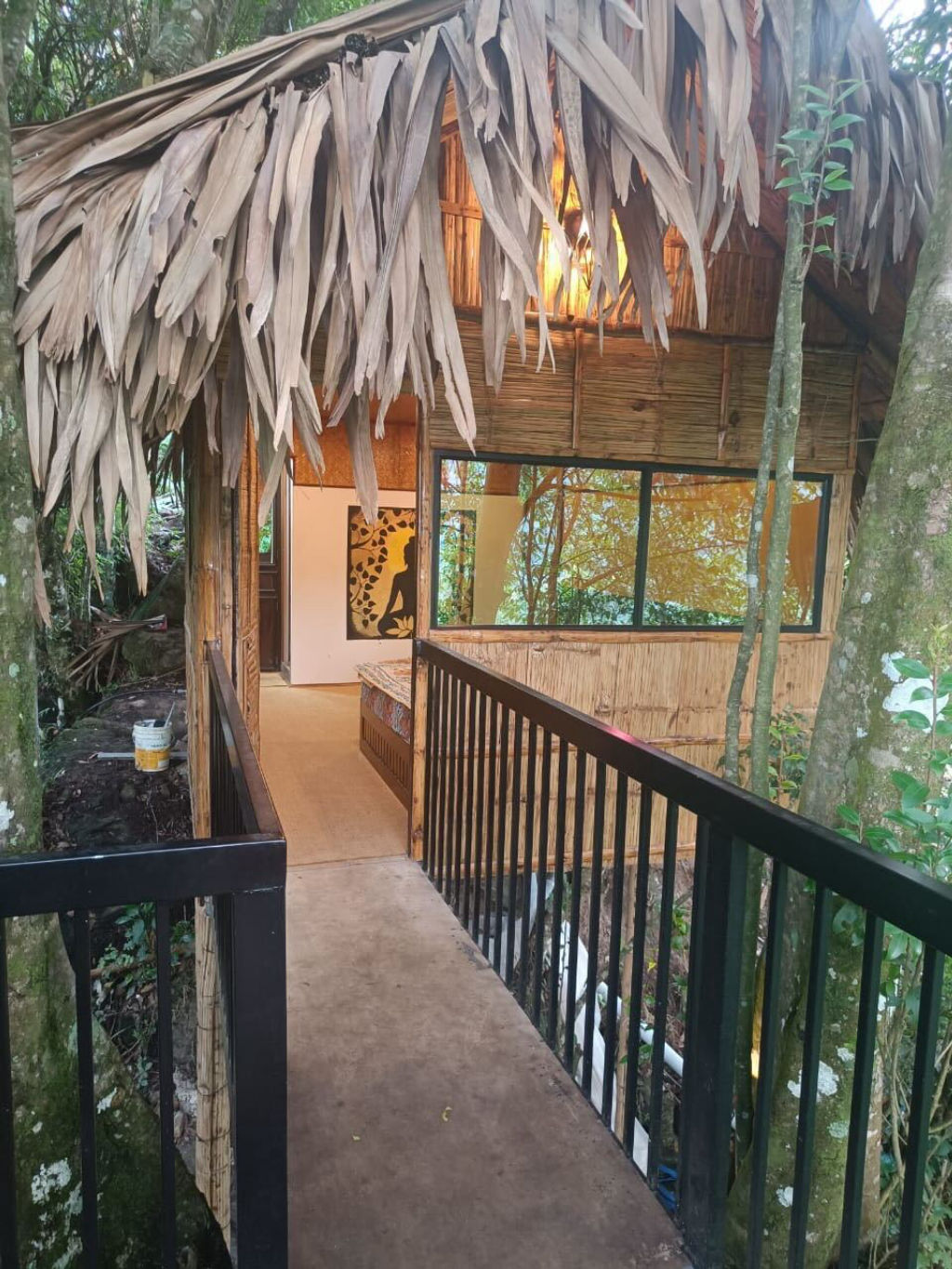
Staying in Senbaganur is best suited for travellers who prefer peaceful surroundings, forest views, and birdsong over the bustle of central market areas. Accommodation in and around the settlement includes rustic stone cottages, heritage hillside homestays, and plantation bungalows tucked away amid silver oak and eucalyptus groves.
Whether you are looking for an independent homestay run by local hosts, a scenic mountain cottage overlooking the lower valley, or a tented camp in the surrounding hills, a variety of stays can be found on HireACamp. Staying here allows you to enjoy easy access to the sights of Kodaikanal while retreating to crisp mountain silence at the end of each day.
Frequently asked questions
What is Senbaganur known for?
Senbaganur is best known for its historic Sacred Heart College, an extensive natural history museum established in 1895, and its diverse collection of native and exotic orchids.
How far is Senbaganur from central Kodaikanal?
Senbaganur is located just below Kodaikanal along the main ghat road, roughly two to four kilometres from landmarks like Bryant Park and Kodaikanal Lake.
What is the nearest railway station to Senbaganur?
The nearest railway station is Kodai Road, situated about 75 kilometres away at the base of the hills, while larger rail junctions are available at Dindigul and Madurai.
Do I need warm clothes when visiting Senbaganur?
Yes, because of its high elevation in the Palani Hills, evenings and mornings can be chilly year-round, and winter nights are especially cold, making warm layers necessary.
Can I find food and everyday supplies in Senbaganur?
Basic local tea shops and small grocery stores operate in the village, but for a wide range of restaurants, pharmacies, and ATMs, travellers usually head into nearby Kodaikanal.
Where you'll be
10 stays nearby shown with prices
Stays near Senbaganur
Book a place to stay close by
Things to do in Senbaganur
48 places creators recommend within 30 km


Built from 0 Instagram posts by 0 creators. Every tip links back to the post it came from, and where creators disagree we show both sides.






