
Shamirpet Deer Park
Wildlife sanctuary near Shamirpet, Telangana
1.5 km from Shamirpet
The nearest town, for stays, food and fuel.
Shamirpet Deer Park is a tranquil wildlife sanctuary situated near Shamirpet village on the northern outskirts of Hyderabad in Telangana. Set against classic Deccan rock formations and dry thorn woodlands, the park is known for its resident herds of blackbucks and spotted deer. Travellers visit to enjoy quiet nature walks, observe native wildlife in a peaceful setting, and spend time away from the busy city.
Getting there
By road
- From ShamirpetNearest town10 min · 3.1 km
- From Hyderabad1 hr 10 min · 47 km
Typical drive times without traffic. Stations and airports from OLA Maps; distances and typical drive times from OpenStreetMap (© OpenStreetMap contributors); notes from creators' Reels.
About Shamirpet Deer Park
Written with AI from map data and general knowledge. Check prices and timings locally before you go.
About Shamirpet Deer Park
Shamirpet Deer Park is an expansive natural sanctuary nestled near the rural village of Shamirpet in Telangana. Characterized by rolling Deccan terrain, granite boulder formations, and dry thorn forests, the reserve provides a safe habitat for indigenous wildlife and a calming retreat for travellers leaving behind the dense urban bustle of Hyderabad. The sanctuary lies close to Shamirpet Lake, creating an ecosystem where open grassland, thick shrubbery, and wetland habitats converge.
For decades, this reserve has served as a welcoming green space for families, photographers, and nature enthusiasts from the twin cities of Hyderabad and Secunderabad. It presents a gentle introduction to the regional biodiversity of the Deccan plateau without requiring an arduous expedition into deep forest reserves. Visitors often come here to walk along quiet pathways, watch herds graze in natural meadows, and enjoy the open sky and rustic countryside.
Wildlife and Landscape at the Reserve
The landscape of Shamirpet Deer Park is typical of the semi-arid Deccan plateau, featuring dry deciduous vegetation, thorny scrub, acacia groves, and hardy native trees that withstand the regional climate. Sturdy neem, tamarind, and eucalyptus trees are scattered throughout the grounds, providing shaded resting areas for animals and roosting branches for resident birds. Large, weathered granite boulders jut through the grasslands, giving the sanctuary a rugged and authentic regional character.
The primary highlight of the park is its deer population, primarily consisting of blackbucks and chital, or spotted deer. These herbivores roam through open pastures and marked wooded enclosures, frequently gathering in small herds during the early hours of the day. Beyond deer, the reserve is home to smaller mammals such as Indian hares and mongooses, alongside a rich variety of butterflies and insects. The neighboring lake attracts an assortment of birdlife, including kingfishers, herons, egrets, and occasional migratory waterfowl, offering pleasant sightings for birdwatchers.
Read more
Best Time to Visit Shamirpet Deer Park
The most favorable period to visit Shamirpet Deer Park is between October and February, during the cooler post-monsoon and winter seasons. During these months, daytime temperatures in Telangana remain relatively mild, allowing visitors to explore the grounds comfortably on foot without the intense glare of the summer sun. The vegetation remains green following the seasonal rains, and nearby waterbodies tend to have higher water levels, which encourages bird activity.
Summer in the Deccan region lasts from March to June and can bring high temperatures and arid conditions. Midday visits during summer can be uncomfortably warm, and animals often retreat deep into shaded groves to escape the heat. If visiting in the warmer months, arriving early in the morning offers the best chance of spotting wildlife. The monsoon season from July to September brings refreshing showers that revitalize the landscape, though visitors should carry rain protection to handle sudden wet spells.
Things to Do at Shamirpet Deer Park
Walking along the quiet dirt trails is the quintessential way to experience Shamirpet Deer Park. The sanctuary offers an unhurried, calm atmosphere where travellers can wander among the trees, listen to bird calls, and watch spotted deer feeding undisturbed in open clearings. It is an ideal spot for nature photography, with opportunities to capture deer against distinctive rock outcrops and natural woodland backdrops.
Relaxing in open natural surroundings is another favorite pursuit. Visitors often find a quiet spot under tree cover to read, sketch, or enjoy quiet conversations away from vehicular traffic. Pairing a walk through the deer park with an excursion along the banks of Shamirpet Lake provides a well-rounded outdoor outing, giving travellers sweeping views across the water and a clear vantage point for observing evening skies.
How to Reach Shamirpet Deer Park
Shamirpet Deer Park is located near Shamirpet village, along the state highway north of Hyderabad. It is situated roughly thirty kilometers from central Hyderabad, with the drive usually taking around an hour under typical traffic conditions. The approach road connects smoothly with the Hyderabad Outer Ring Road, making it readily accessible from different parts of the urban center while bypassing downtown traffic snarls.
Travellers arriving by train can disembark at Secunderabad Junction or Hyderabad Deccan railway stations, both of which have regular city bus connections and private taxis heading toward Shamirpet. For air travellers, Rajiv Gandhi International Airport lies on the southern periphery of Hyderabad, approximately sixty to seventy kilometers away. The airport is linked directly to Shamirpet by the Outer Ring Road, providing a smooth bypass drive across the outskirts.
Tips for Visiting the Park
To ensure a rewarding visit to Shamirpet Deer Park, time your trip for the early morning or late afternoon when the animals are most active and ambient temperatures are lower. Wear lightweight, breathable cotton clothing in muted or natural shades such as olive, brown, or khaki, as bright colors can startle the deer. Comfortable walking shoes are recommended, as paths can be uneven and rocky in several sections.
Carry sufficient drinking water and sun protection, especially if you plan to walk during midday. Guests should always respect sanctuary etiquette: do not attempt to feed, touch, or chase the deer, and avoid playing loud music. Entry guidelines, timings, and access conditions can change periodically, so check locally before setting out. Always bring back any trash you generate and refrain from discarding plastic waste inside the reserve.
Places to Visit Nearby
A trip to Shamirpet Deer Park pairs well with other historical and natural points of interest around the Hyderabad area. About fifteen kilometers to the south, Moula Ali Hill offers an invigorating rocky climb to a hilltop vantage point with sweeping panoramic views over the surrounding cityscape. Approximately twenty kilometers away in the city lies the Bansilalpet Stepwell, an intricately restored heritage structure showcasing historical water architecture.
Heading closer to central Hyderabad, roughly twenty-two kilometers from the park, is Hussain Sagar, the iconic urban lake bordered by Lumbini Park and NTR Gardens. History enthusiasts can explore the renowned Salar Jung Museum, the grand halls of Chowmahalla Palace, or the centuries-old Qutub Shahi Tombs. For those interested in large-scale entertainment and filmmaking sets, Ramoji Film City is located approximately thirty-five kilometers away toward the southeastern fringes of the region.
Where to Stay near Shamirpet Deer Park
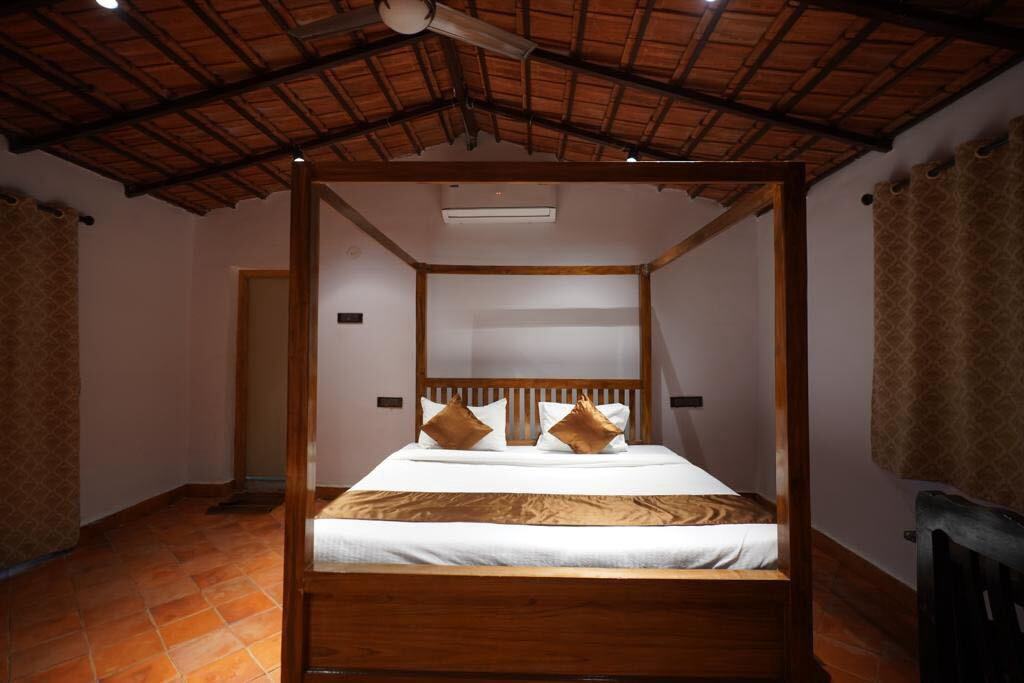
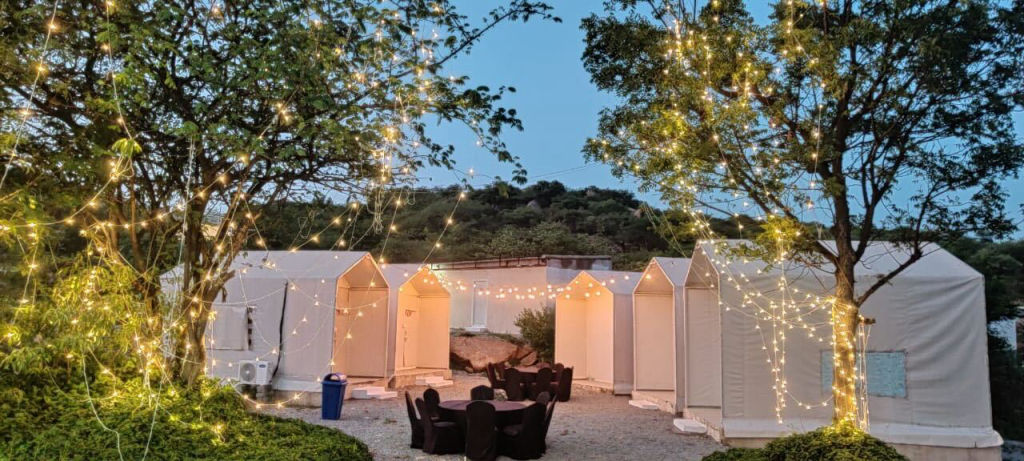
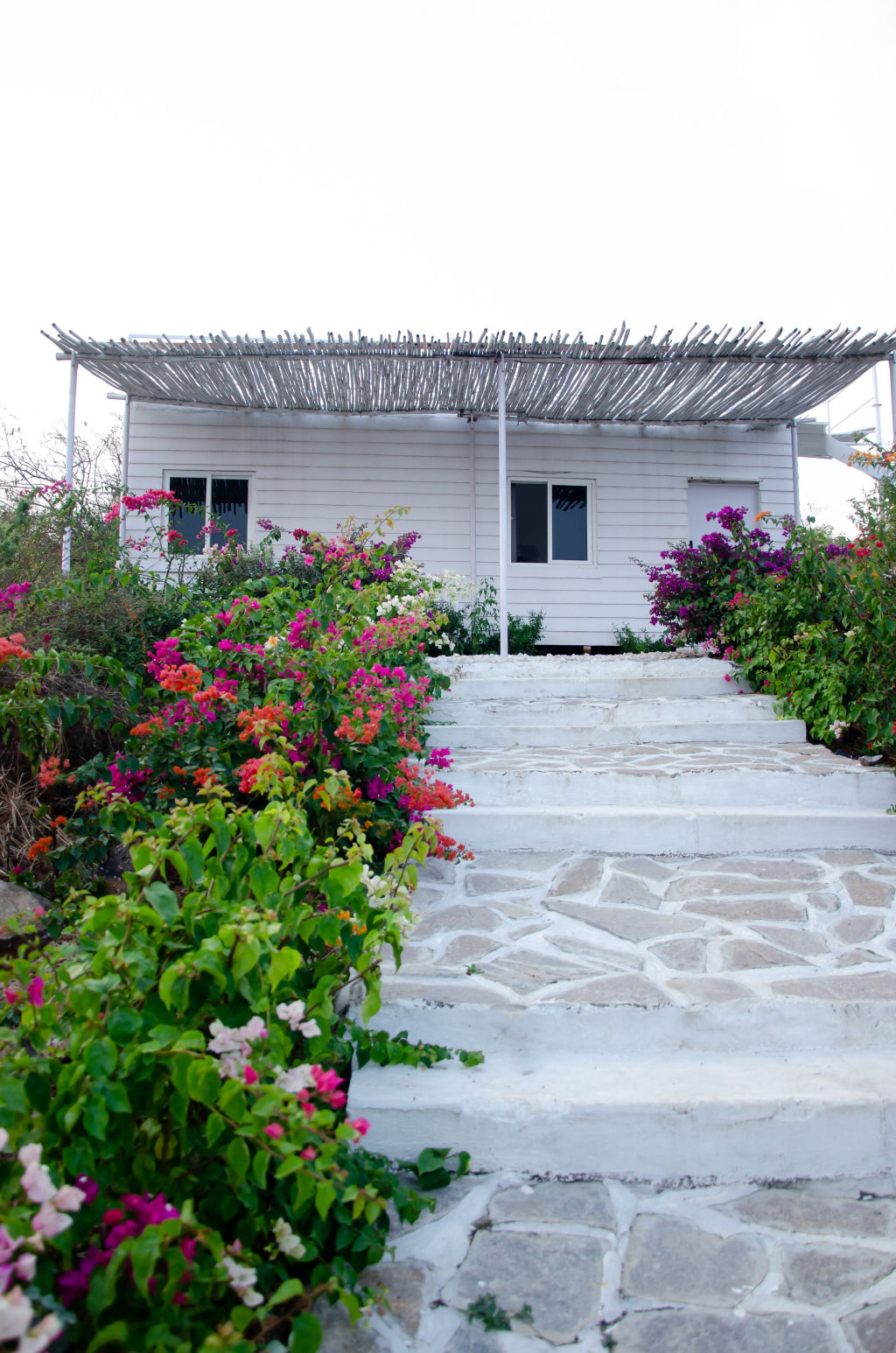
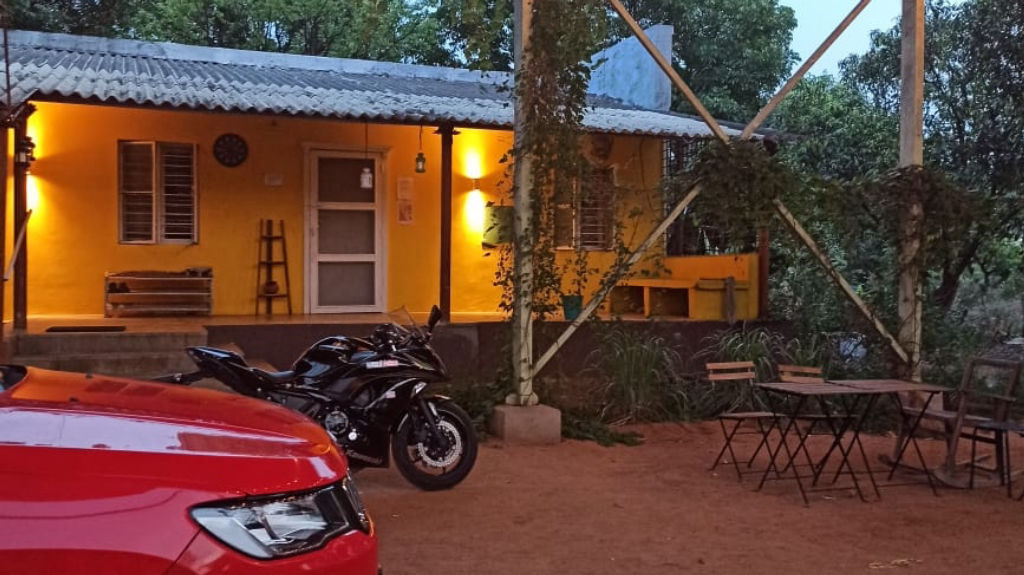
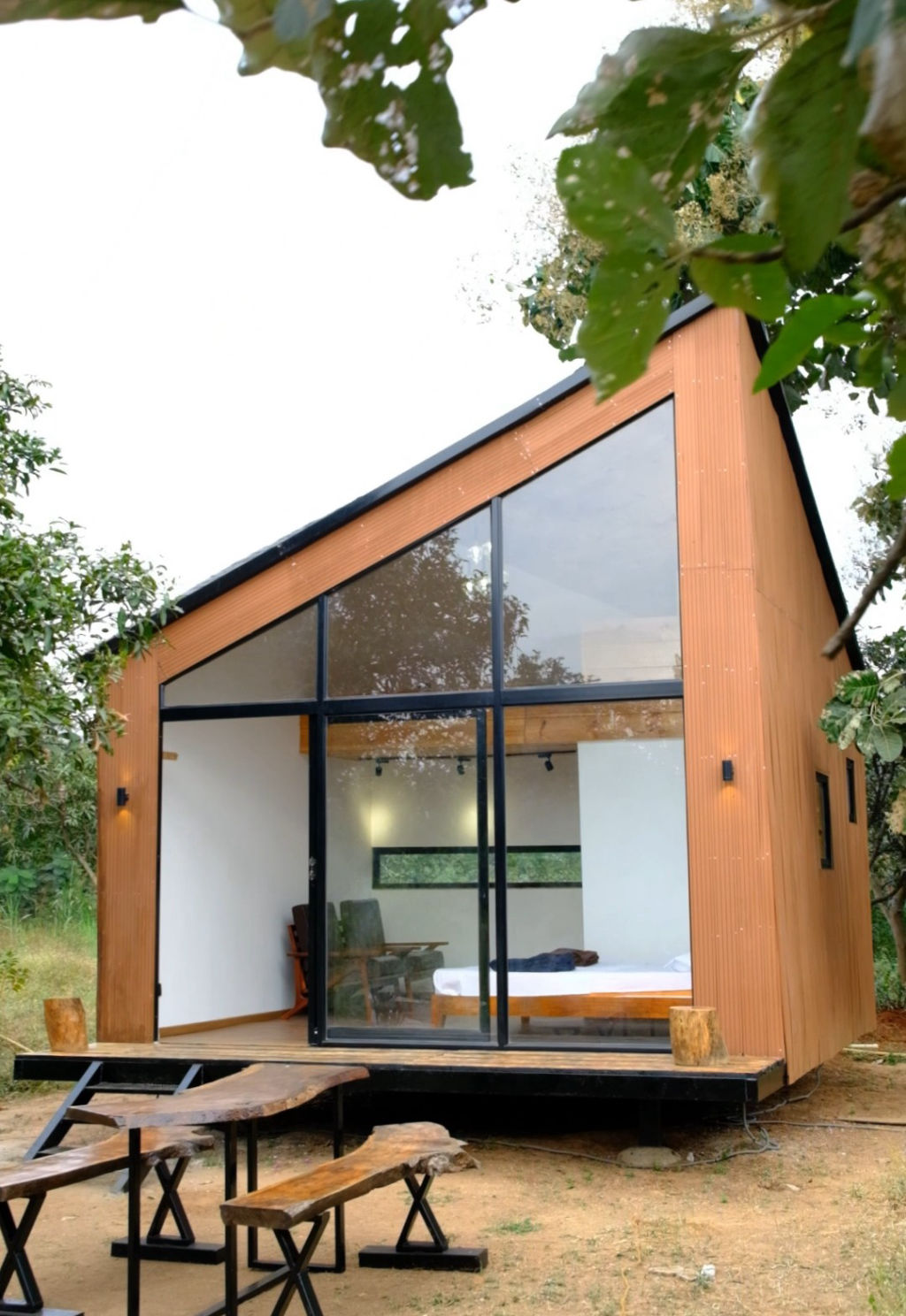
While Shamirpet Deer Park can easily be explored on a day outing from Hyderabad, staying overnight near Shamirpet lets you enjoy the quieter, rural rhythm of northern Telangana. You can discover unique outdoor accommodations, scenic homestays, and serene private camps around Shamirpet on HireACamp. Booking through the platform lets you unwind in peaceful countryside surroundings, relax around evening campfires, and wake up close to the sanctuary for an early morning walk.
Frequently asked questions
What animals can be seen at Shamirpet Deer Park?
The park is best known for its resident herds of spotted deer and blackbucks, along with smaller wildlife such as hares, mongooses, and various resident and migratory bird species.
How far is Shamirpet Deer Park from Hyderabad?
Shamirpet Deer Park is located approximately thirty kilometers northeast of Hyderabad, making it roughly an hour's drive by car depending on traffic.
Can visitors feed the deer at the park?
No, feeding the animals is strictly prohibited to protect their health, natural diet, and natural behavior within the sanctuary.
What is the best time of day to spot deer?
Deer are most active during the cooler hours of the early morning and late afternoon, when they emerge into open clearings to graze.
Are there places to stay near Shamirpet Deer Park?
Yes, travellers can find a range of outdoor stays, rural retreats, and homestays in the area by exploring listings on HireACamp.
Where you'll be
village, Shamirpet · 6 stays nearby shown with prices
Stays near Shamirpet Deer Park
Book a place to stay close by

More places near Shamirpet Deer Park
Within 20 km


Lists for this area
Ranked by how many creators recommend each place


Built from 0 Instagram posts by 0 creators. Every tip links back to the post it came from, and where creators disagree we show both sides.






