
Shikar Beh
Peak near Gondla, Himachal Pradesh
7.6 km from Gondla
The nearest town, for stays, food and fuel.
Shikar Beh is a towering mountain peak rising in the upper reaches of Himachal Pradesh, commanding the high ridges near the borderlands of the Kullu and Kangra districts. Renowned among experienced mountaineers and wilderness trekkers, it stands amid immense glaciers and jagged ridgelines. Explorers venture towards its flanks to experience severe alpine beauty, vast boulder fields, and classic Himalayan high-altitude terrain.
Getting there
By road
- From GondlaNearest town7 min · 5.9 km
- From Chandigarh6 hr 20 min · 300 km
- From Ludhiana6 hr 50 min · 340 km
- From Amritsar8 hr 55 min · 451 km
Typical drive times without traffic. Stations and airports from OLA Maps; distances and typical drive times from OpenStreetMap (© OpenStreetMap contributors); notes from creators' Reels.
About Shikar Beh
Written with AI from map data and general knowledge. Check prices and timings locally before you go.
An Introduction to Shikar Beh
Shikar Beh stands as one of the most prominent summits in this sector of the Western Himalayas, anchored high above remote river valleys and glacial depressions in Himachal Pradesh. The peak belongs to a formidable group of summits that includes its sister peak Mukar Beh, creating a massive natural rampart of ice, snow, and sheer rock. Unlike low-altitude hills that offer gentle day walks, Shikar Beh is a serious mountaineering destination that commands respect from every expedition team that approaches its slopes.
The mountain remains largely untamed and wild. There are no paved paths, roadside viewpoints, or commercial developments leading directly to its base. Instead, travellers encounter untamed Himalayan wilderness where sheep trails turn into boulder fields, and glacial lateral moraines give way to massive snow bridges. The peak acts as a dramatic focal point in the regional geography, draining runoff into high tributary streams that feed northern Himachal Pradesh's primary river systems.
The Landscape and Surrounding Glaciers
The terrain wrapping around Shikar Beh is defined by significant glacial activity. Within its immediate vicinity lie formidable ice reservoirs, including the Bhadal Glacier and the Tantgar Glacier, alongside neighboring ridges like Bare Jot. These glaciers carve deep cirques and push vast moraines down the mountain slopes, creating an ever-changing landscape of ice cliffs, meltwater channels, and unstable scree fields.
Approaching the higher reaches takes trekkers through a sharp transition of natural zones. The lower valleys begin with high-altitude meadows dotted with wild alpine flowers and hardy shrubs. As altitude increases, vegetation disappears almost entirely, leaving an austere expanse of slate, granite boulders, and compacted perennial snow. High passes such as Asha Gali pierce the surrounding ridges, providing demanding routes for seasoned mountain navigators moving across these rugged geographical divides.
Read more
Trekking and Mountaineering at Shikar Beh
Shikar Beh is primarily pursued as a technical climbing expedition or approached by high-end wilderness trekking routes. Traversing its approaches requires a high standard of physical endurance, mountain sense, and alpine logistics. Unlike standard trekking routes, paths here are rarely marked and depend on the knowledge of seasoned local guides who understand shifting crevasses, rockfall zones, and crossing points across fast-flowing glacial torrents.
Climbing attempts on Shikar Beh demand specialized mountaineering skills including route finding across steep blue ice, fixing ropes, and establishing high camps in exposed wilderness conditions. Even for those not attempting the summit, trekking towards the base camps of the peak provides an intense experience of high-altitude solitude. Days on the trail involve negotiating moraine fields, crossing freezing glacial runoff early in the morning, and sleeping under raw Himalayan skies far beyond mobile connectivity.
Best Time to Visit
The window for venturing towards Shikar Beh is dictated entirely by mountain weather and snow conditions. The pre-monsoon summer months of June and early July represent the initial window for expeditions. During this time, the winter snowpack begins to consolidate, though high passes and moraines may still hold deep snow that requires caution during afternoon melt periods.
Late August through October serves as the second major climbing and trekking window. Once the monsoon systems withdraw from northern India, the mountain air becomes crisper and skies are frequently clear, offering optimal visibility. By late October, temperatures drop precipitously, freezing meltwater streams and signaling the arrival of heavy winter storms that make the high reaches inaccessible until the following summer.
How to Reach the Region
Reaching Shikar Beh requires a combination of highway travel to a major transit hub in Himachal Pradesh, followed by road transfers to a trailbase and multiple days of trekking on foot. Manali serves as the most frequent staging ground for mountaineers heading into this sector, supported by road links via the national highway network and the regional airport at Bhuntar in Kullu.
From the roadhead settlements in the upper Beas or Kangra valleys, expeditions move outward on foot. The nearest village settlements such as Shugu indicate the edge of road connectivity. Beyond these outposts, all equipment, food supplies, and mountain gear must be carried by mules or porters. Travel times on foot vary significantly depending on weather conditions, trail washouts, and the acclimatization schedule of the party.
Essential Tips for High-Altitude Travel
Venturing near Shikar Beh demands comprehensive preparation and self-sufficiency. Acclimatization is essential to prevent altitude sickness; planning rest days and gradual elevation gains ensures that team members adapt safely to thinning air. Every member should be familiar with the symptoms of altitude-related illnesses and have clear evacuation protocols in place.
Pack clothing suited for extreme temperature swings. Even in midsummer, clear nights at high camps routinely fall below freezing, while daytime sun reflection off snowfields can cause severe dehydration and sunburn. Carry robust waterproof layers, sturdy crampon-compatible boots, UV-blocking eyewear, and comprehensive wilderness first-aid kits. Because these are untouched valleys, visitors must adhere strictly to leave-no-trace ethics, carrying out all non-biodegradable waste to protect the delicate mountain watershed.
Where to Stay near Shikar Beh
In the immediate terrain of Shikar Beh, there are no commercial guesthouses, hotels, or managed huts. Accommodation on the mountain is exclusively in private expedition camps pitched on stable rock benches or snow clearings. Trekkers must carry all their own camping infrastructure, including four-season alpine tents, insulated sleeping mats, cold-rated sleeping bags, and portable camp stoves.
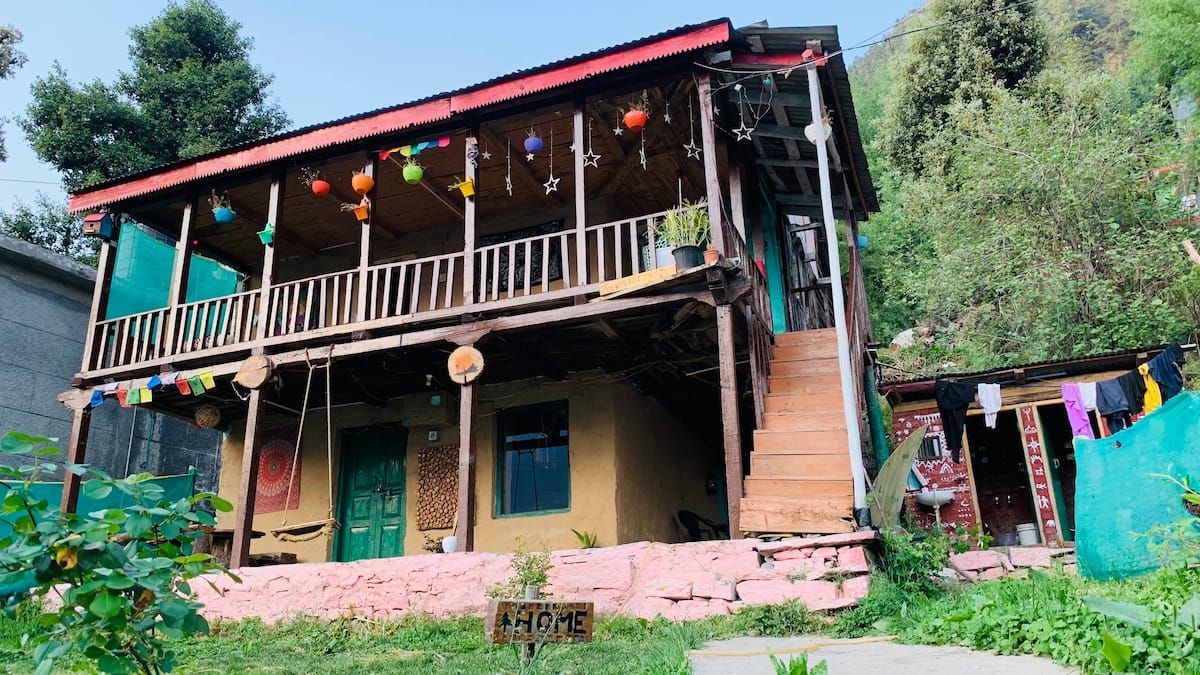
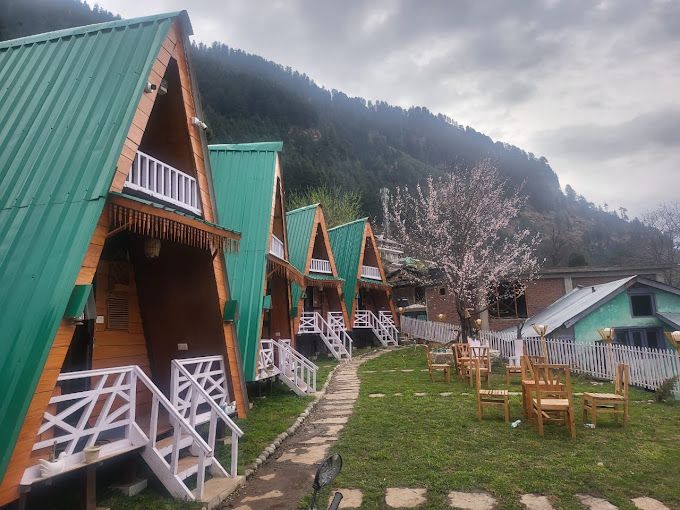
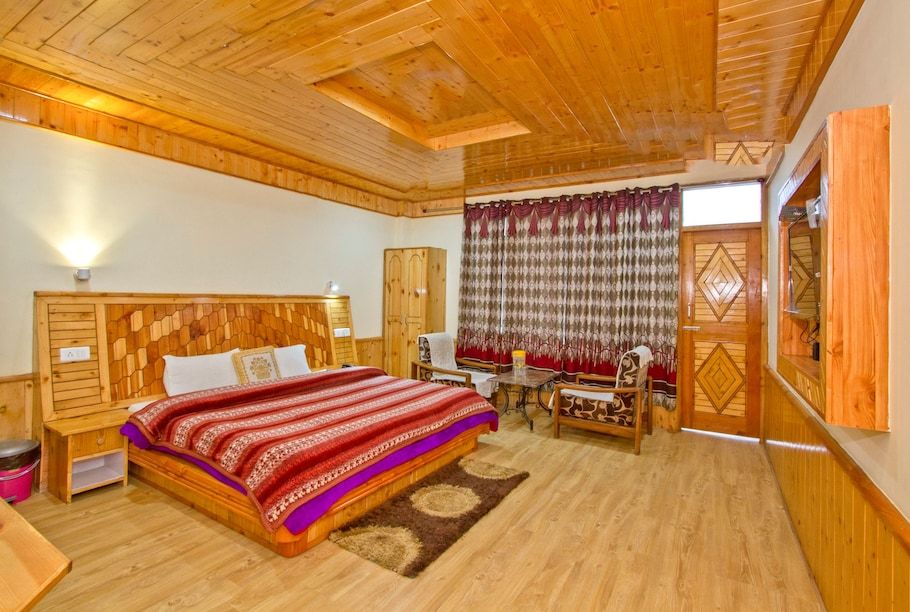
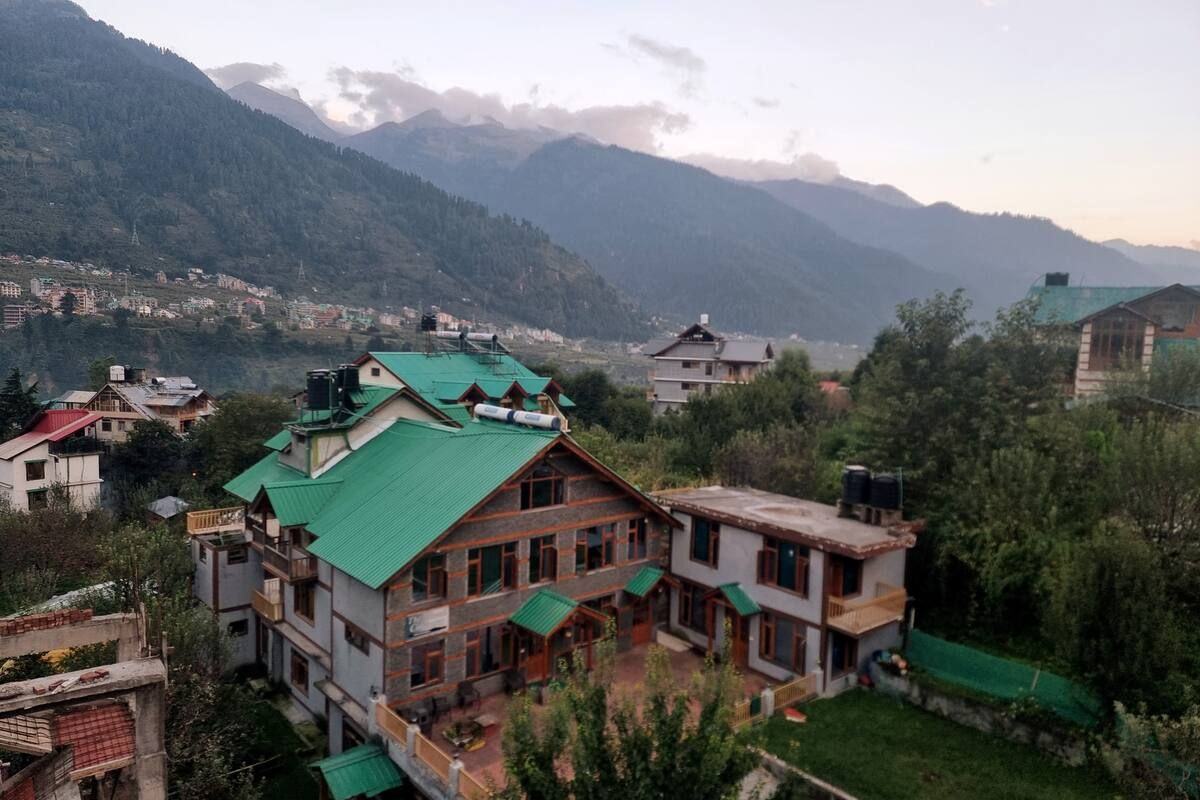
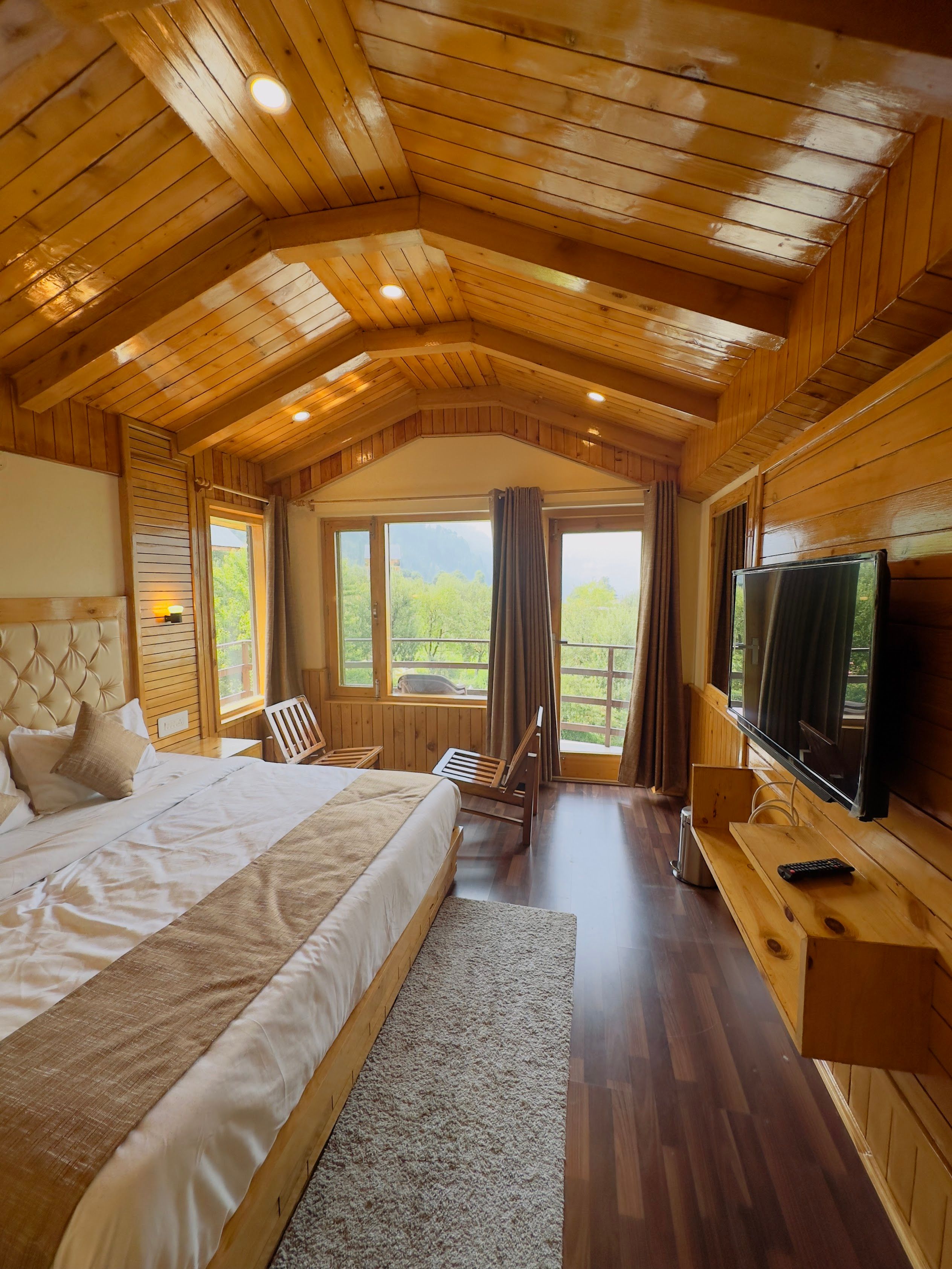
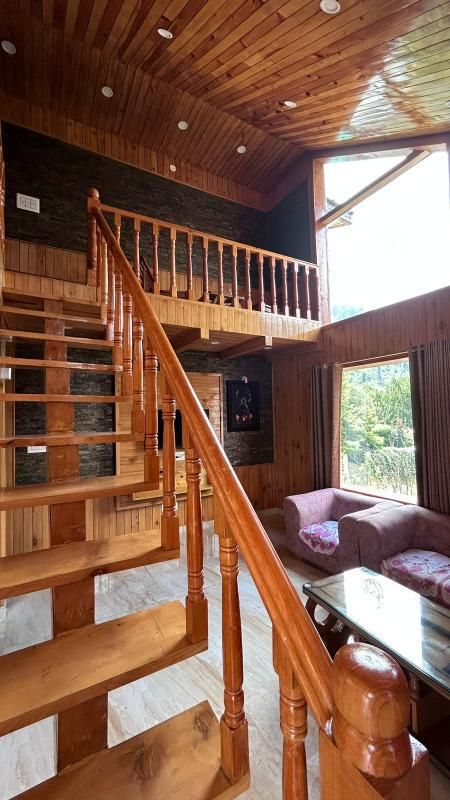
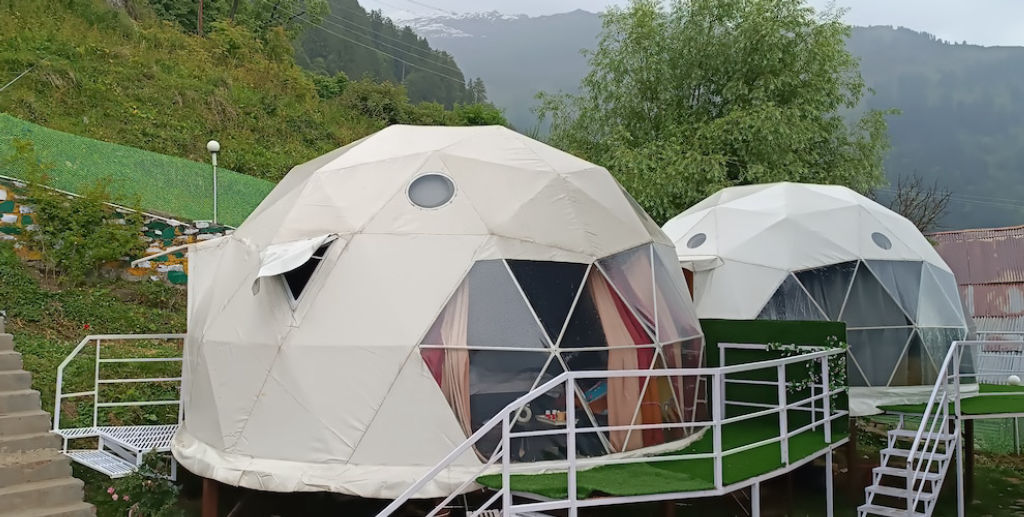
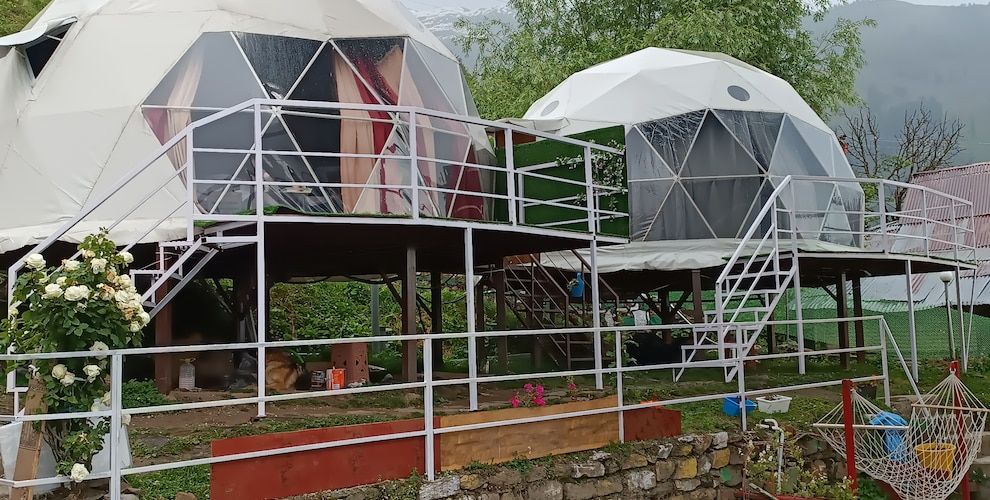
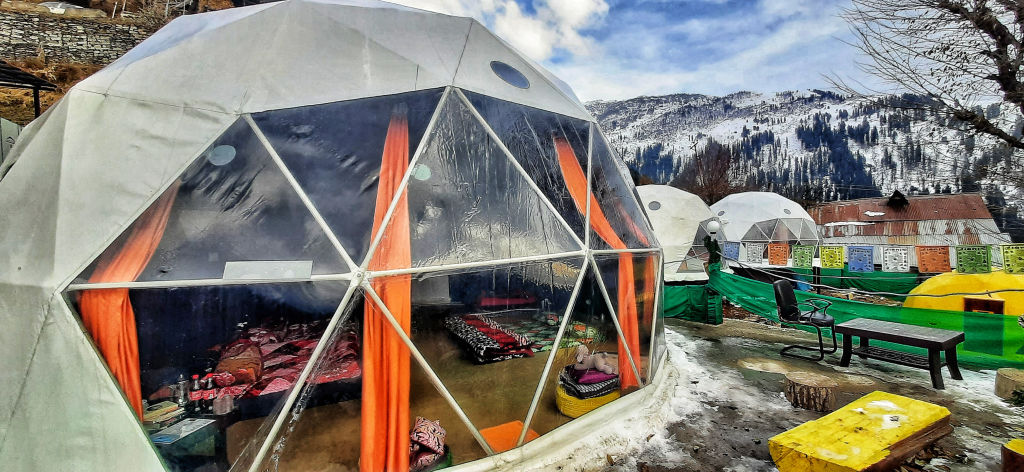
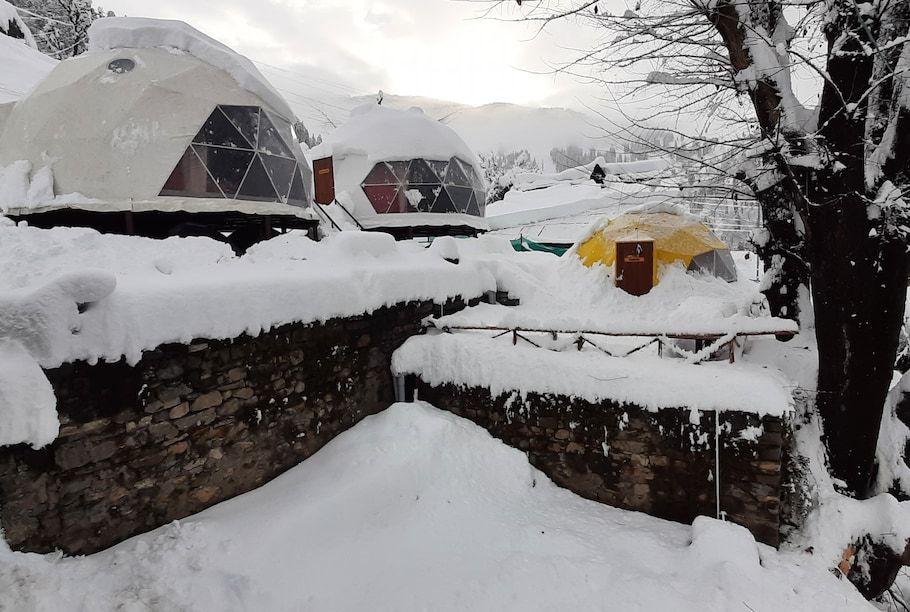
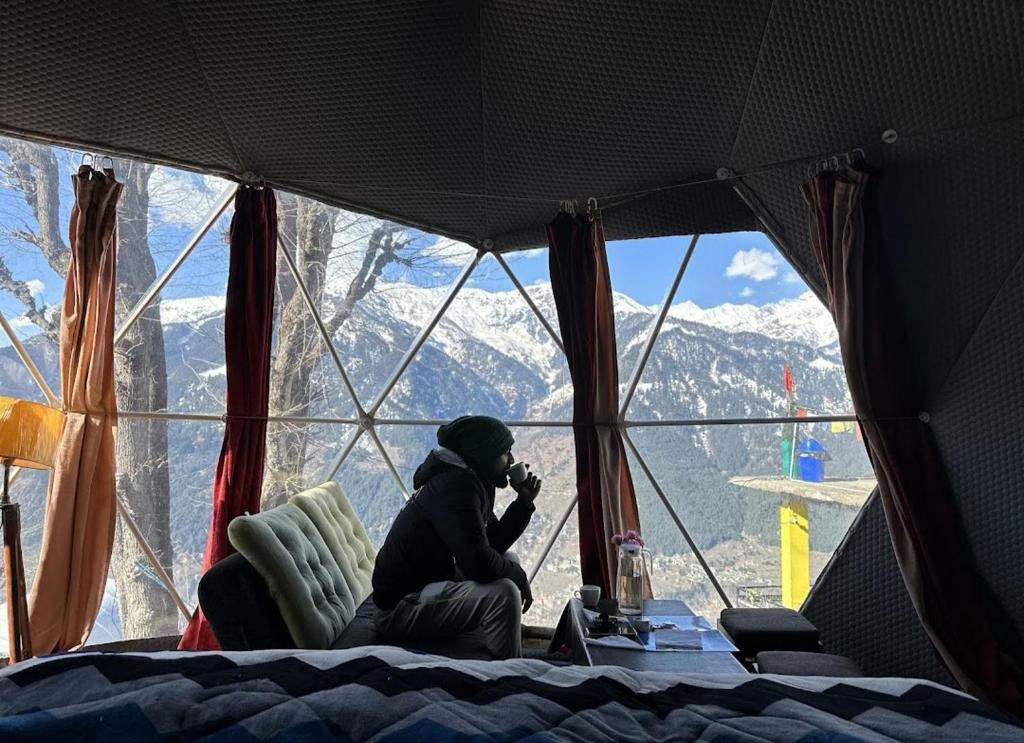
For comfortable accommodation before and after an expedition, the lower valleys and base towns offer diverse options. Travellers can browse HireACamp to find rustic homestays, riverside cottages, and managed outdoor campsites in the surrounding Himachal valleys. Booking a stay in these lower settlements offers a warm, comfortable base for pre-climb acclimatization, route planning, and post-expedition recovery.
Frequently asked questions
Where is Shikar Beh located?
Shikar Beh is a high Himalayan peak situated in Himachal Pradesh, rising amidst glaciated terrain northwest of the upper Kullu and Kangra valley regions.
Can beginners trek to Shikar Beh?
No, the trails and climbing routes around Shikar Beh involve glaciated terrain, moraines, and high altitudes that require mountaineering competence, wilderness experience, and proper technical gear.
What is the best season to attempt a trek near Shikar Beh?
The most favorable windows are early summer in June and July before the peak monsoon, and the post-monsoon autumn window from September through October when skies are generally clear.
Are there accommodation facilities at Shikar Beh?
There are no built accommodations on the mountain; visitors must camp in self-supported alpine tents. Homestays, riverside cabins, and established camps in the surrounding valleys can be booked on HireACamp for before or after your trek.
Where you'll be
Himachal Pradesh, HP · 11 stays nearby shown with prices
Stays near Shikar Beh
Book a place to stay close by
More places near Shikar Beh
Within 20 km
Built from 0 Instagram posts by 0 creators. Every tip links back to the post it came from, and where creators disagree we show both sides.






