
Shimla Water Catchment Wildlife Sanctuary
Wildlife sanctuary near Chharabra, Himachal Pradesh
2.1 km from Chharabra
The nearest town, for stays, food and fuel.
Shimla Water Catchment Wildlife Sanctuary is a pristine protected forest located just outside Shimla in Himachal Pradesh. Renowned for harboring some of the densest and oldest deodar cedar groves in Asia, it originally served as the freshwater source for the colonial hill station. Travellers visit to walk and cycle along quiet forest trails, observe Himalayan birdlife, and immerse themselves in an untouched woodland setting.
Getting there
By road
- From ChharabraNearest town25 min · 11 km
- From Chandigarh2 hr 55 min · 123 km
- From Ludhiana4 hr 50 min · 224 km
- From Dehradun5 hr · 239 km
Typical drive times without traffic. Stations and airports from OLA Maps; distances and typical drive times from OpenStreetMap (© OpenStreetMap contributors); notes from creators' Reels.
About Shimla Water Catchment Wildlife Sanctuary
Written with AI from map data and general knowledge. Check prices and timings locally before you go.
About Shimla Water Catchment Wildlife Sanctuary
Shimla Water Catchment Wildlife Sanctuary spans over ten square kilometres of densely wooded mountain terrain just east of Shimla. Established during the late nineteenth century under British administration, the area was protected to safeguard the freshwater springs and natural reservoirs that supplied drinking water to the colonial summer capital. Because entry into the catchment area was rigorously restricted for more than a century to protect water purity, the forest remained sheltered from urban sprawl, logging, and commercial exploitation.
In 1990, the Himachal Pradesh government officially notified the reserve as a wildlife sanctuary, recognizing its immense ecological and conservation value. Today, it stands as one of the most contiguous and mature temperate coniferous forests in Northern India. The sanctuary forms a critical ecological buffer zone for the region, protecting vital mountain watersheds while offering visitors a tranquil glimpse into the untouched Himalayan wilderness that once blanketed the entire ridge.
Flora and fauna of the sanctuary
The sanctuary is widely celebrated for containing an exceptionally dense and healthy stand of Himalayan deodar trees. Alongside towering deodars that form an unbroken canopy overhead, the forest supports mature blue pine, moru oak, ban oak, and various rhododendron varieties. The thick upper canopy creates a cool and shaded understory rich in native ferns, mosses, medicinal herbs, and seasonal wildflowers that thrive following the summer rains.
This undisturbed environment provides habitat for diverse Himalayan wildlife. Barking deer, locally known as kakar, are frequently spotted grazing through the undergrowth, while Himalayan goral occupy the steeper rocky crags. The sanctuary is also home to leopards, yellow-throated martens, porcupines, and flying squirrels. For birdwatchers, the reserve is an exceptional destination where species such as the koklass pheasant, kaleej pheasant, white-collared blackbird, rufous sibia, and various woodpeckers can be observed throughout the branches.
Read more
Things to do in the sanctuary
Unlike many Indian wildlife reserves explored through motorized safaris, Shimla Water Catchment Wildlife Sanctuary is meant to be experienced entirely on foot or by bicycle. A broad, well-graded trail runs through the heart of the forest for roughly eight to ten kilometres toward the heritage forest rest house at Seog. Walking beneath the cool shade of giant deodars provides an immersive sensory retreat characterized by crisp mountain air, the fragrance of cedar resin, and the echoing calls of woodland birds.
Cycling is another popular and low-impact way to explore the reserve. Travellers can pedal along the gently winding forest route, making it a rewarding day trip for outdoor enthusiasts seeking peaceful physical activity. Nature photography opportunities are abundant along the trail, from dappled morning sunlight filtering through misty branches to close-up views of delicate alpine fungi, moss-draped trunks, and shy forest wildlife.
Best time to visit
The sanctuary offers distinct charms across the seasons, making it accessible throughout most of the year. From March to June, spring and early summer bring comfortable daytime temperatures and blooming woodland plants. During these months, the sanctuary offers a refreshing escape from the rising heat of the northern plains, making it the ideal season for extended walks, picnics, and cycling trips.
The monsoon months of July and August envelop the sanctuary in dense clouds and mist, enlivening mountain streams and bringing lush green mosses to every tree trunk. While the forest looks dramatically verdant, walkers should be mindful of slippery paths and leeches during heavy rain. Autumn, spanning September to November, brings clear blue skies, crisp air, and optimal visibility for birdwatching. Winter between December and February brings brisk cold and occasional snowfall, transforming the dark green deodars into a silent, frosted landscape best suited for well-layered hikers.
How to reach Shimla Water Catchment Wildlife Sanctuary
The sanctuary entrance is located near Dhalli along the National Highway heading toward Kufri, situated only a few kilometres east of central Shimla. Travellers based in the town can reach the gate by hiring a local taxi or taking a public bus heading towards Dhalli or Kufri, disembarking at the sanctuary checkpost.
To reach the region from further away, visitors typically travel via Chandigarh or New Delhi. Chandigarh is the nearest major airport and broad-gauge railway hub, located approximately one hundred and twenty kilometres away. From Kalka, travellers can take the historic Himalayan toy train up to Shimla, enjoying a scenic ascent through the pine hills. By road, National Highway 5 connects Chandigarh to Shimla in approximately four hours of driving under typical conditions.
Tips for your visit
Because the sanctuary is dedicated to low-impact wilderness conservation, visitors must follow strict environmental guidelines. Private motor vehicles are not allowed into the inner forest, so wearing supportive walking shoes or hiking boots is essential. Carrying your own drinking water in a reusable container and bringing light snacks is strongly recommended, as there are no food stalls or commercial vendors inside the sanctuary grounds.
Visitors must carry valid government identification for registration at the forest checkpost. It is always wise to check locally regarding daily entry timings, forest permits, and the availability of bicycle rentals at the gate. Finally, remember to maintain silence while exploring the paths to avoid disturbing wild animals and pack out all personal waste to keep the sanctuary pristine.
Places to visit nearby
A trip to the wildlife sanctuary pairs naturally with the architectural and cultural sights of Shimla. The historic Ridge and Christ Church sit only a short drive away, offering landmark colonial architecture, mountain views, and pedestrian promenades along Mall Road.
Travellers interested in exploring further afield can visit the tranquil banks of Sadhupul Lake for an afternoon by the water. Shrines such as Shree Ramlok Mandir and Kali Tibba Temple, situated atop scenic ridges in the surrounding hills, provide sweeping views across the lower valleys and offer quiet destinations for day excursions.
Where to stay
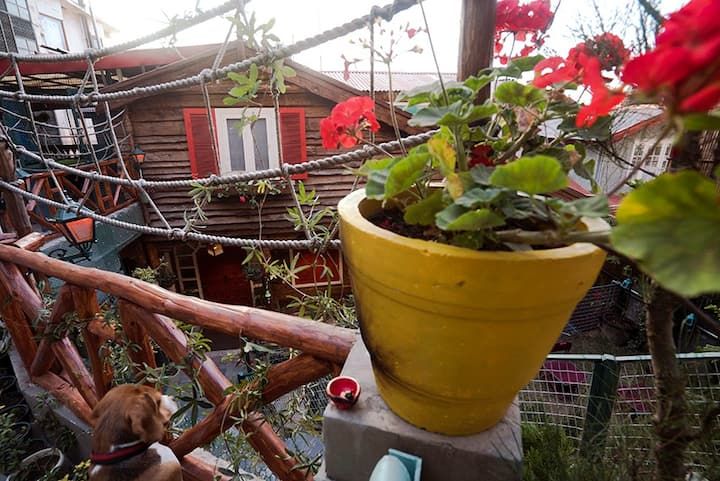
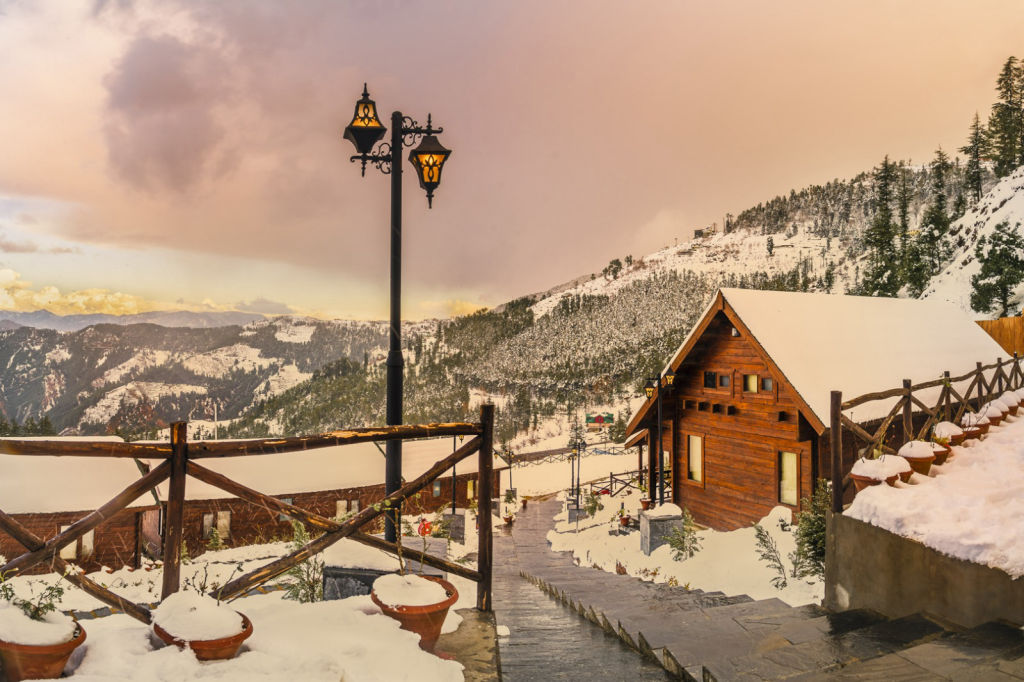
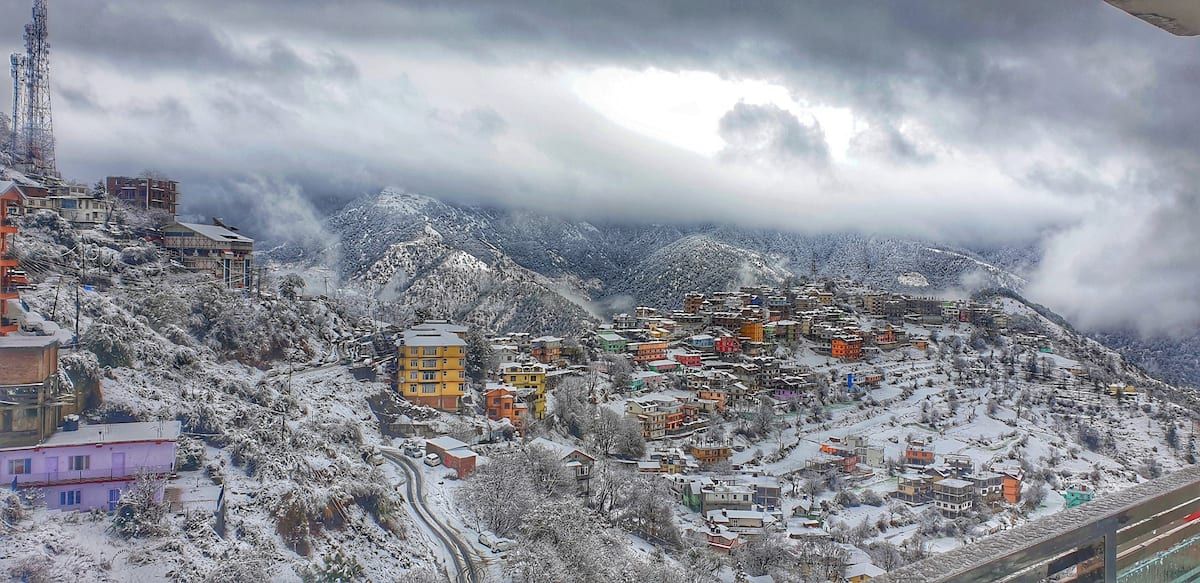
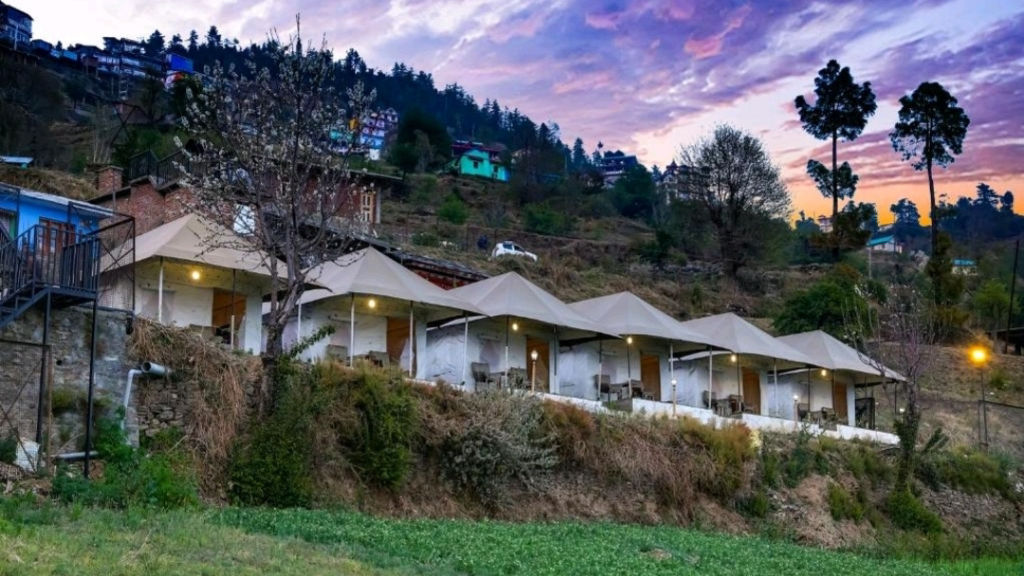
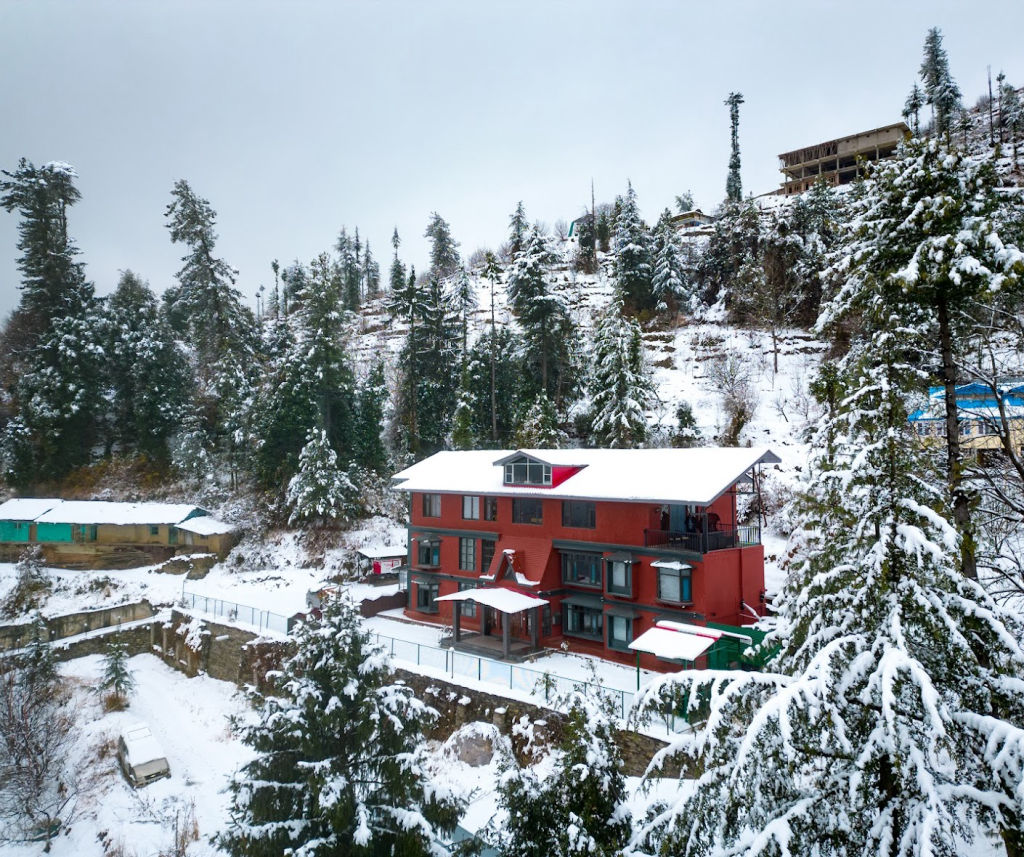
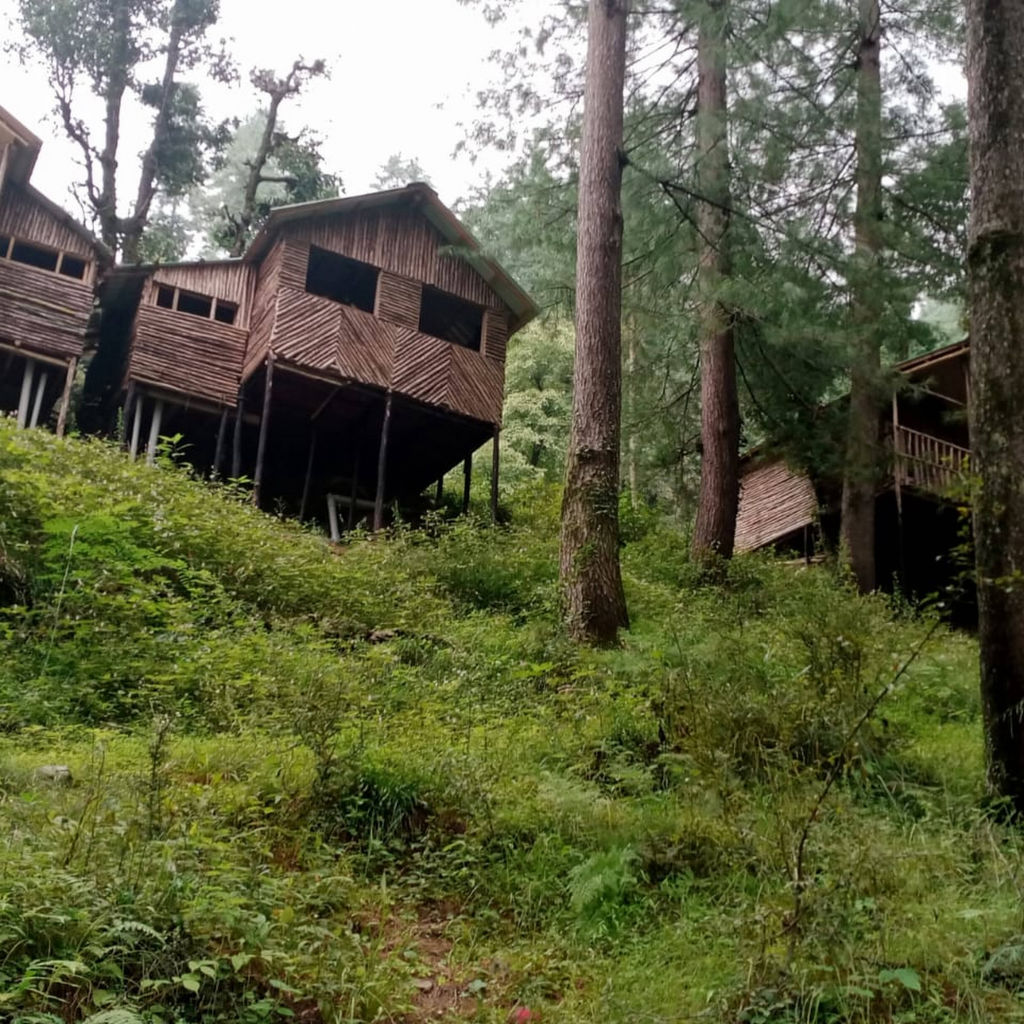
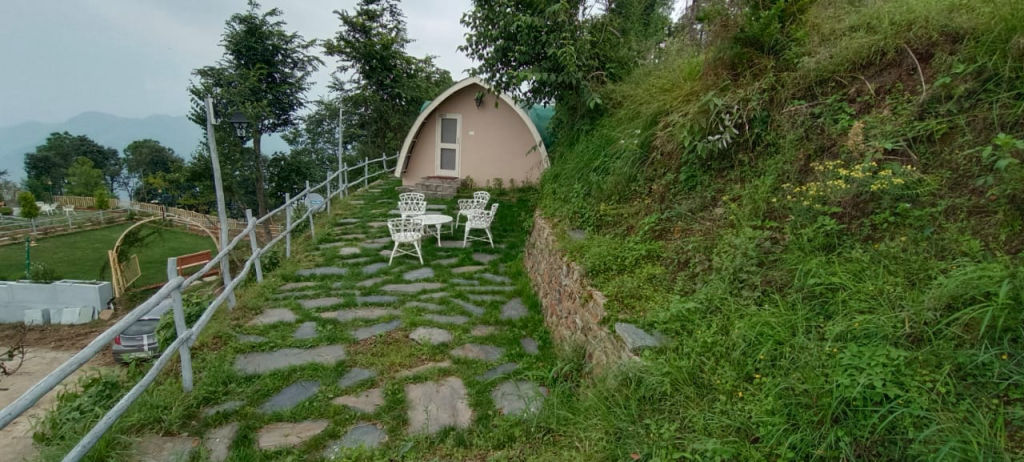
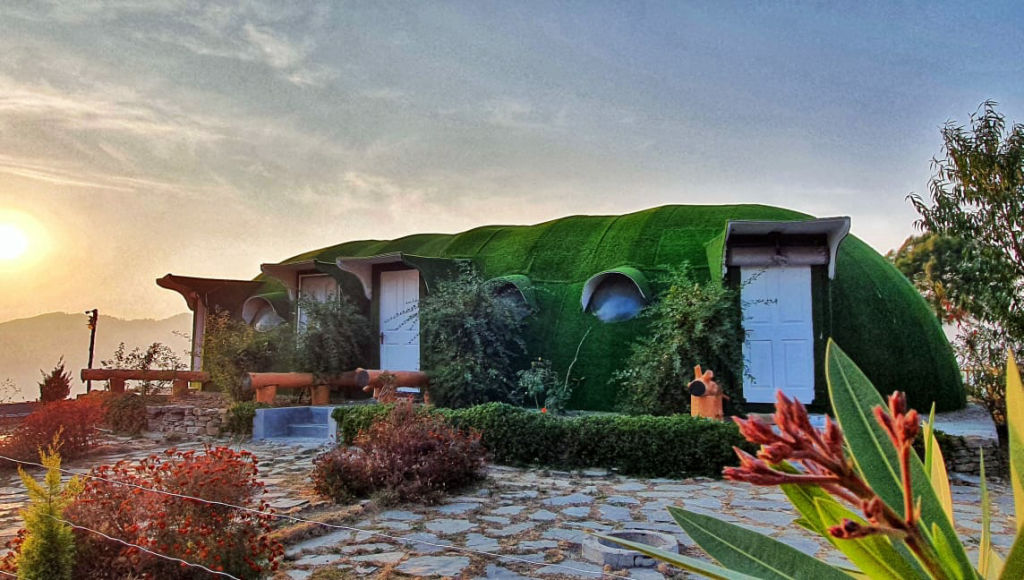
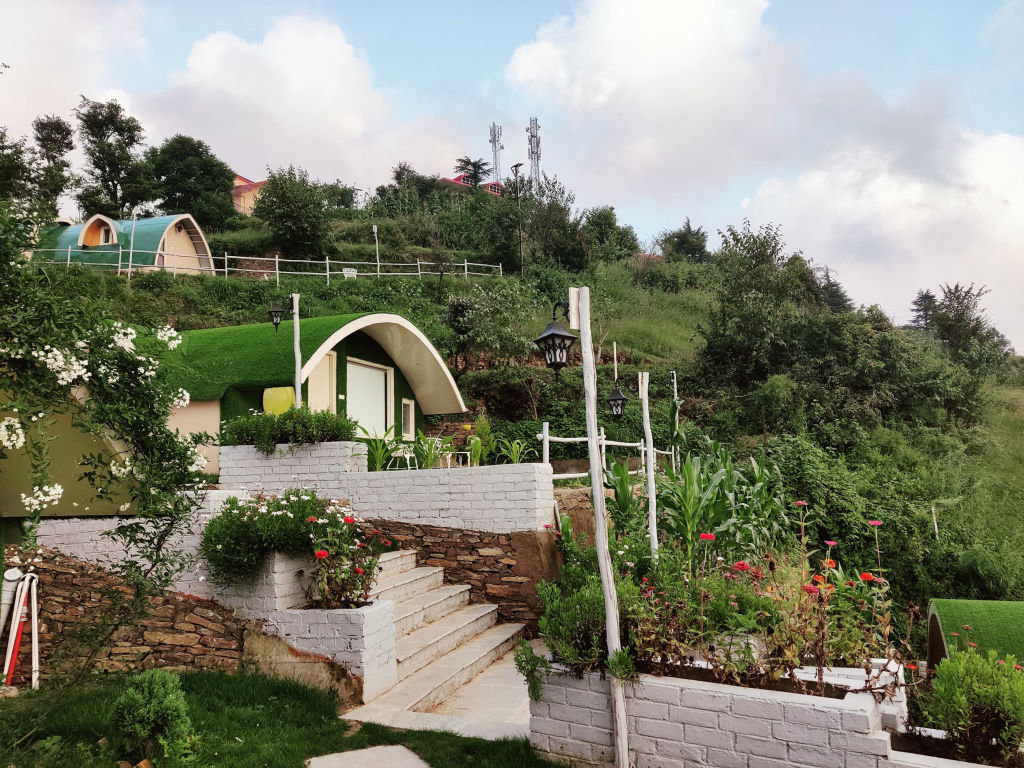
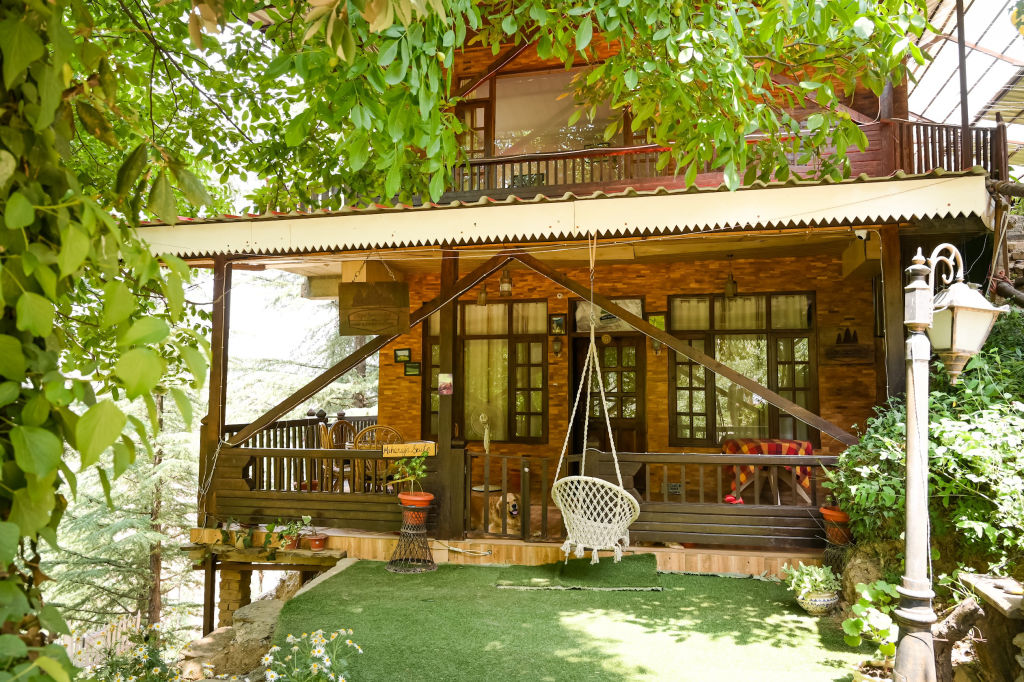
A wide variety of accommodations can be found throughout the Shimla area and the surrounding countryside. Choosing stays outside the busy city centre in nearby pockets like Dhalli, Mashobra, or Charabra allows quick and convenient access to the sanctuary trailheads in the early morning.
Travellers can discover and book verified homestays, nature retreats, and outdoor campsites across the Shimla region on HireACamp to suit their travel plans.
Frequently asked questions
Can personal vehicles be driven inside Shimla Water Catchment Wildlife Sanctuary?
No, private motor vehicles are prohibited inside the sanctuary to protect the ecosystem. Visitors explore the forest trails on foot or by bicycle.
Can you rent bicycles at the sanctuary?
Bicycles are often available to rent at the forest entry barrier for use along the main trail. It is advisable to check availability locally upon arrival.
How far is the sanctuary from central Shimla?
The sanctuary gate near Dhalli is located approximately five to eight kilometres east of central Shimla and is easily reached by local taxi or bus.
What wildlife might you see inside the sanctuary?
Commonly sighted wildlife includes barking deer, Himalayan goral, langurs, flying squirrels, and a variety of birds including pheasants, flycatchers, and thrushes.
Are there food stalls or cafes inside the sanctuary?
There are no commercial shops, cafes, or stalls inside the sanctuary grounds, so visitors should carry their own drinking water and light refreshments.
Where you'll be
Shimla · 12 stays nearby shown with prices
Stays near Shimla Water Catchment Wildlife Sanctuary
Book a place to stay close by


More places near Shimla Water Catchment Wildlife Sanctuary
Within 20 km


Lists for this area
Ranked by how many creators recommend each place


Built from 0 Instagram posts by 0 creators. Every tip links back to the post it came from, and where creators disagree we show both sides.






