
Shri Dhavir Maharaj Mandir
Temple near Roha, Maharashtra
500 m from Roha
The nearest town, for stays, food and fuel.
Shri Dhavir Maharaj Mandir is a revered temple dedicated to the presiding patron deity of Roha in Maharashtra's Raigad district. Situated amidst the scenic foothills of the Western Ghats along the banks of the Kundalika River, the temple serves as the spiritual heart of the local community. Travellers visit to experience traditional Konkani temple heritage, attend vibrant seasonal festivals, and seek blessings in a calm, historic setting.
Getting there
By road
- From RohaNearest town1 min · 600 m
- From Mumbai 2 hr · 105 km
- From Pune2 hr 45 min · 140 km
- From Nashik5 hr 20 min · 307 km
Typical drive times without traffic. Stations and airports from OLA Maps; distances and typical drive times from OpenStreetMap (© OpenStreetMap contributors); notes from creators' Reels.
About Shri Dhavir Maharaj Mandir
Written with AI from map data and general knowledge. Check prices and timings locally before you go.
About Shri Dhavir Maharaj Mandir
Shri Dhavir Maharaj Mandir is one of the most prominent cultural and spiritual landmarks in the town of Roha, nestled in the coastal district of Raigad. The temple is dedicated to Shri Dhavir Maharaj, who is worshipped as the Gramdevata, or guardian deity, of Roha and its surrounding villages. Deeply woven into the everyday life of the region, the shrine draws local residents and visitors who come to offer prayers for prosperity, family welfare, and protection before undertaking significant life events or journeys.
The temple complex exhibits classic regional architecture characteristic of the Konkan belt. With its tiled roofs, wooden structural accents, and sheltered sanctum, the complex reflects a simple and welcoming village atmosphere. Over the years, the shrine has remained an anchor for local traditions, maintaining rituals that have been carried forward across generations. Stepping into the courtyard gives visitors a window into authentic Maharashtrian temple rituals away from more commercialised pilgrimage hubs.
Cultural significance and festivals
The cultural life around Shri Dhavir Maharaj Mandir reaches its peak during major festive periods, particularly the annual fair or Jatra and the celebration of Navratri. During these celebrations, the temple grounds and neighbouring market streets fill with devotees from all over Raigad district and travellers from Mumbai and Pune. The deity is adorned in traditional ceremonial attire, and elaborate aartis mark the mornings and evenings.
The annual Jatra is an especially lively occasion where traditional Maharashtrian devotional music, palanquin processions, and temporary bazaars take over the town. Local vendors set up stalls offering traditional Konkani sweets, earthen handicrafts, and festive treats. For visitors interested in the living folklore and community traditions of rural Maharashtra, attending one of these festival days provides an immersive look into regional devotion and celebration.
Read more
Best time to visit
The ideal time to plan a visit to Shri Dhavir Maharaj Mandir is during the cooler months from October to March. During late autumn and winter, the weather across the Raigad plains remains pleasant, with daytime temperatures comfortable for walking around the temple complex and exploring town viewpoints like the nearby Roha Hanuman Tekadi.
The monsoon season, from June to September, brings intense rainfall to Roha and coats the surrounding Sahyadri hills in thick greenery. Visiting during the rains offers picturesque river views and misty landscapes, though travellers should come prepared with waterproof gear and take care on wet walking paths. The summer months from April to early June are typically hot and humid, making morning and late evening temple visits the most comfortable option during that period.
How to reach Shri Dhavir Maharaj Mandir
Shri Dhavir Maharaj Mandir is located in the town of Roha, making it accessible by both rail and road from major cities in Maharashtra. Roha is a key junction on the Konkan Railway network and is well connected to Mumbai, Navi Mumbai, and southern Maharashtra by regular passenger and express trains. The temple is situated just a short auto-rickshaw ride away from the Roha railway station.
Travellers driving from Mumbai or Pune can reach Roha via highways connecting through Panvel, Nagothane, or the scenic Tamhini Ghat route from Pune. State transport buses operated by MSRTC run frequent services connecting Roha with Mumbai, Thane, Alibaug, and Mahad. Once in the town centre, the temple is easy to locate and accessible on foot or by local rickshaws.
Places to visit nearby
A trip to Shri Dhavir Maharaj Mandir pairs naturally with exploring the rich natural and historical landscapes of the Raigad district. Right within Roha, Hanuman Tekadi offers a quick climb to a scenic hilltop with panoramic views of the town, the meandering Kundalika River, and the surrounding green hills.
Travellers looking to spend time outdoors can drive eastward toward the dramatic ridges of Tamhini Ghat, renowned for its seasonal waterfalls and deep mountain valleys. Trekkers and history enthusiasts can head toward the hill fortresses of Sudhagad Fort, Korigad Fort, or Fort Kailasgad, all of which provide rewarding climbs and wide perspectives over the Western Ghats. If you prefer coastal landscapes, heading west leads toward popular shores such as Revdanda Beach and Kashid Beach, as well as the historic coastal fortifications of Kolaba Fort near Alibaug.
Tips for your visit
When visiting Shri Dhavir Maharaj Mandir, dressing modestly in keeping with traditional temple customs is recommended. Light cotton clothing is most comfortable for the local climate throughout the year, with a light wrap or jacket useful for cooler winter mornings.
Footwear must be removed before entering the inner sanctum, and open shoe racks are typically available near the entrance. Photography is often restricted inside the sanctum sanctorum; it is wise to check with the temple caretakers before taking photographs within the complex. If you wish to witness the full ceremonial rituals, plan your arrival to coincide with the morning or evening prayers.
Where to stay around Roha
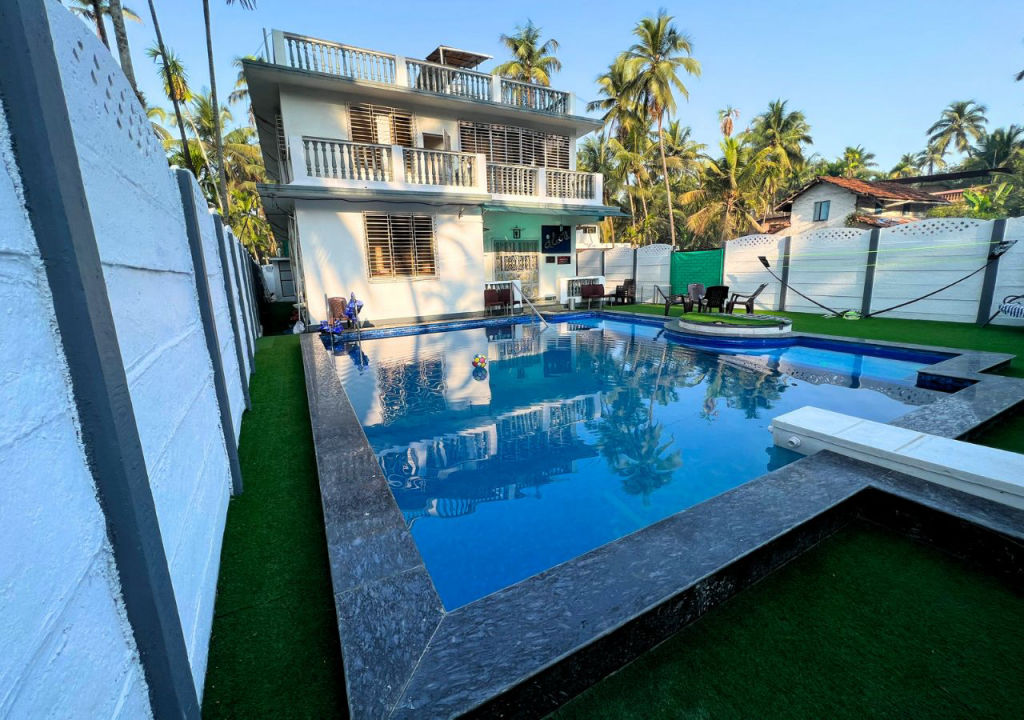
Roha offers simple town-side accommodation options suited for short transits. For travellers looking for a more immersive nature getaway, the surrounding valleys, riverbanks, and coastal belt provide a variety of scenic alternatives.
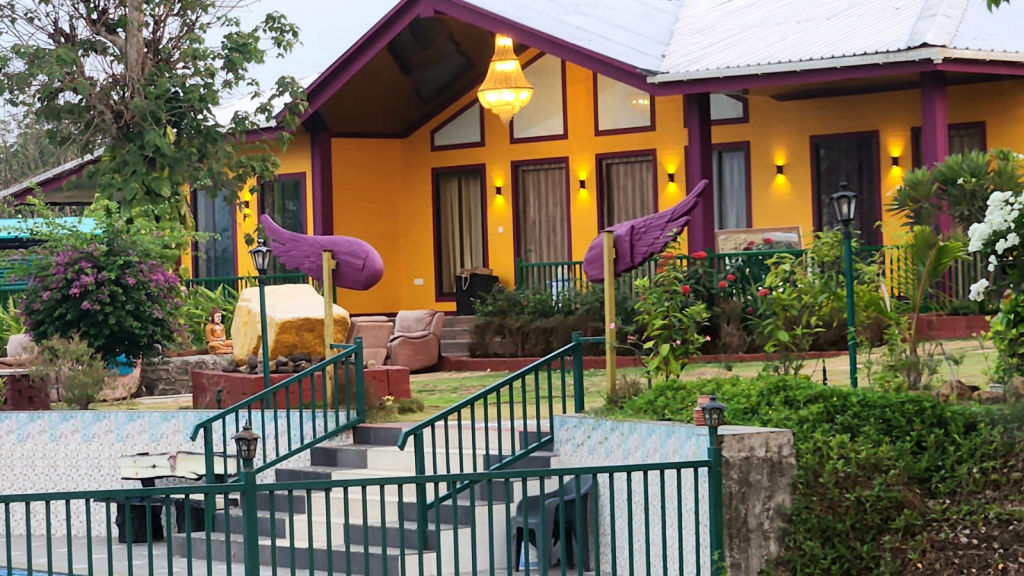
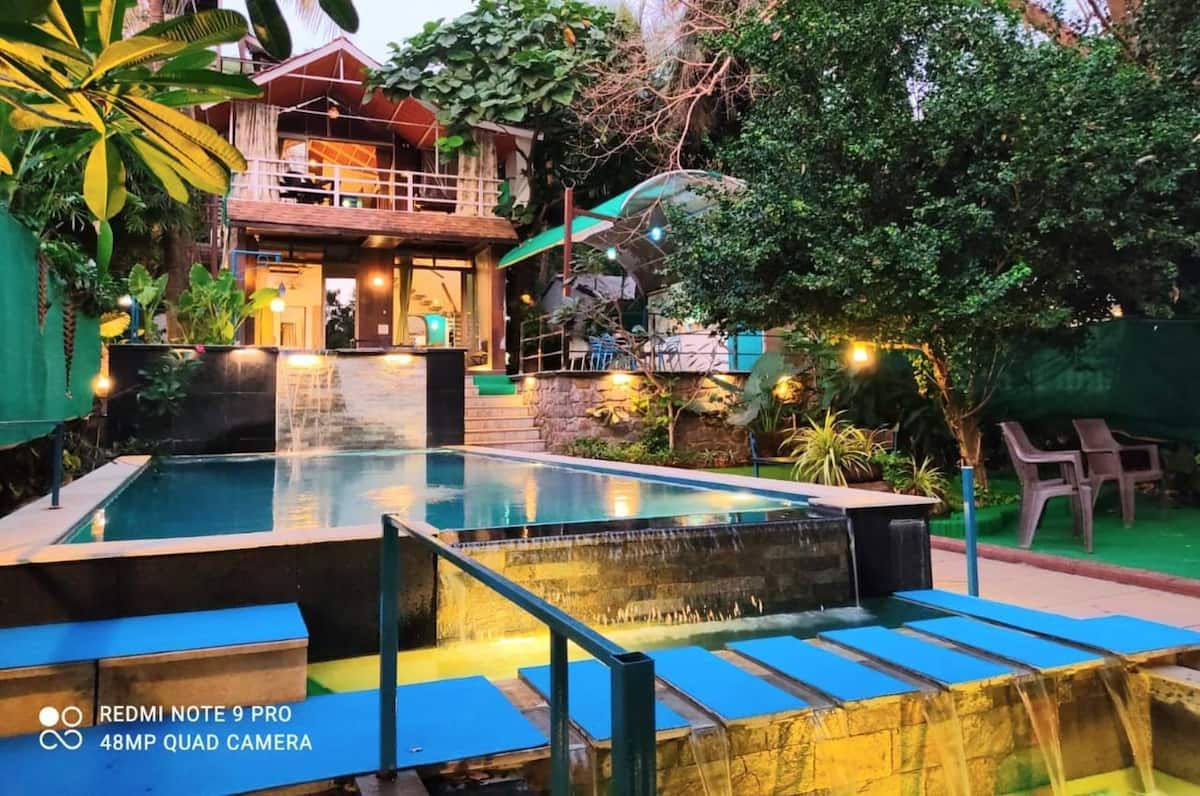
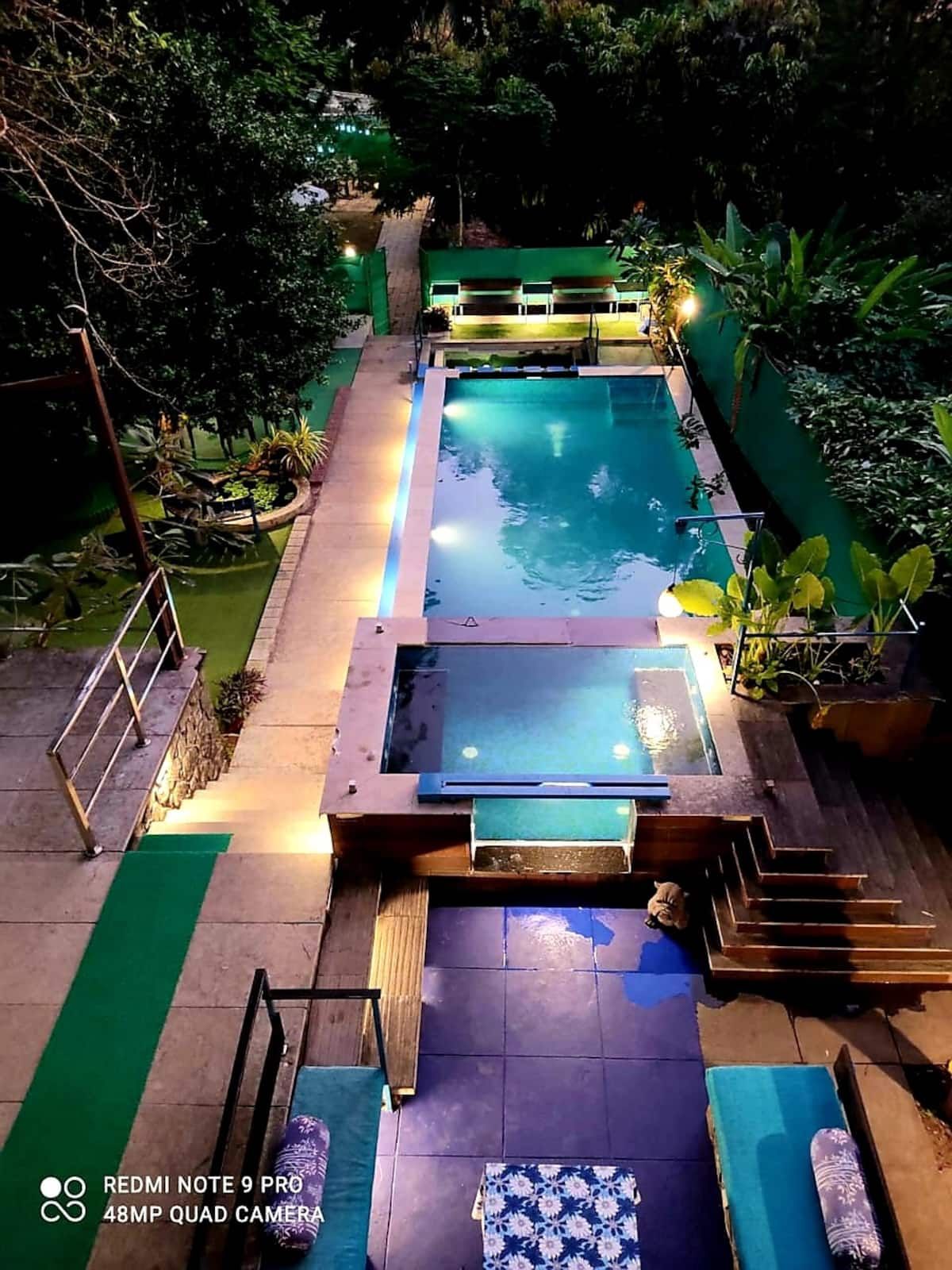
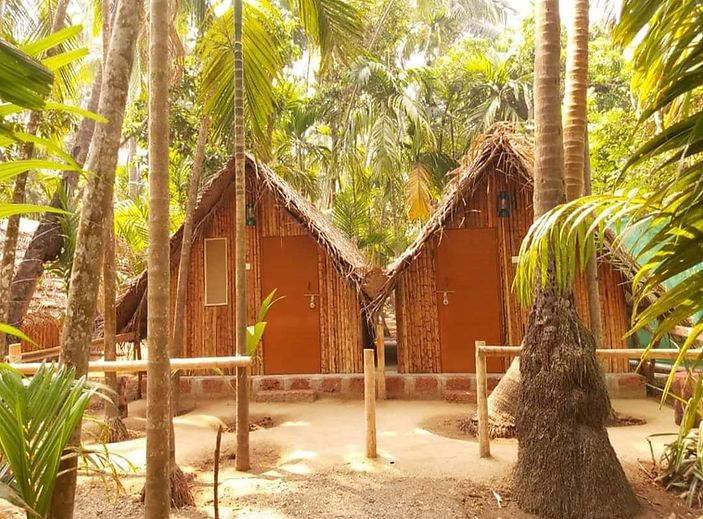
You can find riverside campsites, plantation homestays, and peaceful rural retreats in the countryside around Roha and along the road to the coast on HireACamp. Staying outside the town centre allows you to combine your temple visit with starry rural nights, local Konkani meals, and easy access to coastal beaches and hill trails.
Frequently asked questions
Where is Shri Dhavir Maharaj Mandir located?
The temple is located in the town of Roha in the Raigad district of Maharashtra, India.
Who is Shri Dhavir Maharaj?
Shri Dhavir Maharaj is the Gramdevata, or guardian deity, of Roha and is revered by the local community as a protector of the town.
What is the best time of year to visit the temple?
The most pleasant time to visit is during the winter months between October and March, or during major regional festivals such as Navratri and the annual Dhavir Maharaj Jatra.
Can I reach the temple by train?
Yes, Roha has its own railway station connected to Mumbai and the Konkan Railway network, and the temple is a short auto-rickshaw ride from the station.
Are there other attractions near Shri Dhavir Maharaj Mandir?
Yes, nearby attractions include the Roha Hanuman Tekadi viewpoint, historic hill forts like Sudhagad and Korigad, the Tamhini Ghat valley, and coastal beaches such as Kashid and Revdanda.
Where you'll be
Roha, MH · 12 stays nearby shown with prices
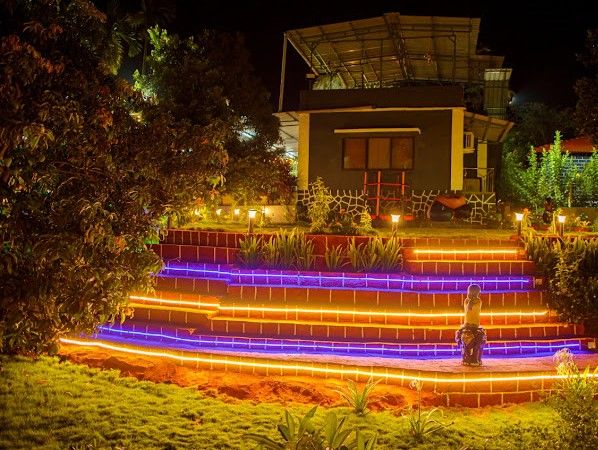
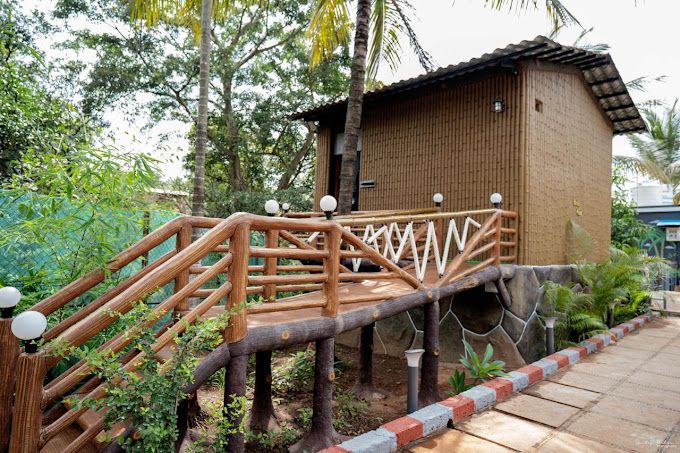
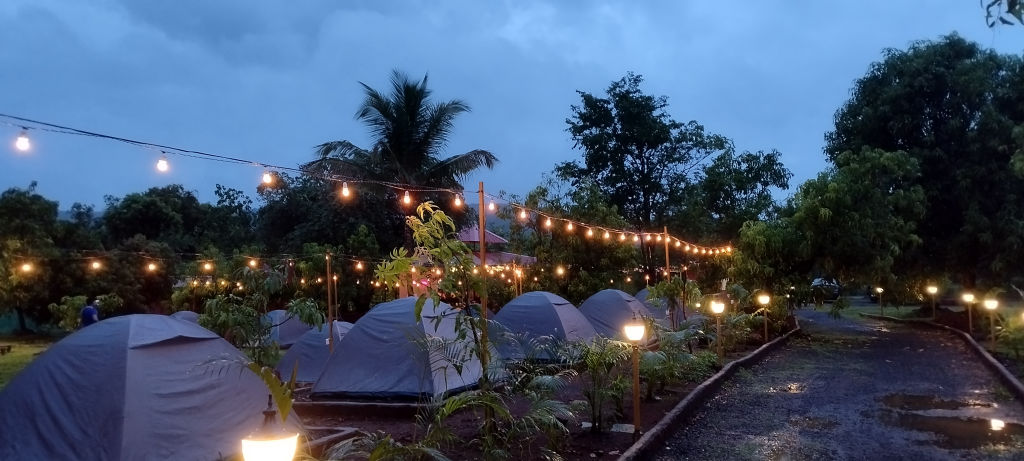
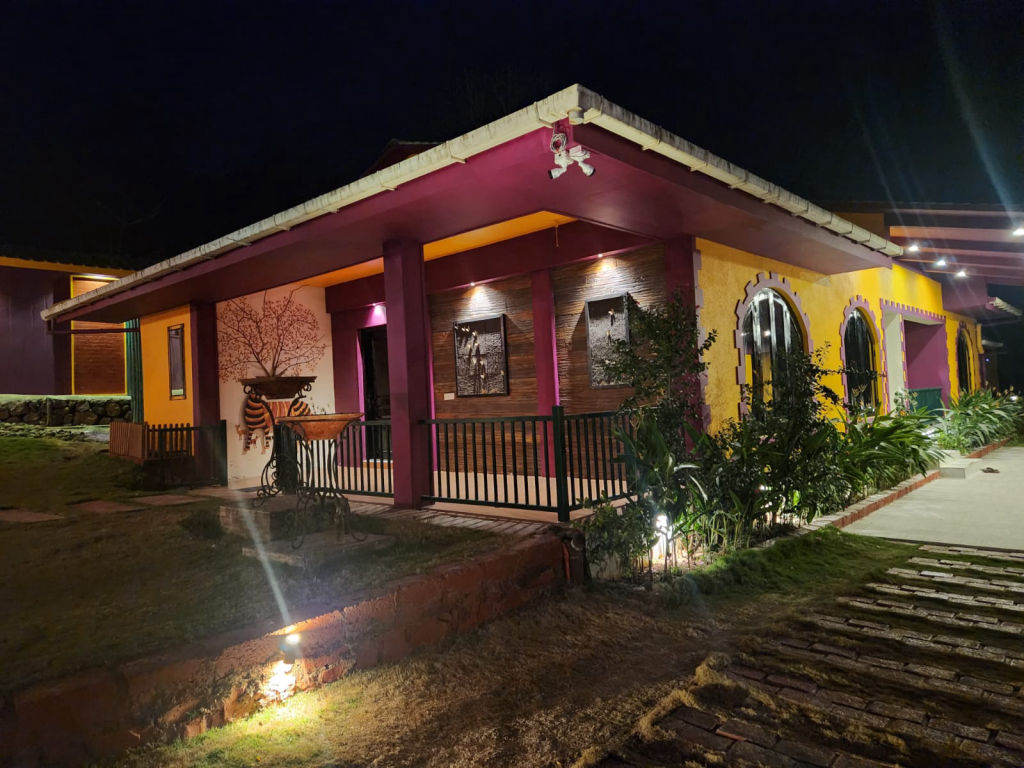
Stays near Shri Dhavir Maharaj Mandir
Book a place to stay close by



More places near Shri Dhavir Maharaj Mandir
Within 20 km


Lists for this area
Ranked by how many creators recommend each place


Built from 0 Instagram posts by 0 creators. Every tip links back to the post it came from, and where creators disagree we show both sides.






