
Sopara
Destination in Maharashtra
Sopara, historically known as Shurparaka, is an ancient port town in the Palghar district of Maharashtra, located along the Konkan coast just north of Mumbai. Revered as one of western India's most significant ancient maritime trade centres, it is steeped in Buddhist heritage and centuries of cultural transitions. Today, travellers visit Sopara to witness its archaeological remains, explore nearby coastal fortifications, and experience the quieter, historic rhythm of the northern Konkan region.
Getting there
By road
- From Mumbai 1 hr 50 min · 76 km
- From Nashik3 hr 35 min · 173 km
- From Pune4 hr 10 min · 198 km
- From Surat5 hr 10 min · 243 km
Typical drive times without traffic. Stations and airports from OLA Maps; distances and typical drive times from OpenStreetMap (© OpenStreetMap contributors); notes from creators' Reels.
About Sopara
Written with AI from map data and general knowledge. Check prices and timings locally before you go.
About Sopara and its ancient heritage
Sopara holds a deeply respected place in the annals of Indian antiquity. Known in classical texts as Shurparaka or Supparakka, it functioned as a major international trading hub for over a millennium, facilitating maritime trade between ancient India, Mesopotamia, Egypt, Greece, and Rome. Literary traditions, including Buddhist Jataka tales and the Mahabharata, make frequent reference to this legendary port city, noting it as a flourishing commercial and religious center.
The town gained significant prominence during the reign of Emperor Ashoka in the third century BCE. Ashoka chose Sopara as a key provincial outpost to propagate Buddhism, leaving behind rock edicts and sponsoring the construction of a grand stupa. In the late nineteenth century, archaeological excavations at the site uncovered fragments of Ashokan edicts alongside a stone coffer containing precious relic caskets made of copper, silver, and gold, along with an ancient Buddha image. These discoveries firmly placed Sopara on the global archaeological map, confirming its central role in ancient trade and Buddhist history.
Things to do in Sopara
A visit to Sopara begins at the ancient Sopara Stupa mound, situated in the Gas area of the town. While only the foundational brickwork and earthen mound remain visible today, standing before this monument offers a tangible connection to India's Mauryan past. Visitors often spend time here reflecting on the town's transformation from an international sea haven into a quiet residential township.
Another significant cultural stop in the town is the Chakreshwar Mahadev Temple and its adjacent sacred tank. The temple compound preserves several ancient stone sculptures and carvings salvaged from different periods of the region's long history, including representations of Brahma and various deities. Taking a quiet walk through the older quarters around the temple lets travellers observe the relaxed everyday life of the local fishing, agrarian, and trading communities.
Travellers who enjoy spontaneous exploration can also wander through local vegetable and street markets around the town center. The markets display fresh coastal produce, seasonal fruits, and traditional regional snacks that reflect the authentic flavours of the Vasai-Virar coastal belt.
Read more
Places to visit near Sopara
Sopara serves as an excellent starting point for discovering the rich coastal history and natural retreats of the surrounding district. Just ten kilometres south lies Vasai Fort, also known as Bassein Fort. This sprawling maritime citadel, built by the Portuguese and later captured by the Maratha Empire, features towering ramparts, remnants of cathedral arches, and sweeping views of the Arabian Sea and the surrounding estuary. It is a favourite destination for photographers, historians, and casual day-trippers alike.
Roughly twenty-five kilometres away, towards the mainland, lies the expansive Sanjay Gandhi National Park and the ancient Kanheri Caves complex. Carved deep into the basalt hills of the park, Kanheri contains over one hundred rock-cut Buddhist caves dating from the first century BCE to the tenth century CE. Exploring Kanheri alongside Sopara provides a complete picture of the historical trade network that connected coastal ports with inland monastic settlements.
Those seeking coastal scenery can travel toward Aksa Beach or the tranquil shores around Gorai, approximately twenty-one kilometres to the south-west, which also hosts the monument of the Global Vipassana Pagoda. The pagoda stands as an architectural marvel and a center of peaceful meditation, easily visible across the coastal creeks.
Best time to visit Sopara
The winter season, stretching from November to February, is the most comfortable and rewarding period to visit Sopara. During these months, the daytime temperatures remain moderate, humidity levels drop noticeably, and pleasant sea breezes blow in from the Arabian Sea. This makes walking through open-air ruins, temple courtyards, and nearby fort ramparts enjoyable.
The monsoon months between June and September bring heavy rain to the Konkan coast. While continuous rainfall can make outdoor walking and site inspection challenging, the countryside turns intensely green, with local water bodies replenishing and coconut groves looking vibrant. Travellers who enjoy misty coastal drives and lush scenery often find the rainy season appealing, provided they carry waterproof gear.
Summers, lasting from March until late May, bring high heat and intense coastal humidity. Midday exploration during these months can become exhausting, so any sightseeing during summer is best restricted to early mornings or late afternoons.
How to reach Sopara
Sopara is located along the suburban corridor of the Mumbai Metropolitan Region and enjoys seamless rail and road connectivity. The town is served by Nalasopara railway station on the Western Line of the Mumbai Suburban Railway. Frequent local trains run between Churchgate in South Mumbai and Dahanu Road, making rail the fastest and most practical way to reach Sopara from Mumbai and Thane.
By road, Sopara is easily accessible via the Western Express Highway, which forms part of National Highway 48. Motorists driving from Mumbai, Navi Mumbai, or Gujarat can take designated arterial exits toward Nalasopara and Vasai. Travel times by road depend heavily on traffic conditions, particularly during peak office commute hours.
The nearest domestic and international air terminal is Chhatrapati Shivaji Maharaj International Airport in Mumbai. From the airport, visitors can take a suburban train, hire a taxi, or use app-based cabs to reach Sopara comfortably.
Tips for your visit
Because Sopara is a functional suburban town rather than an enclosed tourist resort, it is best to set realistic expectations before arriving. The archaeological ruins are modest in appearance and require an appreciation of history to be fully valued. Hiring a knowledgeable local guide or reading up on the archaeological reports beforehand can significantly enhance your experience.
Comfortable, flat walking shoes are strongly recommended, as you will be walking across unpaved paths, stone compounds, and earthen mounds. Lightweight cotton clothing is ideal for coping with the regional humidity. When entering functioning temples and community shrines, dress modestly and follow local customs regarding footwear and photography.
Keep drinking water handy, particularly if you plan to walk between sights or pair your visit with an extended trip to Vasai Fort. Check local train schedules and road traffic forecasts before departing to avoid the busiest rush hours.
Where to stay near Sopara
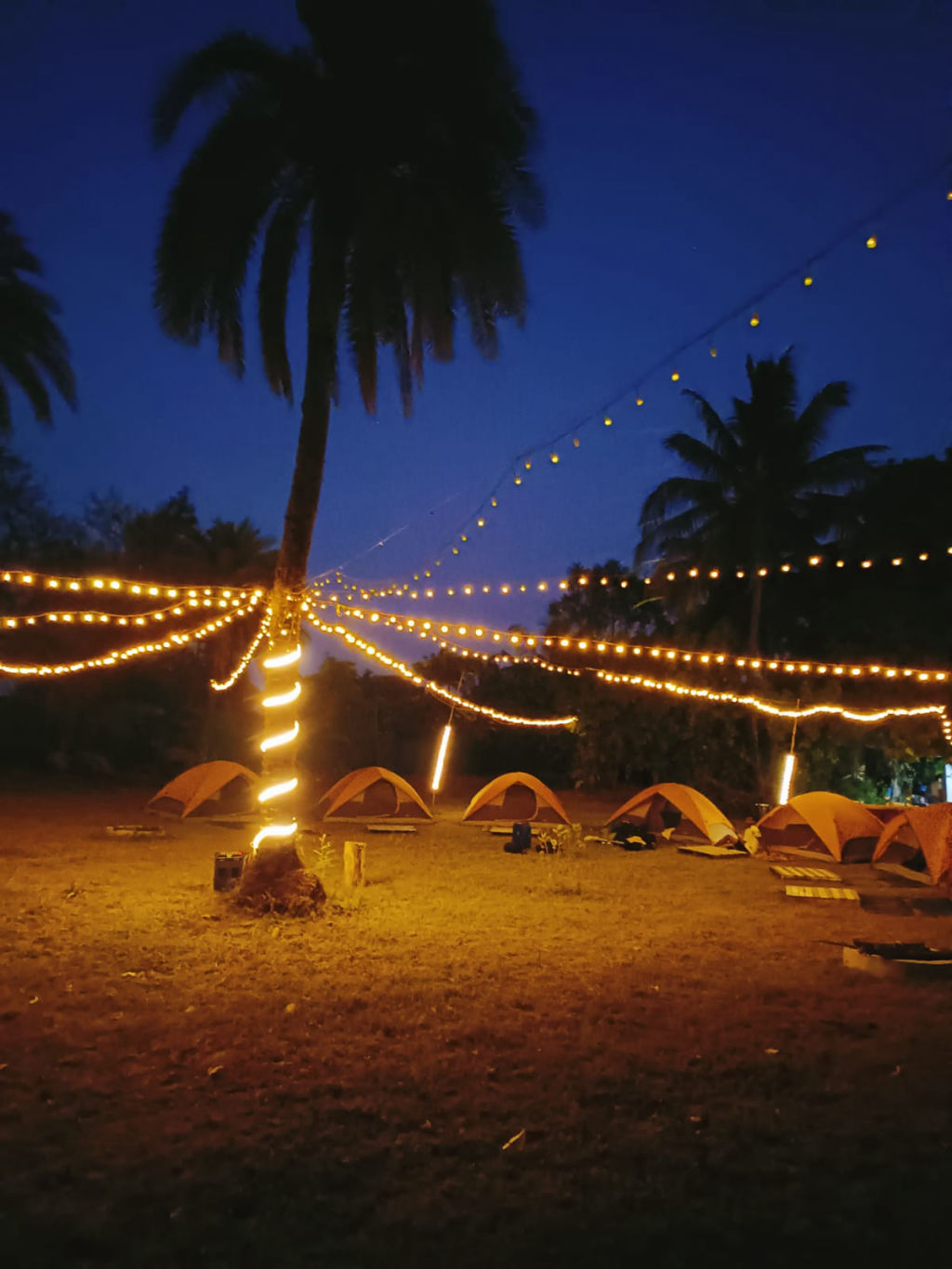
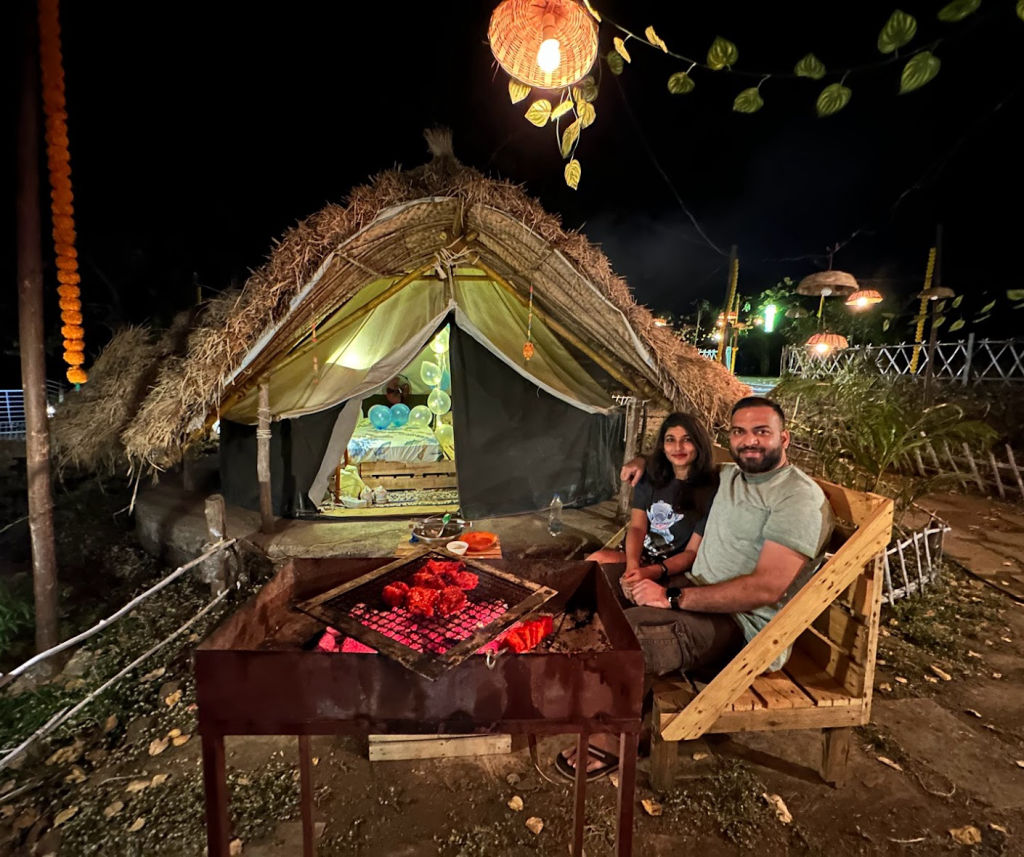
While Sopara itself is primarily residential and commercial, the wider surrounding region provides diverse accommodation choices for travellers seeking getaways. Along the coastline of Palghar, near the beaches of Vasai, and on the rural fringes of the Western Ghats, you can find quiet homestays, private villas, and eco-friendly outdoor camping sites.
Travellers interested in combining historical exploration with peaceful nature retreats can find curated homestays, coastal farm stays, and scenic campsites across the area listed on HireACamp. Booking a stay close to the coast or countryside allows you to enjoy Sopara's history by day and relax in nature by evening.
Frequently asked questions
What is Sopara known for?
Sopara is renowned as an ancient international seaport and Buddhist center that traded with ancient Mediterranean and Middle Eastern civilizations over two thousand years ago. It is famous for its ancient Buddhist stupa and the historical Ashokan edicts discovered here.
Can Sopara be visited as a day trip from Mumbai?
Yes, Sopara makes for an easy day trip from Mumbai due to regular suburban train services on the Western Railway line and direct road access via National Highway 48.
How far is Vasai Fort from Sopara?
Vasai Fort is located roughly ten kilometres south of Sopara, making it very convenient to combine both historic destinations in a single itinerary.
What is the best way to travel around Sopara?
Local autorickshaws and suburban taxis are readily available outside the railway station and provide the easiest way to commute between the stupa mound, local temples, and nearby neighbourhoods.
Are there any entry fees to visit the Sopara Stupa?
Access rules and local maintenance arrangements can change over time, so travellers are advised to verify any entry requirements or visiting permissions locally upon arrival.
Where you'll be
2 stays nearby shown with prices
Stays near Sopara
Book a place to stay close by
Things to do in Sopara
48 places creators recommend within 30 km


Lists for this area
Ranked by how many creators recommend each place

Built from 0 Instagram posts by 0 creators. Every tip links back to the post it came from, and where creators disagree we show both sides.






