
Sugavaneshwarar Temple
Temple near Salem, Tamil Nadu
600 m from Salem
The nearest town, for stays, food and fuel.
Sugavaneshwarar Temple is an ancient Hindu shrine dedicated to Lord Shiva, located in the historic Fort area of Salem in Tamil Nadu. The temple is deeply revered for its connection to Sage Suka and showcases centuries of regional Dravidian craftsmanship. Travellers and pilgrims visit to experience its tranquil stone corridors, ornate carvings, and vibrant spiritual traditions right in the heart of the city.
Getting there
By road
- From SalemNearest town3 min · 1.1 km
- From Coimbatore4 hr · 167 km
- From Bengaluru4 hr 20 min · 188 km
- From Madurai5 hr · 234 km
Typical drive times without traffic. Stations and airports from OLA Maps; distances and typical drive times from OpenStreetMap (© OpenStreetMap contributors); notes from creators' Reels.
About Sugavaneshwarar Temple
Written with AI from map data and general knowledge. Check prices and timings locally before you go.
History and mythology of Sugavaneshwarar Temple
Sugavaneshwarar Temple holds a foundational place in the cultural memory of Salem. According to sacred Hindu lore, the temple owes its name to Sage Suka, a divine seer whose name translates to parrot. Legend recounts that the sage, having assumed the guise of a parrot, performed intense penance here to worship Lord Shiva. Pleased with his devotion, the deity manifested at this sacred spot, earning the title Sugavaneshwarar, or the Lord of the Parrot Grove.
Over the centuries, the temple was nurtured by successive regional dynasties, including the Cholas, Pandyas, and local chieftains who contributed granite structures, expansive pillared halls, and delicate ornamental carvings. The presiding deity is enshrined in the form of a Shiva Lingam, which tradition notes has a slight tilt, symbolizing the tender mark left by the sage in his devotion. Alongside the main sanctum is the shrine of Goddess Swarnambigai, the divine consort, revered for bestowing grace and prosperity upon devotees who enter these sanctified grounds.
Architectural features of the temple complex
The architectural layout of Sugavaneshwarar Temple follows classic South Indian Dravidian traditions. As you approach from the surrounding neighborhood of Fort, the towering tiered gopuram rises above the cityscape, adorned with intricate stucco sculptures depicting various cosmic legends and deities. Passing beneath the monumental gateway brings you into an expansive precinct paved with time-smoothed stone slabs.
The complex features several mandapams supported by hand-carved stone pillars. These columns display intricate motifs of celestial dancers, mythical yalis, and floral reliefs typical of medieval Tamil stone masonry. Surrounding the sanctum sanctorum are smaller subsidiary shrines dedicated to Lord Vinayaka, Lord Murugan with his consorts, the Navagrahas, and various manifestations of Shiva such as Dakshinamurthy and Bhairava. The inner corridors offer a cool, shaded environment where the rhythmic echo of temple bells and chanting creates a meditative atmosphere.
Read more
Spiritual traditions and temple festivals
Rituals at Sugavaneshwarar Temple unfold in accordance with ancient Agamic practices. Priests perform regular daily poojas, offering holy ablutions, flowers, and incense to the deities. Early morning and twilight are particularly evocative moments to visit, as the soft glow of oil lamps illuminates the dark stone walls and the fragrant smoke of camphor fills the corridors.
The temple becomes especially lively during major Shaivite festivals. Maha Shivaratri brings thousands of devotees together for night-long prayers, continuous abhishekam, and devotional music. Pradosham, observed twice a month during the lunar cycle, is another significant occasion when pilgrims gather in large numbers to witness special ceremonies dedicated to Nandi and Lord Shiva. During Tamil festive months such as Margazhi and the annual Brahmotsavam, the deity is carried in ceremonial palanquins through traditional processional routes, bringing age-old community traditions to life.
Best time to visit Sugavaneshwarar Temple
Salem experiences a warm tropical climate for most of the year, framed by the surrounding hill ranges of northern Tamil Nadu. The most comfortable time to visit Sugavaneshwarar Temple is during the winter and post-monsoon period, spanning from October through March. During these months, daytime temperatures are pleasantly mild and the evenings carry a cool breeze, making barefoot walks on the stone temple courtyards comfortable.
The summer months, especially from April to June, can bring intense heat with temperatures regularly climbing high. If you plan your visit during the warmer period, it is wise to arrive during early morning or later in the evening when the flagstones are cool to walk on. Visiting during the northeast monsoon between October and November brings intermittent rainfall that refreshes the surrounding region, though outdoor travel may occasionally be affected by sudden showers.
How to reach Sugavaneshwarar Temple
Sugavaneshwarar Temple is situated along Cherry Road in the Fort quarter of Salem, making it easily accessible from anywhere within the city. Salem is a prominent transport hub in western Tamil Nadu and is well connected to major regional hubs such as Bengaluru, Coimbatore, Tiruchirappalli, and Chennai via broad highway networks and direct railway links.
Travellers arriving by train at Salem Junction can hire local auto-rickshaws, public transit buses, or app-based taxis to reach the temple, which lies just a short drive from the station. The central bus stand in Salem also provides regular city buses operating through the Fort area. If you are arriving from Salem Airport, private cabs offer the most direct route into the heart of the city.
Places to explore nearby
A trip to Sugavaneshwarar Temple can easily be paired with other natural and cultural sights around Salem. Located nearby within the city limits are peaceful urban water bodies like Mookaneri Lake and Kannankurichi Lake, both popular among locals for morning walks, birdwatching, and enjoying scenic wetland landscapes against the distant backdrop of hills.
For those interested in exploring the geological terrain of the region, the Chalk Hills on the northern outskirts present an intriguing expanse of magnesite-rich hills and rugged walking terrain. A short journey further north leads to the foothills where Kurumbapatti Zoological Park is set amidst lush woodland, home to regional fauna and birdlife. These nearby destinations provide a refreshing outdoor contrast to the heritage and architecture of the temple.
Tips for your visit and where to stay
When planning your trip to Sugavaneshwarar Temple, observe customary temple etiquette. Traditional, modest clothing is encouraged, covering shoulders and knees. Footwear must be deposited outside before stepping through the primary gateway. Photography is generally restricted inside the inner sanctum, so always pay attention to local signage or ask the attendants before taking pictures within the premises.
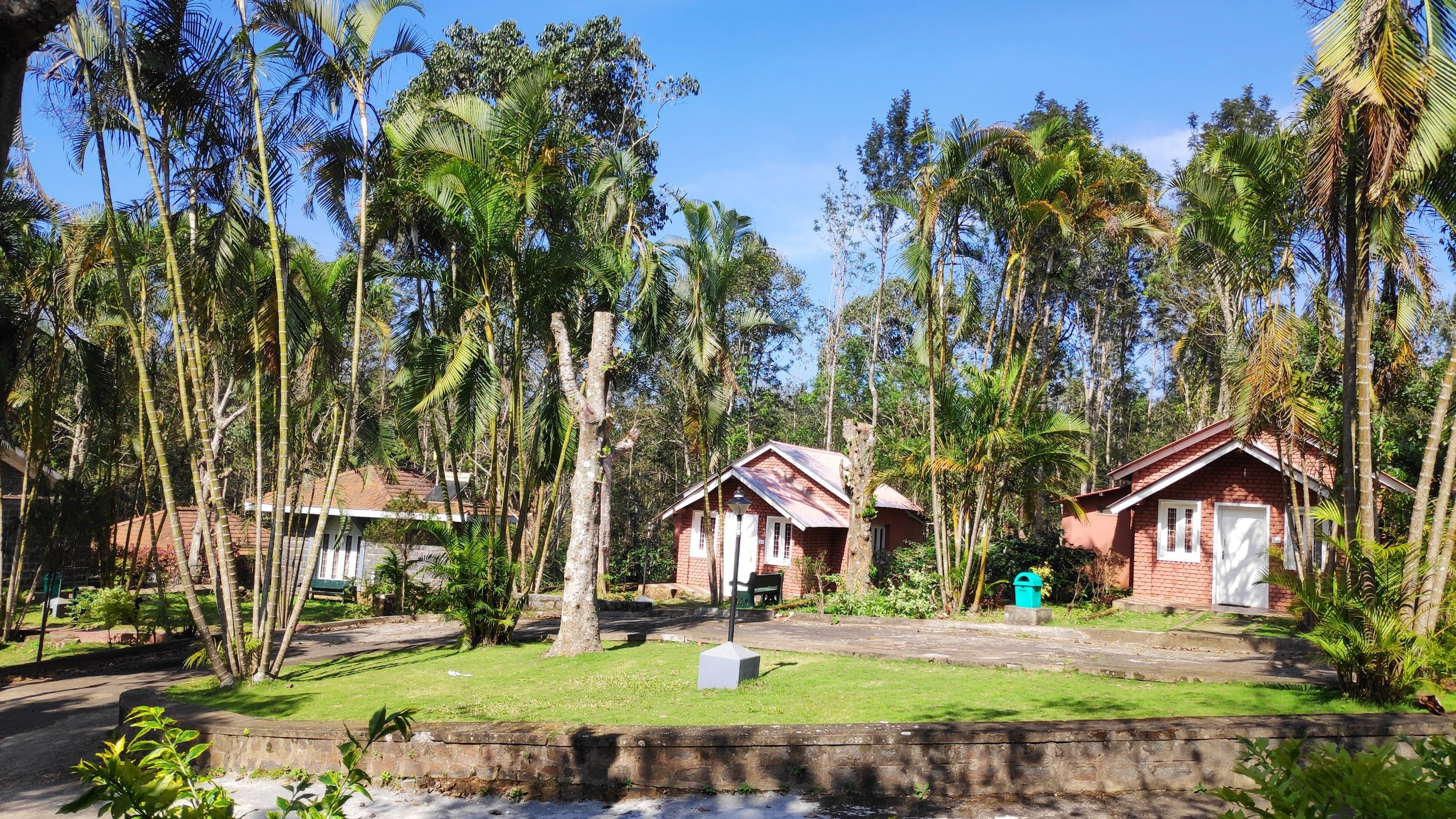
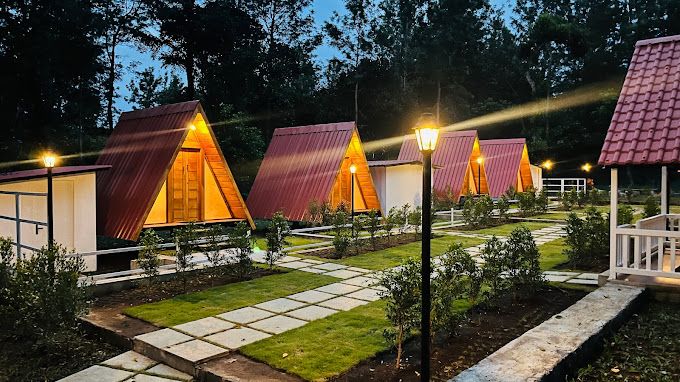
Salem serves as a convenient base for exploring both the city center and the nearby hills. For travellers who prefer peaceful surroundings outside the dense urban core, scenic campsites, farm stays, and traditional homestays can be found on HireACamp. Staying amidst the nearby countryside or up in the foothills lets you balance temple visits with crisp mountain air and tranquil nature.
Frequently asked questions
What is the mythological significance of Sugavaneshwarar Temple?
The temple is associated with Sage Suka, who is said to have worshipped Lord Shiva here in the form of a parrot. Because of this divine penance, the deity is called Sugavaneshwarar, and the enshrined Shiva Lingam is believed to bear a slight tilt.
Where is Sugavaneshwarar Temple situated?
Sugavaneshwarar Temple is located on Cherry Road in the Fort area of Salem, Tamil Nadu, right in the center of the city.
Is there a dress code for visiting Sugavaneshwarar Temple?
Yes, visitors should dress modestly in accordance with South Indian temple customs. Traditional attire such as dhotis, kurtas, or sarees is encouraged, while shorts and sleeveless tops should be avoided.
What are the best natural places to visit near the temple?
Nearby natural spots include Mookaneri Lake and Kannankurichi Lake for quiet walks and birding, the mineral-rich Chalk Hills, and Kurumbapatti Zoological Park located near the base of the hills.
When is the best time of year to visit?
The winter months from October to March offer the most pleasant weather for visiting the temple, avoiding the intense heat of the peak summer season.
Where you'll be
No 248/164, Cherry Road, Fort, Salem · 2 stays nearby shown with prices
Stays near Sugavaneshwarar Temple
Book a place to stay close by
More places near Sugavaneshwarar Temple
Within 20 km
Built from 0 Instagram posts by 0 creators. Every tip links back to the post it came from, and where creators disagree we show both sides.






