
The Open Hand Monument
Monument near Panchkula, Chandigarh
1 post
Guide from 1 post by 1 creator
@chandigarh_buddy
Hidden gem
Far fewer reviews than places like it nearby, yet creators keep finding it.
3.9 km from Panchkula
The nearest town, for stays, food and fuel.
The Open Hand Monument is an iconic architectural structure situated in the Capitol Complex in Sector 1 of Chandigarh. Designed by the celebrated architect Le Corbusier, it stands as the official emblem of the city, symbolizing peace, reconciliation, and openness. Visitors come to admire its modernist philosophy, unique rotating design, and its stark setting against the Shivalik foothills.
Getting there
By road
- From Chandigarh11 min · 5 km
- From PanchkulaNearest town11 min · 5 km
- From Ludhiana2 hr 5 min · 103 km
- From Dehradun3 hr 50 min · 170 km
By train, bus or air
- Chandigarh Junction railway stationNearest railway station20 min · 8.8 km
- Chandigarh Bus TerminusNearest bus stand10 min · 5.2 km
- Shaheed Bhagat Singh International Airport, ChandigarhNearest airport37 min · 18 km
Typical drive times without traffic. Places, distances and typical drive times from OLA Maps; notes from creators' Reels.
About The Open Hand Monument
Written with AI from creators' posts and map data. Check prices and timings locally before you go.
About the Open Hand Monument
The Open Hand Monument is one of the most recognizable emblems of Chandigarh and serves as a visual philosophy for the planned city. Conceptualized by modern architect Le Corbusier, the giant metal hand is designed to turn like a weather vane in the breeze. Its posture conveys a profound message: to be open to receive and open to give, signifying unity, peace, and the free exchange of ideas among people.
Erected within the Sector 1 Capitol Complex, the monument reflects post-independence India's embrace of modernist planning and utopian ideals. It is not merely a statue, but part of a wider civic ensemble that includes the Legislative Assembly, the High Court, and the Secretariat. In recognition of Le Corbusier's radical urban vision, the Capitol Complex is designated as a UNESCO World Heritage site, making the monument a primary landmark for architecture enthusiasts, students, and curious travellers from across the globe.
Architecture and Design
Standing approximately twenty-six metres high from its base, the Open Hand structure itself is constructed from metal sheets over a steel frame. Despite weighing several tonnes, the hand is engineered to rotate gracefully along with wind currents, serving both as an artistic sculpture and a functioning weather vane. The fluid silhouette contrasts sharply with the rigid geometric grid lines that define the rest of Chandigarh.
Beneath the sculpture lies an amphitheatre-like sunken space known as the Trench of Contemplation, or Fosse de la Consideration. Le Corbusier envisioned this pit as a forum for citizens to gather, debate public affairs, and engage in open discourse without rigid formality. The sunken plaza provides shelter from wind and acoustic privacy while framing the metallic hand overhead against the changing northern sky and the distant silhouettes of the Shivalik hills.
Read more
Best Time to Visit the Open Hand Monument
The northern plains experience sharp seasonal shifts, making the cooler months from October to March the most pleasant time to visit the Open Hand Monument. During autumn, winter, and early spring, Chandigarh enjoys crisp, sunny days with mild temperatures that are ideal for strolling across the expansive concrete terraces of the Capitol Complex.
Summer months between April and June bring intense dry heat, with daytime temperatures often climbing above forty degrees Celsius. Because the open plaza provides very little shade, visiting during summer can be physically demanding unless done in the early hours of the day. The monsoon season arrives in July and extends through September, washing the surrounding landscape clean and bringing dramatic cloudscapes that make photography exceptionally rewarding, though sudden showers can interrupt outdoor exploration.
How to Reach the Open Hand Monument
The Open Hand Monument is situated in Sector 1 at the northern edge of Chandigarh along Uttar Marg. From central parts of Chandigarh, the drive to the monument is roughly five kilometres and takes about eleven minutes under typical traffic conditions. Local auto-rickshaws, city buses, and app-based cabs operate regularly throughout the city and can drop visitors near the Capitol Complex access points.
Travellers arriving from other northern cities have direct highway connectivity to Chandigarh. Driving from Ludhiana covers approximately 103 kilometres and takes around two hours and ten minutes. Visitors travelling from Dehradun face a journey of about 170 kilometres, which typically takes just under four hours. From Amritsar, the distance is roughly 229 kilometres, requiring about four hours on the road. New Delhi is situated around 272 kilometres to the south, taking approximately four hours and fifty minutes by car or express rail service to Chandigarh Junction, after which you can take local transport directly to Sector 1.
Tips for Visiting the Open Hand Monument
Because the monument is located in the heart of the Capitol Complex alongside active state government institutions, entry may be subject to security guidelines. Travellers should check local visitor procedures before arriving, as registering at the tourist facilitation centre or obtaining a visitor permit is often required to enter the government compound.
Carrying a valid government-issued photo identity card is necessary for verification at security checkpoints. The complex involves substantial walking along open concrete pavements and plazas, so wearing comfortable walking shoes is strongly recommended. During the brighter hours, carrying drinking water, a wide-brimmed hat, and sunglasses will make your walk across the exposed grounds much more comfortable.
Places to Visit Nearby
The northern sector of Chandigarh is home to several of the city's key landmarks, allowing visitors to combine multiple sights in a single outing. Just one kilometre away lies Nek Chand's Rock Garden, a fantasy landscape of sculptures, arches, and courtyards created entirely from industrial and urban waste. Nearby, the Chandigarh Bird Park offers quiet walking paths and large walk-through aviaries within easy reach of the complex.
Sukhna Lake sits roughly two kilometres to the southeast, offering a three-kilometre promenade, boating, and panoramic views of the hills. Architecture enthusiasts can visit the Pierre Jeanneret Museum, situated two kilometres away in Sector 5, to see preserved mid-century domestic interiors. For leisurely walks among seasonal blooms, Zakir Hussain Rose Garden is three kilometres southwest, while shopping and dining options can be explored at the Sector 17 Shopping Plaza, also three kilometres away, or Nexus Elante Mall, around six kilometres away. Travellers willing to venture a little further can explore the historic Yadavindra Gardens at Pinjore or visit the Shri Mata Mansa Devi Mandir in Panchkula.
Where to Stay
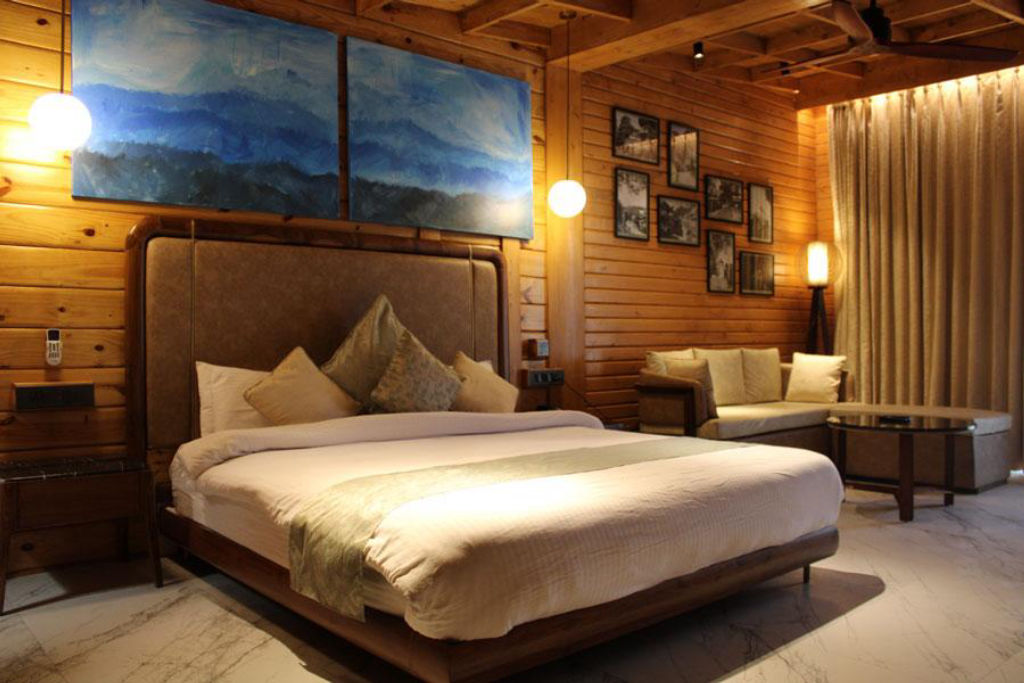
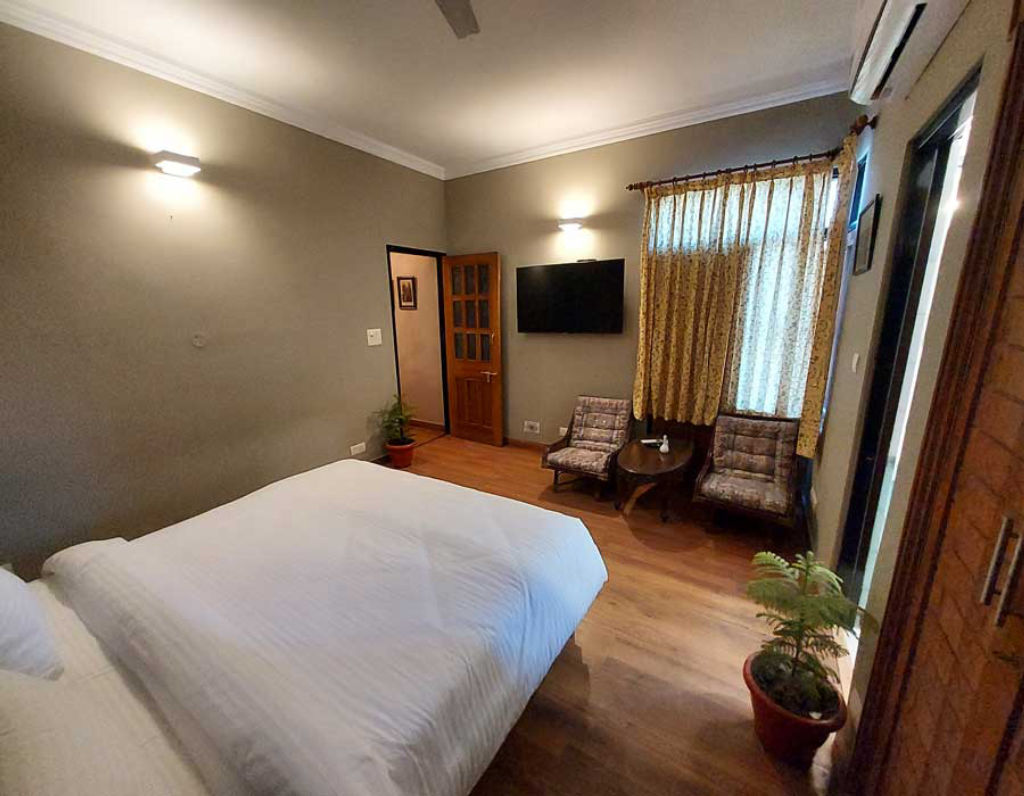
Chandigarh offers an extensive variety of neighbourhoods to base yourself in, ranging from lively central sectors to calm residential avenues bordered by green belts. Staying near the northern sectors provides rapid access to the Capitol Complex, Sukhna Lake, and cultural museums, while the southern sectors and neighbouring satellite towns offer easy connections to transit hubs and retail centres.
For travellers who prefer quieter environments away from urban streets, the Shivalik foothills and countryside surrounding Chandigarh feature peaceful escapes. You can browse HireACamp to discover homestays, farm retreats, and outdoor campsites located across the regional outskirts, providing a calm natural base while keeping the city's architectural landmarks within convenient driving distance.
Frequently asked questions
Who designed the Open Hand Monument?
The monument was conceptualized and designed by the French-Swiss architect Le Corbusier as the official symbol of Chandigarh.
What does the Open Hand Monument symbolize?
The structure symbolizes peace, reconciliation, and the spirit of being open to receive and open to give.
Do I need permission to visit the Open Hand Monument?
Because the monument stands inside the high-security Capitol Complex alongside government buildings, visitors should check locally for current security procedures and register at the nearby tourist centre.
Does the Open Hand rotate with the wind?
Yes, despite its heavy metal frame and massive scale, the sculpture is engineered on a central pivot to turn smoothly with the wind like a weather vane.
What attractions can I visit near the Open Hand Monument?
The Rock Garden of Chandigarh and Chandigarh Bird Park are roughly one kilometre away, while Sukhna Lake and the Pierre Jeanneret Museum are situated within two kilometres.
Where you'll be
31, Uttar Marg, Capitol Complex, Sector 1, Chandigarh, 160001 · 10 stays nearby shown with prices
As seen on Instagram
The posts this guide is built from
Stays near The Open Hand Monument
Book a place to stay close by
Often visited together
Creators who went here also showed these


More places near The Open Hand Monument
Within 20 km


Lists for this area
Ranked by how many creators recommend each place


Built from 1 Instagram post by 1 creator. Every tip links back to the post it came from, and where creators disagree we show both sides.






