
Trimbak
Destination in Maharashtra
Trimbak is a historic pilgrimage town nestled at the base of the Brahmagiri mountain in Maharashtra's Nashik district. Renowned as the home of the ancient Trimbakeshwar Jyotirlinga temple and the source of the sacred Godavari River, it attracts millions of spiritual seekers and heritage travellers. Surrounded by dramatic cliffs, monsoon waterfalls, and rugged Sahyadri forts, the town is also a prominent base for outdoor enthusiasts and trekkers.
Getting there
By road
- From Nashik1 hr · 29 km
- From Mumbai 3 hr 45 min · 191 km
- From Pune5 hr 35 min · 242 km
- From Surat5 hr 40 min · 243 km
By train, bus or air
- Mumbai Naka Bus StationNearest bus stand1 hr · 28 km
- Shree Air Vision Manufacturing Of Air Distribution ProductsNearest airport54 min · 26 km
Typical drive times without traffic. Places, distances and typical drive times from OLA Maps; notes from creators' Reels.
Trimbak and Nashik Itinerary
A practical guide to exploring the sacred temple town of Trimbak, its surrounding Sahyadri peaks, and the adjoining Nashik wine and backwater belt. Itineraries prioritize early temple visits to minimize queue times and group nearby trekking and sightseeing destinations to avoid backtracking.
Trimbak Sacred Core and Countryside
Best for travellers wanting a single-day journey combining temple pilgrimage with Brahmagiri Hill and an evening vineyard visit
Day 1
Sacred Darshan and Scenic Sunset
early_morning
Kushavarta KundAbout 45 min
Arrive early in the morning if you plan to take a holy snan in the sacred tank.
morning
Trimbakeshwar Jyotirling MandirAbout 2 hr 30 min · 300 m from the last stop
Arrive between 6 AM and 7 AM to avoid extensive queues. Darshan tickets cost ₹200, and the Shivling is viewed via a sacred mirror. Follow the strict dress code requiring traditional attire.
midday
BrahmagiriAbout 3 hr · 2 km from the last stop
Ascend approximately 700 rock-cut steps up Brahmagiri Hill, the origin of the Godavari River, offering panoramic mountain views.
evening
Sula VineyardsAbout 2 hr 30 min · 20 km from the last stop
Take a guided wine factory tour and curated tasting session focusing on aroma, character, and finish, followed by dinner on the grounds.
- Darshan queues at Trimbakeshwar Jyotirling Mandir can stretch from 6 to 9 hours on weekends and holidays. Visit on weekdays and arrive between 6 AM and 7 AM, or book Donation Darshan slots online one month in advance.
- Adhere strictly to the dress code at Trimbakeshwar: avoid shorts, sleeveless attire, and ripped jeans. Men may need a dhoti if performing Abhishek.
- Carry sufficient cash when visiting Trimbakeshwar, as small local vendors, shops, and prasad counters often do not accept digital payments.
- If planning a meal at Sadhana Chulivarchi Misal, arrive well before its 3:00 PM closing time.
Visit lengths are suggestions; distances are straight-line between stops.
About Trimbak
Written with AI from map data and general knowledge. Check prices and timings locally before you go.
About Trimbak
Trimbak, widely known as Trimbakeshwar, is an ancient temple town set against the rugged backdrop of the Sahyadri mountains in northern Maharashtra. Revered across India as the location of one of the twelve sacred Jyotirlinga shrines dedicated to Lord Shiva, the town is also celebrated as the geographical birthplace of the Godavari River. With its towering volcanic cliff faces and lush surroundings, Trimbak brings together sacred tradition and dramatic mountain geography in equal measure.
Beyond its religious roots, the town serves as an ideal base for exploring the diverse landscapes of the Western Ghats. Dense monsoon forests, seasonal waterfalls, and rocky hill passes define the terrain around the settlement. Whether you arrive to observe temple rituals dating back centuries or to walk the surrounding mountain pathways, Trimbak offers a grounded, atmospheric look into Maharashtra's cultural and natural heritage.
Things to do in Trimbak
The focal point of life in Trimbak is the Trimbakeshwar Jyotirling Mandir, renowned for its classic black basalt architecture and deeply revered three-faced lingam representing Brahma, Vishnu, and Shiva. Walking through the temple complex allows visitors to observe traditional daily rituals, intricate stone carvings, and sacred water tanks that have sustained pilgrimages here for centuries.
Climbing the towering Brahmagiri hill directly behind the town is an essential activity for outdoor visitors. The trail consists of stone-carved steps and shaded mountain pathways leading up to the point recognized as the origin of the Godavari River. As you gain elevation, the trail reveals sweeping panoramic views of Trimbak's rooftops and the wider valley. The hike is moderately paced and offers a calm, refreshing escape from the bustle of the town streets below.
Read more
Places to visit around Trimbak
The countryside surrounding Trimbak is filled with historic peaks and natural attractions. Nearby Anjaneri hill, known in regional tradition as the birthplace of Lord Hanuman, offers a rewarding day hike past carved shrines and across broad, windswept plateaus that look out over the surrounding Sahyadri ranges.
Further into the mountains sits Harihar Fort, famous among experienced trekkers for its breathtaking, near-vertical rock-cut stairs etched into an imposing cliff face. Nature lovers during the rainy season can make their way to Dugarwadi Waterfall, where seasonal run-off plunges into a forested gorge. Travelers continuing toward Nashik can visit the ancient rock-cut Pandav Leni caves, relax near the scenic waters of Gangapur Dam, or take in the agricultural beauty of the region's expansive vineyards.
Best time to visit Trimbak
The climate in Trimbak is shaped by its position in the Western Ghats, offering distinctly different experiences across the seasons. The monsoon period, which lasts from June to September, brings heavy rainfall that revives the mountains. During these months, the slopes around Trimbak turn brilliant green, mist wraps the high peaks, and countless temporary waterfalls cascade down the cliff faces. It is a spectacular time for sightseeing, though trekking routes require careful footwork on wet rock.
From October to February, the weather settles into comfortable, clear days and pleasantly cool nights. This post-monsoon and winter window is widely considered the best time for outdoor exploration, as conditions are ideal for climbing Brahmagiri, hiking nearby forts, and exploring town on foot without intense heat. The summer months from March to May bring higher daytime temperatures and dry weather, making early mornings and evenings the best times for outdoor activities.
How to reach Trimbak
Trimbak is well linked by road to Nashik and key transit corridors across western India. From Nashik, the journey is approximately 29 kilometers and typically takes around an hour in normal traffic. Frequent state transport buses and local shared cabs connect Nashik Central Bus Stand directly to the Trimbak bus depot, providing straightforward access for travelers arriving by train in Nashik.
For those driving from Mumbai, the distance is roughly 191 kilometers, taking about 3 hours and 50 minutes under regular traffic conditions along the national highway via Kasara Ghat. Travelers coming from Pune cover about 242 kilometers, a drive of around 5 hours and 40 minutes. Trimbak is also accessible from Gujarat, located about 243 kilometers from Surat, taking roughly 5 hours and 40 minutes, and 366 kilometers from Vadodara, which typically takes about 7 hours and 20 minutes.
Tips for your visit
Trimbak can experience very heavy crowds during weekends, festival periods such as Mahashivratri, and on Mondays, which are traditionally dedicated to Shiva. To enjoy a calm visit to the temple or to start mountain trails in comfortable temperatures, plan to begin your activities early in the morning.
When packing, bring sturdy shoes with good grip if you intend to hike up Brahmagiri or venture out to forts like Harihar, where rock stairs can be slick or steep. Modest clothing is recommended when entering local temples and sacred grounds. Stay hydrated throughout the day, carry rain protection if visiting during the monsoon, and keep your bags closed to avoid attracting the local monkeys that gather along popular hiking stairs.
Where to stay in Trimbak
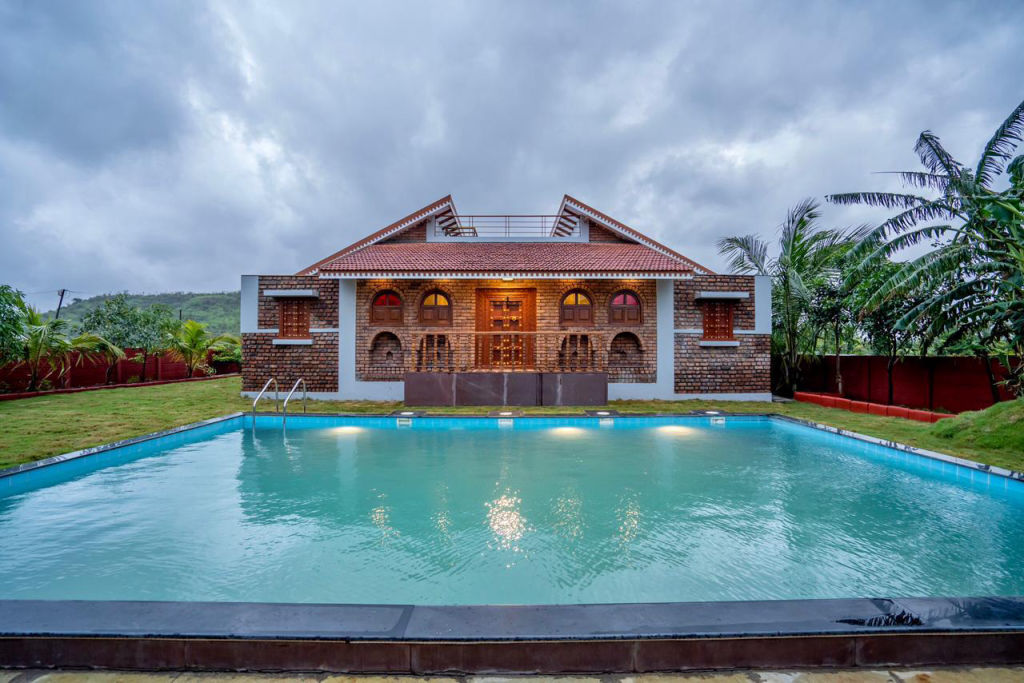
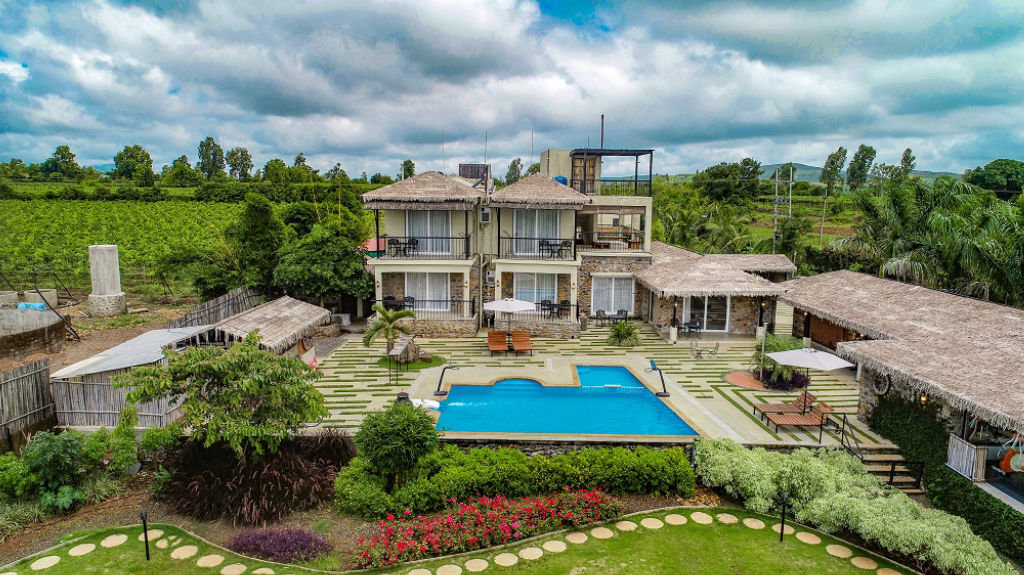
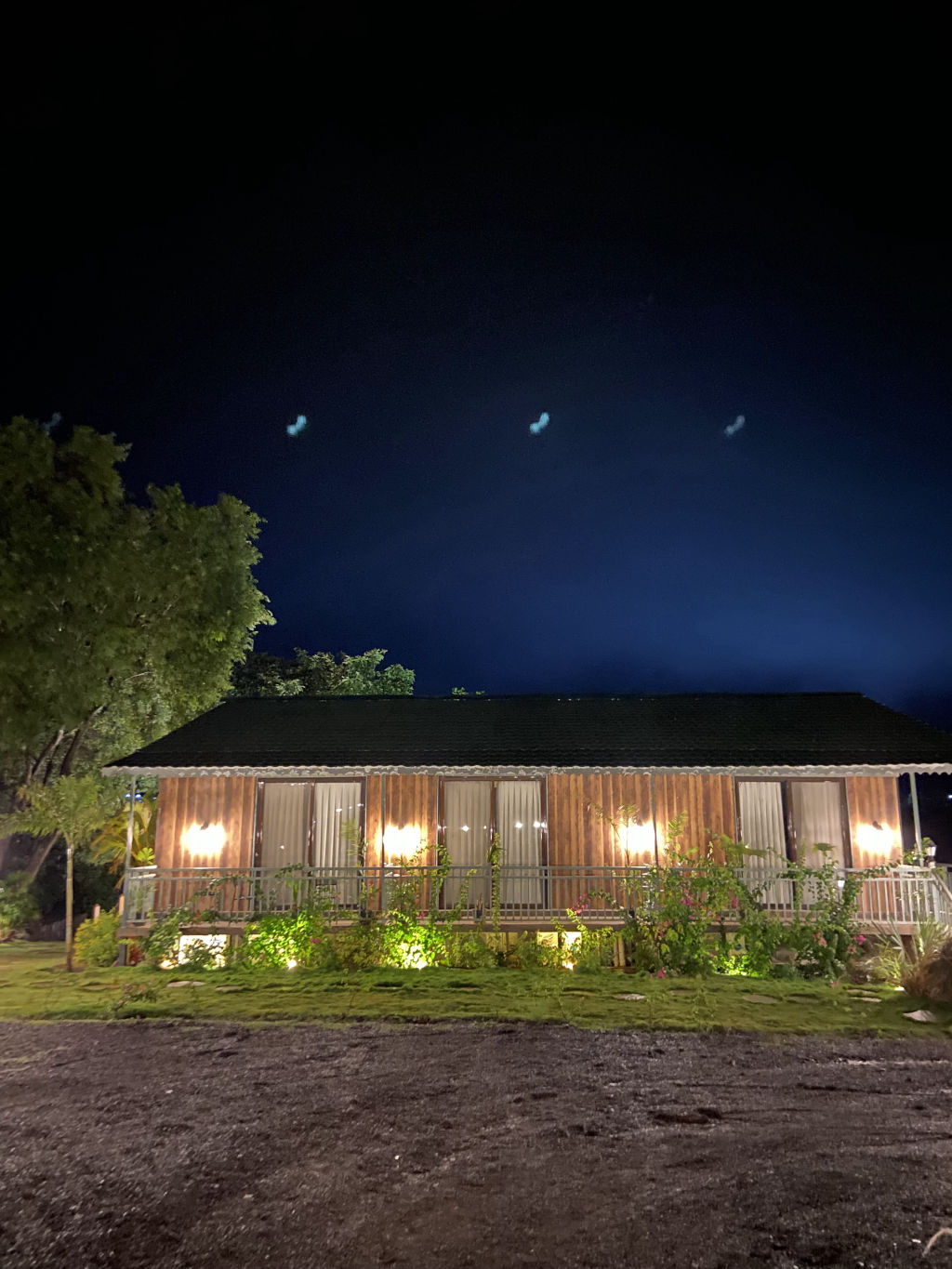
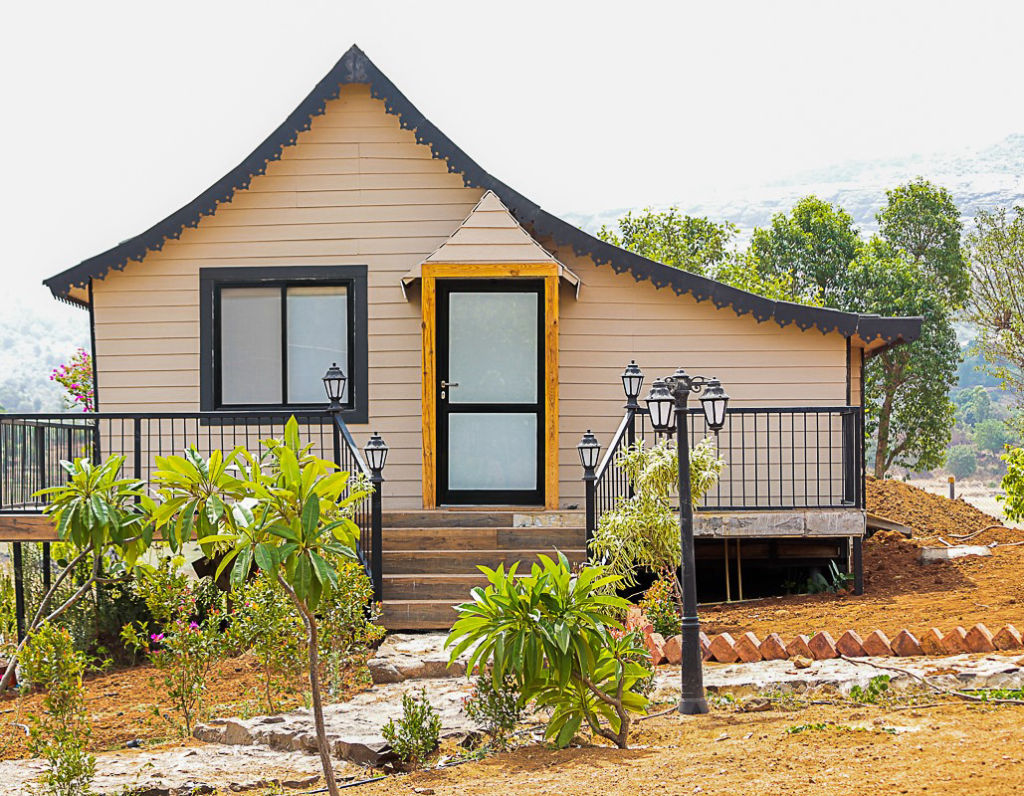
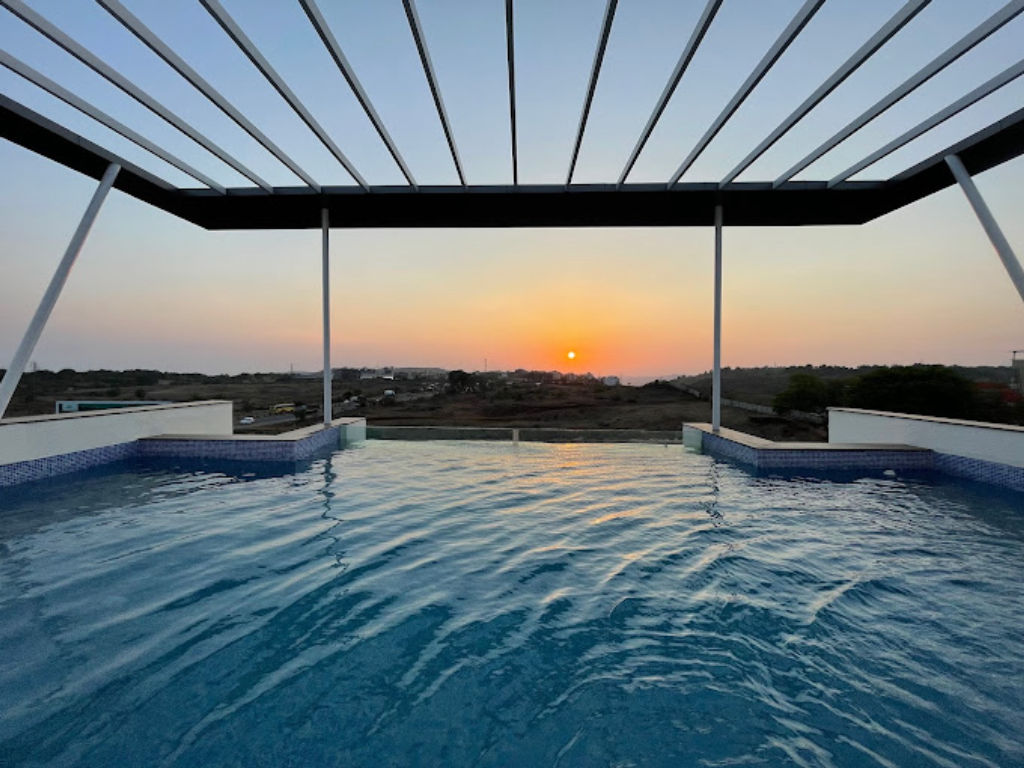
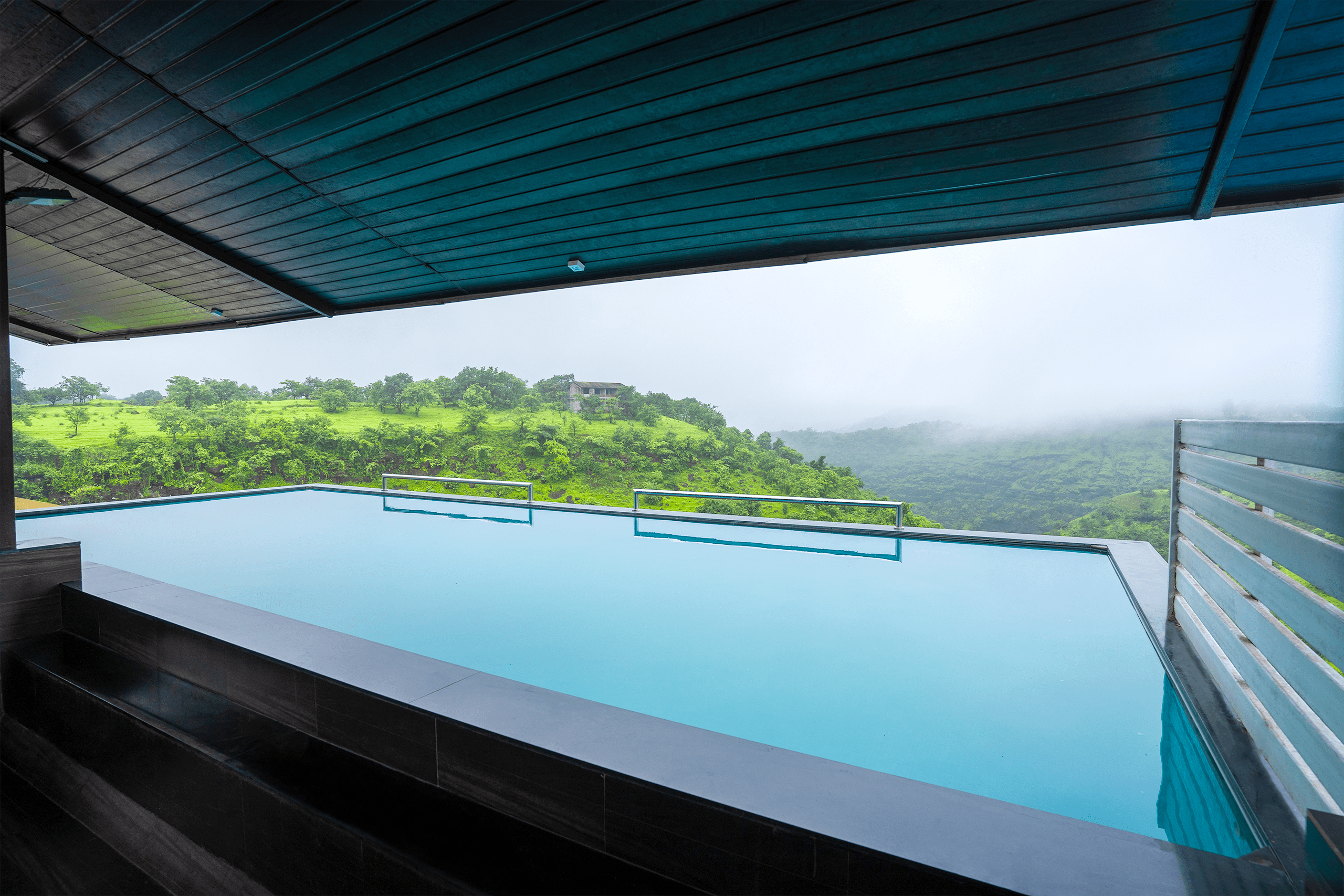
Accommodation options in and around Trimbak cater to both pilgrims looking for central access and outdoor travelers seeking quiet surroundings. Staying within the town allows you to walk easily to the temple, market lanes, and eateries, keeping you immersed in the town's daily spiritual life.
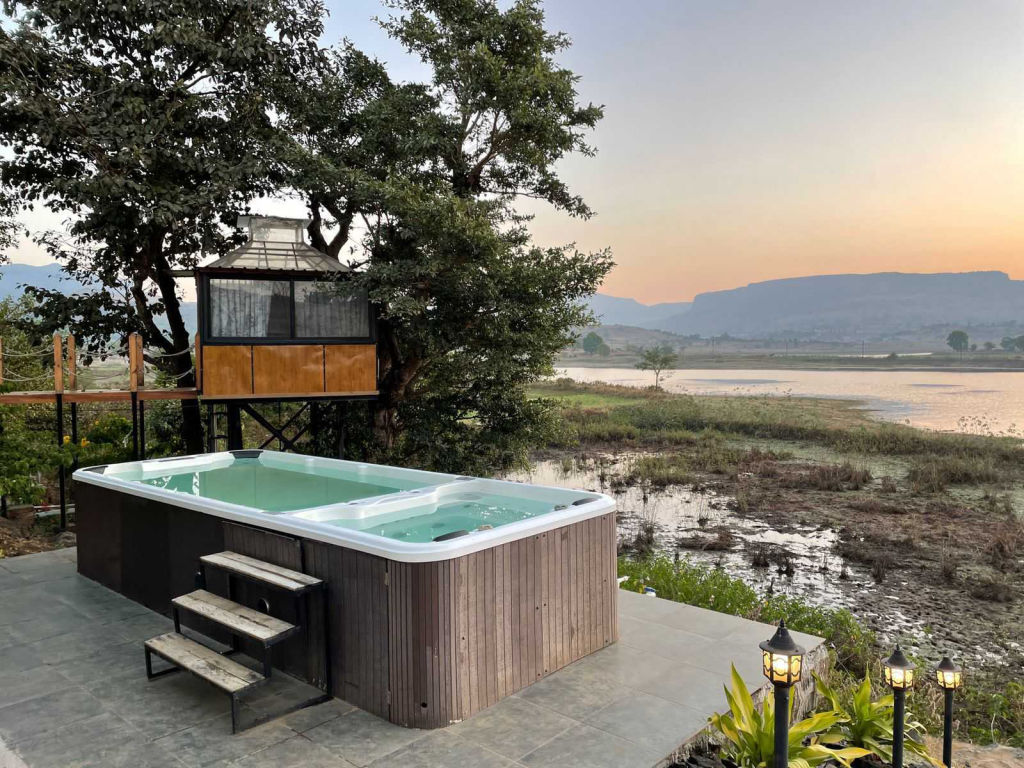
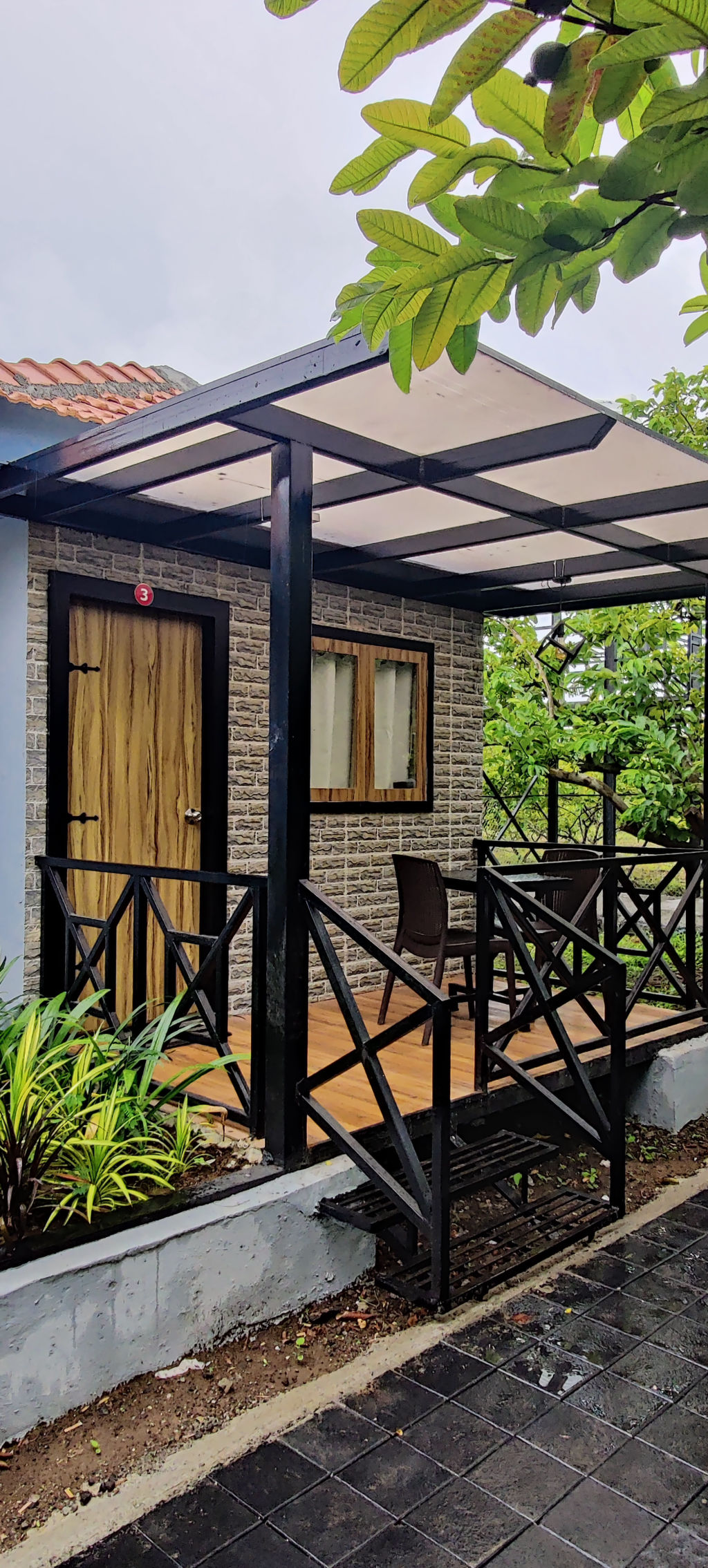
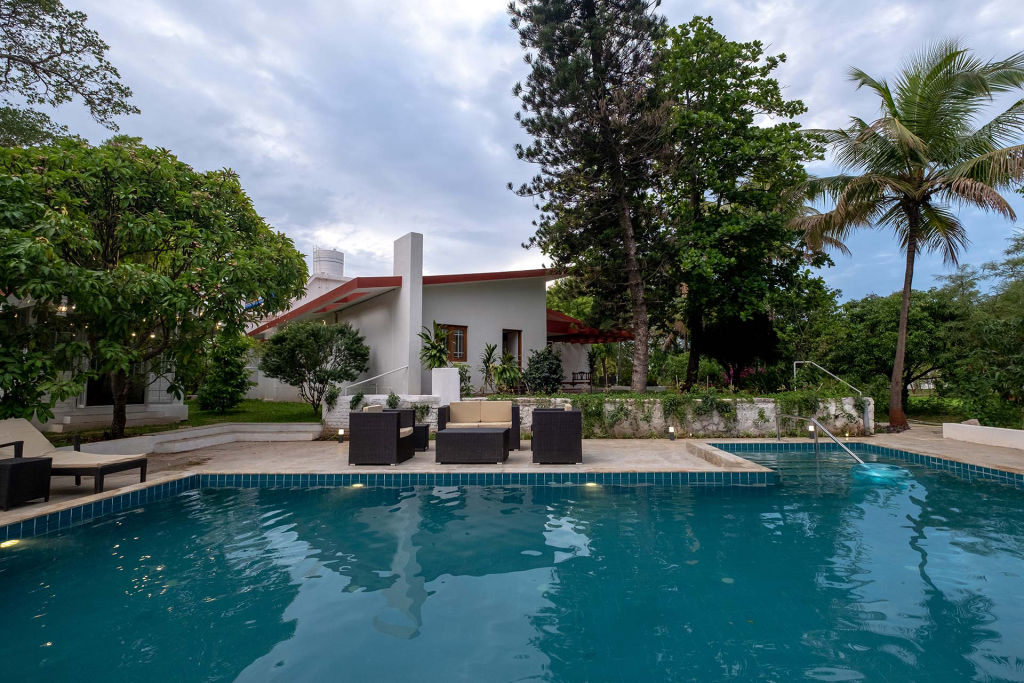
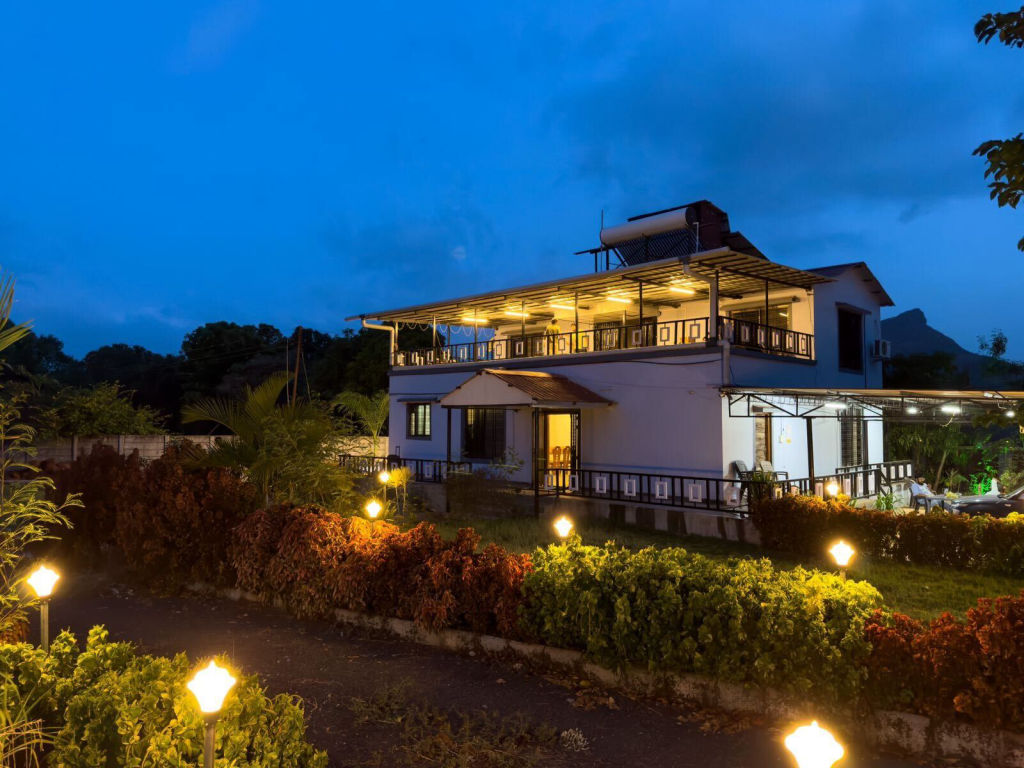
If you prefer a quieter retreat closer to the countryside, the surrounding valleys and mountain outskirts offer scenic, tranquil environments. You can discover homestays, nature retreats, and outdoor camps around Trimbak on HireACamp, giving you a relaxing space to unwind under the Sahyadri mountains after a full day on the trails.
Frequently asked questions
What is Trimbak best known for?
Trimbak is primarily known for the ancient Trimbakeshwar Jyotirling Mandir, one of the twelve sacred Shiva Jyotirlingas in India, as well as being the source of the Godavari River at Brahmagiri hill.
Can you climb Brahmagiri hill from the town?
Yes, a stone-paved pathway of stairs leads directly from Trimbak up Brahmagiri hill to the origin point of the Godavari River, offering wide views of the surrounding Western Ghats.
How far is Trimbak from Nashik?
Trimbak is approximately 29 kilometers from Nashik, which is typically about a one-hour drive under normal traffic conditions.
Which nearby forts and peaks can be trekked from Trimbak?
Popular hiking destinations near Trimbak include the legendary Anjaneri peak and the dramatic Harihar Fort, known for its steep rock-cut stone staircases.
What is the best season to explore Trimbak and its surroundings?
The post-monsoon and winter months from October to February offer cool and pleasant weather for hiking, while the monsoon from June to September is ideal for green scenery and cascading waterfalls.
Where you'll be
10 stays nearby shown with prices
Stays near Trimbak
Book a place to stay close by
Things to do in Trimbak
46 places creators recommend within 30 km


Lists for this area
Ranked by how many creators recommend each place


Built from 0 Instagram posts by 0 creators. Every tip links back to the post it came from, and where creators disagree we show both sides.






