
Tulsi River
Riverside spot near Kalombe, Maharashtra
15 km from Kalombe
The nearest town, for stays, food and fuel.
The Tulsi River flows through the scenic countryside of Kolhapur district in southwestern Maharashtra. Originating in the lush Western Ghats, this serene watercourse winds past fertile farmland, quiet hamlets, and wooded banks. Visitors head to the riverbanks to unwind in a natural setting, enjoy peaceful picnics, and experience the gentle rural rhythm of the Kolhapur region.
Getting there
By road
- From KalombeNearest town56 min · 24 km
- From Pune5 hr 40 min · 254 km
- From Mumbai 8 hr 40 min · 423 km
Typical drive times without traffic. Stations and airports from OLA Maps; distances and typical drive times from OpenStreetMap (© OpenStreetMap contributors); notes from creators' Reels.
About Tulsi River
Written with AI from map data and general knowledge. Check prices and timings locally before you go.
About the Tulsi River
The Tulsi River is an important natural watercourse in the Kolhapur district of southern Maharashtra, serving as a vital tributary within the larger Krishna basin. Born in the higher ridges of the Western Ghats, the river descends across gentle valleys and rolling agricultural tracts. Along its path, it supports local farming communities who cultivate sugarcane, rice, and seasonal crops, giving the surrounding landscape an enduring pastoral charm.
The banks of the Tulsi River provide a tranquil escape from the bustling city of Kolhapur. In several stretches along its course, the river widens into gentle pools flanked by thick native trees, grassy clearings, and exposed rocky shelves. Because it remains predominantly a rural river, its shores lack commercial clutter, offering travellers an authentic outdoor environment to rest, observe local birdlife, and take in the slow rhythm of the riverine countryside.
Things to do along the riverbanks
Spending time along the Tulsi River is mostly about slowing down and connecting with nature. A popular activity for day-trippers is picnicking beneath the shade of broad ficus, jamun, and acacia trees that fringe the banks. Families and small groups often spread out mats near the water to share homemade meals while listening to the steady trickle of the stream.
Birdwatching and nature photography are equally rewarding here. The riparian habitat attracts kingfishers, egrets, pond herons, cormorants, and a wide variety of grassland birds that feed and nest near the water. Walking along the unpaved village paths that trace the river gives you a ground-level view of local rural routines, from grazing livestock to farmers tending their fields. During the post-monsoon months, when the river flow is calm and clean, resting by the shallows and dipping your feet into the cool water offers a refreshing respite.
Read more
Best time to visit Tulsi River
The atmosphere at the Tulsi River changes significantly across the seasons, making timing an essential consideration for visitors. The post-monsoon and winter months, stretching from October through February, are widely regarded as the most pleasant time to visit. During this period, the river carries a healthy volume of fresh water, daytime temperatures remain moderate, and the surrounding fields are blanketed in vivid green.
The monsoon season from June to September brings heavy rains across the Western Ghats and Kolhapur district. The river swells dramatically and the landscape becomes vibrant and fresh, making for striking landscape views. However, riverbank access can become muddy and currents can turn swift and unpredictable, so caution is advised during spells of torrential rain. The summer season, spanning from March to May, brings hot and dry weather with daytime temperatures often climbing above thirty-five degrees Celsius. Water levels drop considerably in the late summer, though early mornings and late afternoons by shaded river sections can still provide peaceful moments.
How to reach the Tulsi River
The Tulsi River is situated southwest of Kolhapur city and is relatively straightforward to access by road. Kolhapur is well connected to major cities in Maharashtra and Karnataka through national highways, regular state transport buses, and broad-gauge train services. Travellers arriving from Pune or Mumbai can easily drive down National Highway 48 toward Kolhapur before branching off onto district and village roads that lead directly toward the river valley.
From central Kolhapur, local state transport buses run frequently to surrounding rural settlements and villages close to the river. Hiring an autorickshaw or private taxi from the city is often the most convenient choice for a day trip, allowing you the flexibility to stop at quiet river stretches. If you are driving your own vehicle, following rural connecting roads toward the riverbanks is quite manageable, though you should anticipate narrower tarmac and gravel surfaces near the water.
Places to explore nearby
A trip to the Tulsi River can easily be paired with visits to several historic and cultural landmarks in the Kolhapur area. North of the river region lies Panhala Fort, one of the most prominent hill citadels in the Deccan, perched on an expansive plateau with sweeping valley panoramas, well-preserved ramparts, and imposing bastions. Near the fort, you can also explore Pawangarh Fort, a twin stronghold closely linked to Maratha military history, and the ancient Ambarkhana grain storehouses.
For those interested in spiritual and religious heritage, the Jyotiba Temple sits atop an adjacent hill range, drawing thousands of devotees to its pink-hued shrine complex. Other notable regional stops include the rock-cut Pohale Buddhist Caves, the peaceful Sambhaji Maharaj Temple, the historic Palsambe Ramling temple complex, and the scenic Masai Devi Temple. Travellers seeking recreational leisure can also stop by regional theme and adventure parks located within driving distance of Kolhapur.
Tips for visiting Tulsi River
When planning an excursion to the river, a little preparation ensures a comfortable visit. Because these rural riverbanks have no shops or food stalls, it is wise to carry your own drinking water, snacks, and any picnic meals you might need. Make sure to pack sturdy footwear suitable for walking over uneven stones, damp soil, and gravelly ground.
Always exercise caution near the water edge. Riverbeds can have sudden drops, slick moss-covered boulders, and shifting currents, particularly during and shortly after the monsoon season. Avoid stepping into deep or fast-moving channels unless you know the local conditions thoroughly. Sun protection such as broad-brimmed hats, sunglasses, and sunscreen will keep you comfortable during warmer afternoon hours. Finally, remember to practice responsible tourism by carrying back all plastic wrappers, bottles, and food packaging, leaving the riverbank clean for wildlife and fellow visitors.
Where to stay near the river
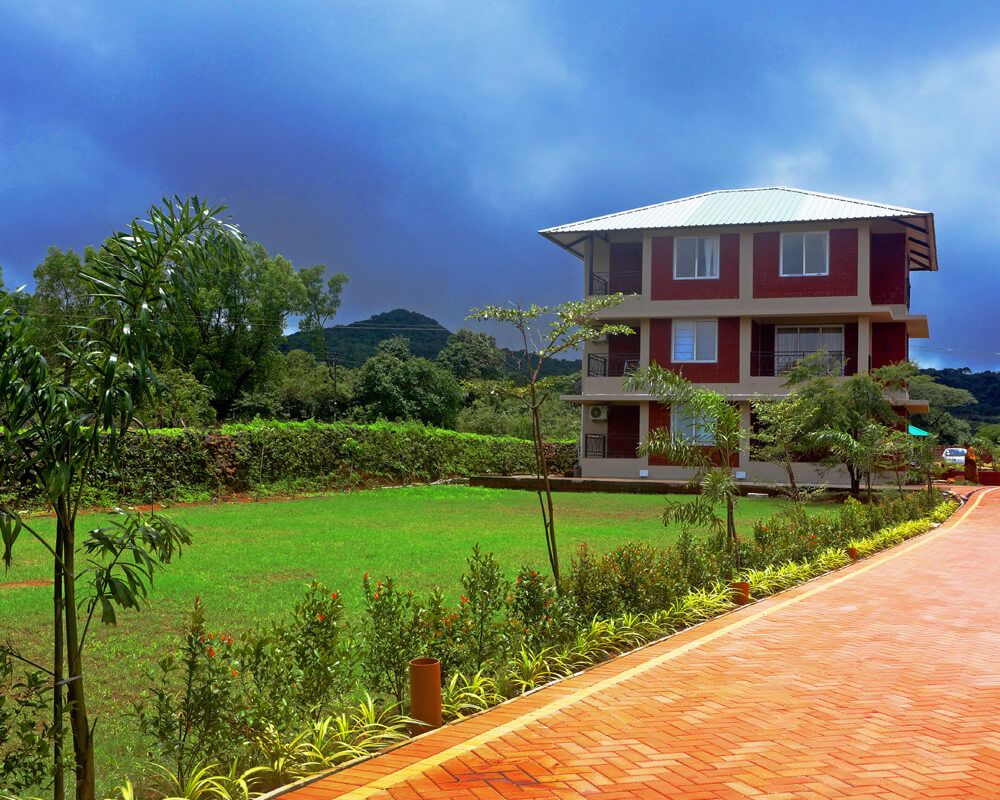
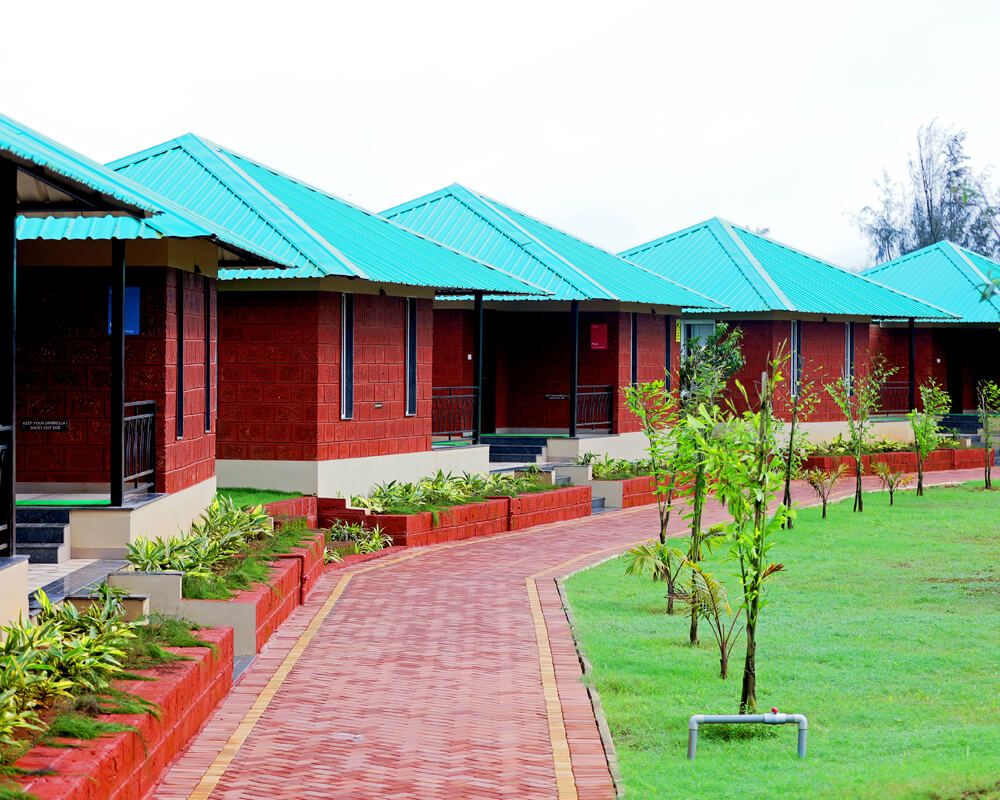
Because the immediate banks of the Tulsi River remain wild and undeveloped, overnight accommodations are located in the surrounding countryside and nearby towns. Kolhapur city offers a broad variety of stays ranging from modest heritage lodges to full-service hotels catering to pilgrims and leisure tourists alike.
For nature enthusiasts seeking a more immersive outdoor experience closer to the river, rural retreats, rustic camps, and traditional homestays are scattered throughout the hills and valleys of Kolhapur district. You can discover comfortable campsites and welcoming local homestays in this region by browsing the listings on HireACamp, giving you a quiet base from which to explore the river and nearby forts.
Frequently asked questions
Where is the Tulsi River located?
The Tulsi River flows through the Kolhapur district in southwestern Maharashtra, originating in the Western Ghats and winding past scenic farmland southwest of Kolhapur city.
Is it safe to swim in the Tulsi River?
Swimming is generally not recommended unless you are familiar with the specific location. River currents can be deceptively fast, water depths can shift suddenly, and submerged rocks can be slippery, especially during the rainy season.
What is the best season to visit the riverbanks?
The post-monsoon and winter months from October to February are the best times to visit, when the weather is mild, the countryside is lush, and the river has clean, steady water flow.
Are there food stalls or facilities along the river?
No, the river stretches are mostly rural and lack commercial facilities. It is best to carry your own food, plenty of drinking water, and personal essentials when visiting.
Can I visit historic forts near the Tulsi River on the same trip?
Yes, historic attractions like Panhala Fort, Pawangarh Fort, Ambarkhana, and the Jyotiba Temple are situated within easy driving distance and make excellent additions to a day itinerary.
Where you'll be
Kolhapur, MH · 2 stays nearby shown with prices
Stays near Tulsi River
Book a place to stay close by
More places near Tulsi River
Within 20 km
Built from 0 Instagram posts by 0 creators. Every tip links back to the post it came from, and where creators disagree we show both sides.






