
Umred Karhandla Wildlife Sanctuary
Wildlife sanctuary near Karhandla, Maharashtra
500 m from Karhandla
The nearest town, for stays, food and fuel.
Umred Karhandla Wildlife Sanctuary is a protected reserve situated near the town of Umred in the Vidarbha region of Maharashtra. Spanning dense dry deciduous forests and rolling grasslands, the sanctuary serves as an essential wildlife corridor connecting Tadoba-Andhari Tiger Reserve and Navegaon-Nagzira Tiger Reserve. Visitors travel here to experience rewarding jungle safaris, spot royal Bengal tigers and leopards, and observe a wide variety of resident and migratory woodland birds.
Getting there
By road
- From KarhandlaNearest town1 min · 500 m
- From Nagpur1 hr 25 min · 56 km
- From Raipur6 hr 10 min · 285 km
Typical drive times without traffic. Stations and airports from OLA Maps; distances and typical drive times from OpenStreetMap (© OpenStreetMap contributors); notes from creators' Reels.
About Umred Karhandla Wildlife Sanctuary
Written with AI from map data and general knowledge. Check prices and timings locally before you go.
About Umred Karhandla Wildlife Sanctuary
Umred Karhandla Wildlife Sanctuary encompasses a rich expanse of forest in the Nagpur and Bhandara districts of eastern Maharashtra. Covering an area of roughly one hundred and eighty-nine square kilometres, it was designated as a wildlife sanctuary to safeguard a vital ecological link. The reserve connects prominent protected areas across central India, including Tadoba-Andhari, Pench, and Nagzira, allowing large carnivores and herbivores to disperse safely across contiguous landscapes.
The terrain here is characterised by low hills, open scrubland, natural water bodies, and backwaters from the nearby Wainganga river system. Teak, bamboo, mahua, and dhawda trees dominate the canopy, giving way to open meadows where grazing ungulates gather. Because it experiences fewer tourist vehicles than some of the larger neighbouring tiger reserves, Umred Karhandla offers a more peaceful, unhurried wildlife watching experience.
Wildlife and birdwatching in Umred Karhandla
The sanctuary has earned widespread acclaim for its thriving population of royal Bengal tigers. Several famous big cats have made this landscape their territory, using its thickets and perennial watering holes to raise litters. Alongside tigers, the reserve supports healthy numbers of Indian leopards, dholes or Asiatic wild dogs, jungle cats, and sloth bears. Herbivores such as spotted deer, sambar, nilgai, wild boar, and the four-horned antelope are frequently spotted grazing throughout the reserve.
Bird life is equally varied and vibrant. The combination of woodland canopy and aquatic edges supports over two hundred species of birds. During a drive through the forest, birders might encounter changeful hawk-eagles, crested serpent eagles, Indian rollers, grey hornbills, and paradise flycatchers. In the winter months, migratory ducks, waders, and raptors settle near the marshes and backwaters, providing rewarding opportunities for wildlife photographers and nature lovers.
Read more
Safari experiences and forest gates
Game drives through the sanctuary are conducted in open safari vehicles accompanied by trained forest department guides and drivers. The reserve is accessible through distinct entry gates, including Karhandla, Gothangaon, and Kuhi, which allow visitors to explore different ranges of the forest. The tracks wind past dense bamboo thickets, rocky knolls, and tranquil reservoir banks, where animals frequently come to drink during early mornings and late afternoons.
To ensure conservation priorities and minimize disturbance to the wildlife, the number of safari vehicles permitted into the forest is strictly regulated for each shift. Visitors should check local forest department portals in advance to secure safari permits, especially during weekends and public holidays. Booking early helps ensure your preferred entry gate and travel timing.
Best time to visit
The safari season at Umred Karhandla Wildlife Sanctuary generally extends from October through June, coinciding with the dry months. Winter, spanning from November to February, offers the most pleasant conditions. Daytime temperatures are mild, the forest remains lush after the monsoon, and birding activity is at its peak with the presence of seasonal migratory species.
From March to June, the summer heat sets in with temperatures rising considerably across central India. While the afternoons can be harsh, these months are considered optimal for spotting big cats and other elusive mammals. As natural water sources dry up inside the interior forest, animals routinely congregate around the remaining water bodies and artificial troughs. The sanctuary normally remains closed during the monsoon months from July to September to facilitate wildlife breeding and road maintenance, so travellers should check local schedules before planning an off-season trip.
How to reach Umred Karhandla Wildlife Sanctuary
The sanctuary is well connected by road to major urban hubs in eastern Maharashtra. Nagpur serves as the primary gateway, situated roughly sixty kilometres to the northwest. Nagpur is home to Dr. Babasaheb Ambedkar International Airport, which operates direct flights to major Indian cities, as well as an extensive railway junction connecting trains from across the country.
From Nagpur, one can drive or hire a local taxi via the Umred highway, a journey that typically takes about one and a half to two hours depending on the chosen safari gate. The town of Umred is the closest settlement and has local bus and rail connections for regional commuters. Travellers arriving from Bhandara or Chandrapur can also reach the sanctuary easily by state highway routes.
Places to visit nearby
Travellers spending a few days around Umred Karhandla can combine their jungle safaris with visits to natural and historical attractions nearby. The Cable Bridge at Ambhora, located along the confluence of rivers around thirty-one kilometres away, offers scenic vistas and boat rides popular during sunset. It is an enjoyable stop for families looking to take in broad water landscapes.
Another attractive detour during or just after the rainy season is the Muktai Waterfall, situated roughly thirty-four kilometres from the sanctuary area. Set amidst quiet countryside, it makes for a refreshing rural excursion. History enthusiasts can explore the Ganesh Kund Stepwell in Wela Harichandra, an ancient stone water structure located around thirty-nine kilometres away that showcases traditional regional craftsmanship.
Tips for your visit
When venturing into the forest, dressing appropriately makes a significant difference to your comfort and safety. Wear muted clothing in shades of khaki, olive green, brown, or beige to blend into the surrounding vegetation, avoiding bright colours and strong perfumes that can agitate wild animals. Temperatures can drop noticeably during early morning winter drives, so carrying a light fleece or windbreaker is strongly recommended.
In the summer months, carry ample drinking water, a wide-brimmed hat, sunscreen, and sunglasses to protect against midday heat. Keep cameras and binoculars handy inside dust-proof cases, as the dirt tracks can get quite dusty during vehicle movements. Maintain silence inside the vehicle during safaris, follow your guide instructions carefully, and never attempt to feed or step out of the vehicle in the presence of wildlife.
Where to stay near Umred Karhandla
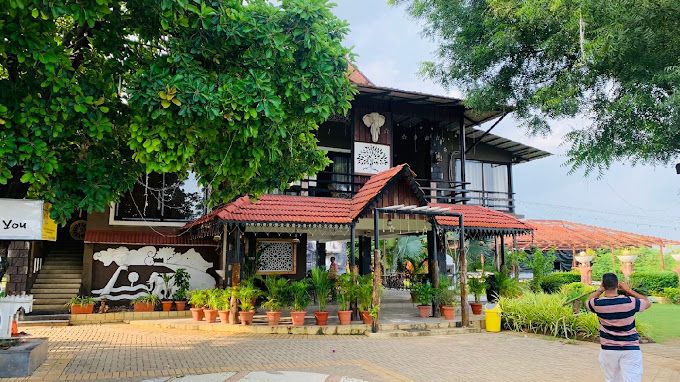
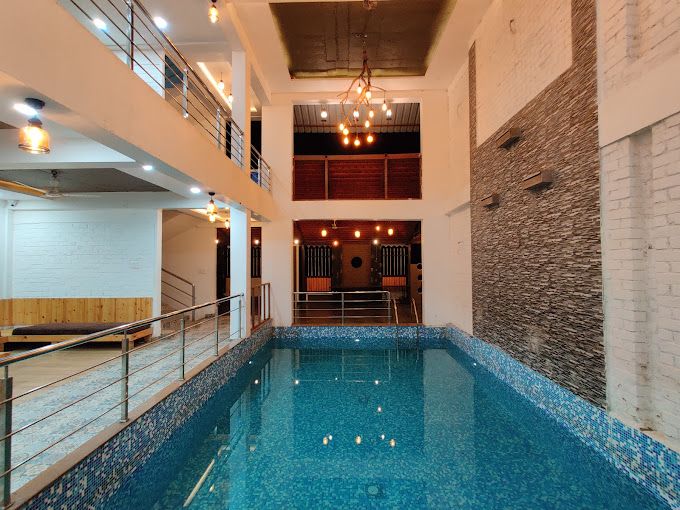
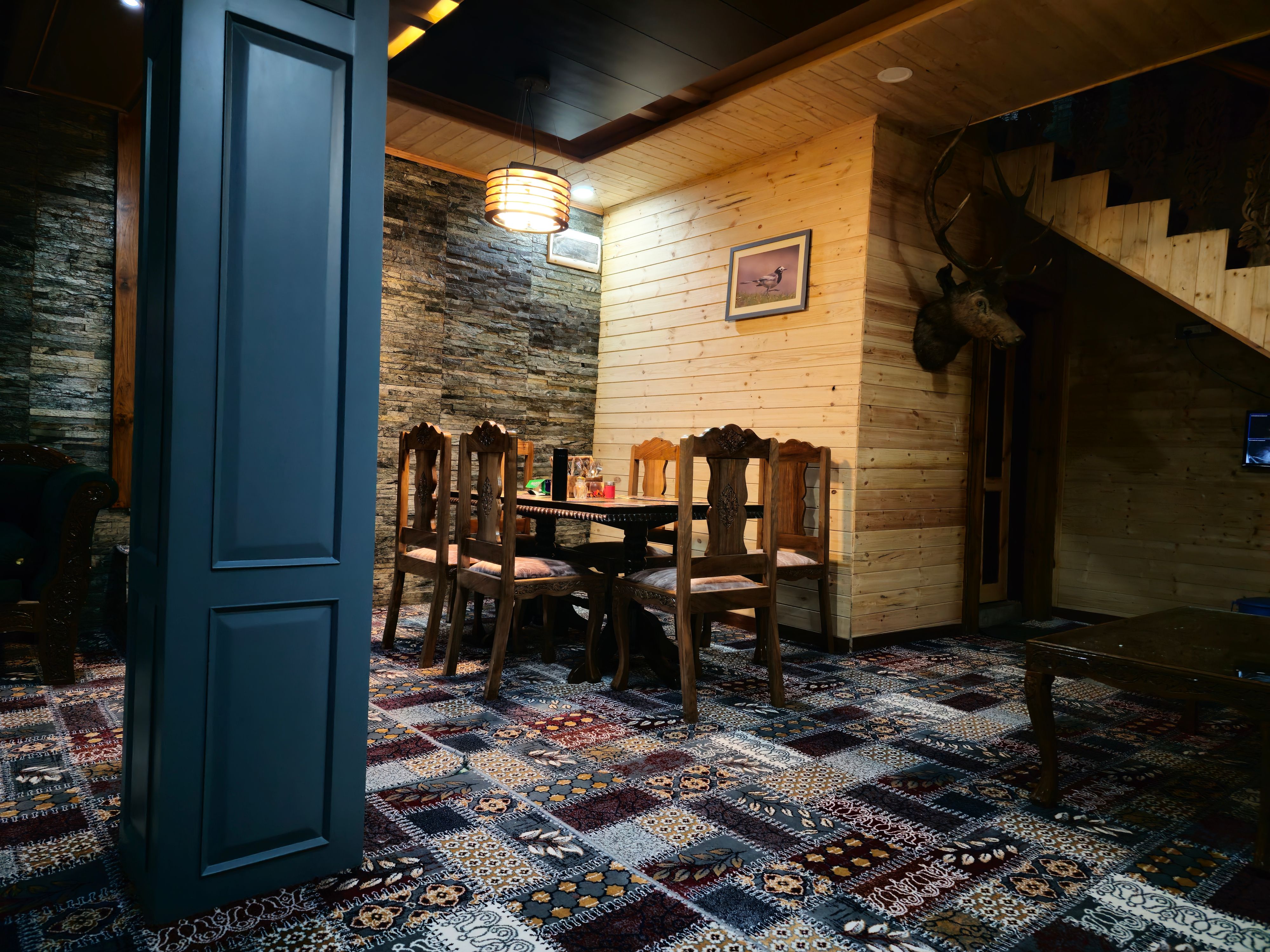
Accommodation options in the area cater to wildlife travellers who want to remain close to nature. You will find small nature camps, eco-friendly rural retreats, and welcoming farm stays scattered around the periphery of the park, particularly near the Karhandla and Gothangaon entry points. Staying near the park boundary allows you to reach the safari gates easily for dawn drives.
Travellers interested in outdoor stays, private campsites, and local village homestays around Umred Karhandla Wildlife Sanctuary can explore available listings on HireACamp. Booking your stay in advance is advisable during peak winter months and long weekends.
Frequently asked questions
What is Umred Karhandla Wildlife Sanctuary known for?
The sanctuary is renowned for its sightings of royal Bengal tigers, Indian leopards, wild dogs, and over two hundred species of birds. It is also an essential wildlife corridor connecting Tadoba-Andhari and Nagzira reserves.
Which is the nearest airport and railway station to the sanctuary?
The nearest major airport and railway station is located in Nagpur, approximately sixty kilometres away. Taxis and public transport can be hired from Nagpur to reach the forest gates.
Are safaris operational throughout the year?
Safaris generally operate from October to June. The core tourism tracks are typically closed during the monsoon months between July and September, so visitors should check local forest department schedules before travelling.
How do I book a safari at Umred Karhandla?
Safari permits can be booked online through the official Maharashtra Forest Department portal or arranged locally at the respective forest gates subject to availability. Advance booking is recommended to secure preferred safari shifts.
What should I wear on a jungle safari in Umred Karhandla?
Wear earthy and neutral-coloured clothes such as khaki, grey, olive, or brown to blend in with the forest. Pack layers for cool early morning drives in winter, and carry sun protection during the warmer months.
Where you'll be
Umred Karhandla Wildlife Sanctuary, Umred, MH · 3 stays nearby shown with prices
Stays near Umred Karhandla Wildlife Sanctuary
Book a place to stay close by
More places near Umred Karhandla Wildlife Sanctuary
Within 20 km


Built from 0 Instagram posts by 0 creators. Every tip links back to the post it came from, and where creators disagree we show both sides.






