
Uttamacholapuram
Destination in Tamil Nadu
Uttamacholapuram is an ancient heritage settlement situated on the banks of the Thirumanimutharu River near Salem in Tamil Nadu. The town is renowned for its historic Chola-era temple architecture, traditional rural rhythms, and rich regional folklore. Travellers stop here to explore centuries-old stone craftsmanship, experience quiet temple courtyards, and use it as a peaceful base for exploring the surrounding hills and plains of the Kongu region.
Getting there
By road
- From Coimbatore3 hr 45 min · 162 km
- From Bengaluru4 hr 25 min · 192 km
- From Madurai4 hr 55 min · 233 km
- From Mysuru5 hr 15 min · 244 km
Typical drive times without traffic. Stations and airports from OLA Maps; distances and typical drive times from OpenStreetMap (© OpenStreetMap contributors); notes from creators' Reels.
About Uttamacholapuram
Written with AI from map data and general knowledge. Check prices and timings locally before you go.
About Uttamacholapuram
Uttamacholapuram is a culturally significant village located along the riverine plains of Salem district in western Tamil Nadu. Named after the historic Chola dynasty ruler, the town preserves tangible links to medieval South Indian administration, spirituality, and art. The sacred Thirumanimutharu River winds gently through this region, once nurturing agrarian settlements that supplied granaries and temples across the Kongu belt.
Today, Uttamacholapuram maintains a serene, unhurried atmosphere contrasting with the bustling urban spread of nearby Salem. Strolling through the town reveals traditional village layouts, old stone masonry, and towering temple gateways. For visitors interested in South Indian history, epigraphy, and rural life, Uttamacholapuram offers a tranquil glimpse into the heritage of the Chola hinterlands without the rush of commercial tourist circuits.
Things to see and do in Uttamacholapuram
The focal point of a visit to Uttamacholapuram is the ancient Sri Karapuranathar Temple, dedicated to Lord Shiva. Revered for its deep antiquity, the temple features intricate granite carvings, carved pillars, and ancient stone inscriptions documenting royal land grants and local customs. Taking time to walk around the stone corridors, observe the details of the sanctum artwork, and sit by the sanctum mandapam gives insight into classical Dravidian temple design.
Beyond temple exploration, spending a quiet morning along the riverbank or walking through the rural byways provides a grounded look at local agriculture. Mango orchards, coconut groves, and paddy fields surround the village edges. Engaging with the friendly residents often leads to fascinating retellings of local lore, including legends connecting ancient Tamil poets and kings to this landscape.
Read more
Places to visit around Uttamacholapuram
Uttamacholapuram is well situated for day trips into the surrounding heritage and nature spots of Salem and Namakkal districts. Just a short drive north lies Taramangalam, home to the magnificent Kailasanathar Temple, widely celebrated for its astonishing stone carvings, rotating stone chains, and exquisitely carved musical pillars. In another direction towards the southeast, the historic temple town of Rasipuram offers its own Kailasanathar Temple and vibrant weaving traditions.
For those drawn to nature and panoramic hill views, the striking rocky peak of Alavay Malai rises nearby, drawing hikers and pilgrims keen on hillside trails. Further north, the Shevaroy Hills ascend quickly into the cool climate of Yercaud, where you can visit viewpoint sites like Heaven's Ledge, walk through lush rose gardens, or tour historic coffee and spice plantations such as Cauvery Peak. These varied surroundings make it easy to combine heritage walks with mountain breezes.
Best time to visit Uttamacholapuram
The best time to visit Uttamacholapuram is during the post-monsoon and winter months, spanning from October to early March. During this period, the days are bright and comfortable with moderate temperatures, while evenings turn pleasantly cool, making it ideal for visiting outdoor temples and exploring nearby hills.
From late March through June, the plains of Salem experience high daytime temperatures that can make walking on open stone temple courtyards challenging. If you visit during the summer months, schedule your sightseeing early in the morning or around sunset. The monsoon season between July and September brings intermittent showers that freshen the surrounding greenery, offering a scenic landscape for those who do not mind occasional rainfall.
How to reach Uttamacholapuram
Uttamacholapuram benefits from excellent regional connectivity due to its proximity to Salem, a key transit hub in Tamil Nadu. The town is easily accessible by road via major state and national highways passing through Salem district. Regular local buses, auto-rickshaws, and private taxis run from the main bus stands in Salem directly to Uttamacholapuram.
If you are travelling by train, Salem Junction is the nearest major railway station, connecting directly to major cities across India including Chennai, Bengaluru, Coimbatore, and Kochi. From the station, the drive to Uttamacholapuram takes a short time by taxi or hired vehicle. For air travellers, the closest airport with scheduled regional flights is Salem Airport, while the international airports at Coimbatore and Tiruchirappalli are accessible options offering wider flight connections.
Tips for your visit
When planning your trip to Uttamacholapuram, keep in mind that local heritage sites follow customary temple etiquette. Dress modestly, with shoulders and knees covered, and remove footwear outside temple gates. Carrying a pair of thick socks can be helpful when walking across open granite slabs during warmer hours of the day.
Cash is still preferred by smaller local vendors, coconut sellers, and transport operators, so carry adequate cash alongside digital payment options. If you plan to extend your day with a hike up nearby hills or viewpoints such as Alavay Malai or trails in Yercaud, pack comfortable footwear, sun protection, and a refillable water bottle to stay hydrated throughout your journey.
Where to stay in Uttamacholapuram
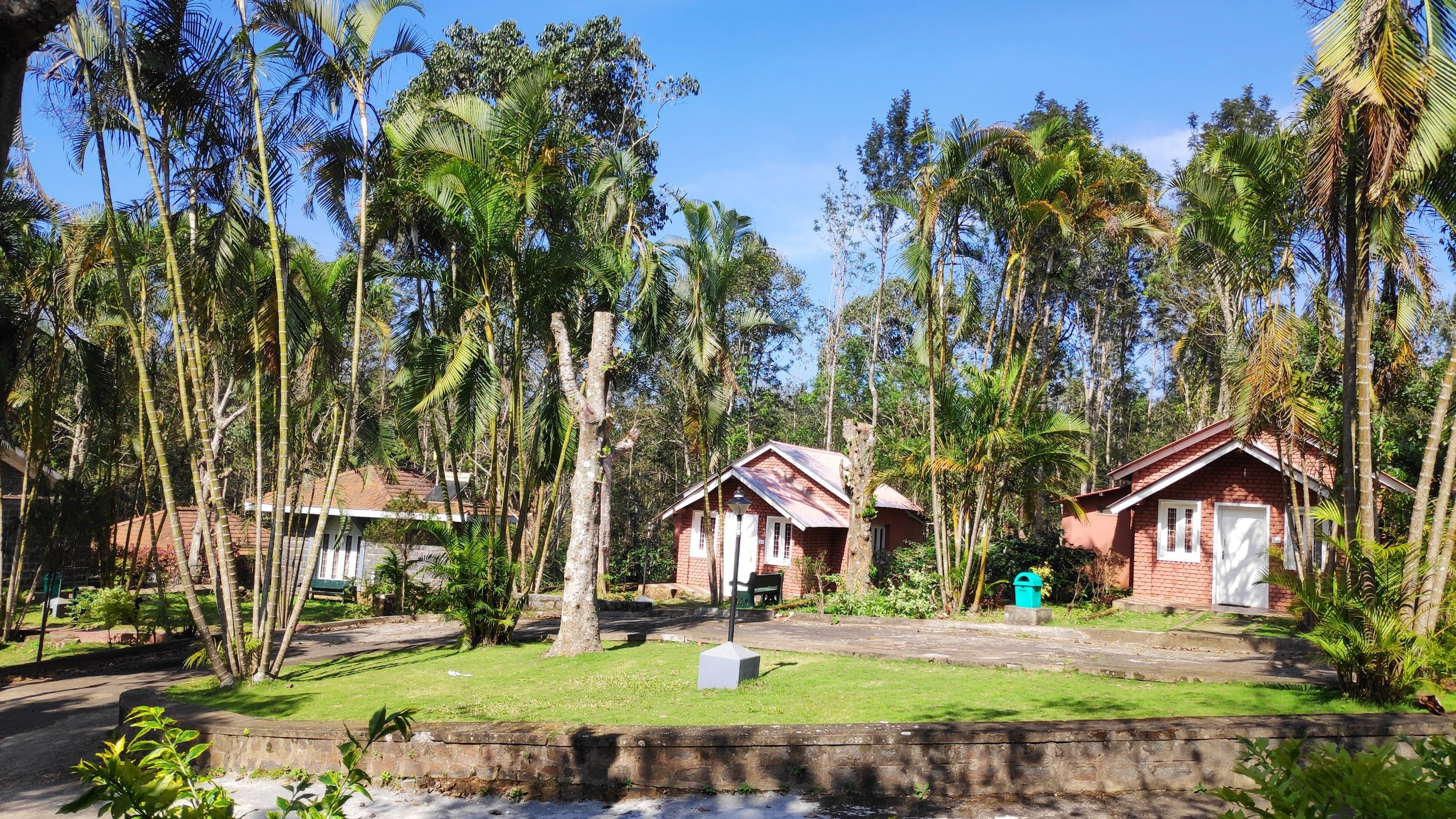
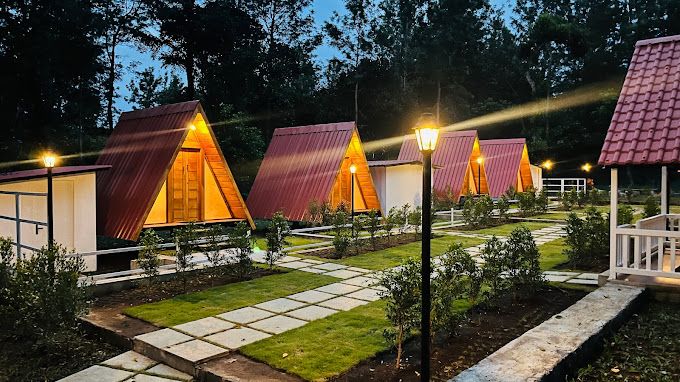
While Uttamacholapuram itself is a quiet settlement with modest local conveniences, the surrounding district offers a diverse range of accommodations suitable for every travel style. You can find comfortable homestays tucked into rural plantations, eco-stays amidst nature, and rustic getaways near the foothill roads.
For those who prefer a cooler hill climate, the nearby slopes of the Shevaroy Hills offer camping spots, outdoor retreats, and scenic mountain lodgings. You can discover and book unique stays, peaceful nature camps, and welcoming homestays around Uttamacholapuram on HireACamp.
Frequently asked questions
What is Uttamacholapuram famous for?
Uttamacholapuram is best known for its historic Sri Karapuranathar Temple, notable for Chola-era architecture, ancient Tamil inscriptions, and its peaceful location on the Thirumanimutharu River.
How far is Uttamacholapuram from Salem city?
Uttamacholapuram is located just outside Salem city, making it easily reachable within a short local drive or public bus ride from the city centre.
Can I visit Uttamacholapuram and Yercaud on the same trip?
Yes, Uttamacholapuram can easily be visited in the morning before continuing up to the Shevaroy Hills and Yercaud, which lies approximately an hour away by road.
What should I wear when visiting temples in Uttamacholapuram?
Visitors should dress conservatively in line with traditional South Indian temple norms, ensuring shoulders and knees are covered. Footwear must be removed before entering the temple complex.
Where can I find accommodation near Uttamacholapuram?
A variety of rural homestays, nature retreats, and hill camps are located across the surrounding Salem and Shevaroy region, which you can browse and book on HireACamp.
Where you'll be
2 stays nearby shown with prices
Stays near Uttamacholapuram
Book a place to stay close by
Things to do in Uttamacholapuram
48 places creators recommend within 30 km
Built from 0 Instagram posts by 0 creators. Every tip links back to the post it came from, and where creators disagree we show both sides.






