
Vagator
Destination in Goa
Vagator is a coastal village in North Goa, known for its dramatic red laterite cliffs, curved bays, and historic vantage points overlooking the Arabian Sea. Travellers visit Vagator to experience its blend of relaxed seaside atmosphere, striking headlands, and access to North Goa's lively music and culinary culture.
Getting there
By road
- From Pune8 hr 40 min · 413 km
- From Mumbai 10 hr 15 min · 527 km
Typical drive times without traffic. Stations and airports from OLA Maps; distances and typical drive times from OpenStreetMap (© OpenStreetMap contributors); notes from creators' Reels.
About Vagator
Written with AI from map data and general knowledge. Check prices and timings locally before you go.
What Vagator is known for
Vagator sits on the northern edge of the Bardez sub-district, bordered to the north by the Chapora River estuary and to the west by the Arabian Sea. Unlike the broad, flat stretches of sand found elsewhere along the Goan coast, the topography of Vagator is shaped by distinct red laterite cliffs that rise abruptly from the shoreline. These headlands divide the shoreline into natural coves, giving the area a dramatic coastal profile that sets it apart from neighbouring beach settlements.
Historically a quiet fishing community, the village developed a strong cultural reputation during the late twentieth century as travellers were drawn to its open spaces and outdoor gatherings. Today, Vagator retains a creative and bohemian spirit. It is celebrated for its cliffside sunset views, creative outdoor spaces, and an eclectic dining and arts scene that operates at a slightly more measured pace than the crowded stretches of Calangute or Baga.
Things to do in Vagator
Exploring the coast is the primary activity for most visitors to Vagator. The shoreline is naturally split into distinct sections. Big Vagator, located towards the north near the base of the Chapora headland, is a broader, active stretch where local boats anchor and open sand meets the tide. Further south, separated by a rocky promontory, lies Little Vagator, also known locally as Ozran Beach. Accessing Ozran requires descending stone steps down the cliff face, leading to a sheltered cove shaded by coconut groves and framed by rocky outcrops.
Walking the cliff paths in the late afternoon provides panoramic views across the Arabian Sea. You can spend an unhurried morning watching fishermen bring in their catch near the river mouth, browse small flea stalls selling clothes and handicrafts, or unwind at open-air seaside cafes set along the bluff. As night approaches, Vagator often becomes a hub for electronic music events, live acoustic performances, and beachside gatherings that reflect Goa's long-standing connection to international music movements.
Read more
Chapora Fort and coastal walks
Perched high on a prominent ridge just north of the village stands Chapora Fort, one of the most recognizable historical sites in Goa. Originally established in various forms by earlier regional rulers, the current stone fortifications were constructed by the Portuguese in the early eighteenth century as a strategic defense outpost guarding the mouth of the Chapora River against Maratha incursions.
While the internal structures of the fort are largely in ruins today, the outer ramparts and bastions remain largely intact. A short climb up the paved trail from the base rewards walkers with unobstructed views that stretch across the open ocean, the serpentine curve of the Chapora River, and the forested shoreline of Morjim on the northern bank. The walk along the fort walls is especially popular in the evening, when the setting sun paints the sea and the red laterite ramparts in warm tones.
Places to visit around Vagator
Vagator makes a practical base for exploring the surrounding corners of North Goa. Directly south lies Anjuna, famous for its legacy flea market, rocky coves, and lively beach shacks. A short drive eastward takes you into the village of Assagao, known for its whitewashed Portuguese-era villas, shaded leafy lanes, art galleries, and upscale casual dining.
Across the Chapora River bridge to the north, the landscape shifts noticeably into the quieter stretches of Pernem. Morjim and Ashwem beaches offer wider expanses of fine sand, sea-turtle nesting reserves, and quiet estuaries suitable for kayaking and paddleboarding. Further inland, rural hamlets like Parcem offer peaceful countryside vistas filled with cashew plantations, village temples, and traditional Goan architecture away from the maritime crowds.
Best time to visit Vagator
The winter months from November to February represent the most comfortable time to visit Vagator. During this period, daytime temperatures range between twenty-eight and thirty-two degrees Celsius, accompanied by clear skies, gentle coastal breezes, and low humidity. Evenings are pleasantly cool, and sea conditions are generally calm enough for swimming and boat trips.
The monsoon season, which runs from June through September, brings intense coastal rain and high surf that closes the beaches to swimming. However, the monsoon reveals an entirely different side of the village, turning the cliffs and hinterland lush green and offering a tranquil atmosphere for travellers seeking solitude. The summer months of March through May can be hot and humid, but they offer quieter roads and uncrowded shorelines before the rains arrive.
How to reach Vagator
Vagator is easily accessible through multiple transport hubs across Goa. If you are arriving by air, Manohar International Airport at Mopa is situated roughly thirty kilometres to the northeast, typically taking around forty-five minutes to an hour by taxi depending on local traffic. Dabolim Airport in South Goa is approximately forty-five kilometres away, with a standard travel time of an hour and fifteen minutes via the national highway.
For rail travellers, Thivim is the nearest major railway station, located about twenty kilometres inland and accessible via a thirty-minute taxi ride. Karmali and Madgaon stations also serve long-distance trains from across India. Vagator is well connected to Panaji, Mapusa, and neighbouring coastal towns by state buses, auto-rickshaws, and local taxis. Many visitors choose to rent scooters or cars locally for convenient day-to-day exploration.
Where to stay in Vagator
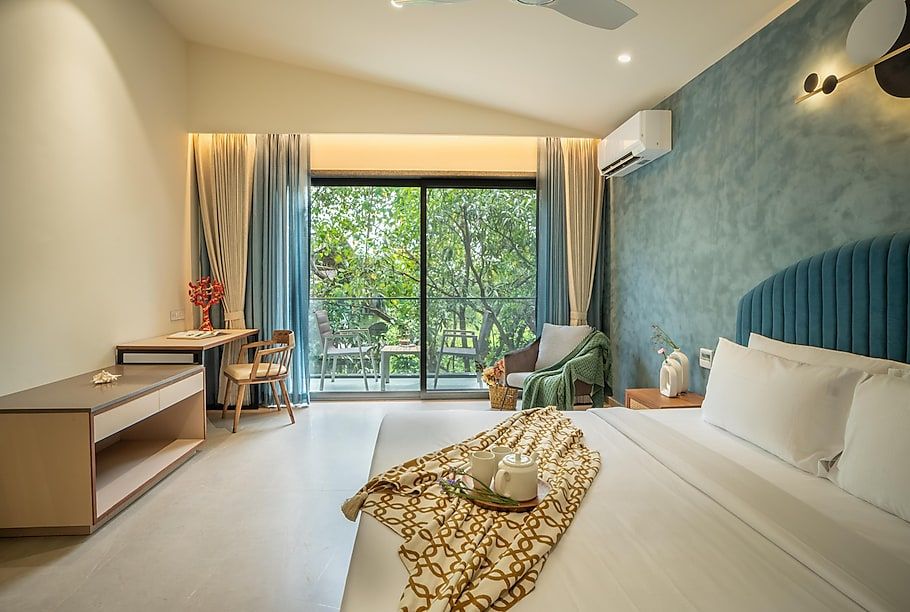
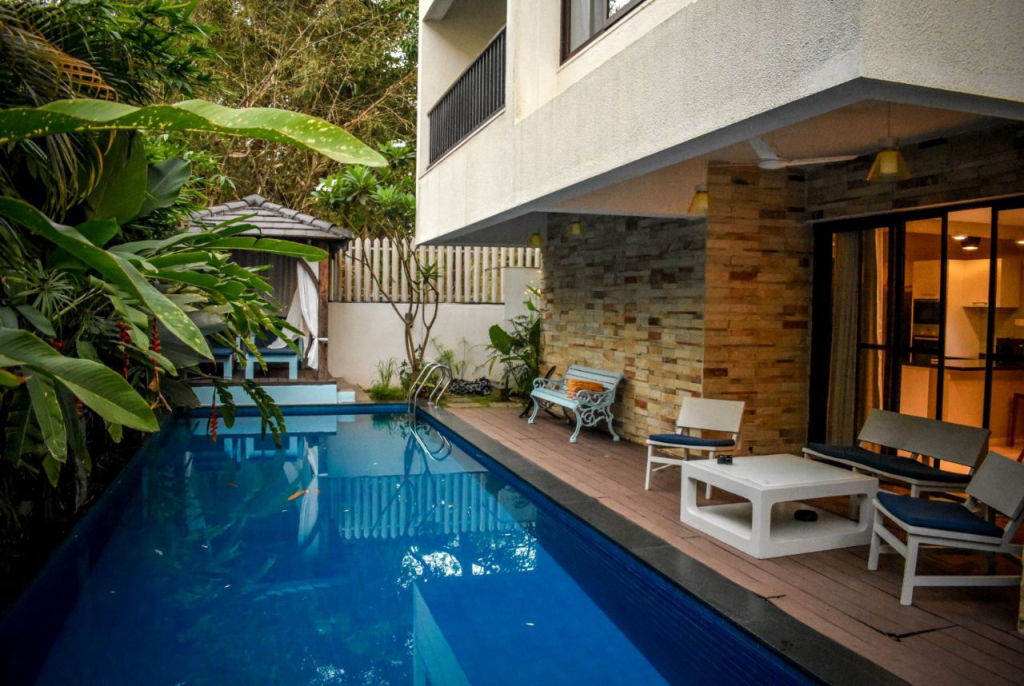
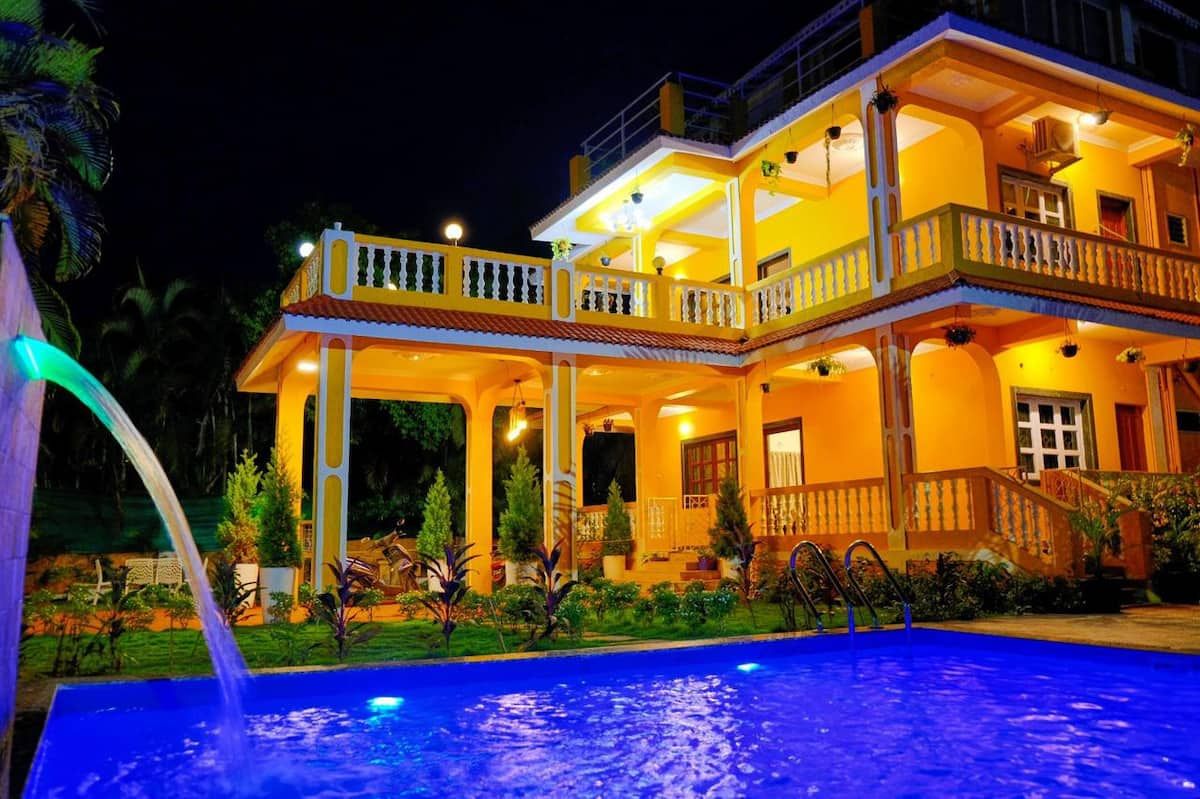
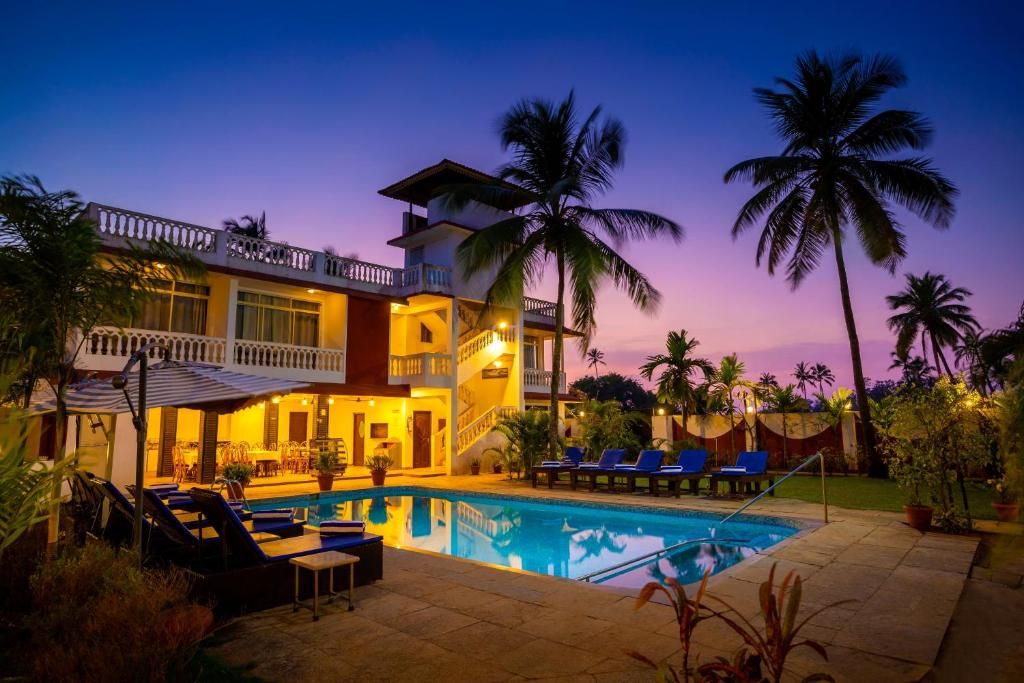
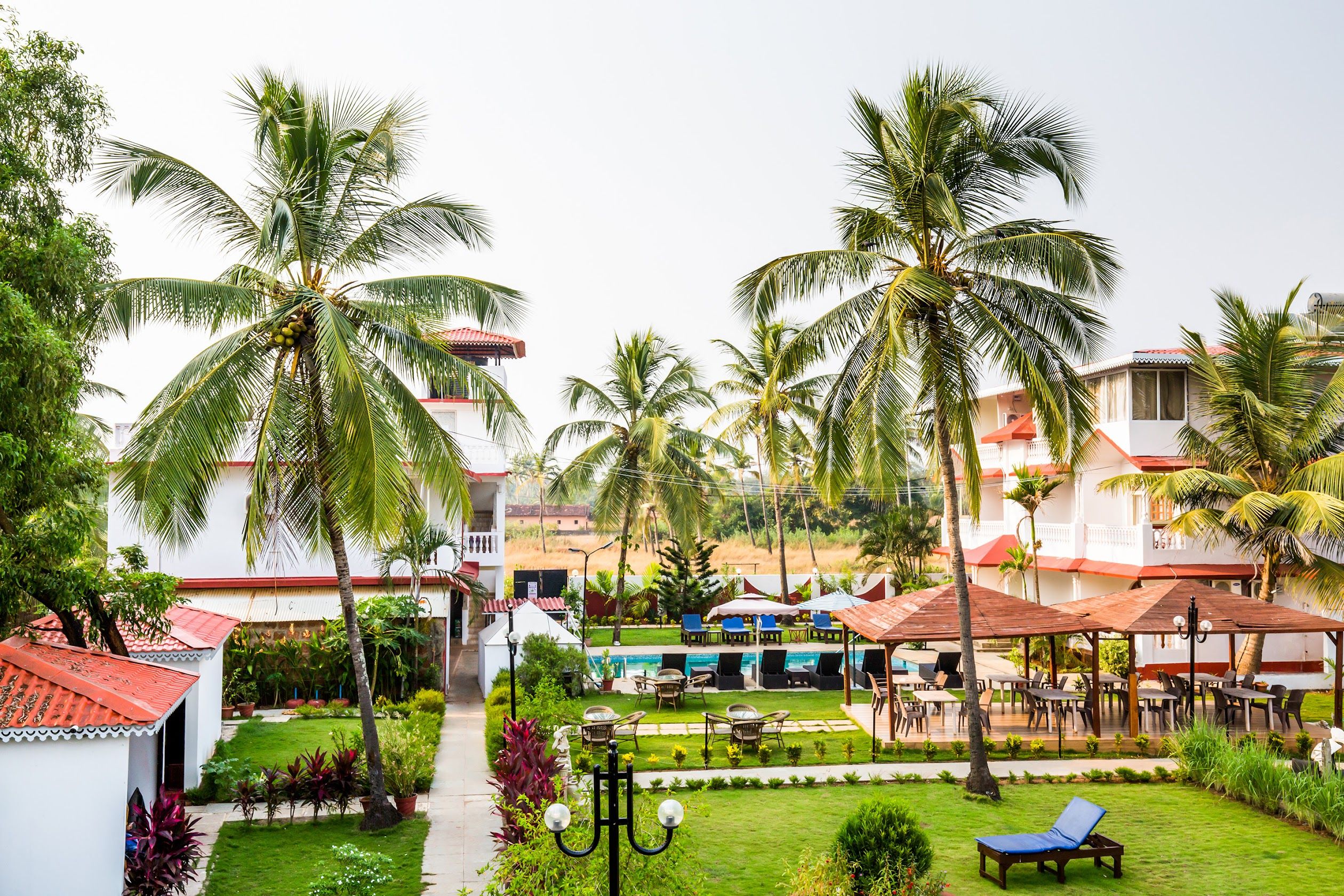
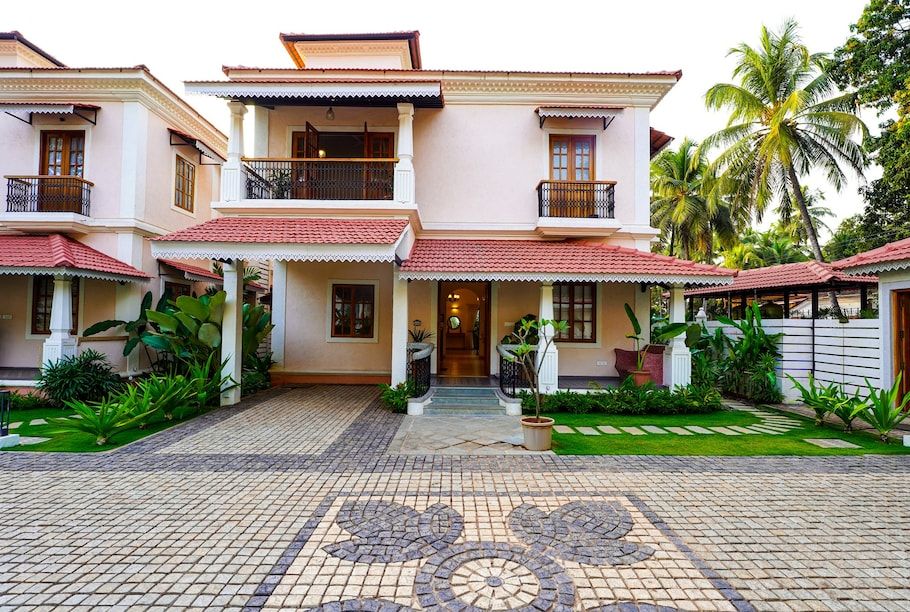
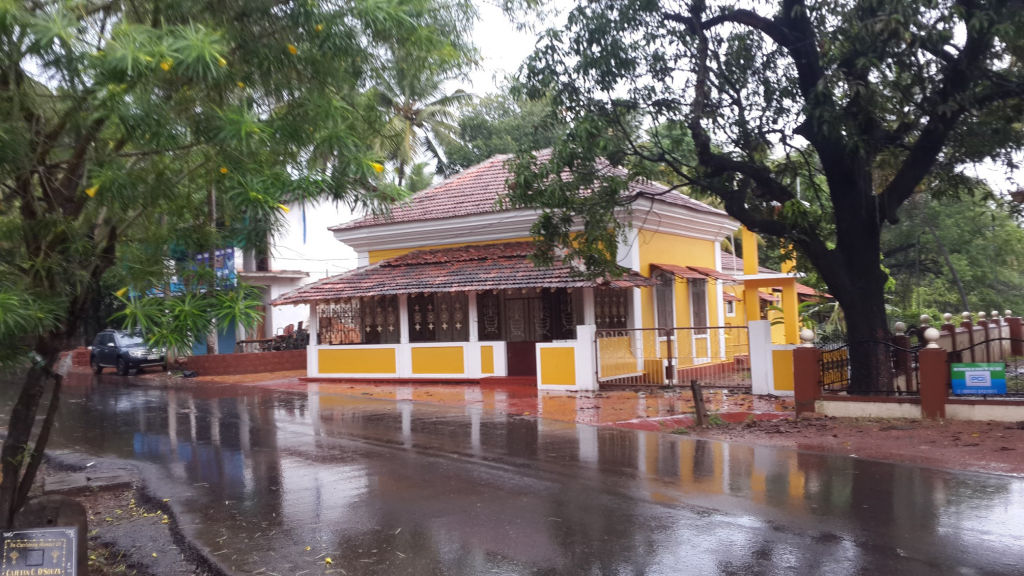
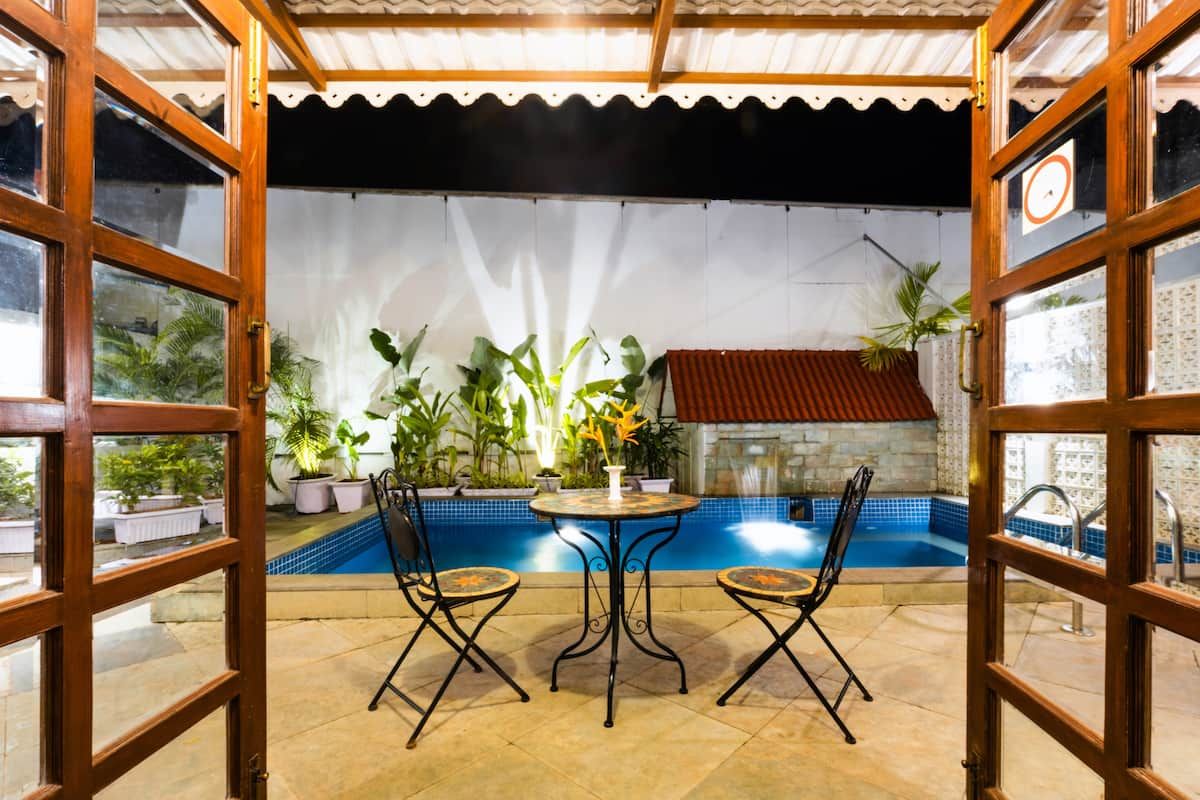
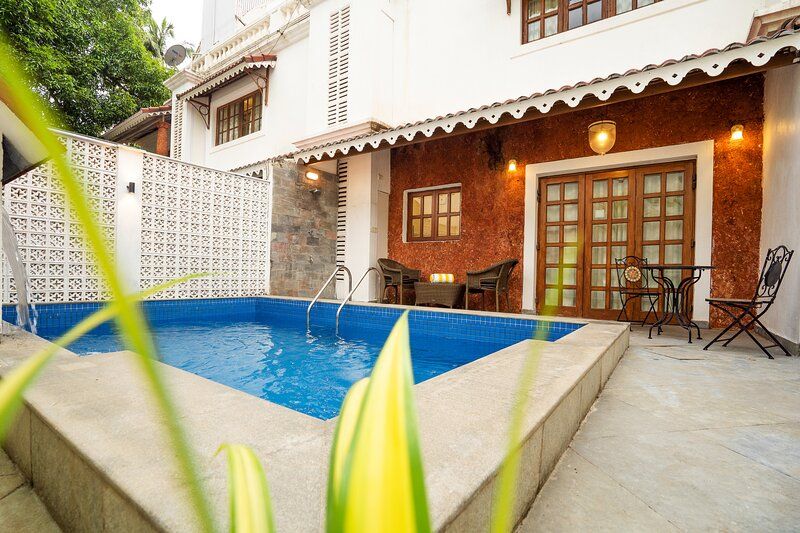
Accommodations around Vagator range from traditional Goan village homestays to rustic cliff-top cottages and contemporary vacation rentals nestled in quiet back lanes. Staying slightly away from the main shoreline allows you to enjoy the shade of banyan trees and ancestral architecture while remaining within walking distance of the beach.
If you prefer nature-focused accommodations, open-air camping, or charming homestays in and around Vagator and neighbouring villages like Parcem, you can find and book verified stays on HireACamp. Booking in advance is recommended if you plan to visit during peak holiday weeks in late December and early January.
Frequently asked questions
Is swimming safe at Vagator Beach?
Swimming can be safe in designated shallow zones during the calm winter months, but caution is necessary due to submerged rocks and sudden depth changes near the headlands. Always heed warning flags, look out for rocky sections, and avoid entering the water during the monsoon season when strong rip currents occur.
How do you reach Chapora Fort from Vagator?
Chapora Fort is located on a hilltop just adjacent to Big Vagator. Visitors can drive or ride to the parking area at the base of the hill and complete the ascent on foot via a sloping stone-paved path, which takes about ten to fifteen minutes.
What is the difference between Big Vagator and Little Vagator?
Big Vagator is a wider, easily accessible beach located near the river mouth and Chapora Fort, while Little Vagator, or Ozran, is a more secluded cove situated below the southern cliffs that requires walking down a set of stairs.
Can I rent scooters or cars in Vagator?
Yes, two-wheelers and self-drive cars are widely available for hire from independent operators throughout Vagator. A valid driving licence is required, and wearing a helmet is mandatory across Goa.
Where you'll be
12 stays nearby shown with prices
Stays near Vagator
Book a place to stay close by


Things to do in Vagator
47 places creators recommend within 30 km
Built from 0 Instagram posts by 0 creators. Every tip links back to the post it came from, and where creators disagree we show both sides.






