
Varah Ghat
Heritage & Culture near Ganahera, Rajasthan
1.7 km from Ganahera
The nearest town, for stays, food and fuel.
Varah Ghat is one of the most prominent sacred bathing ghats lining the holy lake in the pilgrimage town of Pushkar, Rajasthan. Named after the Varaha avatar of Lord Vishnu, this ghat is steeped in Hindu mythology, heritage, and deep religious devotion. Visitors and pilgrims come here to participate in daily prayers, witness traditional evening aarti, and soak in the peaceful spiritual atmosphere of the sacred waters.
Getting there
By road
- From GanaheraNearest town6 min · 2.3 km
- From Jaipur3 hr 10 min · 142 km
- From Jodhpur4 hr 15 min · 185 km
- From New Delhi7 hr 15 min · 456 km
Typical drive times without traffic. Stations and airports from OLA Maps; distances and typical drive times from OpenStreetMap (© OpenStreetMap contributors); notes from creators' Reels.
About Varah Ghat
Written with AI from map data and general knowledge. Check prices and timings locally before you go.
Understanding Varah Ghat
Varah Ghat occupies a central position along the perimeter of Pushkar Lake, surrounded by whitewashed havelis, ancient temples, and stone pavilions. Pushkar is one of India's oldest pilgrimage destinations, home to dozens of sacred ghats that step gently down into the calm waters of the lake. Among these, Varah Ghat holds a place of distinction due to its direct association with Lord Vishnu's incarnation as Varaha, the wild boar deity who rescued the earth.
According to regional legends, Lord Vishnu manifested in this divine form right at this spot to vanquish the demon Hiranyaksha. The ancient Varaha Temple located near the ghat further cements the area's spiritual standing. Throughout the day, the ghat sees a slow rhythm of life unfold, starting with early-morning purification dips by sadhus and local residents, followed by steady streams of worshippers offering flowers and chanting sacred hymns.
Spiritual significance and evening rituals
The daily life of Varah Ghat is anchored in its sacred rituals. The morning begins before sunrise, as bells ring out across the town and priests gather on the stone steps to offer prayers to the sun and the lake. Taking a holy bath at Varah Ghat is believed by devout Hindus to cleanse negative karma and grant spiritual blessings, especially during auspicious lunar phases and the annual Kartik Purnima fair.
As dusk falls, Varah Ghat transforms into a vibrant hub of devotional worship. The evening maha aarti here is a mesmerizing spectacle that attracts both pilgrims and travellers from across the globe. Priests dressed in traditional attire hold massive tiered brass lamps, swinging them in synchronised arcs while chanting Sanskrit mantras. The rhythm of clanging bells, the resonance of conch shells, and the drifting scent of burning camphor and incense create a deeply moving sensory experience. After the aarti concludes, devotees float small leaf-boats laden with marigolds and glowing oil lamps onto the water, setting the surface of Pushkar Lake aglow with flickering lights.
Read more
Best time to visit Varah Ghat
The most pleasant time to visit Varah Ghat and Pushkar is during the cooler months from October to March. During this period, daytime temperatures remain moderate and comfortable for walking through the heritage lanes and sitting by the water, while evenings carry a refreshing desert chill. The winter climate allows visitors to spend unhurried hours exploring the ghats and nearby temple complexes without the discomfort of harsh desert heat.
November is especially vibrant due to the renowned Pushkar Fair, when thousands of pilgrims, camel traders, and cultural performers arrive in town. If you visit around the Kartik Purnima full moon, the ghats are decorated with thousands of oil lamps and witness immense devotional fervour. Summer, running from April to June, is typically harsh with daytime temperatures often climbing above forty degrees Celsius, making sightseeing exhausting. The monsoon months between July and September bring sporadic rainfall that softens the arid landscape and refills the holy lake, offering a quiet, introspective atmosphere with significantly fewer crowds.
How to reach Varah Ghat
Varah Ghat is situated in the heart of Pushkar town, making it easily accessible on foot from almost anywhere within the central market area. Pushkar itself is situated approximately fourteen kilometres from the historic city of Ajmer, which serves as the primary regional transportation hub. Travellers arriving by train can disembark at Ajmer Junction, a major railway stop well-connected to Delhi, Jaipur, Mumbai, Ahmedabad, and other major Indian cities. From Ajmer station, regular local buses, shared vehicles, and private taxis make the winding drive over the Nag Pahar hills into Pushkar.
For those travelling by air, the nearest commercial airport is located in Kishangarh, approximately forty-five kilometres away, offering select regional flights. The larger and more frequently connected airport is Jaipur International Airport, located roughly one hundred and fifty kilometres to the east. From Jaipur, one can hire a private cab or take an express bus along the national highway to Pushkar. Once you arrive at the town entrance or local bus stand, the narrow heritage lanes surrounding the lake are best navigated on foot or via cycle rickshaw.
Tips for your visit
Visiting a sacred site like Varah Ghat requires adherence to local religious etiquette. Before stepping onto the ghat's stone stairs, you must remove your footwear and leave shoes at the designated shoe-keeping stalls or carry them in a bag. Modest clothing that covers shoulders and knees is expected, reflecting the solemn, spiritual nature of the space.
Be mindful when taking photographs around the ghats. While capturing the scenic architecture and lake view is generally permitted, photographing pilgrims engaged in sacred baths or private prayer rituals is considered intrusive and may be prohibited in specific sections. Always seek permission before photographing local priests or ascetics. Additionally, be cautious of touts or self-proclaimed priests who offer unsolicited flowers, threads, or blessings in exchange for large cash donations. Firmly and politely decline any ritual offers you are not comfortable with and proceed independently to enjoy the tranquility of the ghat.
Places to explore nearby
Pushkar is a compact, pedestrian-friendly destination packed with historic and cultural points of interest within walking distance of Varah Ghat. A short stroll away stands the renowned Brahma Temple, one of the few prominent temples dedicated to the creator god in the world, marked by its distinct red spire and silver turtle motif. The historic Varaha Temple itself, situated close to the ghat, features intricate stone carvings and ancient fortified walls that showcase centuries of architectural resilience.
For panoramic views of the entire valley and the sacred lake, consider climbing the stone path to the Savitri Devi Temple atop Ratnagiri Hill. The hilltop provides an exceptional vantage point for both sunrise and sunset. In the evenings, wandering through the bazaar adjoining Varah Ghat exposes you to traditional Rajasthani textiles, handcrafted leather goods, brassware, and local sweets. If you are willing to take a short day excursion, the distinctive white marble landscape of the Dumping Yard in Kishangarh lies around thirty-four kilometres away.
Where to stay near Varah Ghat
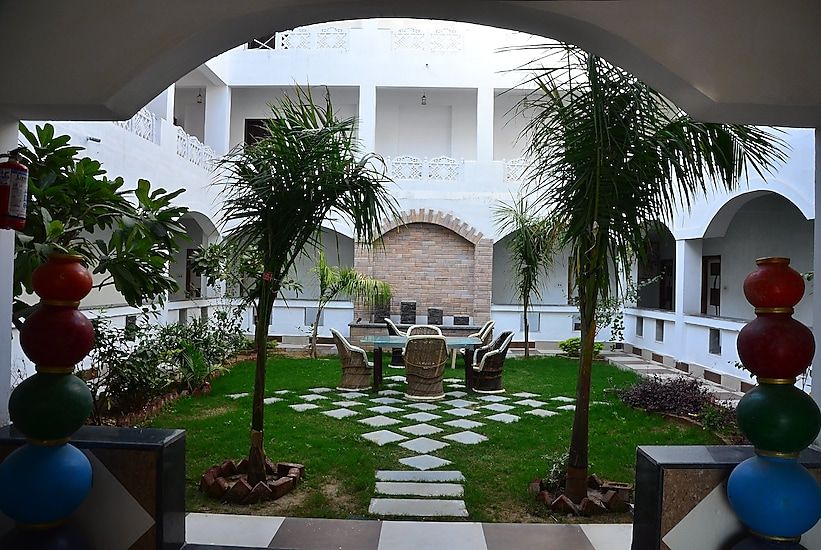
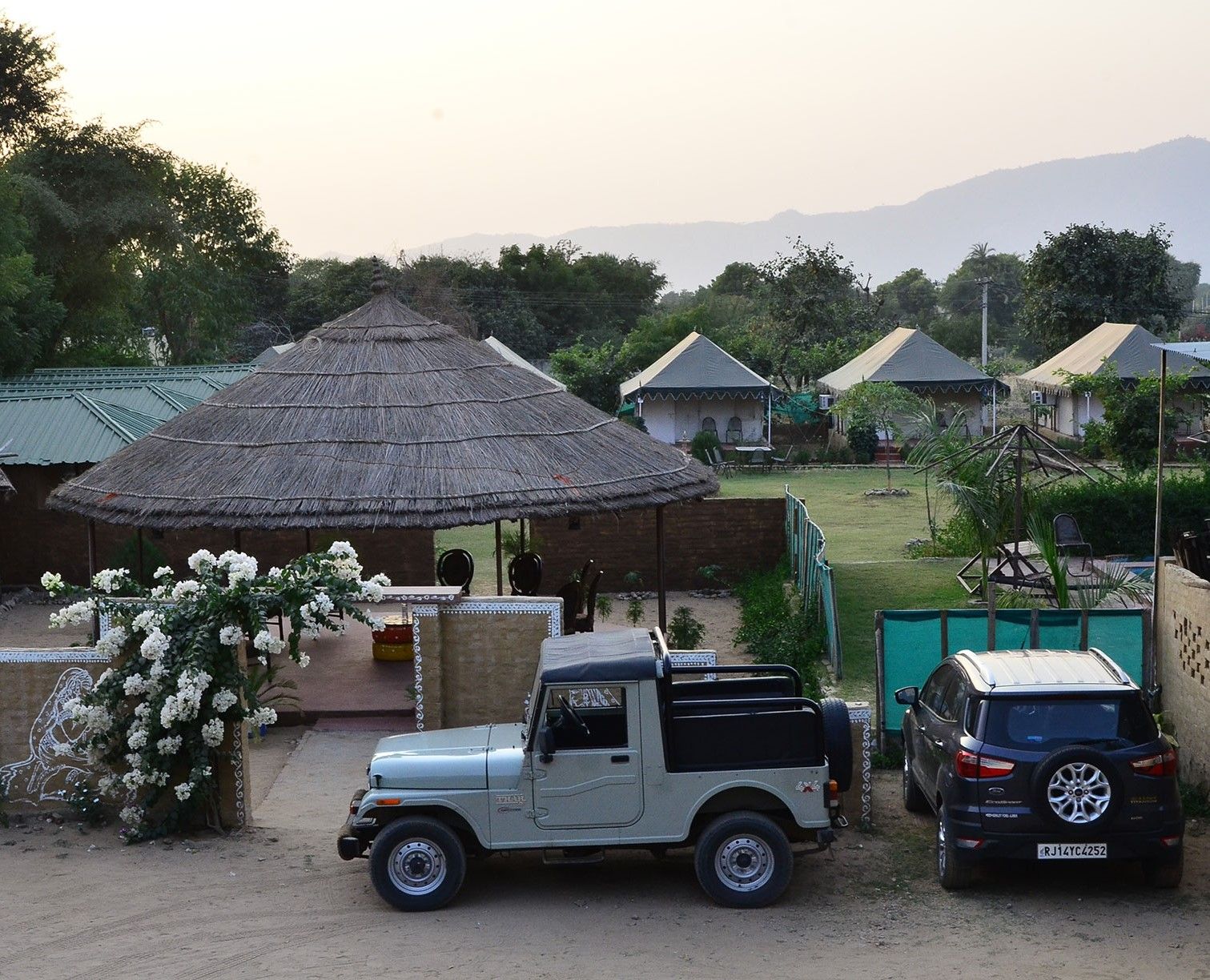
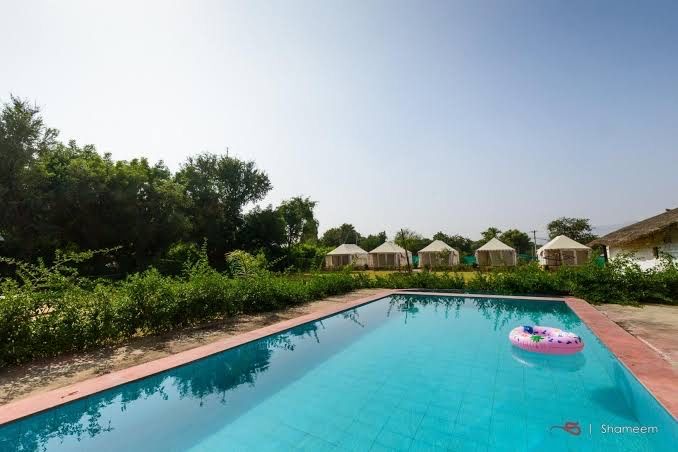
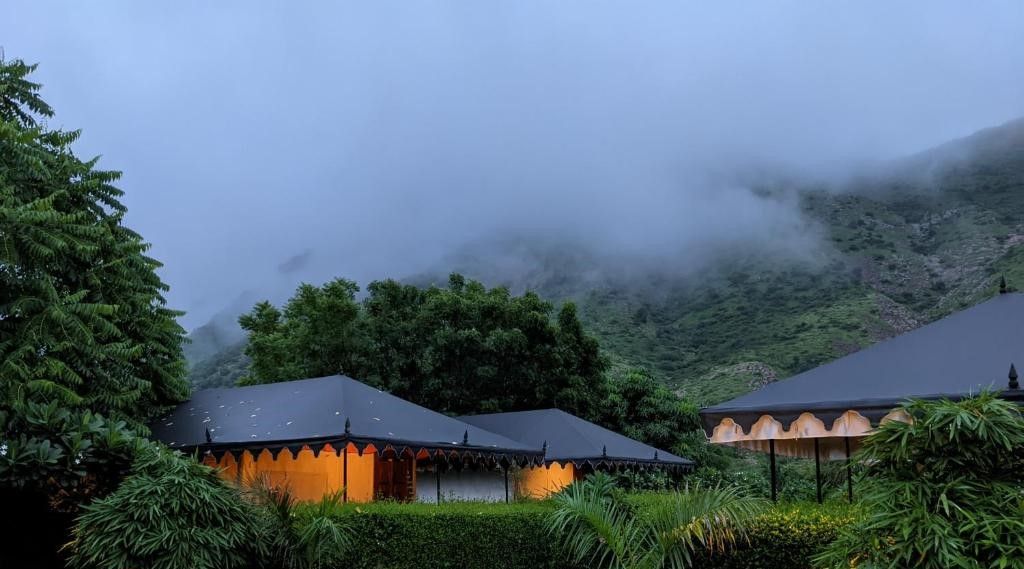
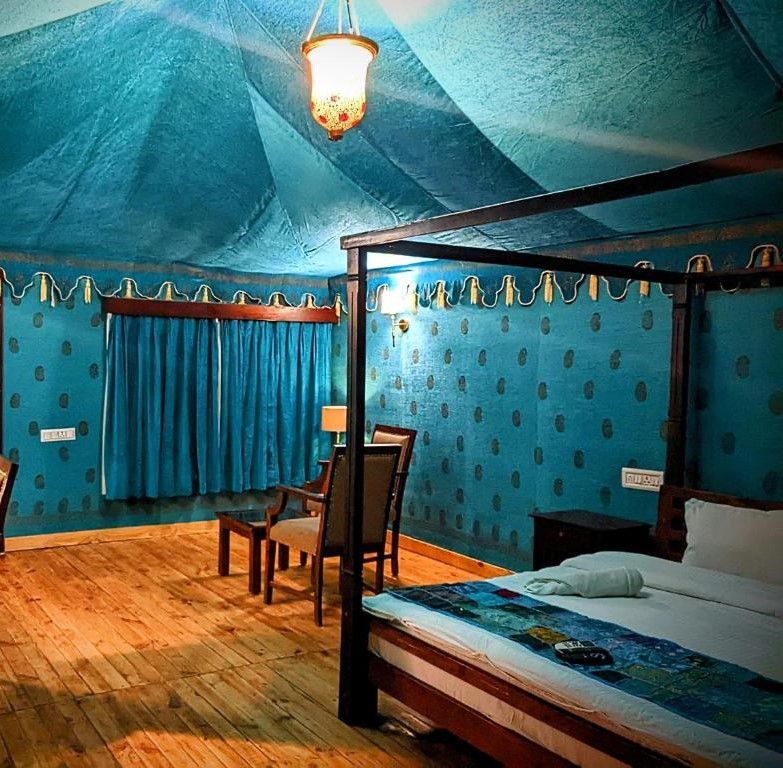
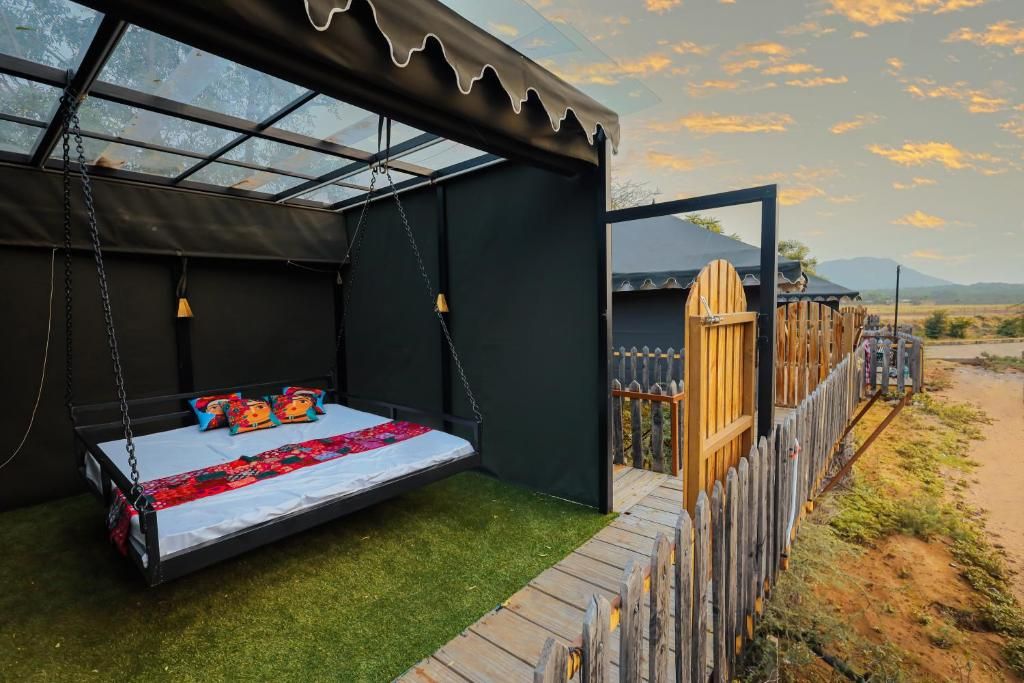
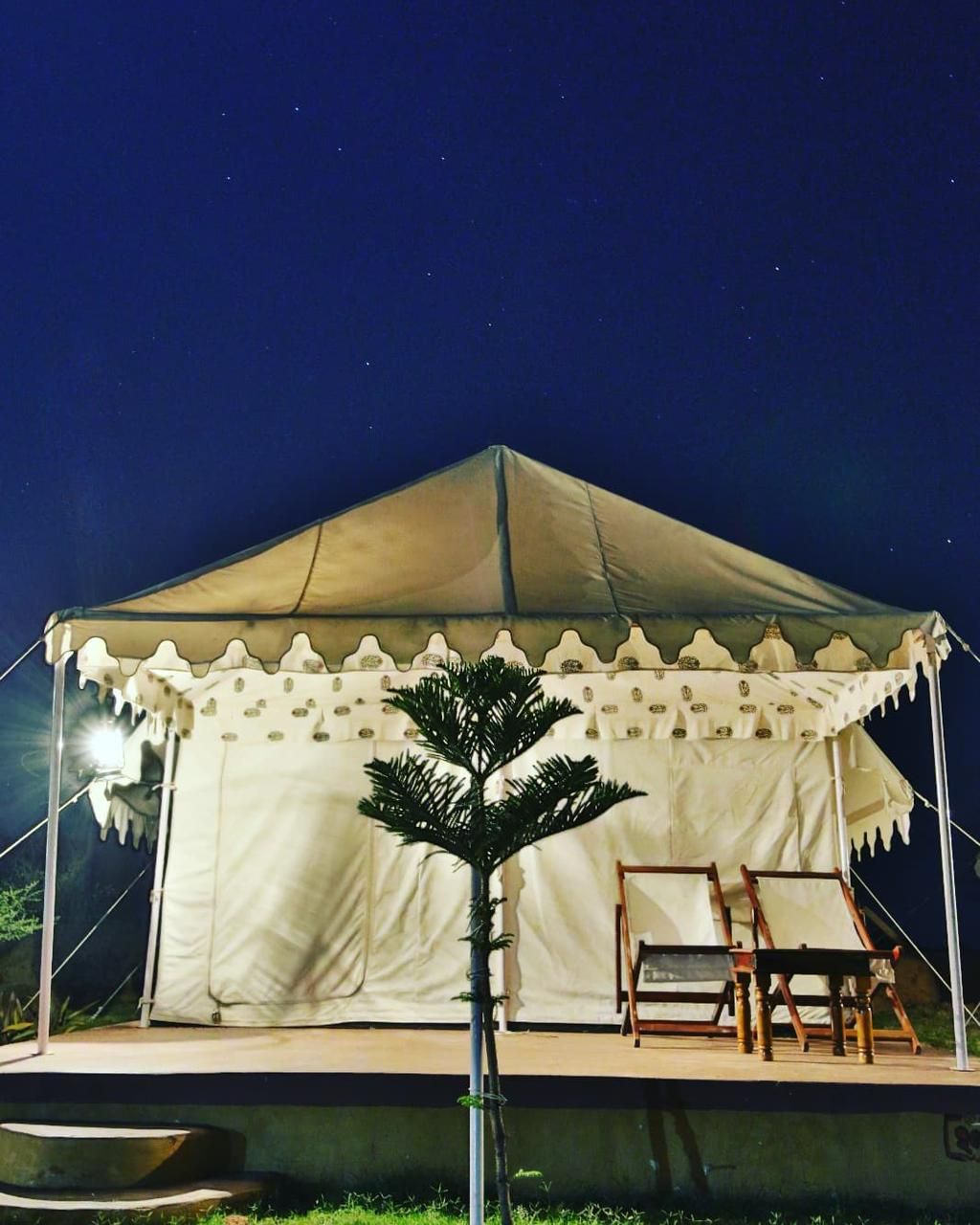
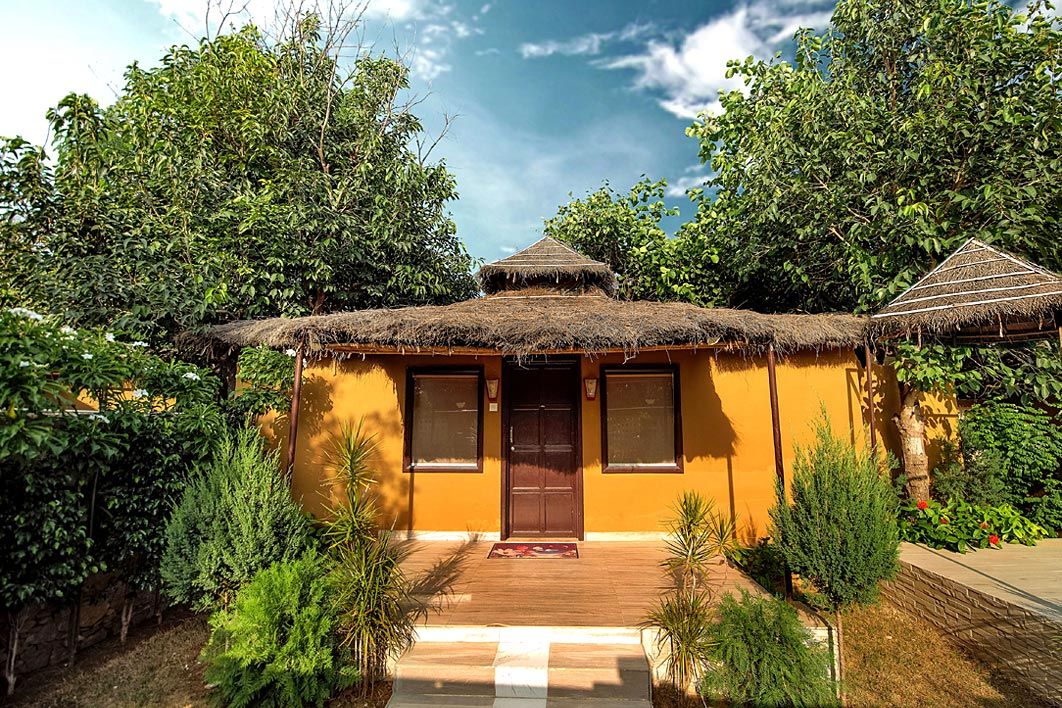
Pushkar offers a diverse range of accommodations suited to every travel preference, ranging from charming heritage havelis tucked into the old alleys to peaceful rural retreats on the town's desert outskirts. Staying close to the ghats allows you to easily witness the morning and evening prayers, while properties located further out offer open vistas of the Aravalli hills and starry night skies.
If you prefer experiential outdoor stays, scenic campsites, farm cottages, and welcoming local homestays across the Pushkar and Ajmer region can be explored and booked directly through HireACamp. Booking in advance is recommended if your journey coincides with the winter tourist peak or the annual Pushkar Fair.
Frequently asked questions
Why is Varah Ghat famous in Pushkar?
Varah Ghat is famous as the sacred spot where Lord Vishnu is believed to have appeared in his Varaha avatar to defeat the demon Hiranyaksha. It is also renowned for its evening aarti ceremony along the lake.
Are shoes allowed on Varah Ghat?
No, shoes and all outside footwear must be removed before you step down onto the stone steps of Varah Ghat, as the entire lakeside area is treated as a sanctified temple space.
What is the best time of day to visit Varah Ghat?
The best times to visit are early morning during sunrise to experience quiet lakeside devotion, and at dusk to witness the grand evening aarti with glowing oil lamps and traditional chanting.
How far is Varah Ghat from Ajmer?
Varah Ghat is located in Pushkar, which is roughly fourteen kilometres away from the city and railway station of Ajmer across the Nag Pahar hills.
Is photography allowed at Varah Ghat?
General landscape photography is usually allowed, but taking photos of people bathing, performing funeral rites, or engaging in private prayers is strictly discouraged out of respect for pilgrims.
Where you'll be
Pushkar · 12 stays nearby shown with prices
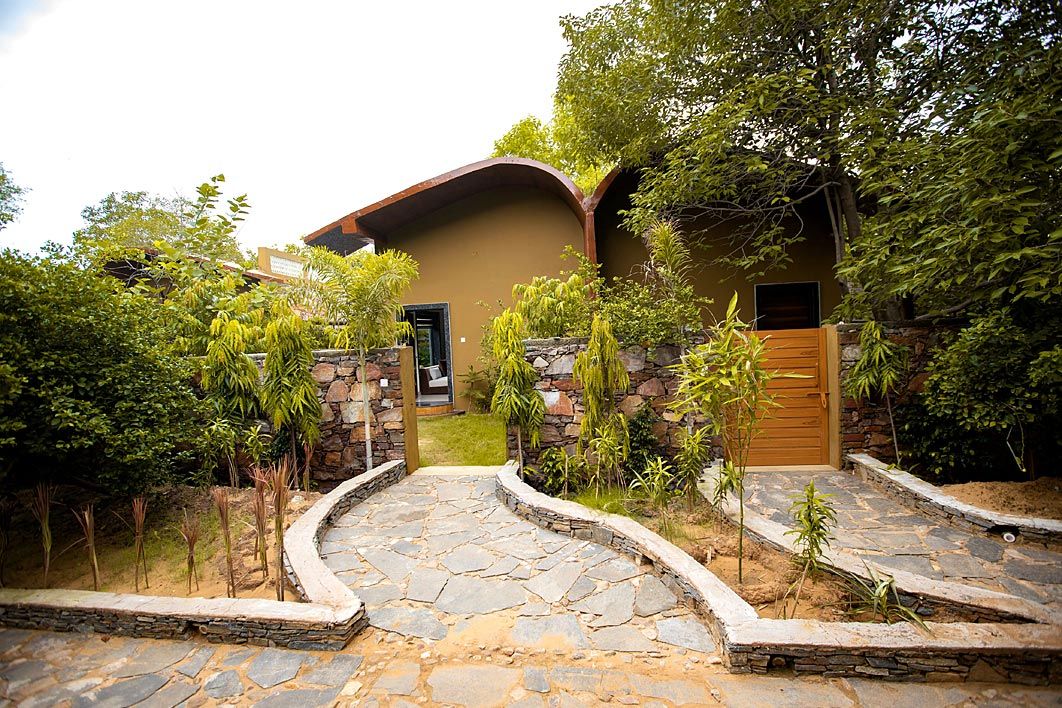
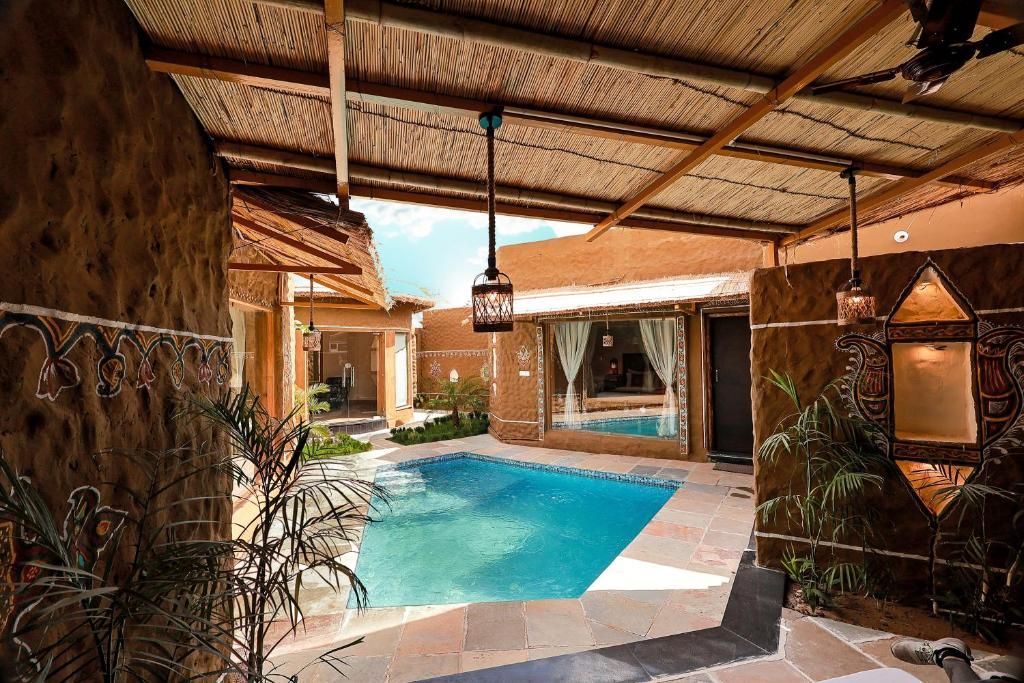
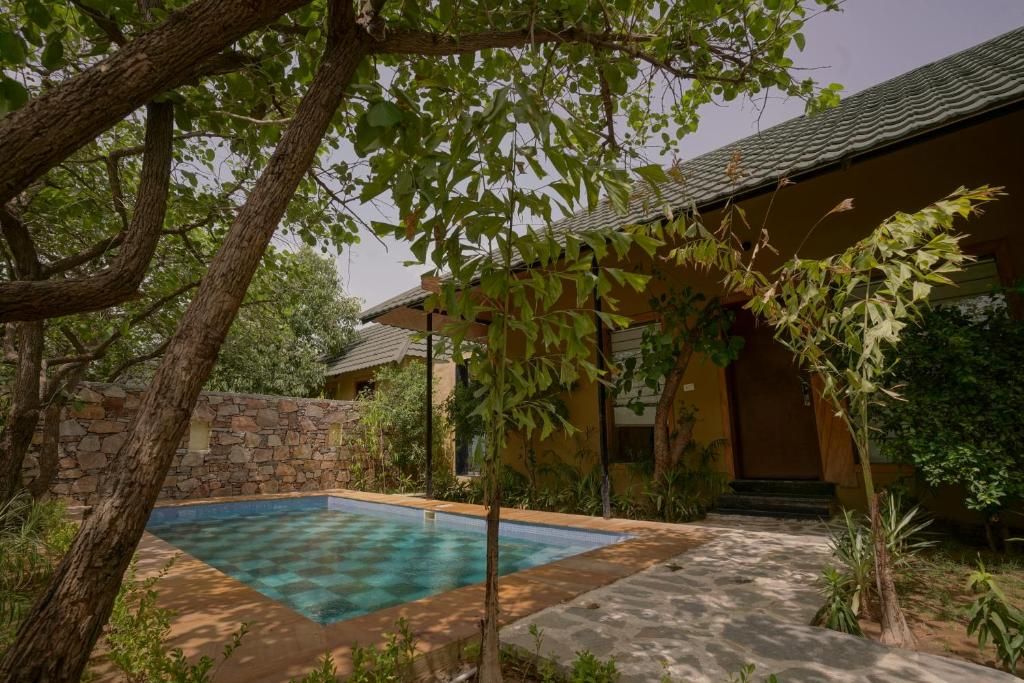
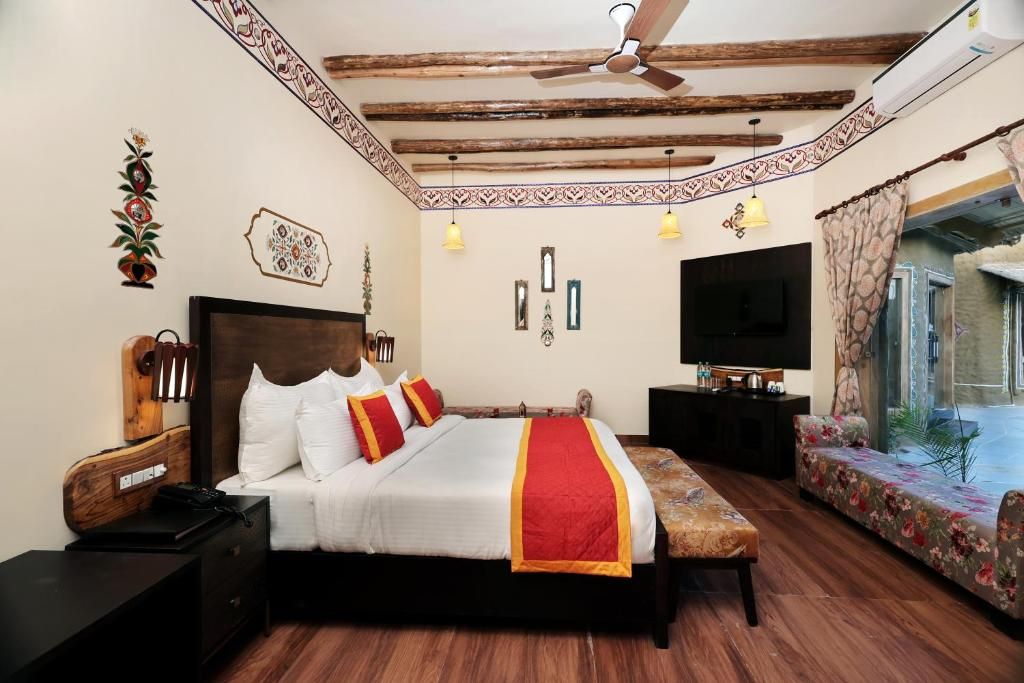
Stays near Varah Ghat
Book a place to stay close by
More places near Varah Ghat
Within 20 km
Built from 0 Instagram posts by 0 creators. Every tip links back to the post it came from, and where creators disagree we show both sides.






