
Velas Beach
Beach near Diveagar, Maharashtra
5.9 km from Diveagar
The nearest town, for stays, food and fuel.
Velas Beach is a scenic, unhurried coastal stretch situated near Srivardhan along the Konkan coast of Maharashtra. Widely known for its community-driven Olive Ridley sea turtle conservation program, the beach draws nature lovers who come to witness the release of tiny hatchlings into the Arabian Sea. It provides a peaceful retreat surrounded by betel nut groves, quiet village lanes, and gentle ocean breezes.
Getting there
By road
- From DiveagarNearest town20 min · 11 km
- From Mumbai 3 hr 15 min · 156 km
- From Pune3 hr 50 min · 162 km
- From Nashik6 hr 35 min · 358 km
Typical drive times without traffic. Stations and airports from OLA Maps; distances and typical drive times from OpenStreetMap (© OpenStreetMap contributors); notes from creators' Reels.
About Velas Beach
Written with AI from map data and general knowledge. Check prices and timings locally before you go.
What makes Velas Beach special
Velas Beach stands apart from the typical commercial shorelines of coastal Maharashtra. Tucked into the foothills where the Western Ghats meet the Arabian Sea, this beach is framed by soft sand, swaying casuarina trees, and thick orchards of coconut and betel nut palms. The atmosphere here remains quiet and authentic, reflecting traditional Konkan village culture where daily life moves at a calm, natural pace.
Beyond its natural beauty, Velas is celebrated across India as a symbol of grassroots conservation. For years, local villagers and conservationists have safeguarded the nesting sites of endangered Olive Ridley turtles. Instead of loud beachfront shacks or noisy water sports, visitors find a wide, open shore where birds flit across coastal wetlands and the primary sound is the rhythm of rolling waves.
Olive Ridley sea turtles at Velas
The nesting and hatching season of the Olive Ridley turtles is the main highlight at Velas Beach. Female turtles emerge from the sea under the cover of night during the cooler winter months to dig deep nests in the sand and lay dozens of eggs. Local conservation volunteers carefully monitor the shoreline, transferring vulnerable nests to secure hatcheries protected from high tides, strays, and human interference.
As the eggs incubate over several weeks, the hatchlings begin to break through their shells. Release sessions usually take place during early mornings and late afternoons under careful supervision, allowing visitors to watch tiny hatchlings make their instinctual crawl across the wet sand into the rolling waves. It is an awe-inspiring educational experience that highlights how rural communities can successfully protect fragile marine ecosystems.
Read more
Best time to visit Velas Beach
The best period to plan a trip to Velas Beach is between November and April. During these months, the coastal weather remains pleasant, with bright sunny days, cool ocean breezes, and comfortable nights. The specific window for turtle hatching generally spans from February to April, making late winter and early spring the most sought-after time for travellers hoping to witness baby turtles heading to sea.
The monsoon season from June to September brings heavy rains that transform the surrounding hills and countryside into an emerald landscape. While the shoreline becomes dramatic and lush during this period, high tides and rough ocean conditions mean that turtle nesting does not take place and sea swimming is not safe. The post-monsoon months of October and November offer crisp, green scenery and peaceful walks before the winter crowds arrive.
How to reach Velas Beach
Velas Beach can be reached by road from major cities in Maharashtra, including Mumbai and Pune. Travellers driving from Mumbai typically take the Mumbai-Goa Highway toward Mangaon before turning toward the coast through picturesque mountain passes and quiet rural roads. The route from Pune usually winds through the scenic Tamhini Ghat or Varandha Ghat down into the Konkan plain.
For those travelling via coastal routes, local vehicle ferries operate across nearby creeks, such as the crossing between Agardanda and Dighi, cutting down driving distance and offering scenic water views along the way. If you prefer rail travel, the nearest major railway stations are located along the Konkan Railway line at Mangaon and Roha. From these stations, state transport buses, local shared jeeps, and private taxis provide onward connections to Srivardhan and the surrounding villages.
Things to do at Velas Beach
The primary activity at Velas is taking unhurried morning and sunset walks along the expansive shoreline. Watching the sun sink into the Arabian Sea while fishermen haul in their daily catch provides an intimate glimpse into the traditional coastal lifestyle. Nature enthusiasts can spend quiet hours watching wetland and shore birds, as the estuaries and tidal mudflats nearby host numerous resident and migratory avian species.
Exploring the village itself is equally rewarding. Velas retains traditional Konkan architecture with red-tiled roof homes, open verandas, and lush courtyards filled with spice plants, jackfruit trees, and mango orchards. Taking a guided walk through the village lanes allows you to learn about local culture, agrarian customs, and community conservation practices directly from residents.
Places to visit near Velas Beach
A trip to Velas can easily be combined with exploring several prominent coastal destinations in the region. The historic Janjira Fort, an imposing sea fortress situated off the coast near Murud, is easily accessible via ferry routes from the Dighi and Agardanda areas. The fort features massive stone ramparts that rise directly from the sea and survived centuries of naval sieges.
Further south lies the sacred coastal town of Harihareshwar, renowned for its ancient temple dedicated to Lord Shiva and its striking rocky coastal pradikshina path carved by oceanic waves. Nearby stretches like Dighi Beach, Kashid Beach, and Revdanda Beach offer diverse coastal scenery, while ancient ruins such as the Khokhri Tombs and inland reservoirs like Khar Amboli Dam present interesting detours for travellers interested in regional history and quiet landscapes.
Tips for your visit
When visiting Velas Beach during turtle season, it is vital to respect all conservation protocols. Visitors must maintain a safe distance from hatchlings, never touch the baby turtles, and avoid using flash photography or artificial lights that can disorient young turtles trying to reach the ocean water. Following the instructions of local conservation volunteers ensures these vulnerable marine creatures are protected.
Because Velas is a quiet rural hamlet, modern amenities are basic. Mobile network coverage can be intermittent across different service providers, and ATMs are scarce, so carrying adequate cash for daily expenses and transport is advisable. Pack comfortable cotton clothing, sturdy sandals, a wide-brimmed sun hat, eco-friendly sunscreen, and a reusable water bottle to minimize plastic waste in this fragile coastal habitat.
Where to stay near Velas Beach
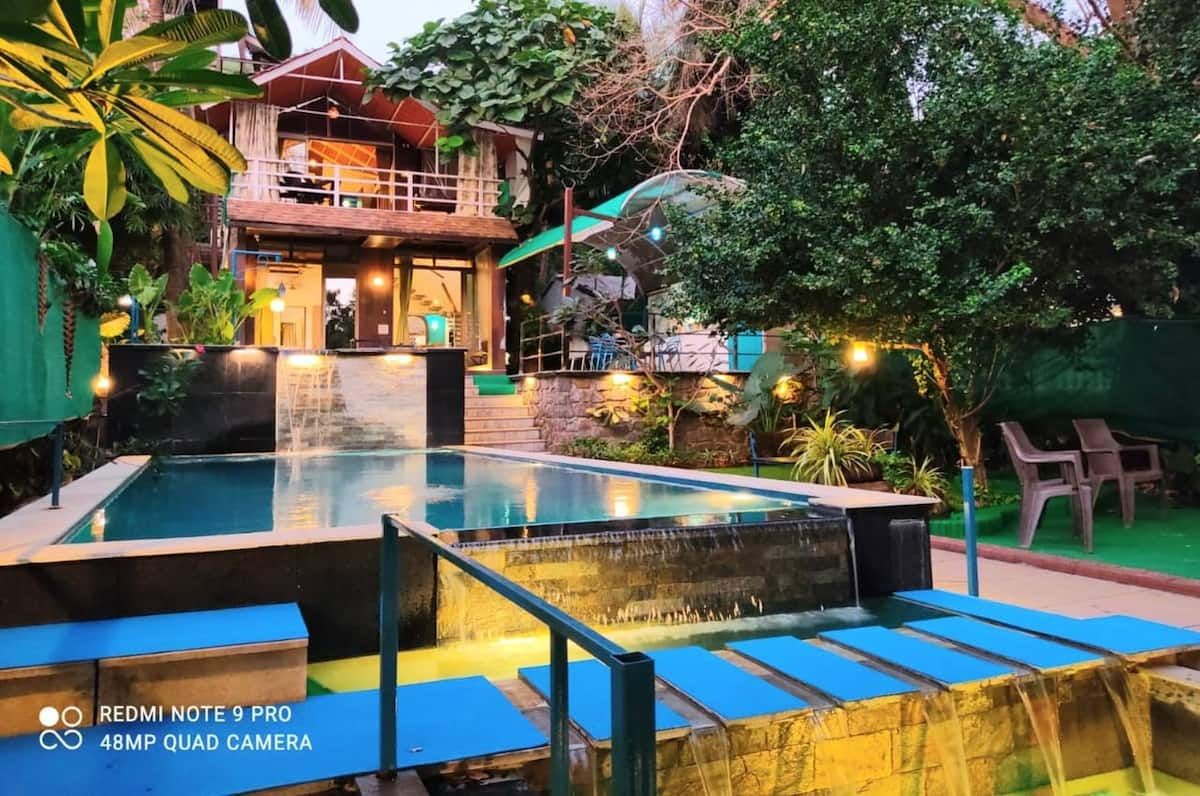
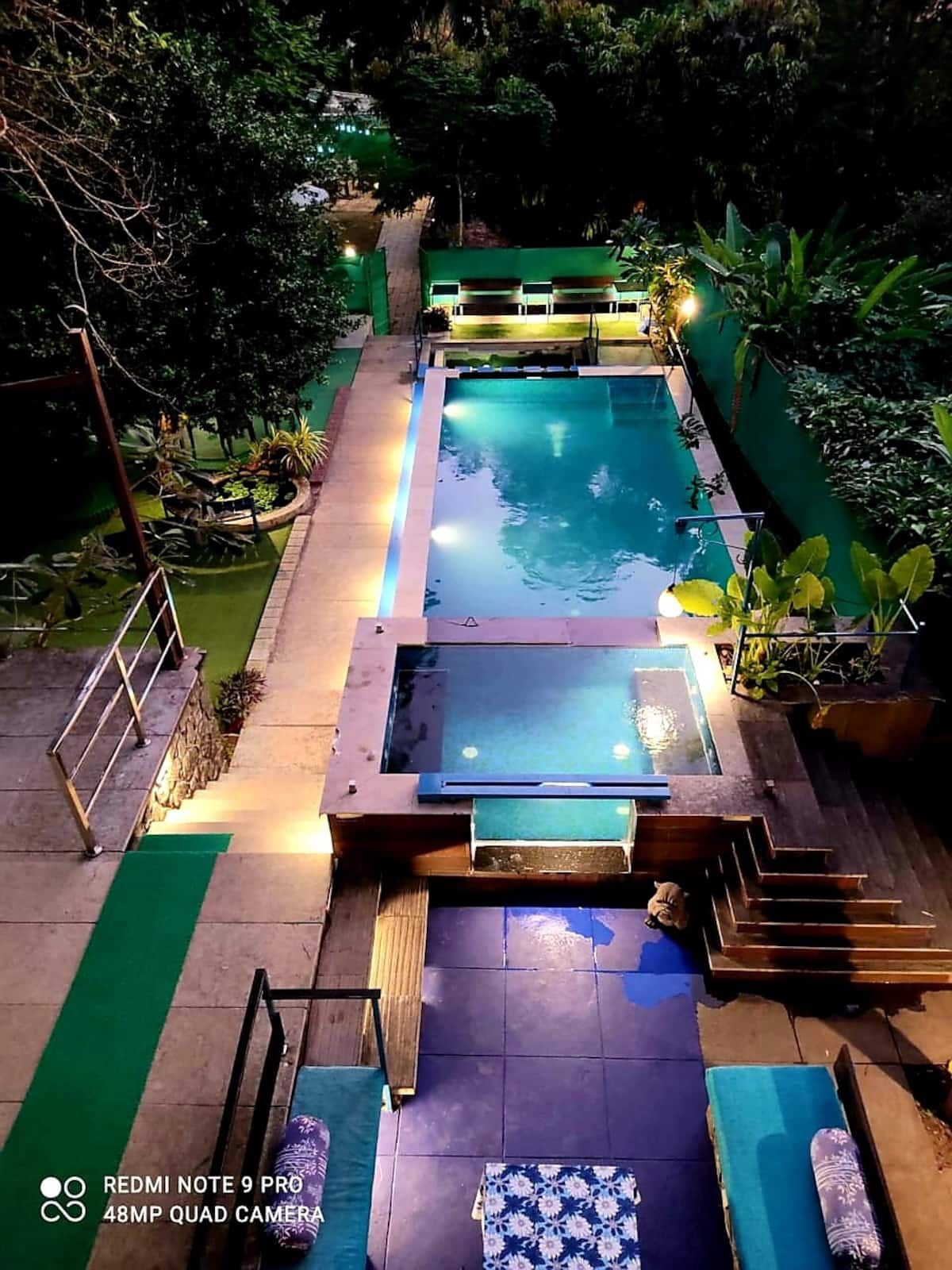
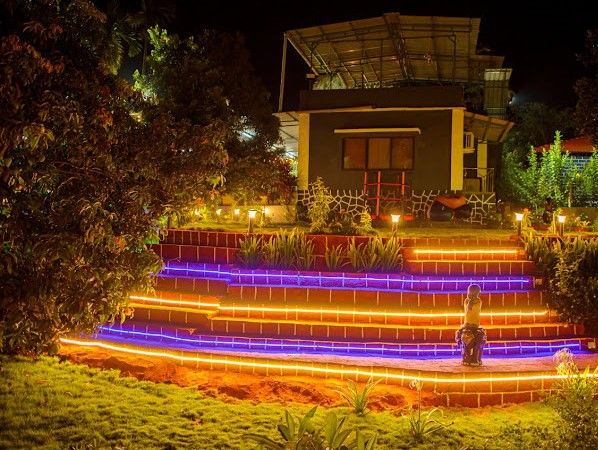
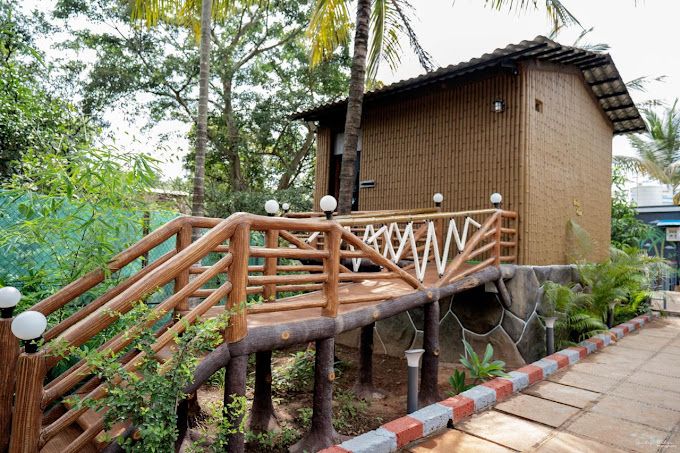
Accommodation around Velas and the nearby Srivardhan coast consists predominantly of warm, family-run homestays, rustic cottages, and eco-friendly camping sites nestled among palm orchards. Staying in a village homestay allows travellers to enjoy authentic Konkan hospitality, including freshly prepared home-cooked meals featuring regional spices, sol kadhi, and locally grown produce.
Travellers looking to book verified rustic homestays, seaside camping grounds, and peaceful nature stays near Velas Beach and the surrounding coastal belt can explore the options available on HireACamp to plan their getaway.
Frequently asked questions
When is the turtle festival held at Velas Beach?
The turtle hatching season typically takes place between February and April each year. Release timings depend entirely on nature and nest incubation, with sessions usually organized during early mornings and late afternoons.
Is swimming permitted at Velas Beach?
Swimming is generally discouraged at Velas Beach due to strong undercurrents, shifting sandbanks, and the need to preserve the shoreline for nesting wildlife. Visitors usually enjoy wading in shallow ankle-deep water or walking along the hard-packed sand.
Can I touch the baby turtles during release sessions?
No, touching or handling the hatchlings is strictly prohibited to prevent infections and disorientation. Visitors must watch the release from behind designated viewing barriers under the supervision of conservation volunteers.
What kind of food is available in Velas?
Food in Velas is primarily traditional Konkani home-cooked fare served at local homestays. Meals commonly feature rice, rotis, seasonal vegetable preparations, coastal curries, and regional seafood dishes.
Are there ATMs and digital payment facilities in Velas?
Mobile data networks can be erratic and there are no direct ATMs on the beach, so digital payments may fail. It is best to withdraw sufficient cash in larger towns like Mangaon or Srivardhan before arriving.
Where you'll be
Srivardhan · 4 stays nearby shown with prices
Stays near Velas Beach
Book a place to stay close by
More places near Velas Beach
Within 20 km


Lists for this area
Ranked by how many creators recommend each place


Built from 0 Instagram posts by 0 creators. Every tip links back to the post it came from, and where creators disagree we show both sides.


