Colonial Heritage Sites near Bajhet
This guide highlights historic colonial heritage sites near Bajhet, tracing architectural landmarks from the heart of Dehradun to the tranquil ridgelines of Landour. It is designed for history enthusiasts, architecture admirers, and travellers seeking vintage churches, grand forestry institutions, and storied mountain estates across the Garhwal foothills.
Colonial landmarks in the Doon Valley
A journey through colonial heritage near Bajhet begins on the valley floor around Dehradun, situated between 7 and 10 km away. The Forest Research Institute stands out as a monumental architectural highlight in the region. Designed in an expansive Greco-Roman colonial style, its massive brick main building, quiet courtyards, and tree-lined avenues draw architecture enthusiasts and sightseers alike. Walking its forested grounds offers a peaceful look into historic scientific forestry campuses in India. Deeper in the city center stands the Clock Tower, known locally as Ghanta Ghar, located about 7 km from Bajhet. Marking the confluence of several older avenues, this monument provides a vibrant window into the region's urban heritage and street atmosphere.
Heritage architecture along the Landour ridge
Travelling uphill toward the Mussoorie range brings visitors to Landour, approximately 13 km from Bajhet. This quiet cantonment settlement retains an unspoiled mountain charm shaded by towering deodars and oaks, offering wide views of distant Himalayan summits. The ridge is renowned for its historic churches, including St. Paul's Church (CNI) and Kellogg Memorial Church, both situated roughly 14 km from Bajhet. St. Paul's Church, dating to the nineteenth century, is an Anglican landmark enveloped in pines that reflects classic cantonment design. Kellogg Memorial Church features distinct Gothic stone architecture and commemorates the area's early Presbyterian and literary history. Nearby at Sisters Bazaar, Landour Bakehouse sits amidst historic residences, serving as a nostalgic stop along the area's tranquil walking trails.
Historic hill estates and viewpoints
Historic residences situated on the slopes and ridges around Bajhet combine architectural legacy with expansive vistas. Located about 16 km away in Khanij Nagar, George Everest House occupies a stark, panoramic ridge. Once the home and laboratory of Sir George Everest, Surveyor General of India, the estate invites travellers to examine early surveying history, wander restored rooms, and hike towards the crest of George Everest Peak. Lower down the forested slopes, approximately 10 km from Bajhet, sits Jharipani Castle in the hamlet of Jharipani. Surrounded by oak and pine woodlands, this heritage-style estate overlooks the Doon Valley, offering a quieter perspective on early colonial settlements away from major roads.
Best time to visit
The colonial heritage sites near Bajhet can be visited throughout the year, with each season offering a different perspective. Spring from March to May brings comfortable daytime temperatures, ideal for walking the extensive grounds of the Forest Research Institute and exploring open mountain lanes. Autumn from late September through November is known for clear skies, providing the sharpest views of the Garhwal Himalaya from George Everest House and the Landour ridges. Winter introduces a cold, quiet atmosphere with crisp mountain breezes, while the monsoon cloaks the deodar forests in mist and greenery, though mountain roads require attentive driving during prolonged rain.
Tips for your trip
Distances between these heritage sites range from 7 to 16 km from Bajhet, but transit times depend heavily on winding hill roads and local traffic conditions. Wearing comfortable walking shoes is strongly recommended, as locations like Landour, the grounds of the Forest Research Institute, and the ridge paths at George Everest House are best explored on foot. While walking circuits are generally open, access to building interiors, exhibitions, or specific estate grounds can vary, so it is best to verify opening guidelines and local rules before setting out.
Where to stay near Bajhet
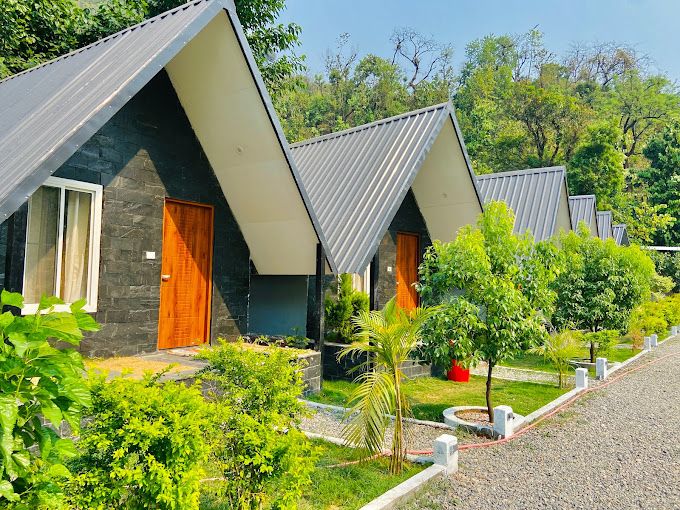
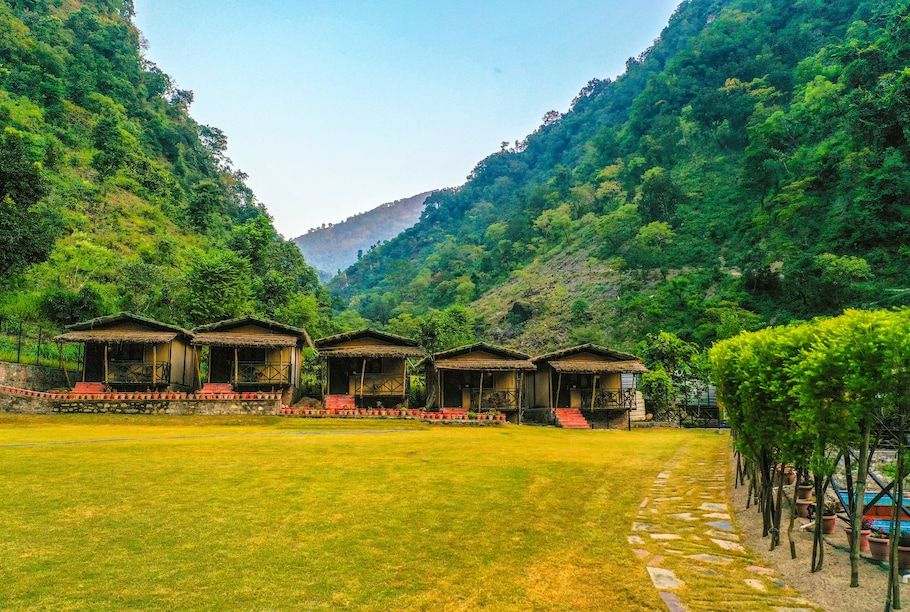
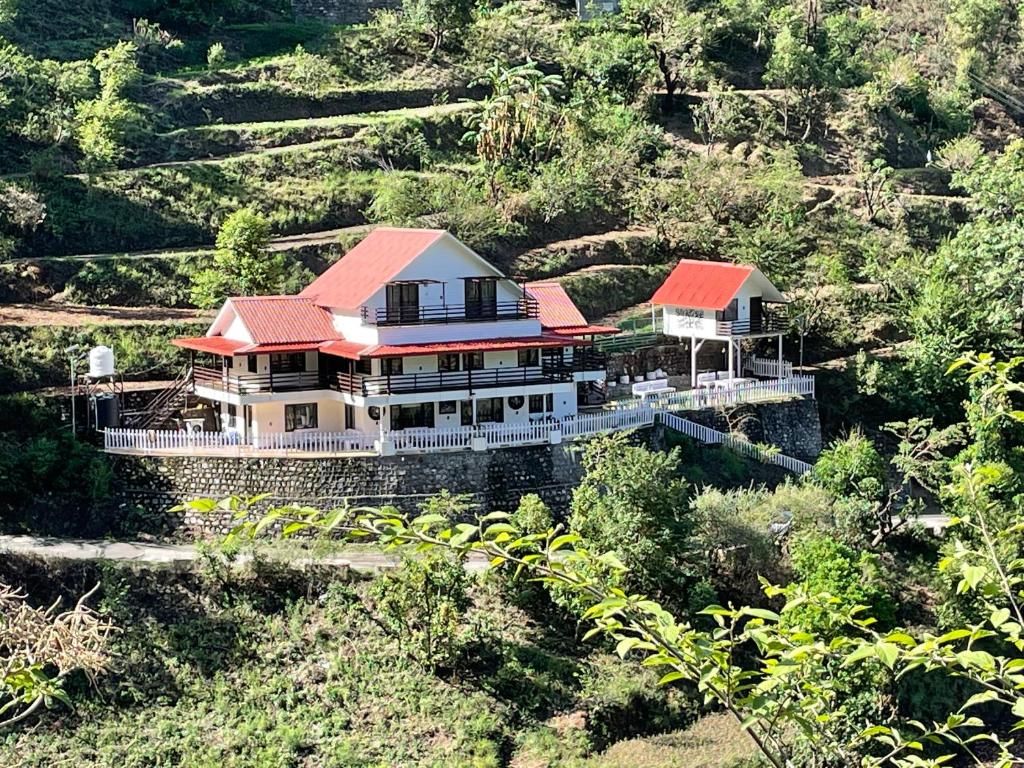
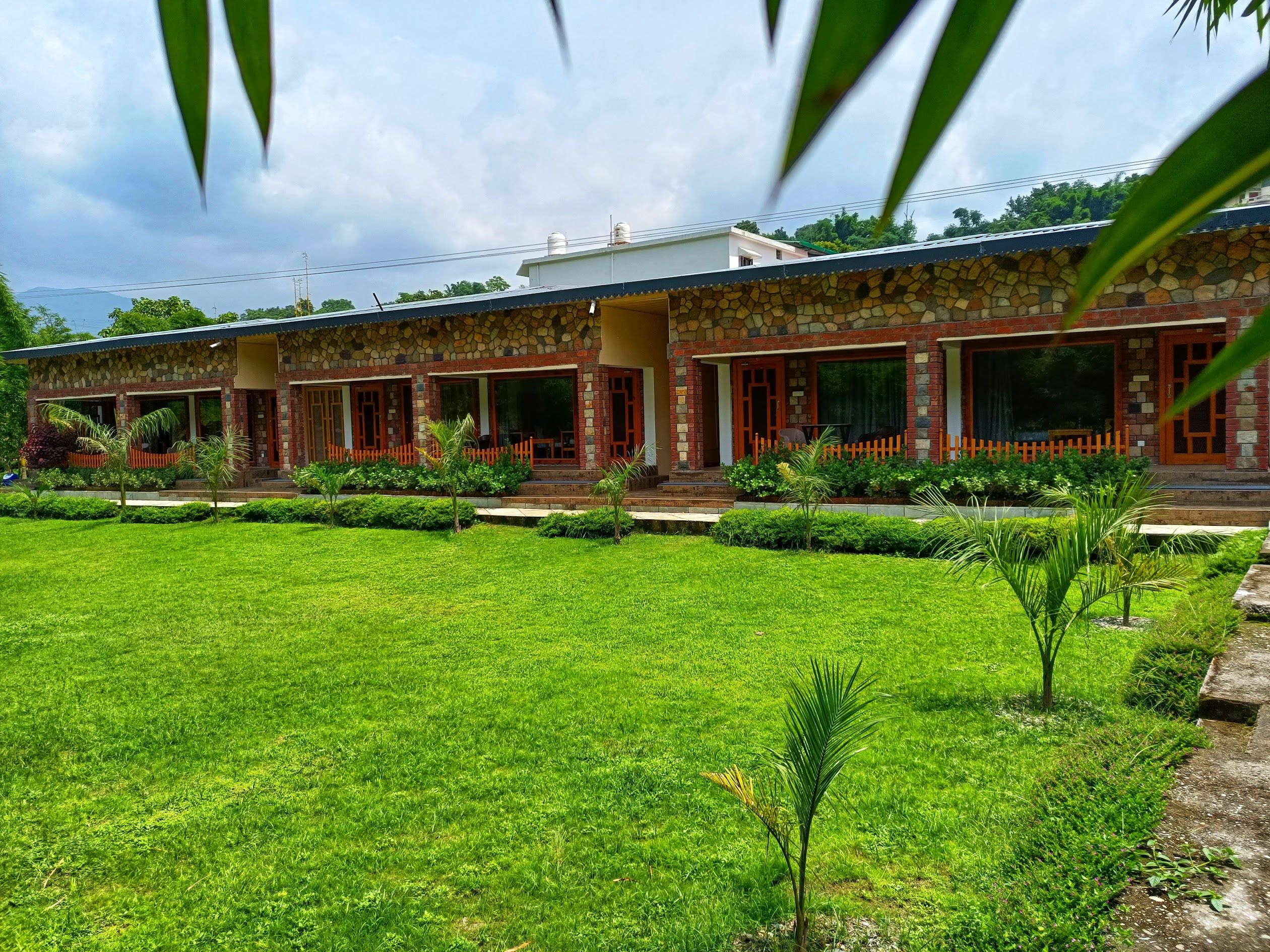
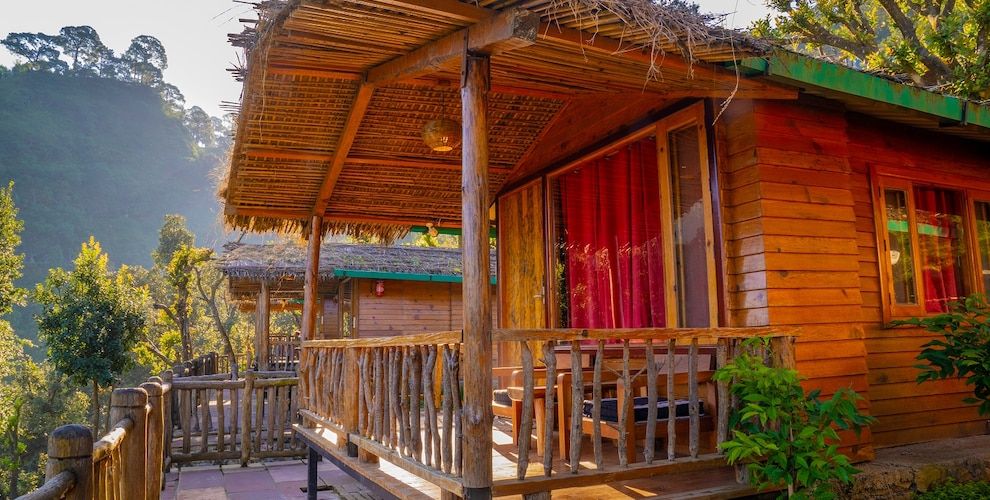
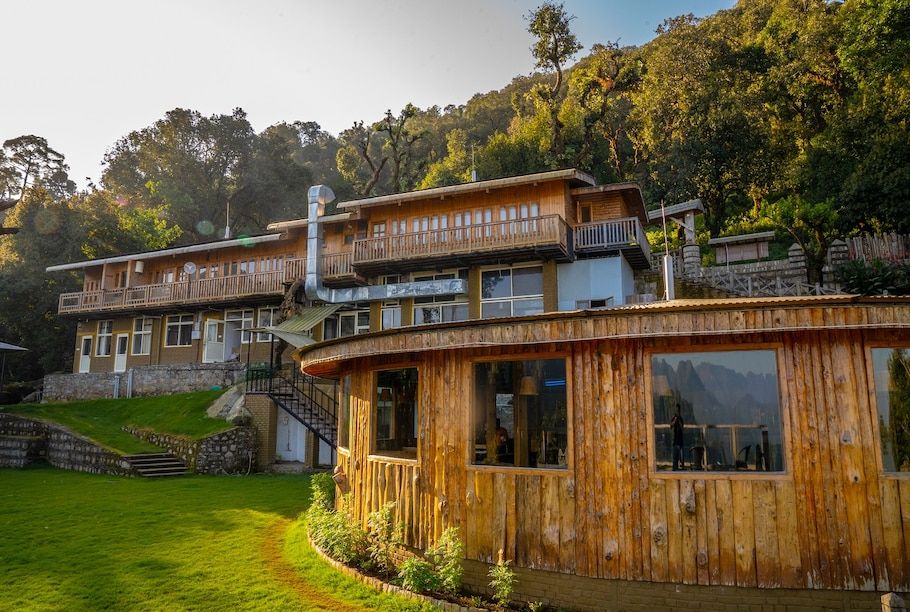
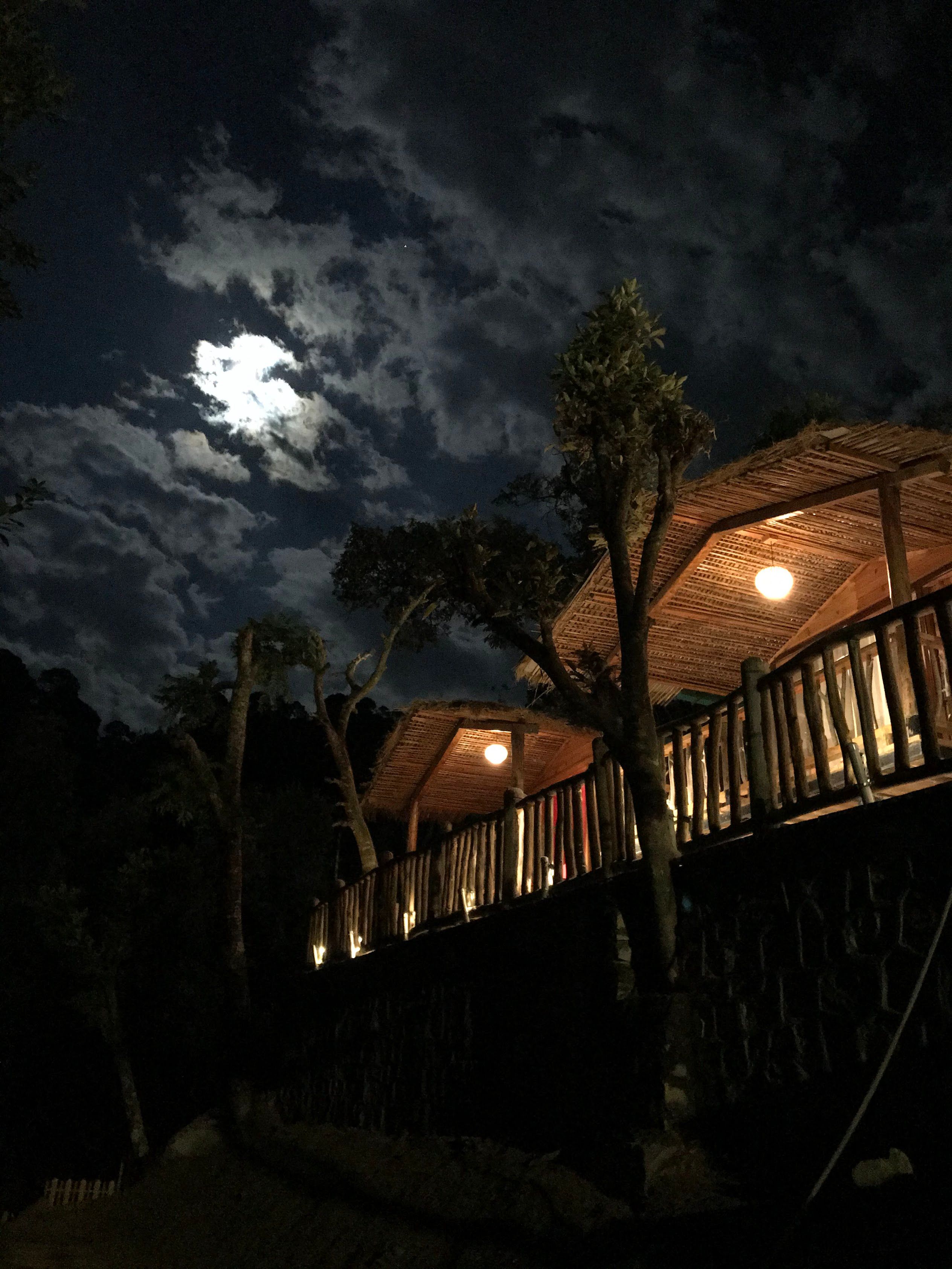
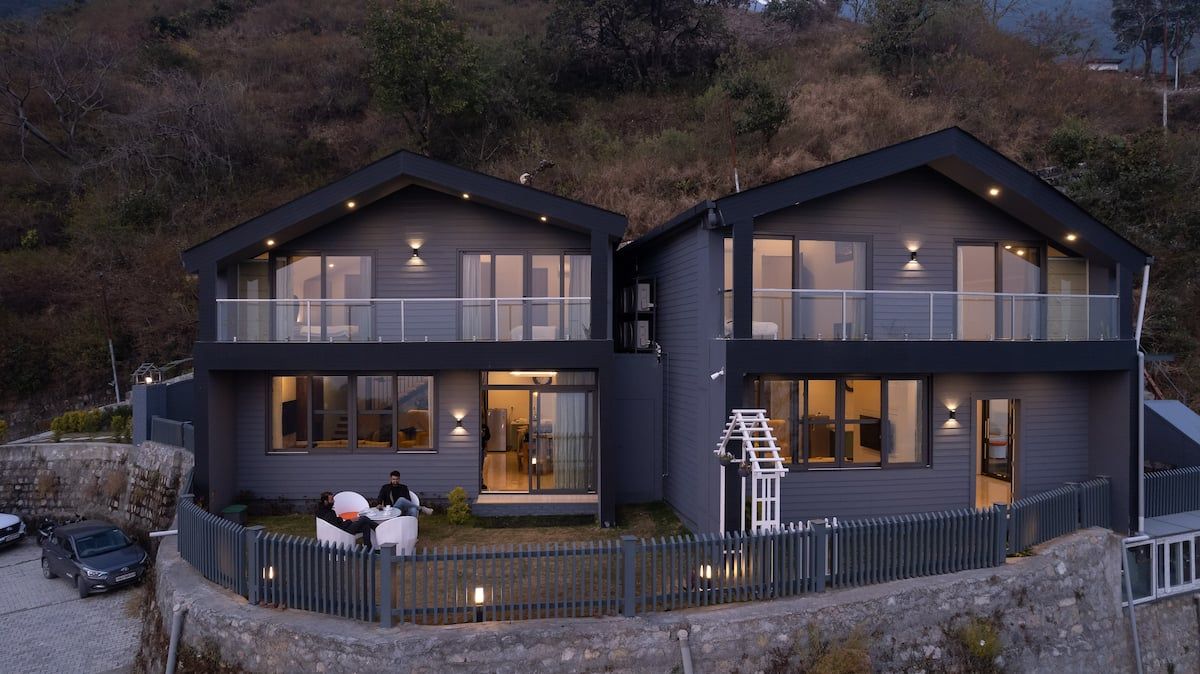
Travellers wishing to base themselves near historic estates, churches, and viewpoints around Bajhet can choose from a range of relaxing accommodation options. A variety of scenic outdoor camps, mountain homestays, and quiet retreats throughout the surrounding hills and valley are available to explore and book through HireACamp.
Written with AI from creators' posts and map data. Check prices and timings locally before you go.
8 places · 24 creator recommendations · Updated today
Ranked by how many independent creators recommend each place, not by who paid. The list updates itself as new posts come in.


Frequently asked questions
Which colonial heritage sites are closest to Bajhet?
Clock Tower at about 7 km and Forest Research Institute at about 10 km are the closest colonial-era landmarks to Bajhet.
Can you explore the heritage sites in Landour on foot?
Yes, historic landmarks in Landour such as St. Paul's Church (CNI), Kellogg Memorial Church, and Landour Bakehouse are connected by scenic, pedestrian-friendly forest lanes.
What is the historical significance of George Everest House?
George Everest House served as the residence and observatory of Sir George Everest, Surveyor General of India, who conducted critical mapping work from this panoramic Mussoorie ridge.
What architectural style is the Forest Research Institute built in?
The main building of the Forest Research Institute is celebrated for its monumental Greco-Roman colonial design, surrounded by sprawling formal lawns and forested avenues.
What is the best season to explore colonial architecture around Landour?
Autumn and spring provide the most pleasant weather, clear valley views, and ideal conditions for walking among the historic churches and heritage properties of the ridge.
Stays near Bajhet
Make a trip of it