Temples near Dwara
This curated guide explores temples near Dwara, spanning revered cave shrines, historic hilltop sanctuaries, and tranquil riverbanks across the foothills of Uttarakhand. It suits spiritual seekers, trekkers, and cultural travellers looking to explore sacred heritage and mountain vistas around the Doon Valley and Garhwal ridges.
30 places · 11 creator recommendations · Updated today
Ranked by how many independent creators recommend each place, not by who paid. The list updates itself as new posts come in.


About this list
Written with AI from creators' posts and map data. Check prices and timings locally before you go.
Top picks among temples near Dwara
Tapkeshwar Mahadev Mandir sits about 11 km from Dwara on the outskirts of Dehradun, making it one of the most frequently recommended sites in the area. The temple is set inside a natural cave where continuous drops of water drip over the Shiva Lingam beside a flowing mountain river, with riverside statues dotting the surroundings.
Further into the mountains, Bhadraj Temple stands along the western ridge beyond Mussoorie, roughly 24 km from Dwara. Dedicated to Lord Balbhadra, this elevated shrine requires a scenic ridge walk where pilgrims and hikers take in expansive perspectives of the Doon Valley and the Jaunsar Bawar region.
Another prominent high-altitude destination is Surkanda Devi Mandir near Dhanaulti, located about 19 km from Dwara. Perched at roughly 2,750 metres, this sacred Shakti Peetha dedicated to Goddess Parvati offers clear vistas of snow-capped Himalayan peaks and deep valley contours.
Woodland shrines and hill temples
The landscape surrounding Dwara also features serene shrines tucked into valleys and woodlands. Neelkanth Mahadev Temple, located about 29 km away near Rishikesh, is set amid forested ridges where tradition holds that Lord Shiva consumed the celestial poison. The winding hill approach and dramatic valley scenery draw both devotees and nature lovers throughout the year.
Near Moldhar, approximately 26 km from Dwara, Koneshwar Temple offers a calm woodland retreat. Reached via an atmospheric path sheltered by dense deodar trees, this Shiva temple provides a quiet environment for contemplation in the Garhwal hills.
Closer to the base of the Doon Valley, Laxman Siddh Peeth and Kalu Siddh Temple, situated roughly 9 km and 11 km from Dwara respectively, represent ancient Siddh shrines framed by Sal and foothill forests, offering peaceful natural environments away from crowded routes.
Read more
Best time to visit
The climate around Dwara and the neighbouring Garhwal hills varies significantly by altitude and season. Autumn, spanning October and November, brings crisp air, comfortable daytime temperatures, and clear skies that provide sharp views of the Himalayan ranges from ridge temples like Surkanda Devi Mandir and Bhadraj Temple.
Winter months from December to February bring brisk conditions, with high ridges occasionally experiencing frost and cold winds, suitable for those prepared with warm layers.
Spring and early summer from March to May offer pleasant travel weather, though riverbed sites like Tapkeshwar Mahadev Mandir become particularly lively during major festivals. The monsoon months from July to September cloak the forests in green and swell the streams, though mountain roads require cautious driving during periods of heavy rain.
Tips for your trip
When planning visits to temples in this mountainous region, footwear is an important consideration. Hilltop temples such as Bhadraj Temple involve sustained walks along mountain paths, so supportive walking shoes with good tread are beneficial.
Because high ridges can experience sudden changes in weather and temperature drops, carrying an extra warm layer and rain protection is practical regardless of the season. Visitors should confirm local road conditions, particularly when driving along winding hill routes toward Dhanaulti or Rishikesh.
Respectful attire is customary across all shrines in Uttarakhand. Many temples also require visitors to leave footwear outside the sanctum, so carrying slip-on shoes or socks can be helpful when walking on cold stone floors.
Where to stay
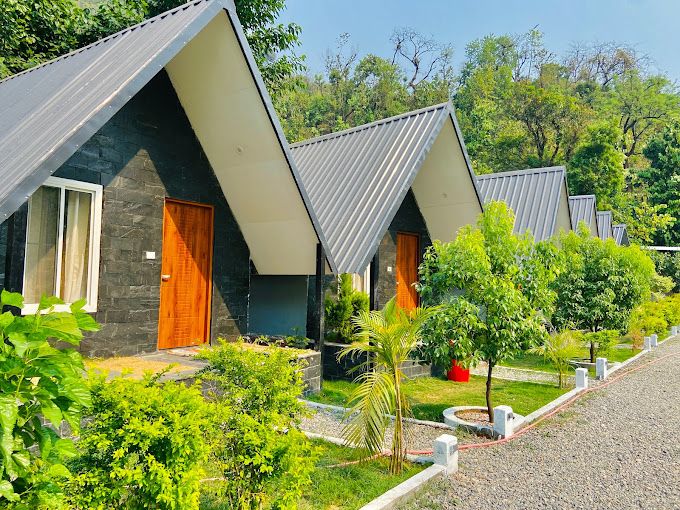
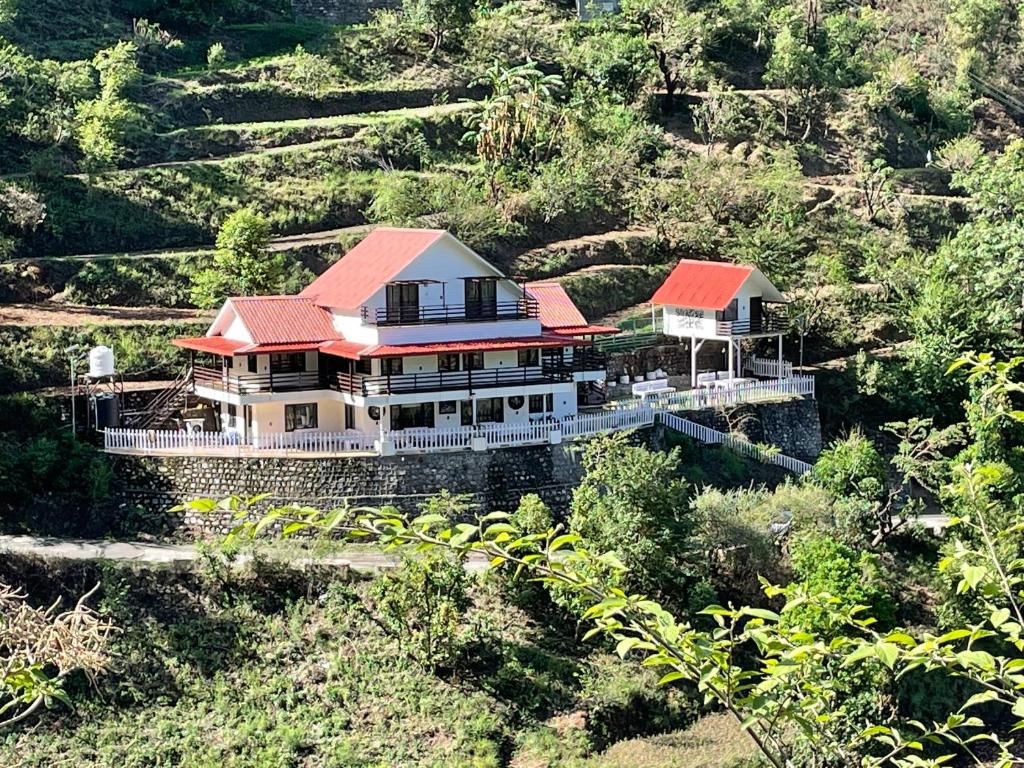
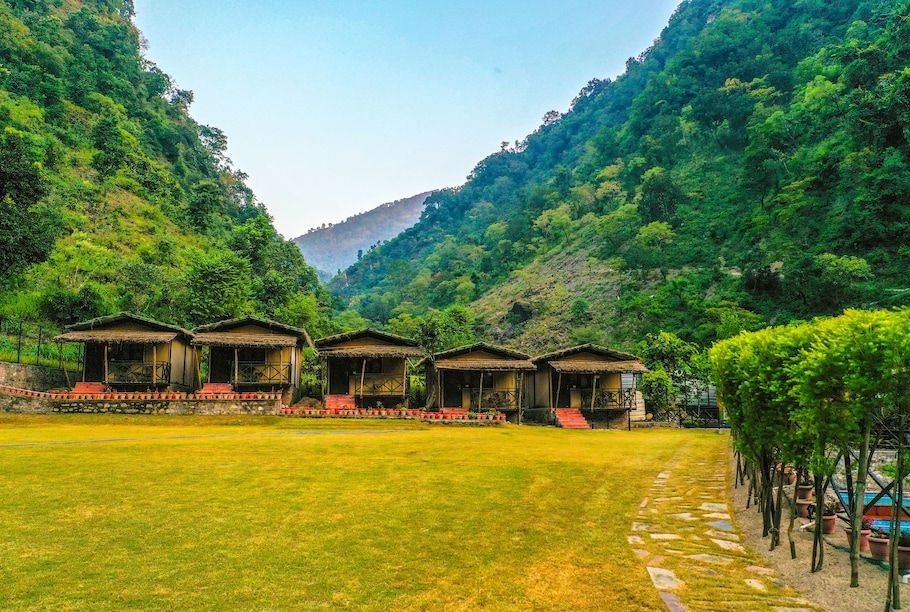
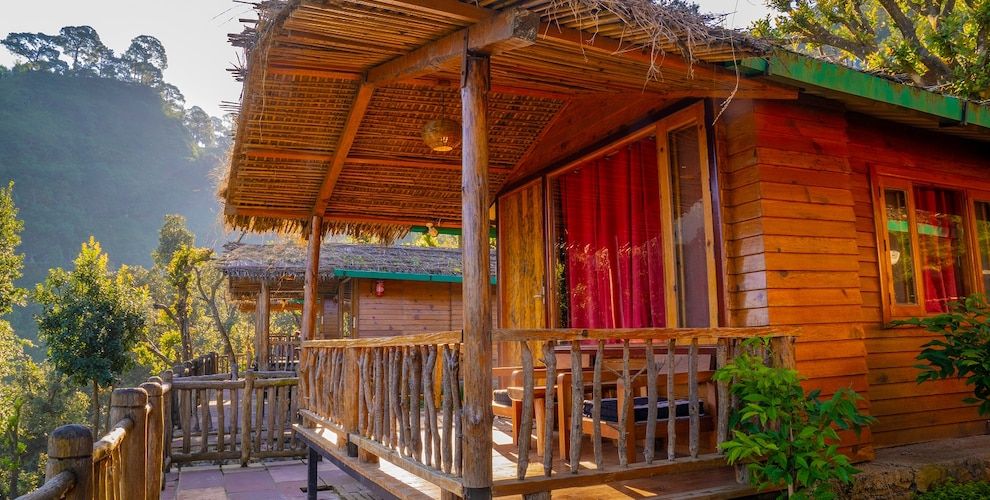
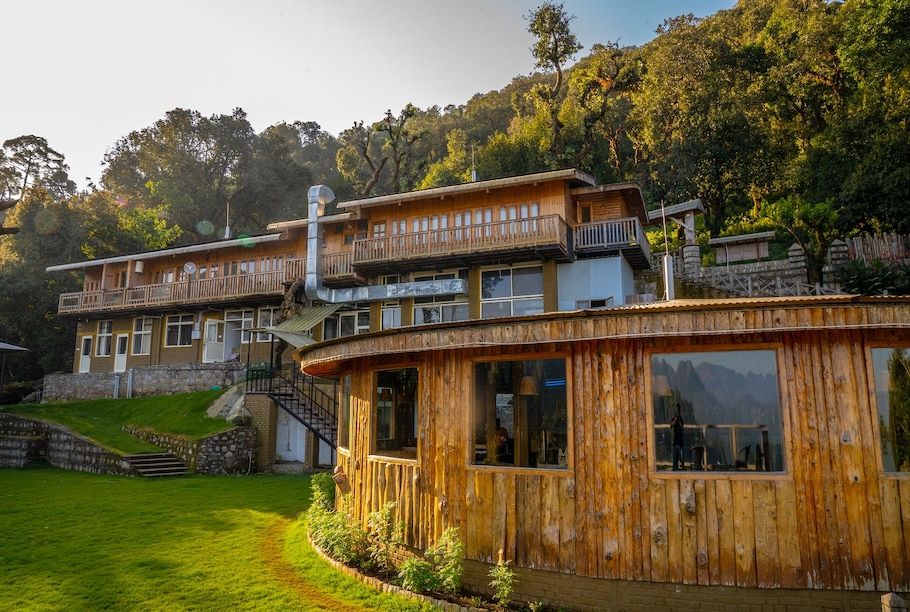
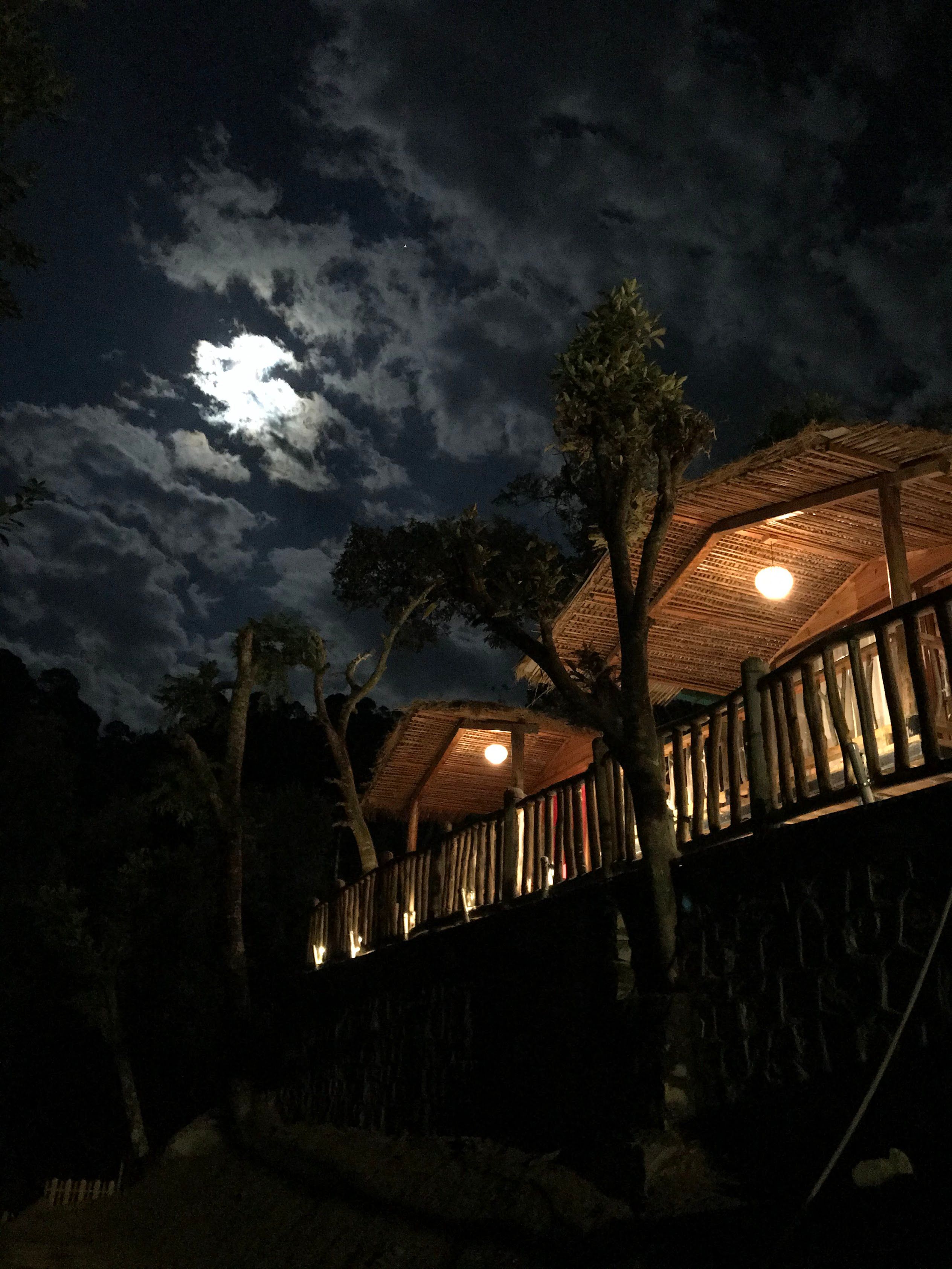
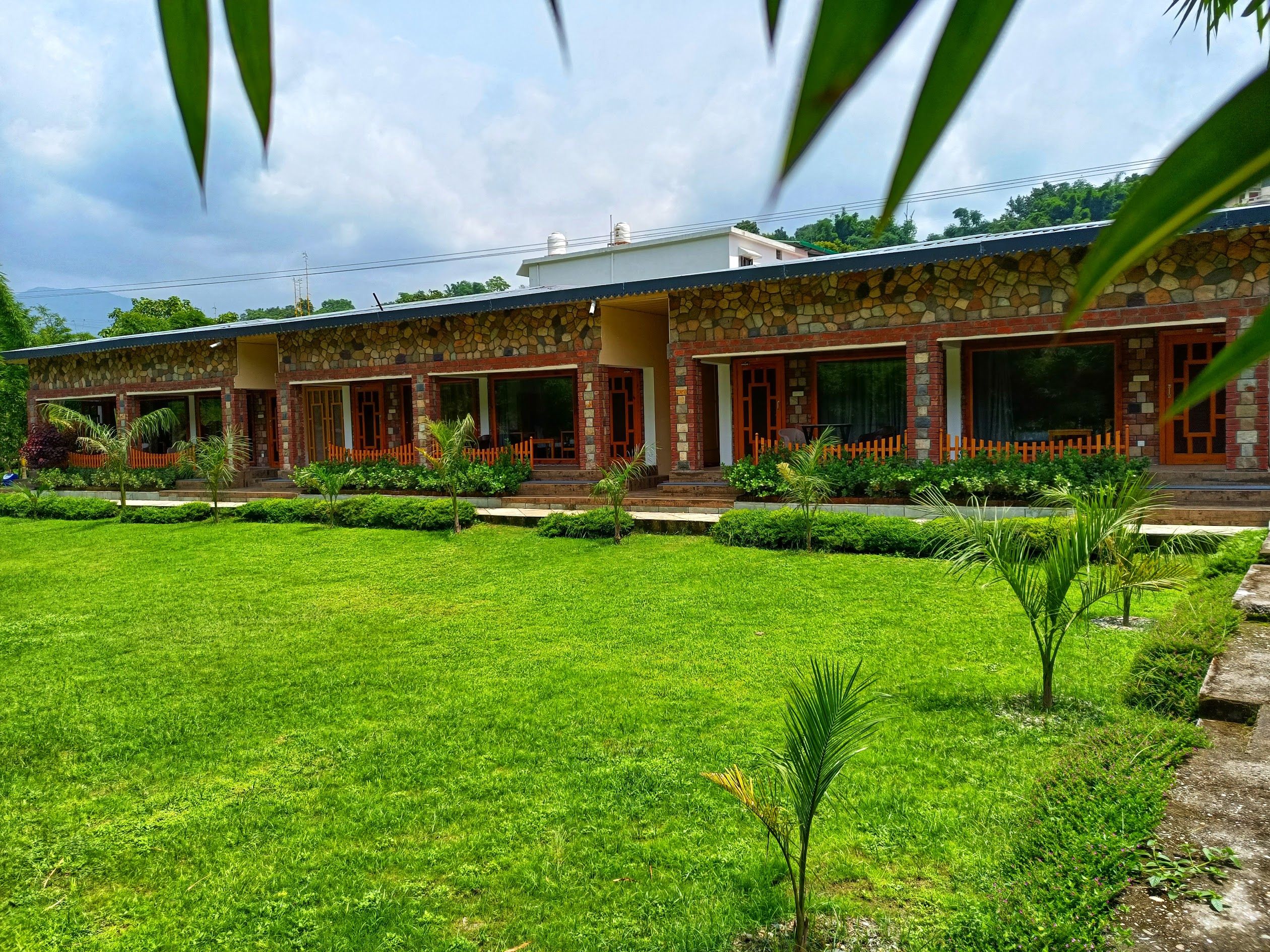
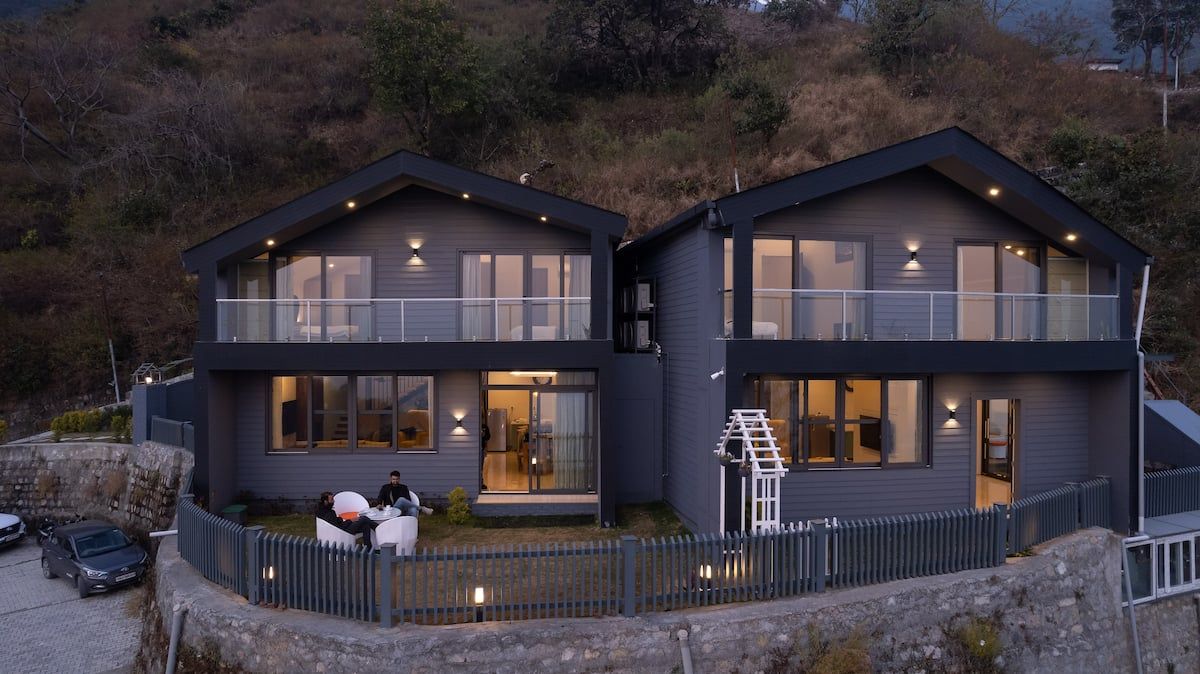
Finding a base near Dwara allows easy access to both quiet foothill temples and high mountain ridges. Travellers looking for immersive outdoor experiences, homestays, and rustic camping sites across the surrounding hills and valleys can explore curated accommodations on HireACamp. Staying nearby provides the flexibility to reach trailheads and vantage points early in the day before roads become busy.
Frequently asked questions
What is the most visited temple near Dwara?
Tapkeshwar Mahadev Mandir, situated about 11 km from Dwara, is one of the most frequently visited shrines in the area, known for its natural cave sanctum and riverside setting.
Which temples near Dwara involve a trek or mountain walk?
Bhadraj Temple requires a scenic ridge walk across the hills beyond Mussoorie, while Koneshwar Temple is reached via a trail through deodar forests near Moldhar. Surkanda Devi Mandir also involves a steep climb from the roadhead near Dhanaulti.
Can Surkanda Devi Mandir and Bhadraj Temple be visited year-round?
Both shrines are accessible during most months, though winter brings cold winds and occasional snowfall on upper slopes, and summer brings clear walking conditions. Travellers should check local mountain weather and road conditions before setting out.
What are the Siddh shrines located close to Dwara?
Laxman Siddh Peeth and Kalu Siddh Temple are two historic Siddh shrines located within roughly 11 km of Dwara, both set amidst tranquil foothill forests in the Doon Valley.
How should travellers prepare for visits to hilltop shrines near Dwara?
Visitors should wear sturdy walking shoes for uneven stone trails and ridge paths, carry drinking water, and bring warm layers, as temperatures drop quickly at higher elevations like Surkanda Devi and Bhadraj.
Stays near Dwara
Make a trip of it