Colonial heritage spots near Dwara
This guide highlights historic colonial estates, civic landmarks, and nineteenth-century stone churches located within 50 km of Dwara. Spanning the floor of the Doon Valley up to the forested ridges of Landour and Mussoorie, the list suits architecture enthusiasts, history buffs, and travellers seeking scenic mountain walks.
Colonial architecture across the Doon Valley and Garhwal ridge
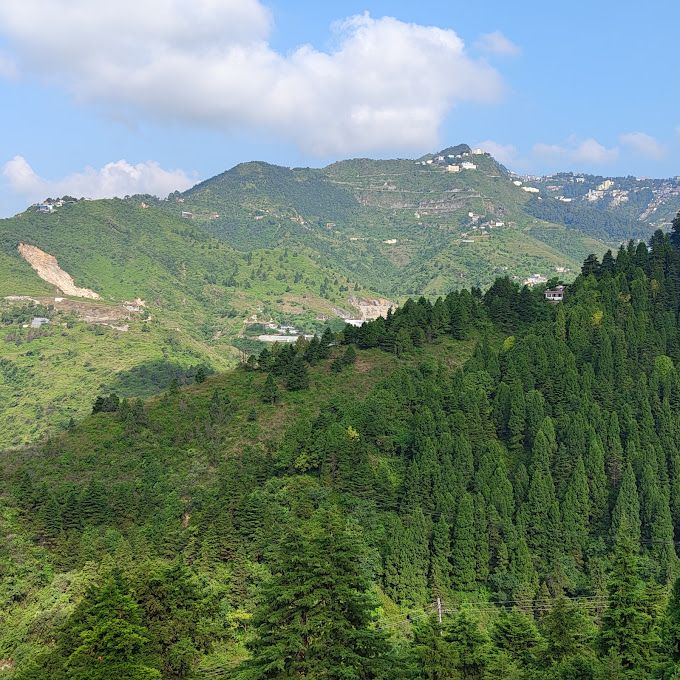
The foothills and ridges surrounding Dwara hold a distinct architectural legacy dating back to the colonial era. Moving from the floor of the Doon Valley into the slopes of the Garhwal Himalayas, the transition in landscape mirrors a shift in construction styles. In the valley, broad institutional estates and civic structures reflect classical Greco-Roman proportions, while up along the higher mountain ridges, stone masonries and Gothic gables emerge under deodar canopies.
This geographic stretch connects active civic hubs with quiet cantonment walkways. Travellers interested in history, regional geography, and vintage building design find an accessible corridor of estates, monuments, and stone churches situated within 50 km of Dwara.
Prominent historic landmarks near Dwara
Among the prominent sites in the valley is the Forest Research Institute, situated around 12 km from Dwara near Dehradun. The premier forestry institution is recognized for its massive Greco-Roman main building, manicured lawns, and tree-lined avenues that attract architecture enthusiasts. In the commercial heart of Dehradun, about 8 km from Dwara, stands the Clock Tower, known locally as Ghanta Ghar. Positioned at the convergence of historic thoroughfares, it remains a lively civic focal point.
Ascending into the hills toward Mussoorie, George Everest House sits on an open ridge about 18 km from Dwara in Khanij Nagar. Originally the home and laboratory of Sir George Everest, this restored estate features panoramic valley views and walking paths toward George Everest Peak. On the slopes below Mussoorie, roughly 12 km from Dwara, Jharipani Castle preserves a quiet heritage estate setting surrounded by native oak and pine woods.
Exploring the heritage trails of Landour
Further uphill, around 15 km from Dwara, lies the cantonment settlement of Landour. Established during the colonial era, Landour retains an unhurried pace beneath dense deodar canopies. The village is known for its well-preserved stone architecture, scenic walking circuits, and views of distant peaks.
Two historic churches highlight the settlement's architectural character. Kellogg Memorial Church, built in the early twentieth century, features distinctive Gothic stone construction beside quiet mountain paths. St. Paul's Church (CNI) is an Anglican stone sanctuary dating to the nineteenth century, surrounded by pines along the cantonment ridge. Along the walking route at Sisters Bazaar, Landour Bakehouse offers a classic rest stop amidst colonial-era surroundings and cool mountain air.
Best time for heritage walks
Exploring colonial heritage spots near Dwara is rewarding throughout the year, though conditions shift with elevation. Spring and early summer bring pleasant temperatures and clear skies, making it easy to stroll the open grounds of the Forest Research Institute or walk the ridge around George Everest House.
Autumn, from late September to November, brings crisp air and expansive Himalayan vistas from Landour. Winters bring chilly weather and occasional frost to the higher hills, creating a quiet backdrop for visiting stone churches, while valley landmarks like the Clock Tower remain comfortable during sunny daylight hours. The monsoon season turns the hills lush and mist-covered, though mountain roads require careful driving during heavy showers.
Tips for your trip
Driving between the valley floor and ridge settlements involves winding mountain routes. Distances provided are approximate, and travel times can fluctuate depending on traffic around Dehradun and Mussoorie. Starting early in the morning allows you to avoid peak road congestion and enjoy quieter site visits.
Comfortable walking shoes are essential, as places like George Everest House and the Landour walking circuits require navigating gravel trails and steep slopes. As specific visiting hours, camera rules, or preservation guidelines can change, remember to verify local policies on arrival.
Where to stay
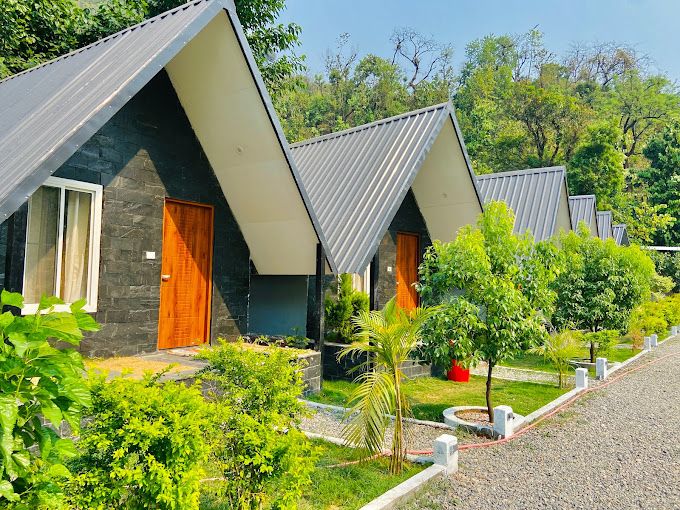
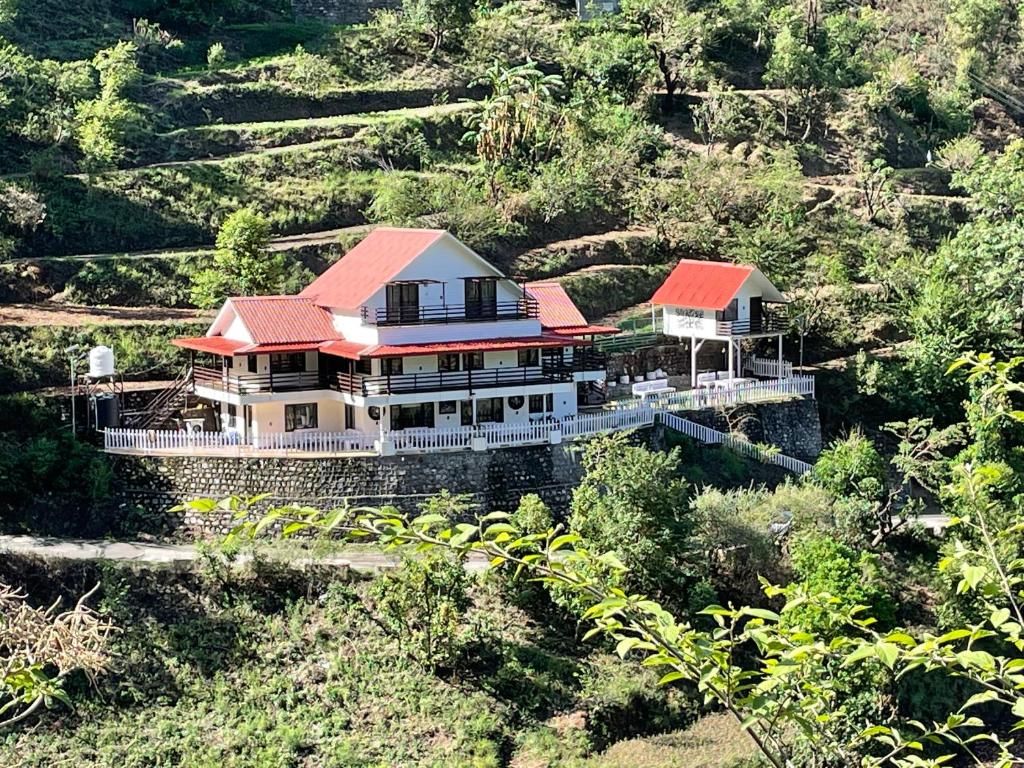
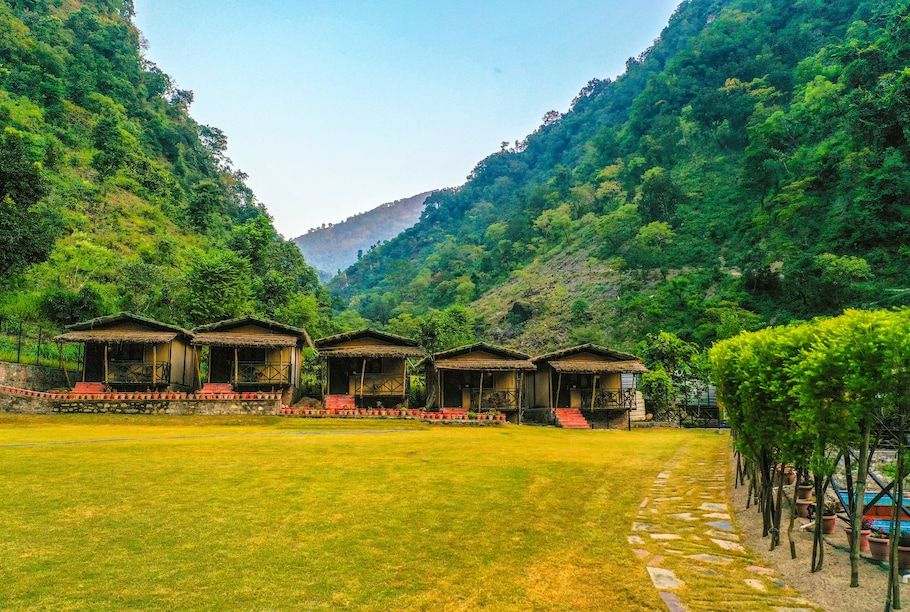
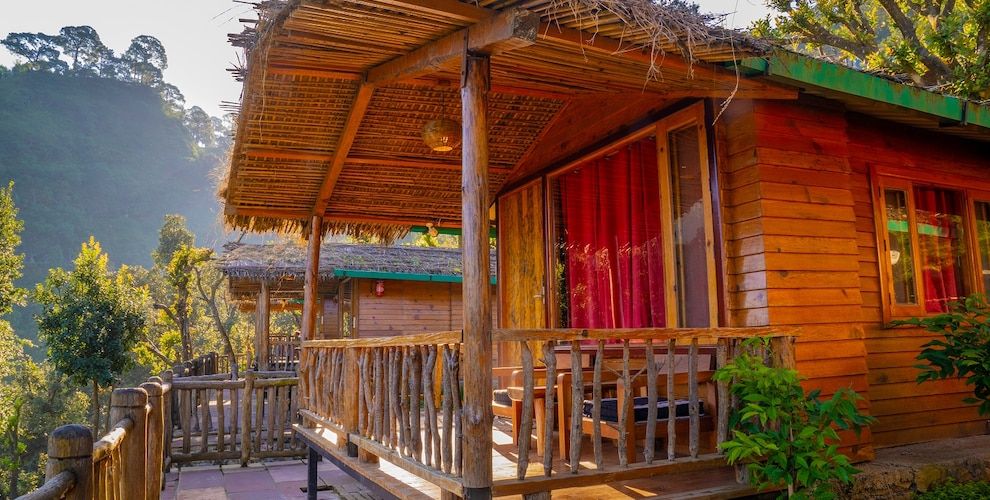
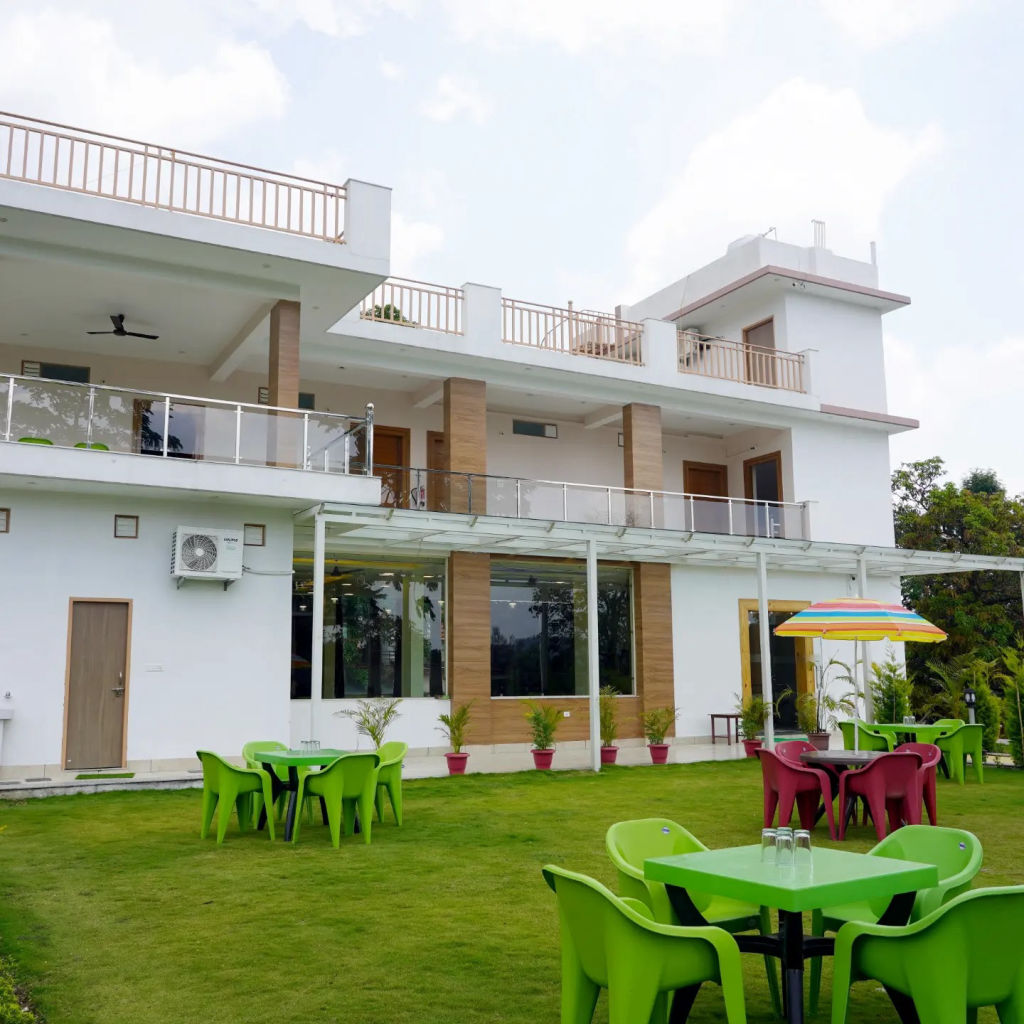
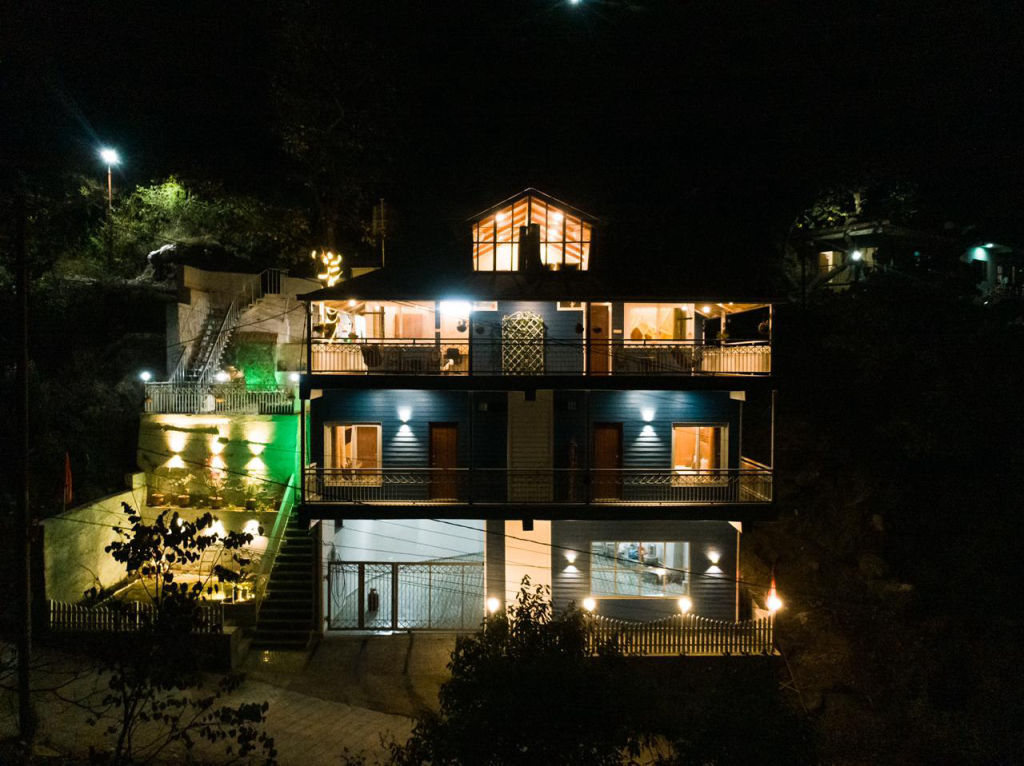
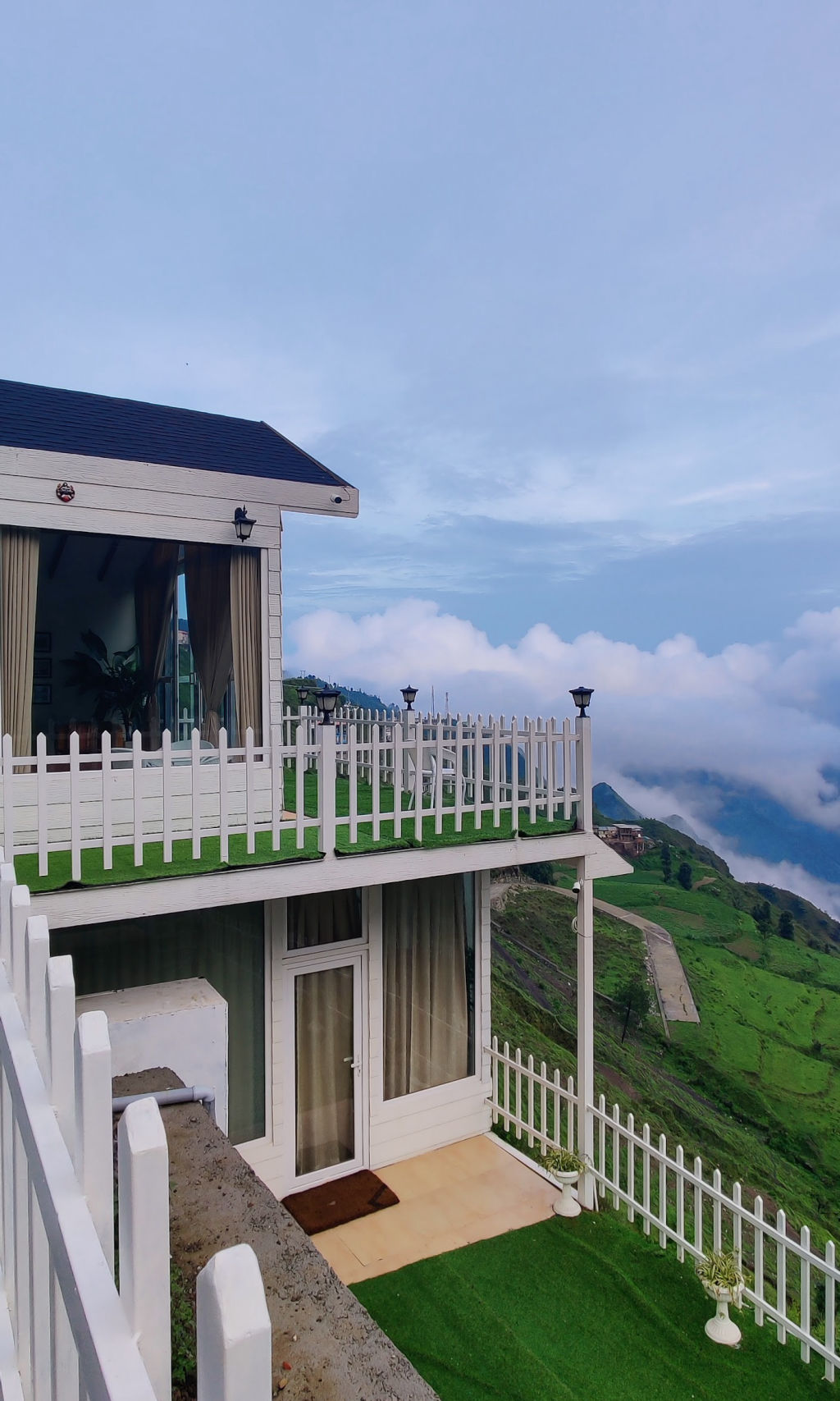
Base yourself close to the foothills or up along the forested ridges to make the most of your heritage itinerary. The area around Dwara, Dehradun, and Landour offers varied environments, from quiet mountain hamlets to scenic valley outposts. A wide selection of local camps, homestays, and unique getaways in the area can be found on HireACamp.
Written with AI from creators' posts and map data. Check prices and timings locally before you go.
8 places · 24 creator recommendations · Updated today
Ranked by how many independent creators recommend each place, not by who paid. The list updates itself as new posts come in.


Frequently asked questions
Which colonial heritage spots near Dwara are best for walking?
Landour offers tranquil forest walking trails connecting landmarks like St. Paul's Church (CNI), Kellogg Memorial Church, and Landour Bakehouse. On the valley floor, the expansive tree-lined avenues of the Forest Research Institute also provide an ideal setting for long, leisurely walks.
How far is Landour from Dwara?
Landour is located approximately 15 km from Dwara. Driving times can vary based on mountain traffic around Mussoorie, making an early morning start advisable.
Can you visit George Everest House near Dwara?
Yes, George Everest House in Khanij Nagar is situated about 18 km from Dwara. Visitors can explore the restored colonial estate and walk along the ridgeline toward George Everest Peak.
What architectural style is the Forest Research Institute?
The Forest Research Institute near Dehradun features an imposing main building designed in the Greco-Roman colonial architectural style, surrounded by broad lawns and forested grounds.
When is the best time of year to explore heritage sites near Dwara?
Autumn and spring provide the clearest weather and most comfortable temperatures for walking around both valley estates and mountain ridges. Winters are brisk and scenic, while the monsoon brings mist and greenery to the hill routes.
Stays near Dwara
Make a trip of it