Colonial landmarks near Mussoorie
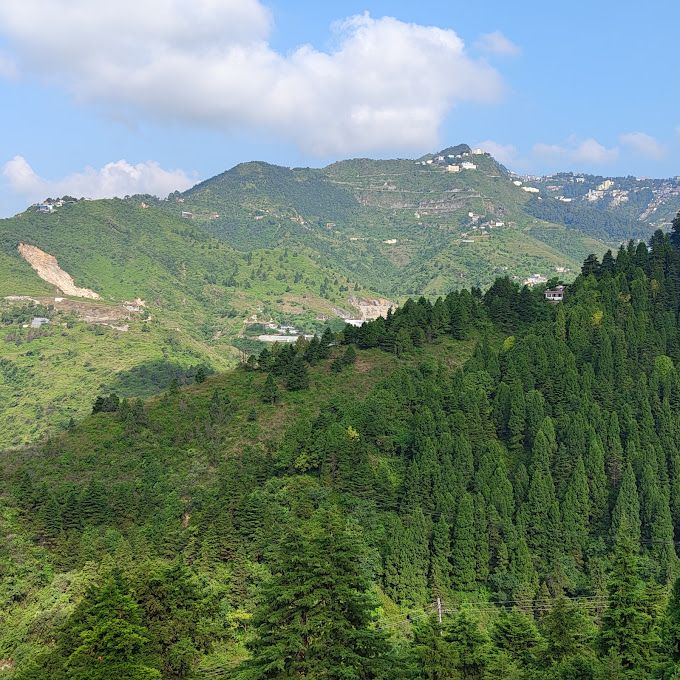
Discover historic British-era architecture, serene stone churches, and hillside estates scattered across the ridges of Mussoorie and the surrounding Doon Valley. This curated guide is designed for history enthusiasts, architecture admirers, and outdoor walkers looking to explore the region's heritage. The highlighted destinations showcase well-preserved colonial buildings alongside scenic mountain views.
Historic estates and viewpoints near Mussoorie
The ridges surrounding Mussoorie hold significant architectural relics from nineteenth-century surveying expeditions and tranquil mountain retreats. George Everest House sits on an exposed ridge in Khanij Nagar, roughly four kilometres and an approximate fifteen-minute drive from Mussoorie. Originally the laboratory and home of Sir George Everest, Surveyor General of India, the estate features restored stone buildings and trails leading up to George Everest Peak. Visitors come to explore the grounds, learn about historical mapping efforts, and take in panoramic views of the Garhwal range and the valley below.
Further down the slopes lies Jharipani Castle, situated in the quiet hamlet of Jharipani around fourteen kilometres from town. Surrounded by forests of oak and pine, this heritage-style estate sits in cooler mountain air overlooking the Doon Valley. It offers a relaxed, unhurried alternative to busier central hubs while retaining the classic architectural character of old hill-station retreats.
Cantonment heritage in Landour
Located on the ridgeline just uphill from Mussoorie, the cantonment settlement of Landour maintains a remarkably undisturbed nineteenth-century atmosphere. Winding pathways run through thick deodar and pine woods, passing colonial-era residential estates, mountain viewpoints, and heritage places of worship.
Two notable stone churches anchor the architectural history of the settlement. Kellogg Memorial Church was constructed in the early twentieth century and features prominent Gothic stone masonry perched on the forested hillside. Nearby along the upper ridge stands St. Paul's Church (CNI), an Anglican sanctuary built during the nineteenth century. Travelers strolling past these churches frequently continue towards Sisters Bazaar to visit Landour Bakehouse, a bakery tucked into the historic market area that serves as a popular rest stop along the walking circuit.
Valley landmarks in Dehradun
Descending into the Doon Valley brings you to larger civic and educational monuments from the British era. The Forest Research Institute in Dehradun, located about thirteen kilometres from Mussoorie, is an imposing monument built in a grand Greco-Roman architectural style. Its sprawling campus features tree-lined walkways and expansive grounds that have made it a favorite location for cultural travelers and filmmakers alike.
Near the commercial centre of Dehradun stands the Clock Tower, locally known as Ghanta Ghar. Located approximately fourteen kilometres from Mussoorie, this landmark marks the convergence of several major roads in the city. The area around the tower is an active gathering place where visitors can experience the evening pace and historic street layout of the valley.
Best seasons for heritage exploration
The heritage sites around Mussoorie and Landour can be visited year-round, with each season offering a different atmosphere. Spring from March to May brings mild weather and clear daylight, making it ideal for self-guided walking tours around Landour's church circuits and the open ridgeline around George Everest House.
Between July and September, the monsoon transforms the hills with lush greenery, drifting mist, and low cloud cover. While rain adds atmosphere to stone architecture, visitors should always check local weather and road conditions beforehand. The autumn months of October and November offer crisp mountain air, dependable sunny days, and unobstructed views of Himalayan peaks across the northern horizon.
Tips for visiting and where to stay
Because several of these sites sit along narrow mountain roads, driving times can vary depending on local traffic. For areas like Landour, traveling on foot along established pedestrian trails is often the most practical and enjoyable way to see the buildings up close. Remember to wear supportive footwear for steep pathways, carry a light jacket for sudden temperature changes, and confirm visiting rules locally when entering active places of worship or educational grounds.
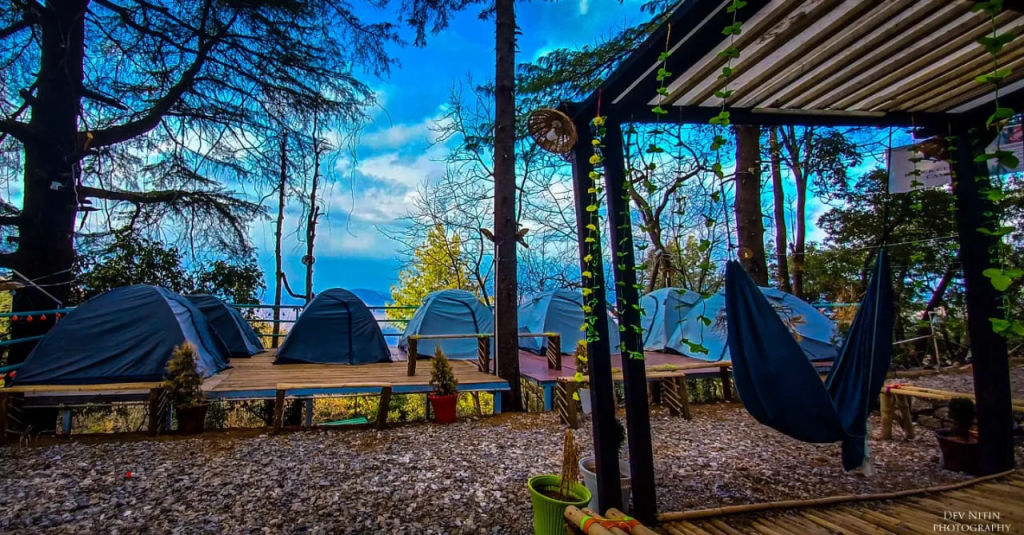
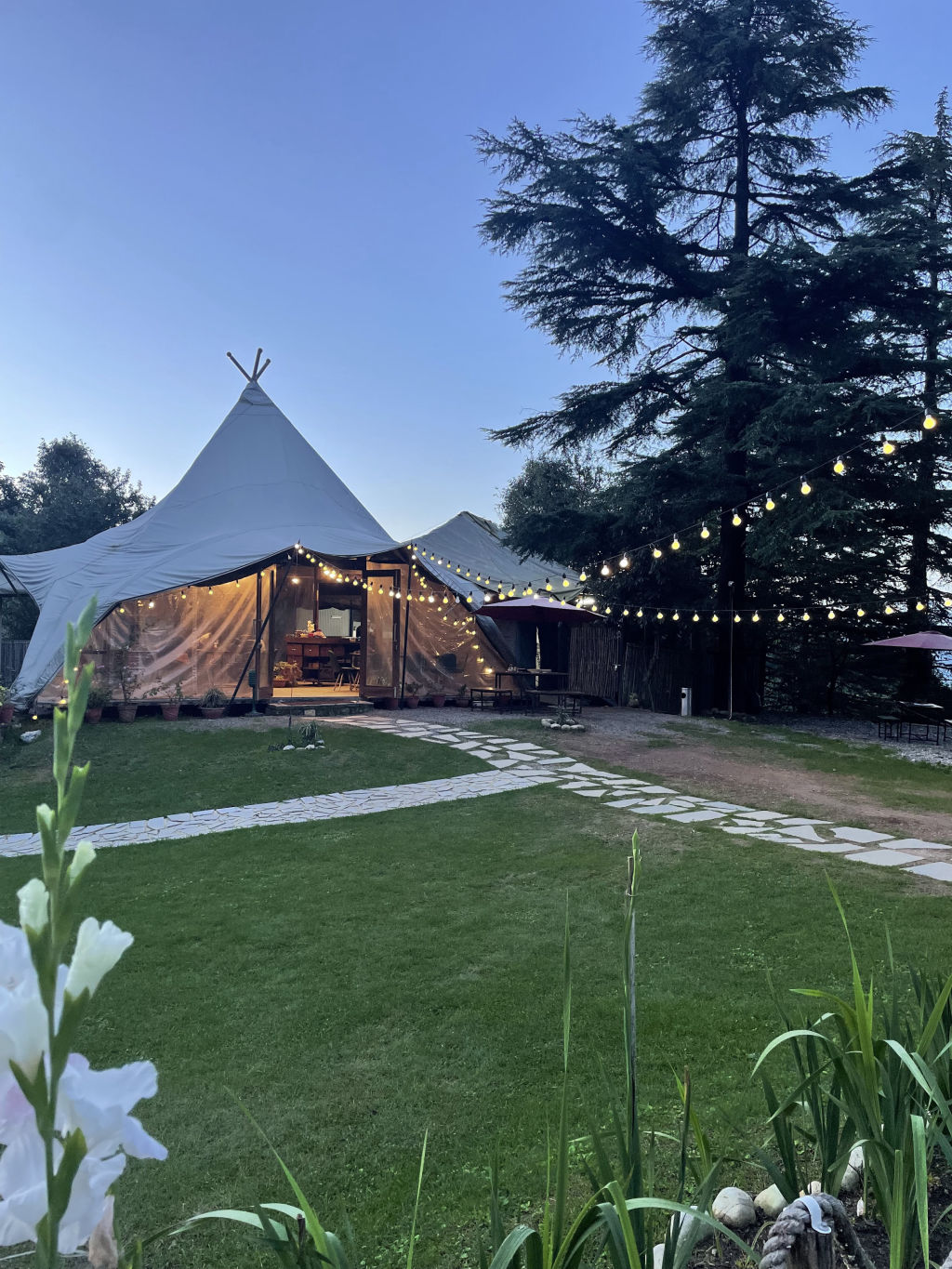
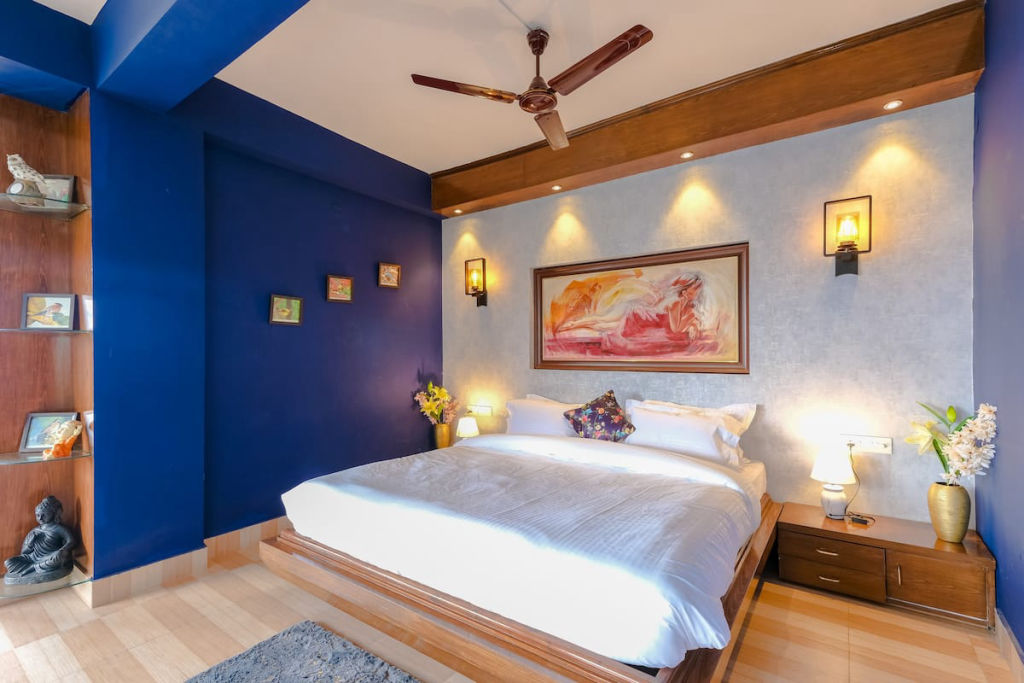
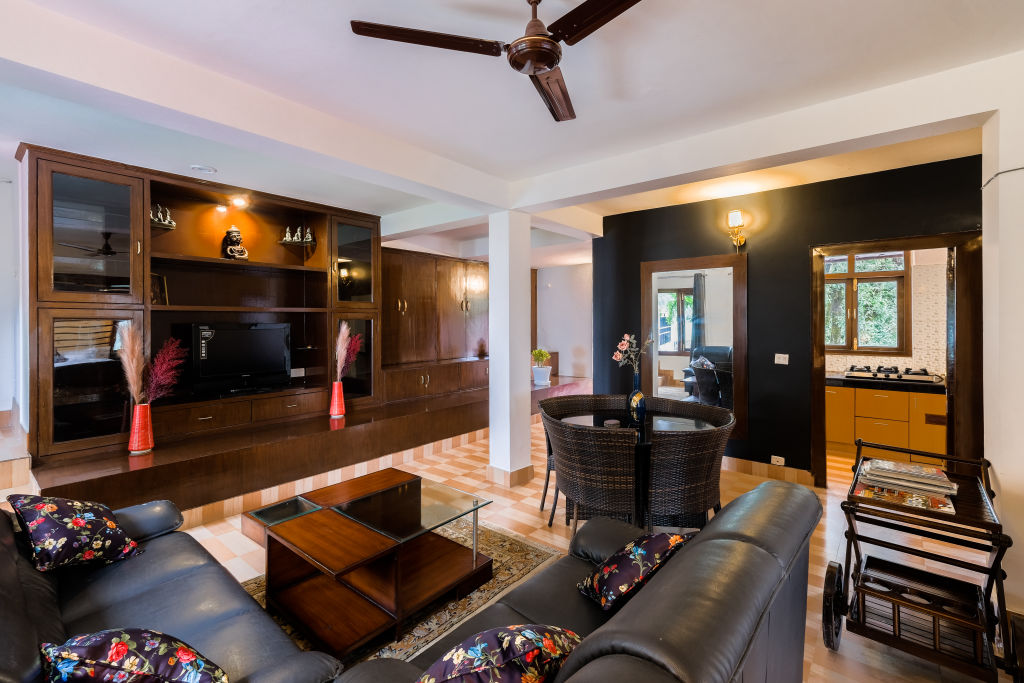
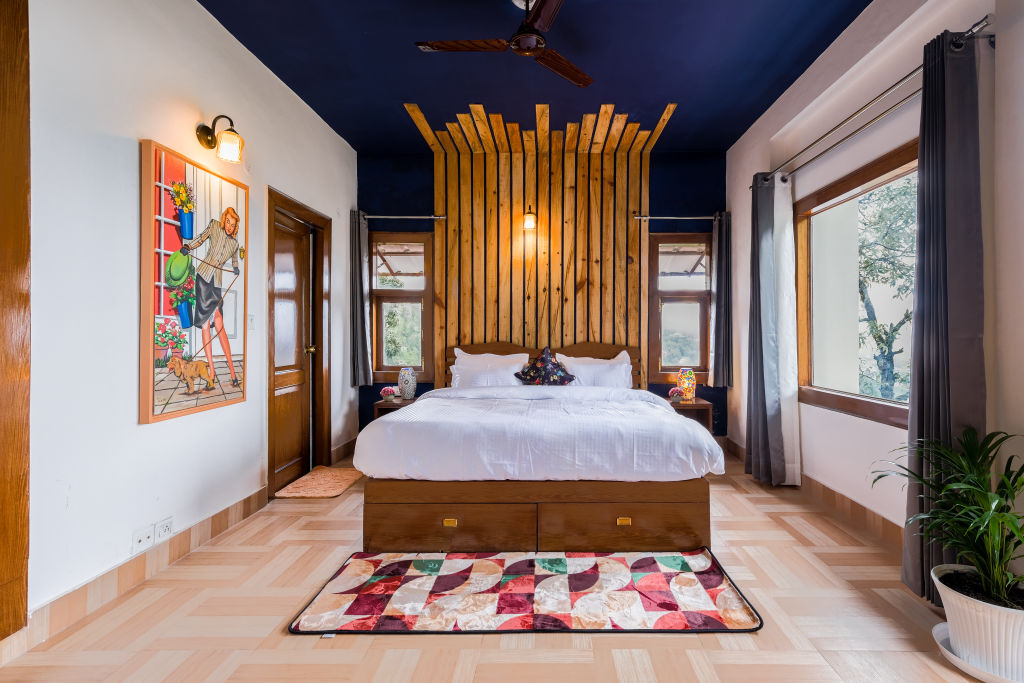
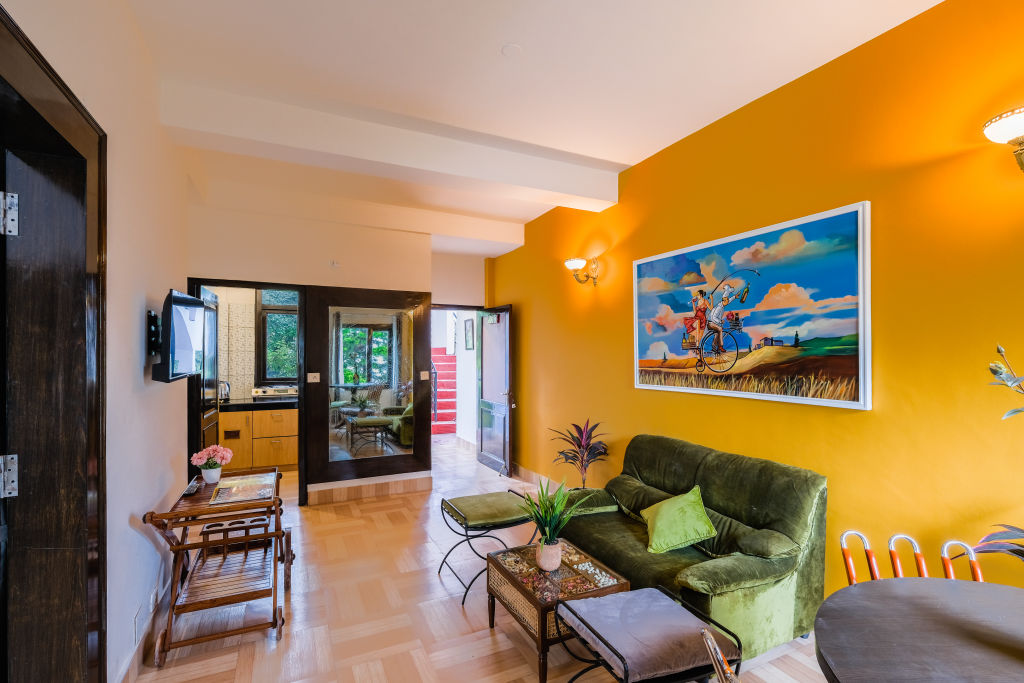
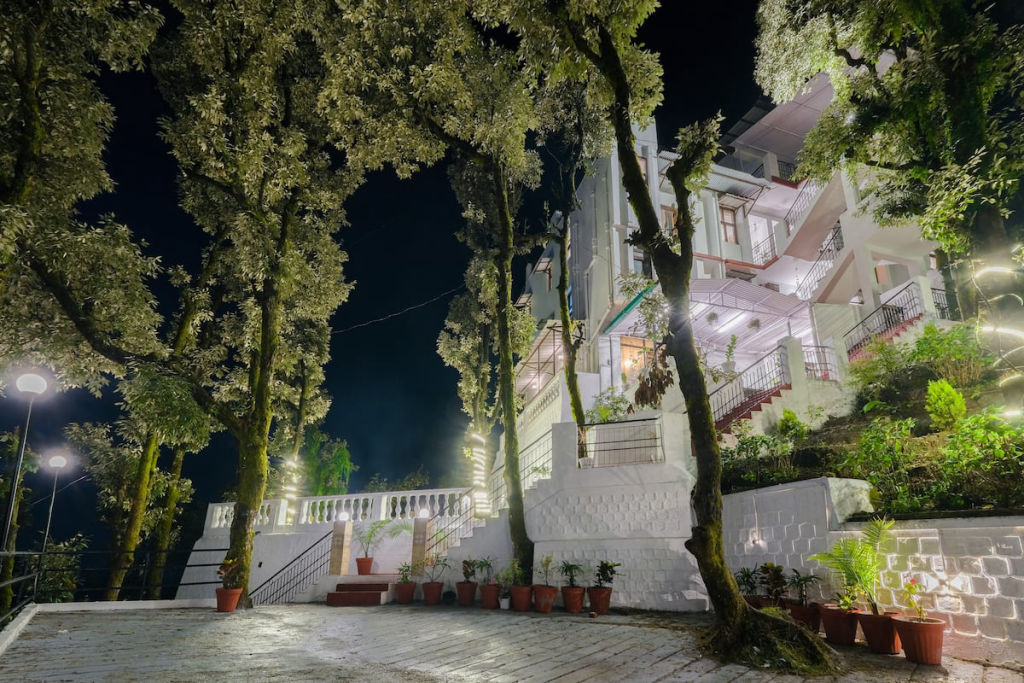
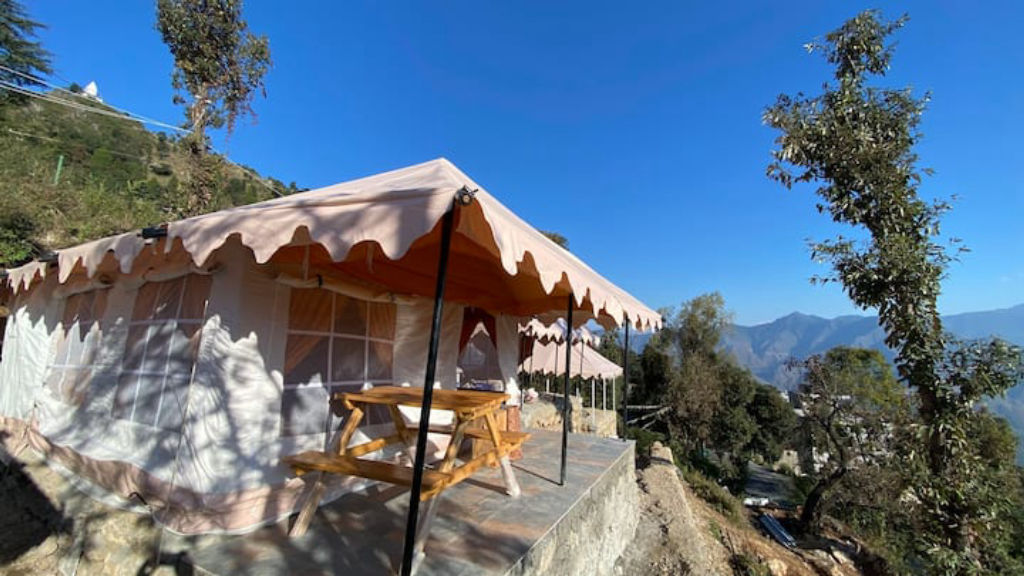
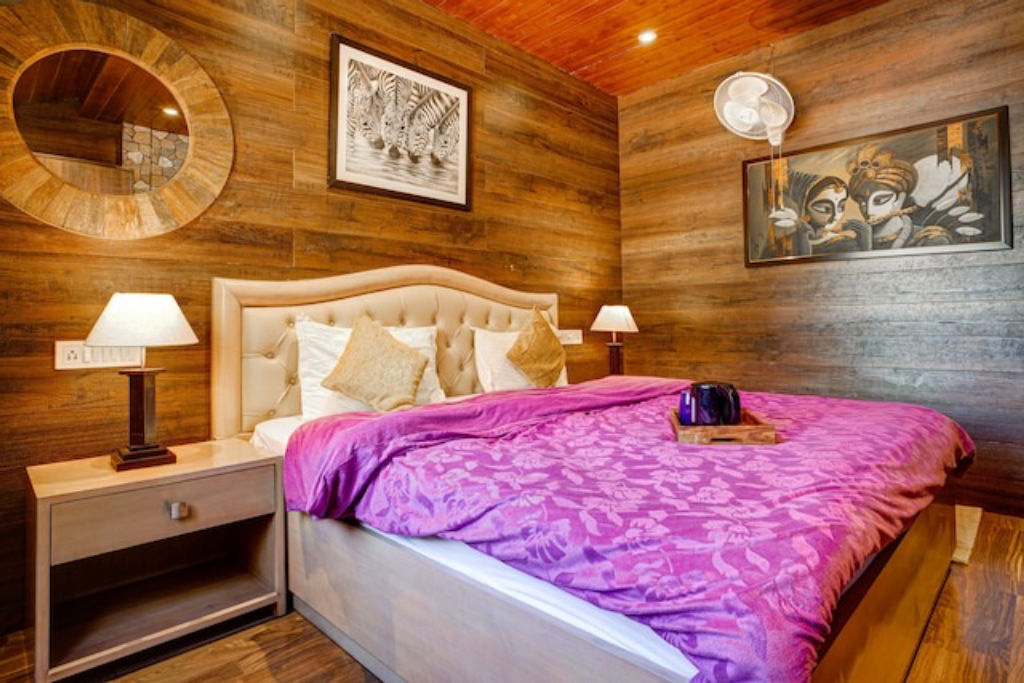
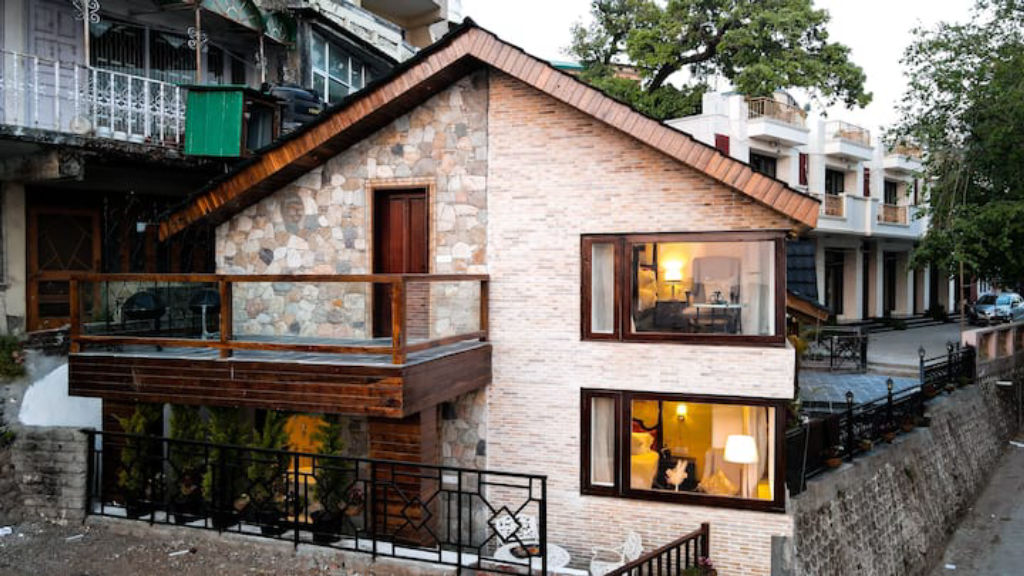
If you are planning an extended trip to explore the region's historic trails, you can find and book nearby homestays, scenic nature camps, and hillside retreats on HireACamp.
Written with AI from creators' posts and map data. Check prices and timings locally before you go.
8 places · 24 creator recommendations · Updated today
Ranked by how many independent creators recommend each place, not by who paid. The list updates itself as new posts come in.


Frequently asked questions
Which colonial landmarks near Mussoorie are easiest to explore on foot?
Landour is the best area for a walking tour, where St. Paul's Church (CNI), Kellogg Memorial Church, and Landour Bakehouse are connected by quiet, forested walking lanes.
How far is George Everest House from Mussoorie?
George Everest House is about 4 kilometres from Mussoorie, taking approximately 15 minutes by road under typical, traffic-free conditions.
Can I visit the Forest Research Institute as a day trip from Mussoorie?
Yes, the Forest Research Institute is located in Dehradun, roughly 13 kilometres from Mussoorie, making it easy to visit on a day trip down the valley.
What is the best time of year to visit colonial sites around Landour?
October and November offer clear mountain vistas and crisp air, while March to May provides pleasant daytime temperatures ideal for walking.
Where can I find stays close to these historic locations?
You can browse and book outdoor camps, homestays, and nature properties across Mussoorie and Dehradun on HireACamp.
Stays near Mussoorie
Make a trip of it