Hidden places near Attari
This guide highlights notable cultural landmarks, historical sights, and spiritual centres located within forty kilometres of Attari in Punjab. It suits road trippers, heritage enthusiasts, and pilgrims looking to explore the region's rich Sikh and Hindu traditions alongside its historic monuments.
Historic and cultural sites near Attari
Travellers heading through the border town of Attari often spend time visiting the surrounding region's deep historical and architectural monuments. Situated about twenty-six kilometres from Attari, Maharaja Ranjit Singh Panaroma stands inside the historic Company Bagh. Dedicated to the founder of the Sikh Empire, this cultural and visual museum showcases the military campaigns, statecraft, and legacy of the Lion of Punjab through detailed exhibits and large-scale battle panoramas surrounded by public gardens.
Another significant stop is Bhagwan Valmiki Tirath, located roughly twenty-five kilometres from Attari. Widely referred to as Ram Tirath Temple, the pilgrimage complex is situated on the outskirts of the district. Rooted in traditions of the Ramayana as the ancient hermitage of Sage Valmiki and the birthplace of Luv and Kush, the site draws visitors who come to walk around its sacred water tank, take in the vast architecture, and experience its devotional ambience.
Revered shrines and spiritual centres
The spiritual heart of the region rests at the Fountain Golden Temple, also known as Sri Harmandir Sahib, located about twenty-six kilometres from Attari. Surrounded by the sacred Amrit Sarovar, the complex welcomes travellers and pilgrims from all backgrounds. Visitors come to pay respects along the marble walkways, witness the communal gathering around the plaza fountains, and participate in the egalitarian tradition of langar. Early mornings and sunrise offer quiet contemplation before larger gatherings assemble, while the complex is illuminated at night between nine in the evening and midnight.
Nearby, Durgiana tirath offers another peaceful destination, located about twenty-five kilometres from Attari. Set amidst a sacred water reservoir, this historic Hindu shrine honours Goddess Durga alongside Lord Vishnu and Goddess Lakshmi. Visitors come to admire the intricate craftsmanship of the temple structures, observe daily rituals, and immerse themselves in the deep spiritual traditions preserved across the area.
Best time to visit
The region surrounding Attari experiences distinct seasonal shifts characteristic of the north Indian plains. The winter months from October to March bring pleasant daytime temperatures and cool evenings, making it comfortable to wander outdoor temple courtyards, walk through heritage gardens, and travel between sites. Mid-winter can bring morning fog and chilly nights, so packing warm layers is advisable.
Summer arrives by April and lasts through June, bringing intense heat and dry winds that can make daytime sightseeing challenging. If you travel during these months, planning visits around the cooler early morning or late evening hours is ideal. The monsoon period spans July through September, bringing sporadic rainfall and high humidity, which freshens the surrounding agricultural fields and landscaped public parks.
Getting around the region
Attari sits near the western border of Punjab and connects smoothly to nearby cities and heritage hubs via well-maintained road networks. Most of the primary shrines and museums lie within a twenty-five to thirty kilometre drive from Attari, making day trips convenient by private car, taxi, or local buses.
Navigating city centres and historic lanes often involves narrower roads, so travelling early in the day helps avoid peak traffic periods. Allow extra time when moving between suburban pilgrimage hubs and central urban districts, particularly during major festival dates when religious sites draw higher numbers of pilgrims.
Where to stay
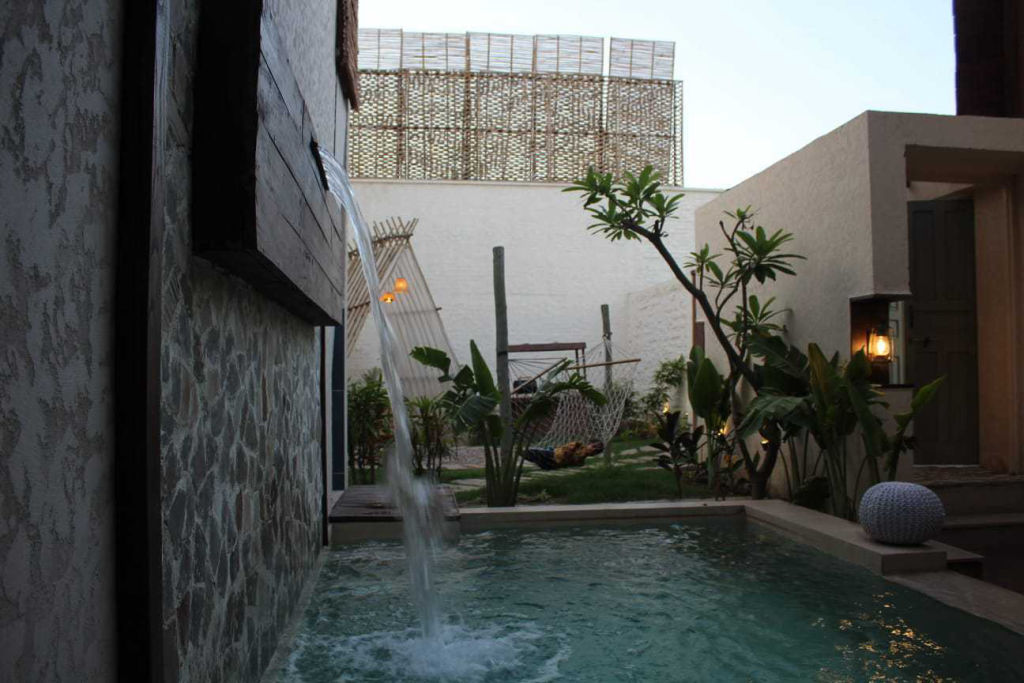
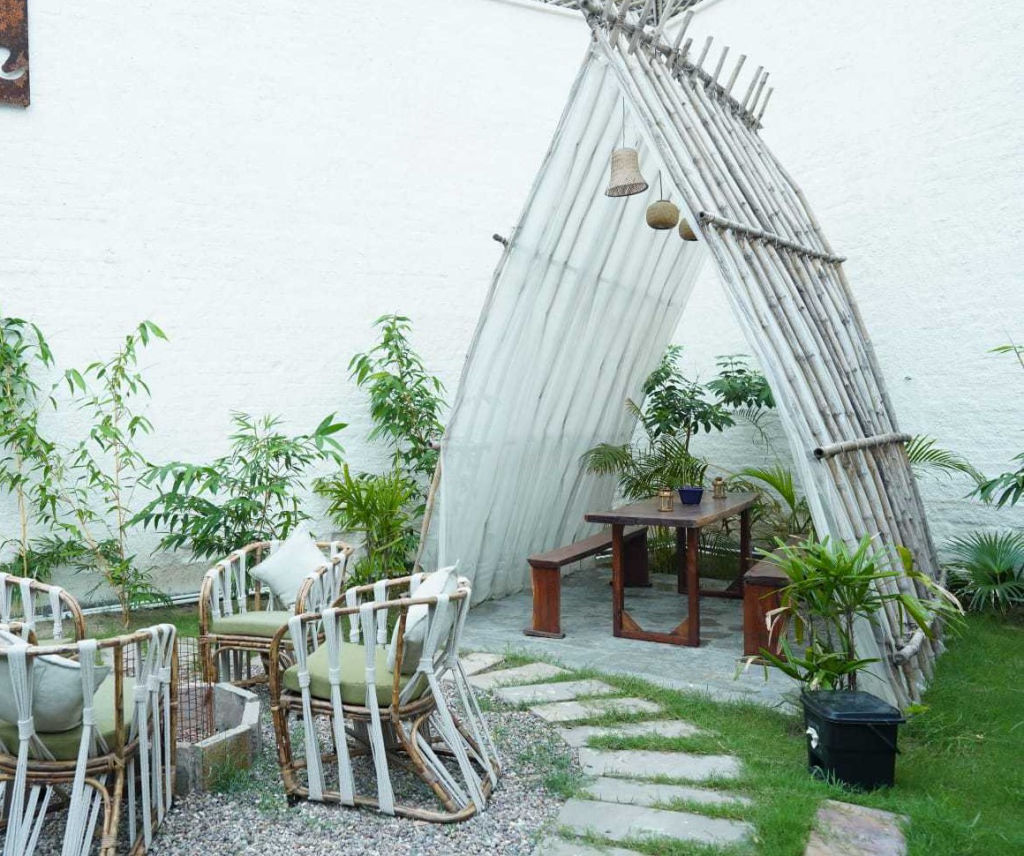
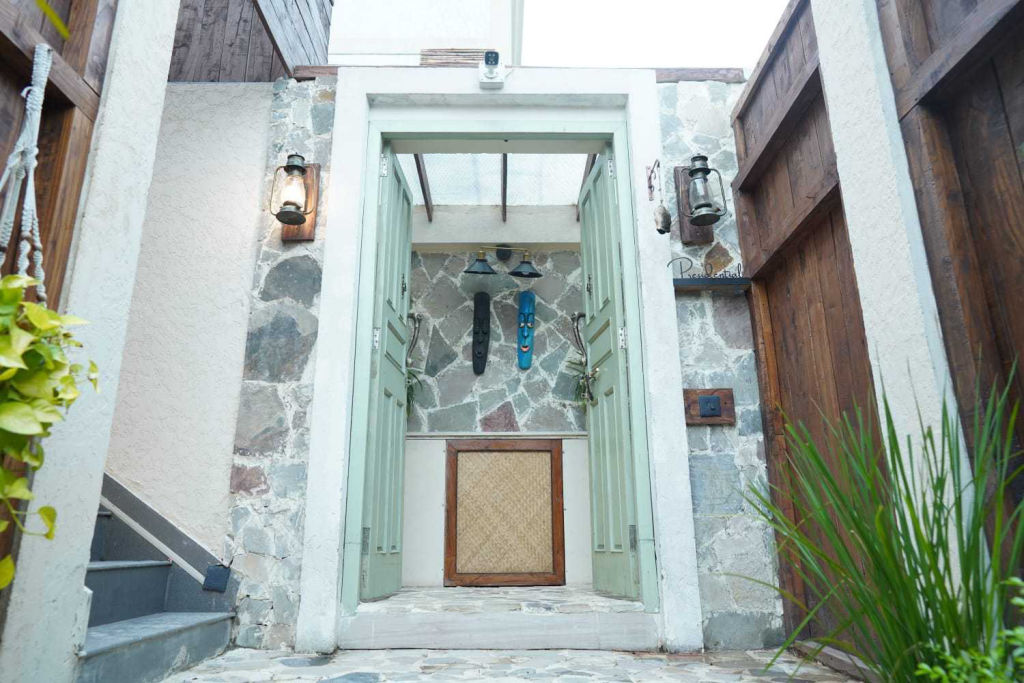
Whether you are planning a weekend border excursion or an extended cultural journey, having a peaceful base makes exploring easier. Travellers can find a range of verified stays, including quiet homestays, comfortable farm stays, and outdoor camps on HireACamp. Staying slightly outside congested streets provides a calm retreat amidst Punjab's agricultural landscapes while keeping you within easy reach of the region's historic landmarks.
Written with AI from creators' posts and map data. Check prices and timings locally before you go.
8 places · 17 creator recommendations · Updated today
Ranked by how many independent creators recommend each place, not by who paid. The list updates itself as new posts come in.


Frequently asked questions
What are some of the key cultural sights to visit near Attari?
Key places to visit include Maharaja Ranjit Singh Panaroma in Company Bagh, Bhagwan Valmiki Tirath, Fountain Golden Temple, and Durgiana tirath, all situated within twenty-five to thirty kilometres of Attari.
When is the best time of day to visit the Golden Temple precinct?
Early morning and sunrise are reported to offer fewer crowds and optimal serenity, while the surrounding grounds are beautifully illuminated at night between 9 PM and midnight.
What is the historical importance of Bhagwan Valmiki Tirath?
Bhagwan Valmiki Tirath, also known as Ram Tirath Temple, is venerated as the ancient ashram of Sage Valmiki and the birthplace of Luv and Kush, featuring a sacred water tank and prominent devotional architecture.
What can visitors see at Maharaja Ranjit Singh Panaroma?
Visitors can explore detailed multimedia displays and large-scale visual battle panoramas that depict the life, statecraft, and military campaigns of the Sikh Empire's founder, set inside the greenery of Company Bagh.
What is the best season to explore places around Attari?
The cooler months from October to March offer the most comfortable climate for outdoor sightseeing and temple visits across the plains of Punjab.
Stays near Attari
Make a trip of it