Peaceful places within 3 hours of Amritsar
This guide highlights peaceful places within a three-hour drive of Amritsar, ranging from sacred shrines and ancient temples to quiet memorial grounds across Punjab. It suits devotees, cultural travellers, and weekend road-trippers seeking contemplative settings and spiritual calm. Each entry reflects recommendations from independent creators who have explored the region firsthand.
Top peaceful places in and around Amritsar
Travellers seeking calm close to the city centre will find several revered sites just minutes away. Sri Harmandir Sahib, universally known as the Golden Temple, rests at the heart of Amritsar surrounded by the peaceful waters of the Amrit Sarovar. Creators often recommend visiting the complex and its adjoining Fountain Golden Temple area during early morning or sunrise to experience quiet walkways before the daily crowds arrive, or between nine at night and midnight when the gilded sanctum is softly illuminated. Just a short drive away stands Shri Durgiana Mandir, alongside Durgiana tirath, where an ornate sanctum dedicated to Goddess Durga rises serenely from its own sacred pool. On the western outskirts of the city lies Bhagwan Valmiki Tirath Sthal, also visited as Bhagwan Valmiki Tirath, revered as the historic hermitage of sage Valmiki. This expansive complex features wide open spaces and a large sarovar that create a deeply contemplative atmosphere. For an unhurried culinary pause away from dense markets, The Bagh Gourmet Garden and Bar offers an open-air garden setting with landscaped greenery and water streams along Vallah Bypass Road.
Quiet day trips across Punjab
Venturing further out within a three-hour radius opens up enriching day trips through Punjab's historic towns. About forty minutes south in Tarn Taran Sahib, Sri Darbar Sahib Tarn Taran stands as a foundational Sikh shrine founded by Guru Arjan Dev Ji, featuring one of the largest sacred water tanks in the region. Heading southeast toward Jalandhar brings you to Devi Talab Mandir, an ancient Shakti Peetha centered around a historic pond that offers a deeply tranquil devotional environment. Continuing along the Grand Trunk Road towards Ludhiana leads to several quiet spiritual sanctuaries, including Sai Dham on Hambran Road, Shree Khatu Shyam Temple, Sree Ayyappa Temple, and the Takshila Buddha Maha Vihara monastery, which provides an unexpected haven for meditation. Near Phillaur, Shree Dhan Mandir, also known as Shree Arth Mandir, offers a unique contemplative space. For natural and historical quiet, Mukteshwar Mahadev Mandir sits along the Ravi River near Kot in Pathankot district, featuring ancient rock-cut caves beside open waters, while The National Martyrs Memorial at Hussainiwala rests silently along the banks of the Sutlej River near Firozpur.
Best time to visit
The cooler months from October through March provide the most comfortable weather for exploring outdoor temple courtyards and open water reservoirs in Punjab. Winter days are typically mild and pleasant, making walking along marble parikramas enjoyable, though early mornings can be brisk and foggy. Summers across the northern plains bring intense heat and dry winds, so visits during that season are best confined to sunrise and late evening. The monsoon period between July and September brings occasional rain that refreshes the surrounding agricultural plains and riverbanks, though humidity remains high. Regardless of the time of year, mornings just after dawn consistently offer the calmest environment across shrines and open plazas.
Tips for your trip
When visiting sacred shrines such as Sri Harmandir Sahib, Sri Darbar Sahib Tarn Taran, or Hindu temple complexes like Shri Durgiana Mandir, visitors are expected to dress modestly, cover their heads, and remove their footwear before entering the premises. Keeping a scarf or handkerchief handy is essential for both men and women. Drive times provided in travel guides are typical traffic-free estimates, but real travel across major Punjab corridors like the Grand Trunk Road can vary based on local traffic and seasonal fog, so it is best to allow extra journey time. Shrines often have specific community traditions, such as communal langar halls where all visitors are welcome to sit together for a meal. Always check locally for daily prayer times, special religious observances, and current road conditions before departing.
Where to stay
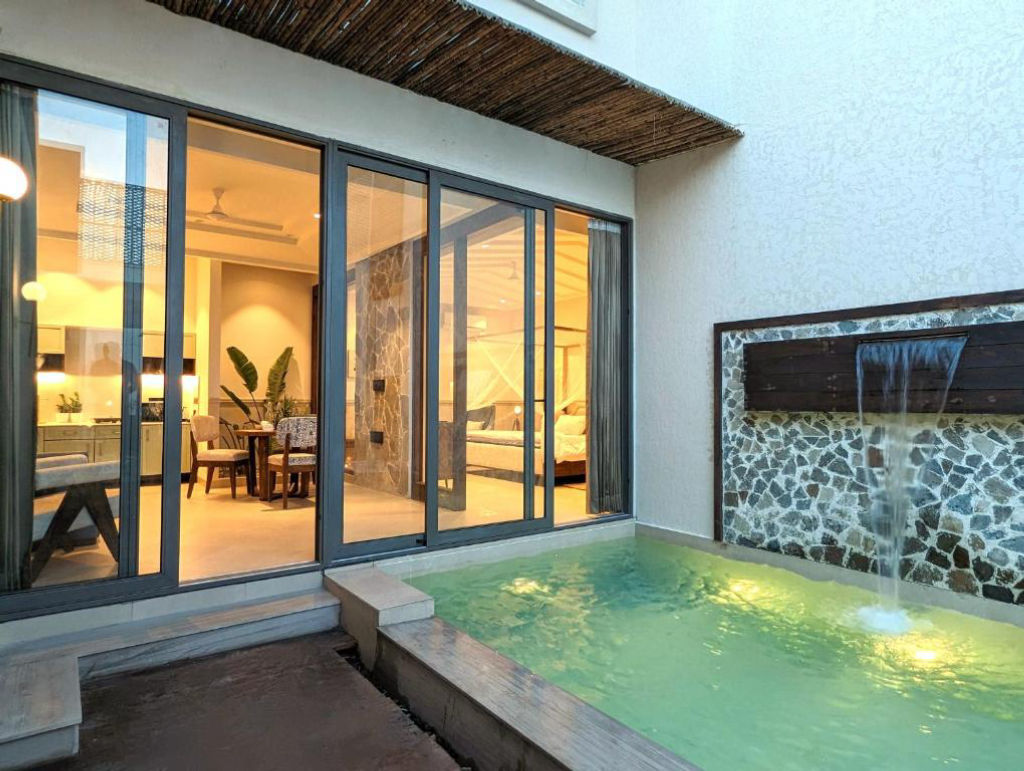
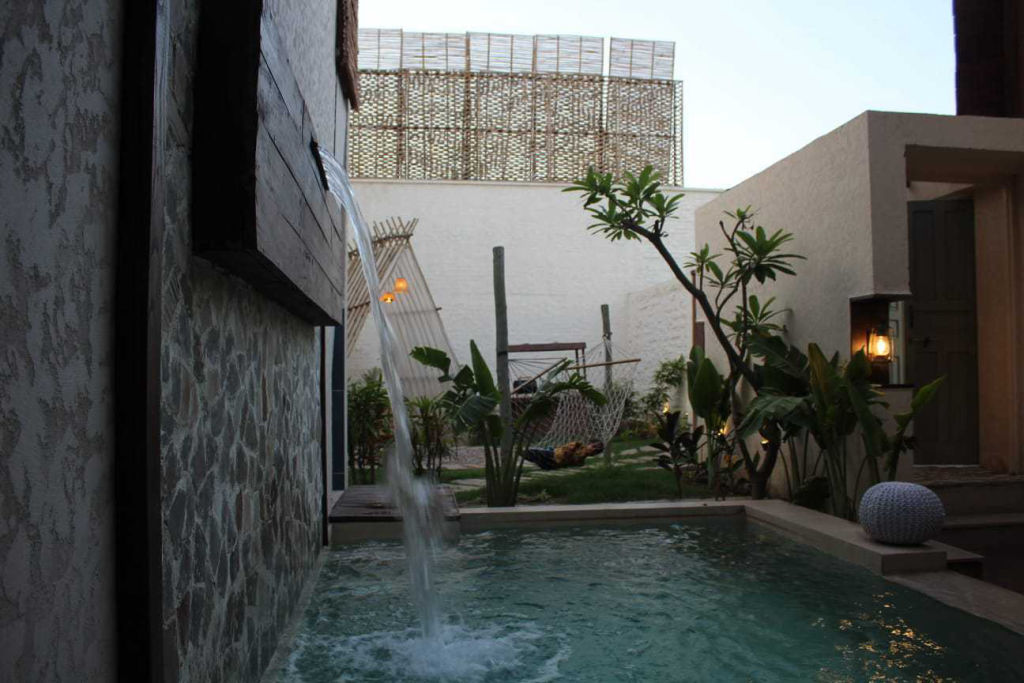
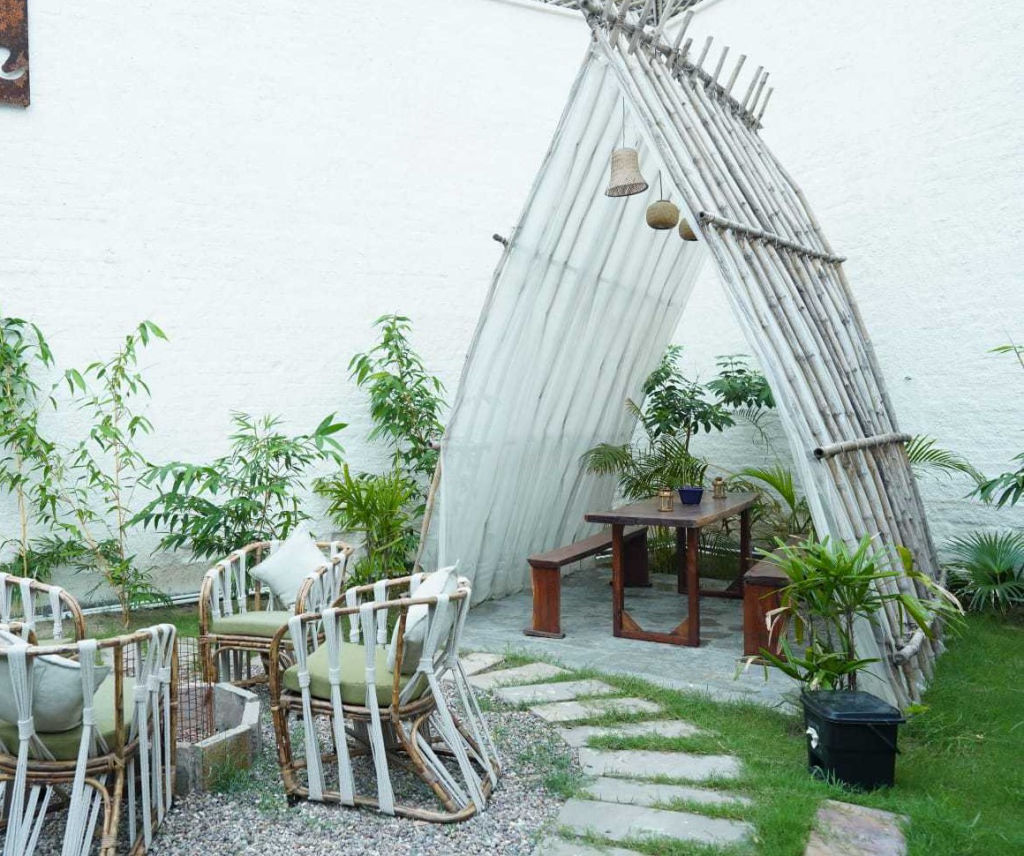
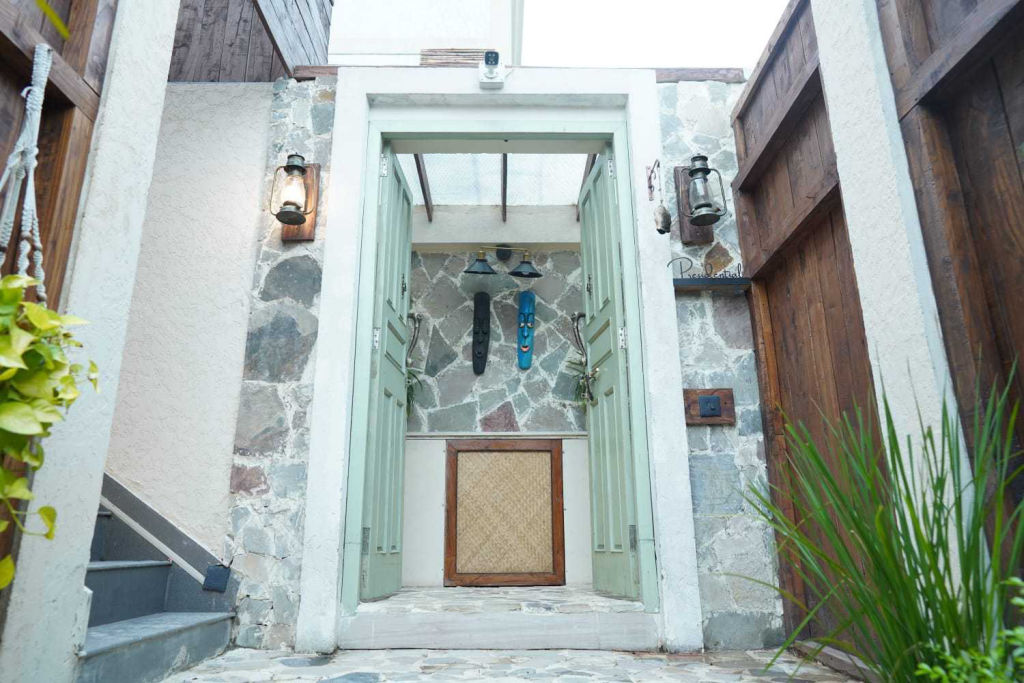
Finding a relaxing base makes exploring the region around Amritsar much more restorative. While urban hotels are plentiful near transit hubs, choosing a peaceful homestay or countryside retreat allows you to unwind in quiet surroundings after a day of sightseeing. You can find camps, rustic farmstays, and independent homestays across Punjab on HireACamp. Staying amidst the open mustard fields and rural groves just outside major cities gives you a restful place to recharge while keeping gurdwaras, temples, and riverside landmarks within convenient driving distance.
Written with AI from creators' posts and map data. Check prices and timings locally before you go.
26 places · 45 creator recommendations · Updated today
Ranked by how many independent creators recommend each place, not by who paid. The list updates itself as new posts come in.


Frequently asked questions
What is the quietest time to visit Sri Harmandir Sahib?
Visiting during the early morning hours before sunrise or late at night between nine o'clock and midnight typically provides the calmest atmosphere and fewer crowds along the walkways.
Which peaceful historical sites are located near the border within this drive time?
The National Martyrs Memorial at Hussainiwala near Firozpur is located along the Sutlej River by the border and offers a solemn, serene environment commemorating India's freedom fighters.
Are head coverings required at temples and gurdwaras near Amritsar?
Yes, visitors must cover their heads and remove their footwear at all gurdwaras, including Sri Harmandir Sahib and Sri Darbar Sahib Tarn Taran, and similar decorum is customary at many regional temples.
Is Mukteshwar Mahadev Mandir suitable for a quiet nature excursion?
Yes, Mukteshwar Mahadev Mandir is set in a rock-cut cave directly beside the Ravi River near Kot, making it an appealing spiritual destination set against flowing water and border foothills.
Stays near Amritsar
Make a trip of it