Hidden places near Civil Lines
Civil Lines offers easy access to a fascinating blend of tranquil heritage sites, quiet riverside walks, and distinctive cultural landmarks across Delhi. This collection highlights peaceful monuments, spiritual sanctuaries, and offbeat stops located within a short drive of the historic neighbourhood. It suits heritage enthusiasts, solo explorers, and local travellers looking for unhurried day trips.
Top picks around Civil Lines
Civil Lines is well connected to quiet architectural retreats and lesser-known historical landmarks spread across Delhi. Leading the recommendations is Mehrauli Archaeological Park Walk, located about 18 km away in South Delhi. This expansive green heritage landscape lets visitors wander along leafy woodland trails lined with ruins spanning the Delhi Sultanate, Mughal, and British colonial eras, where sandstone arches and wandering deer create an atmospheric escape.
Closer to Civil Lines, Lord Shiva Temple in central New Delhi near Gole Market sits roughly 5 km away. Dedicated to Shiva, this urban shrine offers a peaceful spiritual refuge amidst busy streets. Another distinctive stop in central Delhi is the Metro Museum, situated at Patel Chowk Metro Station about 7 km from Civil Lines. Housed directly inside the station concourse, it presents scale models, engineering exhibits, and archival photos covering the growth of Delhi's mass transit network.
For green heritage settings, Bagh-I-Alam Ka Gumbad Delhi lies about 14 km away inside Hauz Khas Deer Park. This ornate fifteenth-century Lodi-era tomb features historic masonry and tile remnants, making it a serene destination for quiet morning strolls away from the capital's congestion.
Historic stepwells and peaceful shrines
A short journey south opens up several significant spiritual and historical sanctuaries. Near the Qutab Minar complex, Ahinsa Sthal provides a quiet stop atop a rocky hill in Mehrauli, marked by an imposing stone statue of Lord Mahavira and landscaped gardens. Nearby stands Shri Yogmaya Temple, an ancient shrine honouring the sister of Krishna and central to the historic Phool Walon Ki Sair festival. Within the same neighbourhood, Rajon Ki Baoli showcases early sixteenth-century craftsmanship with its multi-tiered subterranean stone colonnades and quiet reservoir courtyard.
Just about 2 km from Civil Lines, Yamuna Ghat no 24 near Kashmere Gate presents a reflective riverside environment where travellers go in the early morning to watch the sunrise and view flocks of migratory birds across the water. Farther south along Anuvrat Marg, Cambodian Monastery New Delhi offers a serene glimpse of Southeast Asian Buddhist architecture and quiet prayer spaces, while Sri Kilkari Baba Bhaironath Ji Pandav Kalin Mandir near Pragati Maidan preserves centuries of distinctive devotional tradition tied by local lore to the Mahabharata.
Best time to visit
The cooler months from October to March are typically the most comfortable for exploring outdoor monuments, open parks, and riverside ghats across Delhi. During winter, daytime temperatures are mild, making extensive walking through expansive sites like Mehrauli Archaeological Park Walk and Hauz Khas pleasant.
Early mornings throughout the year are particularly rewarding for spots like Yamuna Ghat no 24, where the sunrise and calm river waters provide relief from daytime heat and urban movement. During the peak summer months, outdoor walking is best restricted to early morning or late evening hours, leaving covered cultural stops like the Metro Museum for the middle of the day.
Getting around from Civil Lines
Civil Lines is a well-established transport hub in North Delhi, making cross-city transit relatively direct. The Delhi Metro network connects Civil Lines Metro Station to major transit interchanges, offering quick access south toward Patel Chowk, Central Secretariat, and Mehrauli without encountering road delays.
For destinations like Yamuna Ghat no 24 or Lord Shiva Temple, local auto-rickshaws, taxis, or personal vehicles provide direct access. Travel times in the city can vary considerably depending on traffic hours, so early departures are recommended when travelling toward South Delhi sites such as Rajon Ki Baoli or Bagh-I-Alam Ka Gumbad Delhi.
Where to stay
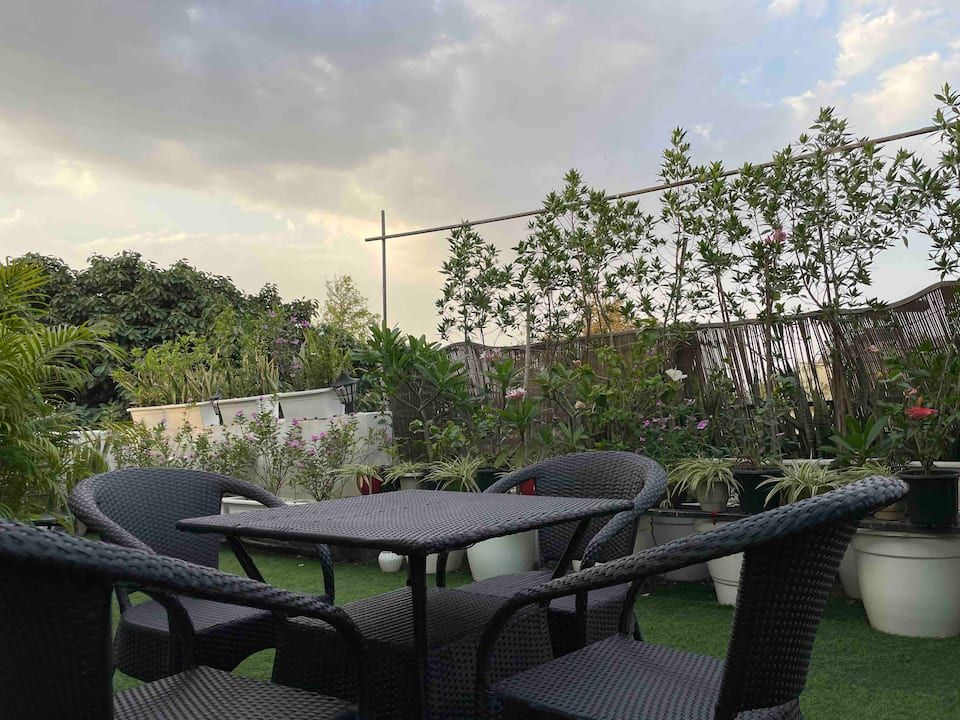
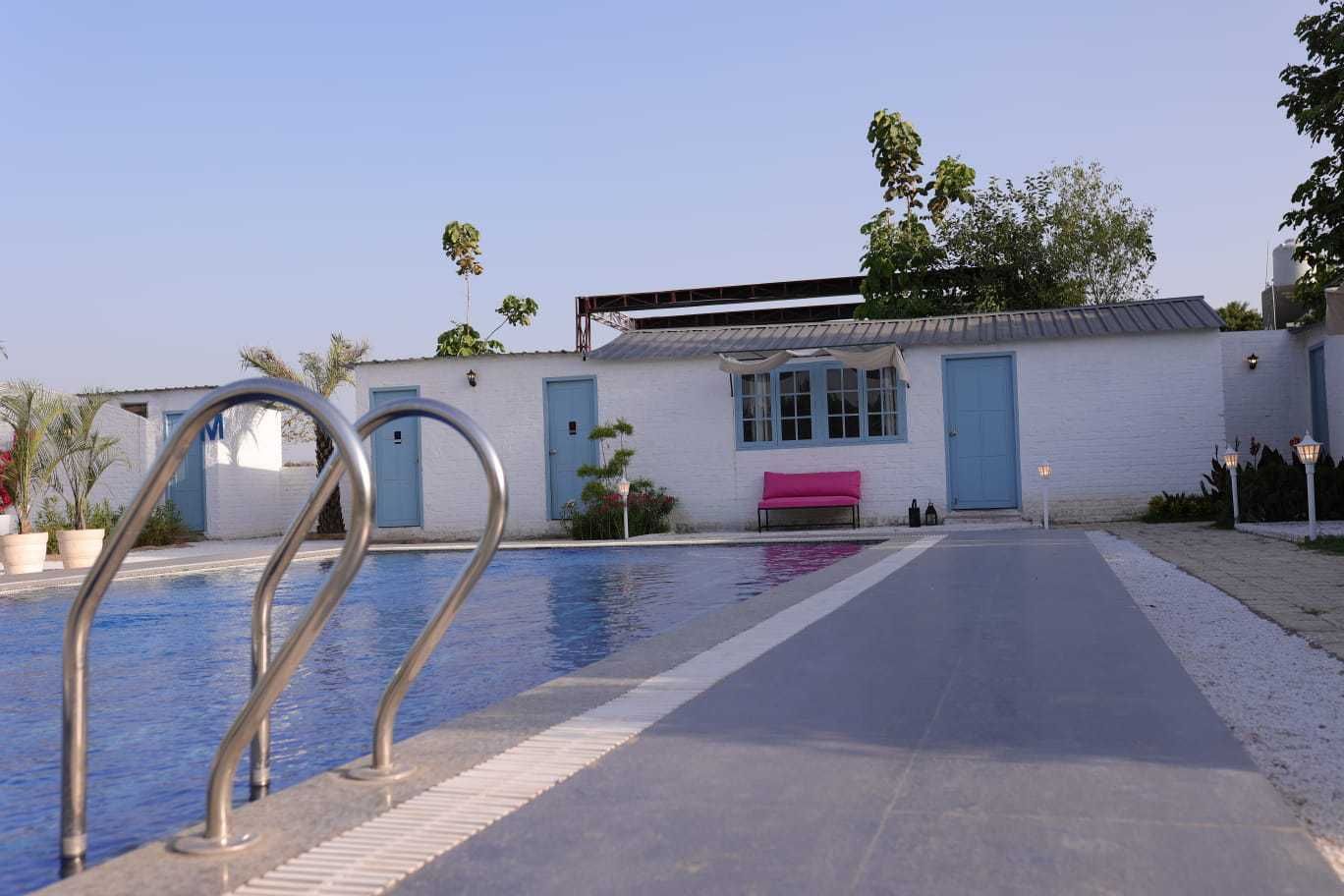
Travellers planning an unhurried weekend or extended exploration of Delhi's quiet enclaves can find comfortable accommodation across the wider National Capital Region. Outdoor stays, nature-oriented campsites, and private homestays can be booked directly through HireACamp. Staying slightly outside congested commercial sectors allows for peaceful evenings and easier early morning access to city heritage walks and riverside vistas.
Written with AI from creators' posts and map data. Check prices and timings locally before you go.
14 places · 15 creator recommendations · Updated today
Ranked by how many independent creators recommend each place, not by who paid. The list updates itself as new posts come in.


Frequently asked questions
What is the closest quiet morning spot to Civil Lines?
Yamuna Ghat no 24 is located about 2 km from Civil Lines near Kashmere Gate. It is popular for sunrise photography and observing migratory birds along the riverbank.
Which historic walking sites are easiest to visit from Civil Lines?
Mehrauli Archaeological Park Walk and the grounds around Bagh-I-Alam Ka Gumbad Delhi in Hauz Khas offer spacious outdoor paths among medieval monuments, both accessible via direct metro or taxi routes.
Can I visit the Metro Museum while using the Delhi Metro?
Yes, the Metro Museum is located inside the operational concourse of Patel Chowk Metro Station, making it convenient to see during a transit journey through central New Delhi.
When is the best time of year to explore heritage monuments in Delhi?
The winter season between October and March brings pleasant, mild daytime weather suitable for walking through open-air sites and stepwells.
Stays near Civil Lines
Make a trip of it