
Sri Kilkari Baba Bhaironath Ji Pandav Kalin Mandir
Temple near Nizamuddin West, Delhi
1 post
Guide from 1 post by 1 creator
@vlogsjrahatke
Hidden gem
Far fewer reviews than places like it nearby, yet creators keep finding it.
2.4 km from Nizamuddin West
The nearest town, for stays, food and fuel.
Sri Kilkari Baba Bhaironath Ji Pandav Kalin Mandir is an ancient temple situated near Pragati Maidan in central Delhi. Associated by local tradition with the Pandavas from the Mahabharata, the shrine draws thousands of devotees who come to seek the blessings and protection of Lord Bhaironath. Its distinctive devotional practices and historical roots make it one of the most culturally unique pilgrimage spots in the capital.
Getting there
By road
- From New Delhi13 min · 6.3 km
- From New Delhi13 min · 6.3 km
- From Nizamuddin WestNearest town15 min · 5.5 km
- From Dehradun3 hr 20 min · 224 km
By train, bus or air
- New DelhiNearest railway station18 min · 6 km
- KaushambiNearest bus stand22 min · 13 km
- Indira Gandhi International AirportNearest airport39 min · 21 km
Typical drive times without traffic. Stations and airports from OLA Maps; distances and typical drive times from OLA Maps and OpenStreetMap (© OpenStreetMap contributors); notes from creators' Reels.
About Sri Kilkari Baba Bhaironath Ji Pandav Kalin Mandir
Written with AI from creators' posts and map data. Check prices and timings locally before you go.
The Pandava legacy of the temple
Sri Kilkari Baba Bhaironath Ji Pandav Kalin Mandir stands in the shadow of the historic Purana Qila in Pragati Maidan, New Delhi. Local tradition holds that the temple dates back to the era of the Mahabharata, believed to have been established by the Pandava brothers during their reign at Indraprastha. According to popular lore, Bheem, the second Pandava brother, installed and consecrated the idol of Lord Bhairav here to seek strength and divine protection before entering monumental battles.
Over the centuries, the site has grown into a deeply revered pilgrimage point for devotees of Lord Bhairav, a fierce and protective manifestation of Lord Shiva. The temple compound preserves an enduring spiritual energy, flanked by ancient boundary walls, mature neem and banyan trees, and lively prayer halls where bells and hymns echo throughout the day. Visitors find here a striking union of ancient epic mythology and active, modern urban worship.
Shrines and unique offerings at the temple
The temple complex is broadly divided into two distinct sanctums dedicated to different aspects of the deity: Doodhiya Bhairav and Kilkari Bhairav. At the Doodhiya Bhairav shrine, devotees traditionally offer milk, flowers, and sweets, offering prayers for gentle blessings, peace, and family wellbeing. The atmosphere in this section is quiet and contemplative, in line with traditional Shaivite temple rituals.
In contrast, the Kilkari Bhairav shrine is known for its esoteric worship traditions. Here, devotees present offerings of alcohol alongside traditional items such as coconuts, betel leaves, and dry fruits. This custom reflects ancient tantric customs where Bhairon is honoured as a fierce protector who accepts unconventional oblations. Another prominent feature of the temple grounds is the presence of community dogs, regarded as the sacred mount or vahana of Lord Bhaironath. Devotees regularly bring milk, biscuits, and bread to feed the dogs resting around the courtyards.
Read more
Best time to visit
Delhi experiences distinct seasonal extremes, which have a major impact on your visit. The most comfortable time to plan a pilgrimage is during the autumn and winter months between October and March. During this period, the weather remains pleasant and cool during the day, allowing visitors to walk through the temple grounds and explore neighbouring heritage precincts without encountering debilitating heat.
Summers from April to June are intensely hot across Delhi, with high midday temperatures. If travelling during this season, it is best to visit the temple in the cooler hours of the early morning or after sunset. The monsoon season between July and September brings intermittent rain and high humidity, though the surrounding greenery around the Old Fort area becomes lush and vibrant. Devotees also gather in exceptionally large numbers on Sundays and Tuesdays, which are traditionally sacred days for worshipping Lord Bhaironath, as well as during the biannual festival of Navratri.
How to reach Sri Kilkari Baba Bhaironath Ji Mandir
Situated within Pragati Maidan in central Delhi, the temple enjoys convenient road connections from all parts of the National Capital Region. The site is located approximately 6 kilometres from central New Delhi, a drive that typically takes around 13 minutes under smooth, traffic-free conditions. Given the natural ebb and flow of city traffic, actual travel times can vary depending on the time of day.
For visitors arriving from neighbouring northern states, Delhi is seamlessly connected via major highway corridors. Dehradun is roughly 224 kilometres away, taking about 3 hours and 20 minutes by road in typical driving conditions. Jaipur in Rajasthan is located around 297 kilometres away, taking approximately 4 hours and 30 minutes. Chandigarh sits roughly 258 kilometres to the north, also requiring about 4 hours and 30 minutes of driving. Within the city, auto-rickshaws, app-based taxis, and city metro connections serving the Pragati Maidan area make reaching the shrine straightforward.
Tips for your temple visit
Visiting Sri Kilkari Baba Bhaironath Ji Pandav Kalin Mandir is an energetic cultural experience that benefits from a little preparation. Sundays and festival days draw large crowds, which often leads to winding queues near the sanctum. If you prefer a tranquil visit with shorter wait times, aim to arrive on a weekday morning.
Visitors are required to remove their footwear before entering the temple halls, and stalls near the entrance provide basic shoe-keeping arrangements. Dress respectfully, choosing clothing that covers your shoulders and knees out of deference to local customs. Vendors outside the gates sell puja samagri, including milk, sweets, and ceremonial items, so you do not need to carry offerings from afar. Keep personal belongings close to you when passing through crowded passageways, and check locally regarding photography restrictions inside the sanctum.
Places to visit nearby
Because the temple is centrally positioned, it serves as an excellent starting point for exploring Delhi's historic core. Just 1 kilometre away is the National Gallery of Modern Art, featuring premier collections of modern and contemporary Indian visual arts. The National Museum, housing thousands of years of Indian artefacts, art, and sculpture, is located roughly 2 kilometres away.
Architecture enthusiasts can visit Humayun's Tomb, an acclaimed sixteenth-century Mughal garden tomb situated about 2 kilometres from the temple. Agrasen ki Baoli, an ancient stepwell, and the astronomical observatory of Jantar Mantar are both around 3 kilometres away near Connaught Place and Central Park. For open greenery and historical walking trails, Lodhi Garden is situated roughly 3 kilometres to the southwest. Further north, the iconic Red Fort stands approximately 5 kilometres away.
Where to stay
Delhi offers a broad spectrum of accommodation options suited for cultural travellers and pilgrims. Central and South Delhi feature numerous residential neighbourhoods and heritage pockets where visitors can find peaceful surroundings while staying well-connected to major roads and metro lines.
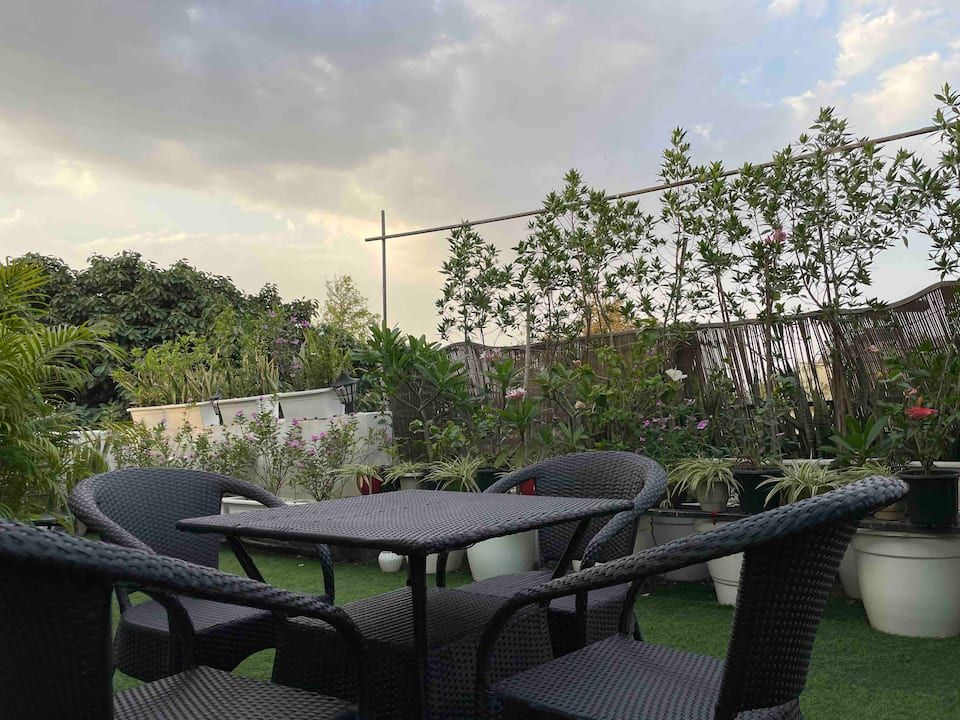
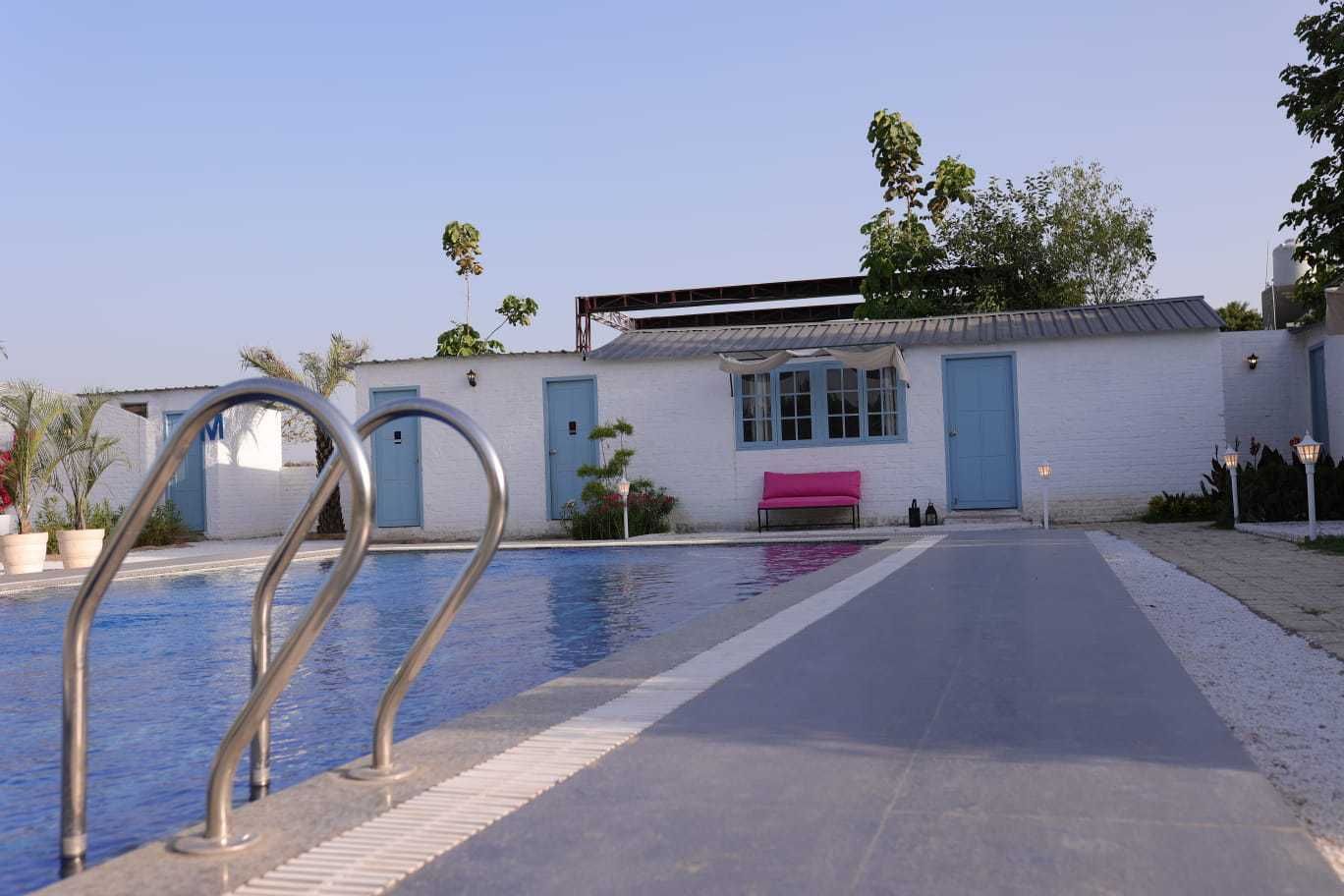
If you prefer combining your urban pilgrimage with a nature-focused retreat or a quiet countryside escape on the outskirts of Delhi, a curated selection of homestays, cottages, and outdoor camps can be discovered on HireACamp. Booking a stay beyond the high-density urban core lets you enjoy scenic open spaces while keeping day excursions to central Delhi's landmarks completely manageable.
Frequently asked questions
Where is Sri Kilkari Baba Bhaironath Ji Pandav Kalin Mandir located?
The temple is located in Pragati Maidan, near the historic Purana Qila in central New Delhi, Delhi.
What is the mythological origin of this temple?
According to popular legend, the temple dates back to the Mahabharata period and was founded by Bheem, one of the Pandava brothers, to seek the protection and power of Lord Bhairav.
What are the two main shrines inside the complex?
The complex contains the Doodhiya Bhairav shrine, where milk and sweets are traditionally offered, and the Kilkari Bhairav shrine, known for its unique custom of offering liquor alongside conventional prasad.
Which days see the largest crowds at the temple?
Sundays and Tuesdays are considered especially sacred for Lord Bhairav, drawing the largest gatherings of devotees throughout the week.
How far is the temple from central New Delhi?
The temple is approximately 6 kilometres from central New Delhi, a journey that takes around 13 minutes under typical traffic-free conditions.
Where you'll be
Pragati Maidan, New Delhi, Delhi 110001 · 2 stays nearby shown with prices
As seen on Instagram
The posts this guide is built from
Stays near Sri Kilkari Baba Bhaironath Ji Pandav Kalin Mandir
Book a place to stay close by
Often visited together
Creators who went here also showed these


More places near Sri Kilkari Baba Bhaironath Ji Pandav Kalin Mandir
Within 20 km


Lists for this area
Ranked by how many creators recommend each place


Built from 1 Instagram post by 1 creator. Every tip links back to the post it came from, and where creators disagree we show both sides.






