Hidden places near Dhauj
Set within forty kilometres of Dhauj, these lesser-known historical monuments, quiet spiritual spaces, and green parklands offer relaxed alternatives to crowded urban hubs. The selection caters to day-trippers, heritage buffs, and outdoor enthusiasts looking to explore the southern stretches and green enclaves bordering Haryana and the national capital. Whether you are interested in medieval stone architecture or early-morning nature trails, these locations provide rewarding stops close to Dhauj.
Historical monuments and green walks near Dhauj
Travelling north from Dhauj into the forested rim of South Delhi brings you to several remarkable heritage sites set within peaceful surroundings. Mehrauli Archaeological Park Walk offers a tranquil route through centuries of architectural history, winding past medieval monuments and wooded clearings where visitors can spot free-roaming deer. Tucked within this expansive landscape is Rajon Ki Baoli, an early sixteenth-century stepwell from the Lodi era characterized by symmetrical arches, stone carvings, and quiet subterranean chambers.
Further into the city's green belt, Bagh-I-Alam Ka Gumbad Delhi stands inside the lawns of Deer Park in Hauz Khas. This fifteenth-century Lodi-era tomb retains traces of historic masonry and delicate tile accents, surrounded by shaded paths that attract morning walkers and history enthusiasts alike. Near Mehrauli, Ahinsa Sthal provides another scenic vantage point, featuring an imposing statue of Lord Mahavira set atop a rocky knoll with landscaped grounds overlooking the ancient ridge.
Spiritual landmarks and cultural stops
The perimeter within forty kilometres of Dhauj is home to notable cultural and religious sanctuaries spanning diverse traditions. Cambodian Monastery New Delhi, located along Anuvrat Marg near Chhatarpur, features traditional Southeast Asian architectural touches and quiet prayer spaces. Nearby in Mehrauli stands Shri Yogmaya Temple, Mehrauli, an ancient shrine associated with Lord Krishna's sister and deeply tied to regional festive traditions.
In Hauz Khas, Shri Jagannatha Temple, Hauz khas showcases distinct Kalinga-style architecture and stands as a centre for classical Odia traditions and the annual chariot festival. Devotees also head toward central areas to explore Sri Kilkari Baba Bhaironath Ji Pandav Kalin Mandir, a sacred shrine steeped in Mahabharata folklore situated near Pragati Maidan, and the peaceful Lord Shiva Temple located in the Gole Market neighbourhood.
For an unusual perspective on contemporary city life, the Metro Museum at Patel Chowk Metro Station showcases the engineering achievements, scale models, and photographs of Delhi's underground and elevated transport network.
Riverside mornings at Yamuna Ghat
For travellers who appreciate quiet sunrises and expansive water views, Yamuna Ghat no 24 offers a peaceful early-morning outing. Located near Kashmere Gate along the Yamuna River, this river landing becomes a gathering point at dawn for early visitors and birdwatchers.
During the cooler months, large flocks of migratory birds skim across the water, providing a striking natural atmosphere away from the highway traffic. A visit here pairs well with early morning photography or quiet contemplation by the water before the daytime bustle begins.
Best time to visit
The region surrounding Dhauj and the capital territory experiences distinct seasonal shifts. The winter months, extending from October to March, bring moderate temperatures, clear mornings, and comfortable afternoon sunshine that make exploring outdoor archaeological sites and woodland trails very enjoyable.
Monsoon season, spanning July through September, enlivens the wooded belts around the Aravalli hills and the ridge parks with vibrant greenery, though rain showers can make stone steps and unpaved park pathways slick. Summers are intensely hot and dry, making midday sightseeing uncomfortable, so outdoor excursions are best confined to sunrise or twilight during those months.
Tips for your trip
Because several of these locations involve walking across uneven stone ruins, forest clearings, or stepwell staircases, wear sturdy, closed-toe footwear. Mehrauli Archaeological Park Walk and the grounds around Bagh-I-Alam Ka Gumbad Delhi require a fair amount of gentle walking to appreciate fully.
Traffic conditions between the rural roads of Dhauj and the city borders can vary significantly throughout the day, so departing early in the morning guarantees a more relaxing journey. Remember to check locally for current temple prayer times, photography permissions, and entry arrangements before setting out.
Where to stay near Dhauj
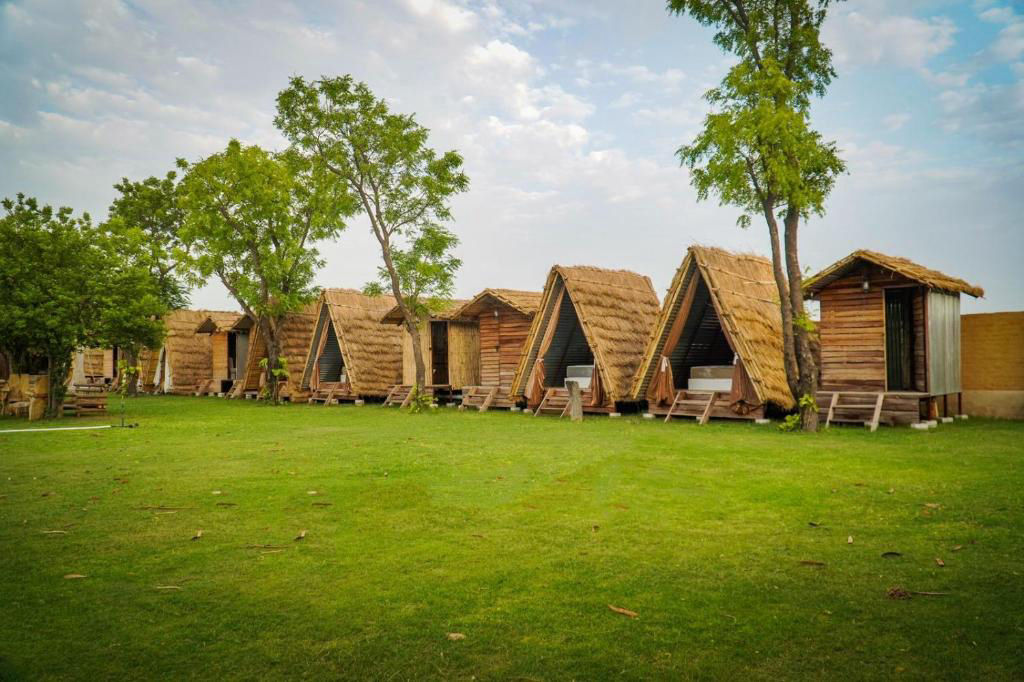
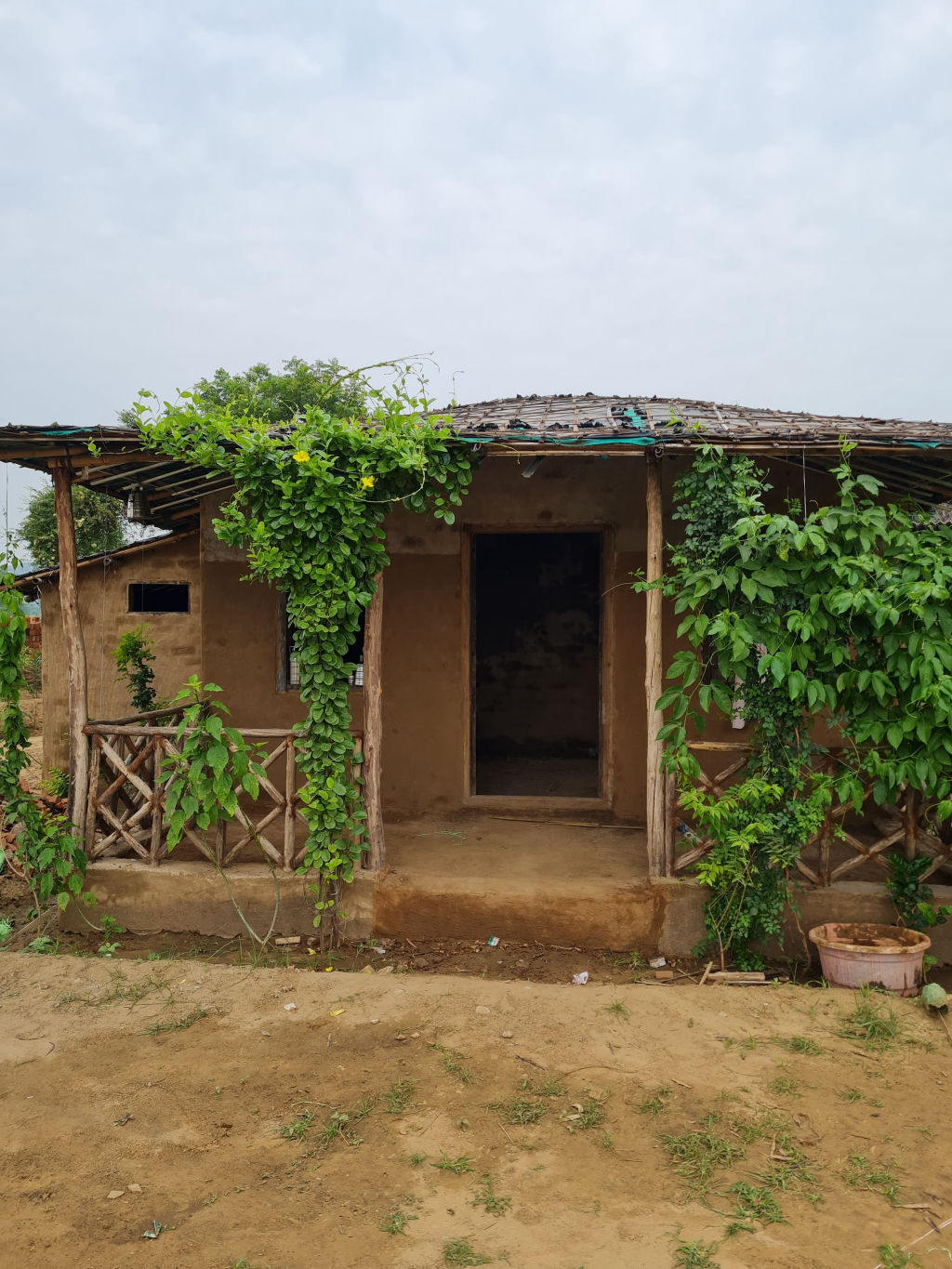
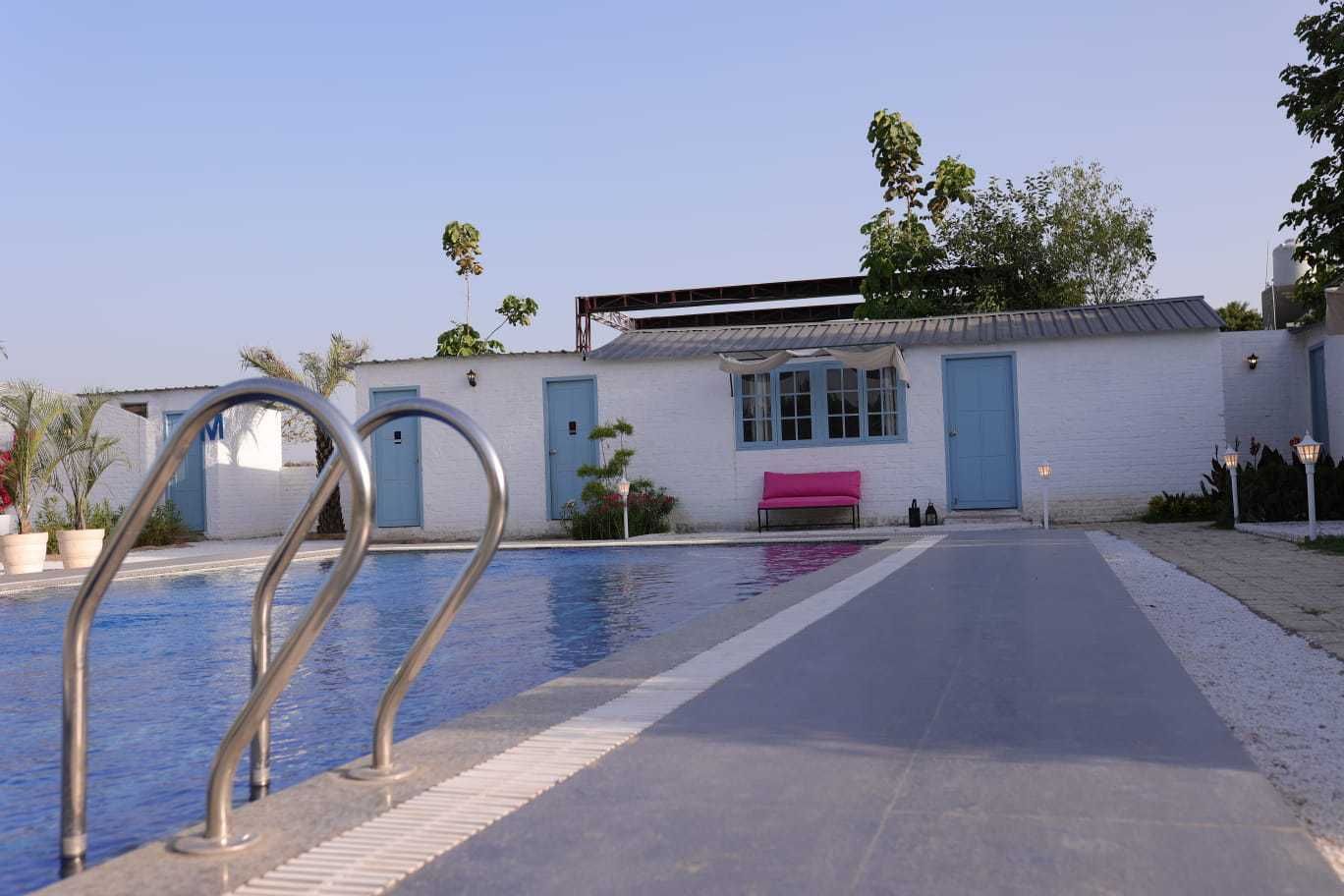
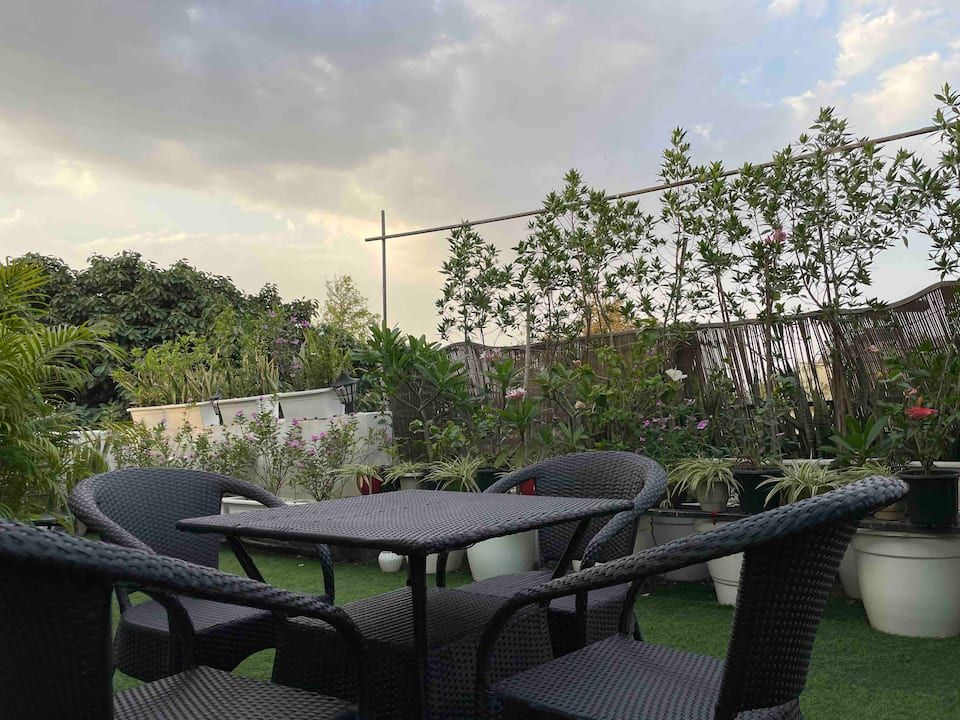
The rural landscapes around Dhauj and the neighbouring Aravalli terrain are well suited for outdoor retreats, rustic farm getaways, and quiet weekend camping trips away from congested city centres. You can find well-curated camps, homestays, and outdoor stays nearby on HireACamp. Booking an outdoor stay in this area lets you experience peaceful, star-filled evenings while keeping you within easy driving distance of regional heritage landmarks.
Written with AI from creators' posts and map data. Check prices and timings locally before you go.
14 places · 15 creator recommendations · Updated today
Ranked by how many independent creators recommend each place, not by who paid. The list updates itself as new posts come in.


Frequently asked questions
Which historic ruins are easiest to combine on a single trip from Dhauj?
Mehrauli Archaeological Park Walk and Rajon Ki Baoli sit within the same contiguous heritage forest in Mehrauli, about twenty kilometres from Dhauj. You can also easily pair them with nearby stops like Ahinsa Sthal and Shri Yogmaya Temple, Mehrauli.
What is the best time of day to visit Yamuna Ghat no 24?
Sunrise is the best time to visit Yamuna Ghat no 24, as the early morning light brings calm river views and flocks of visiting waterbirds before city traffic begins.
Is Bagh-I-Alam Ka Gumbad Delhi located inside a public park?
Yes, Bagh-I-Alam Ka Gumbad Delhi is situated within Deer Park in Hauz Khas, where it is surrounded by paved walking tracks, manicured lawns, and mature trees.
Can I visit these heritage and cultural places by car from Dhauj?
Most of these locations are within twenty to thirty-five kilometres of Dhauj and can be reached by car, though exact driving times will depend on daily traffic conditions across the Haryana-Delhi border.
Stays near Dhauj
Make a trip of it