Hidden places near Gurugram
This guide covers quieter heritage monuments, riverside spots, and cultural sanctuaries situated within 40 kilometres of Gurugram. It suits residents, working professionals, and curious travellers seeking refreshing day trips and reflective walks outside the standard commercial spaces. The places highlighted here provide a calm look into the historical and spiritual fabric of the National Capital Region.
Historic monuments and heritage trails
South Delhi sits only a short drive from Gurugram and contains an extraordinary density of medieval ruins and preserved masonry. Bagh-I-Alam Ka Gumbad Delhi, set in the green surroundings of Deer Park in Hauz Khas, dates back to the Lodi dynasty and draws visitors looking to admire intricate historic tile remnants alongside peaceful garden paths.
Further south in Mehrauli, travellers can explore the expansive Mehrauli Archaeological Park Walk. This heritage landscape contains ruins spanning the Delhi Sultanate, Mughal, and British colonial periods. Deep inside this parkland lies Rajon Ki Baoli, a multi-tiered sixteenth-century stepwell celebrated for its shaded subterranean colonnades and historic stone carving work. On a nearby rocky knoll stands Ahinsa Sthal, where a seated statue of Lord Mahavira overlooks surrounding forests and provides a quiet pause from urban traffic.
Sacred spaces and cultural retreats
The areas bordering Gurugram house a wide array of sacred sites representing diverse cultural and devotional traditions. In the lanes of Mehrauli, Shri Yogmaya Temple, Mehrauli preserves centuries of living worship tied to local folklore and seasonal festivities. Near Chhatarpur, the Cambodian Monastery New Delhi introduces visitors to traditional Southeast Asian monastic architecture, offering peaceful prayer halls and manicured greenery that feel distinctly separate from the surrounding city bustle.
Those interested in regional craftsmanship can visit Shri Jagannatha Temple, Hauz khas, which features classical Kalinga architectural design and regular community traditions. In central areas, Lord Shiva Temple near Gole Market offers a quiet pause for urban commuters, while Sri Kilkari Baba Bhaironath Ji Pandav Kalin Mandir near Pragati Maidan presents ancient folk rituals linked by long-standing tradition to early epic lore.
Riverside mornings and civic history
Early morning travel from Gurugram opens up distinct experiences along the river and across the capital's modern transit lines. Yamuna Ghat no 24 near Kashmere Gate is an evocative riverfront spot where early visitors gather to watch dawn break across the water and witness flocks of river birds skimming the current.
For an entirely different perspective on the region, the Metro Museum located inside Patel Chowk Metro Station displays the engineering milestones, photographs, and mechanical models behind the development of the city's modern mass transit system. It offers an easy stop while travelling through the central corridors of the capital.
Best time to visit
The optimal period for visiting outdoor sites near Gurugram is during the cooler months from October to March. Winter mornings bring crisp air and pleasant midday sunshine, making extended outdoor strolls around heritage parks and open stepwells very comfortable.
Summer months bring dry, intense heat across Haryana and Delhi, making midday outings challenging. If visiting between April and June, schedule your trips for early mornings or late afternoons, carry adequate hydration, and favour shaded interiors or indoor exhibits.
Getting there from Gurugram
Most of these heritage landmarks and sacred spots sit between 16 and 31 kilometres from Gurugram, making them straightforward half-day trips. Road journeys via the Mehrauli-Gurgaon Road, National Highway 48, or the southern arterial roads generally take between 45 and 90 minutes depending on departure time and local traffic.
The Delhi Metro Yellow Line also connects Gurugram directly to South and Central Delhi stations such as Qutub Minar, Hauz Khas, and Patel Chowk, offering a reliable alternative to road congestion during peak commuting hours.
Where to stay
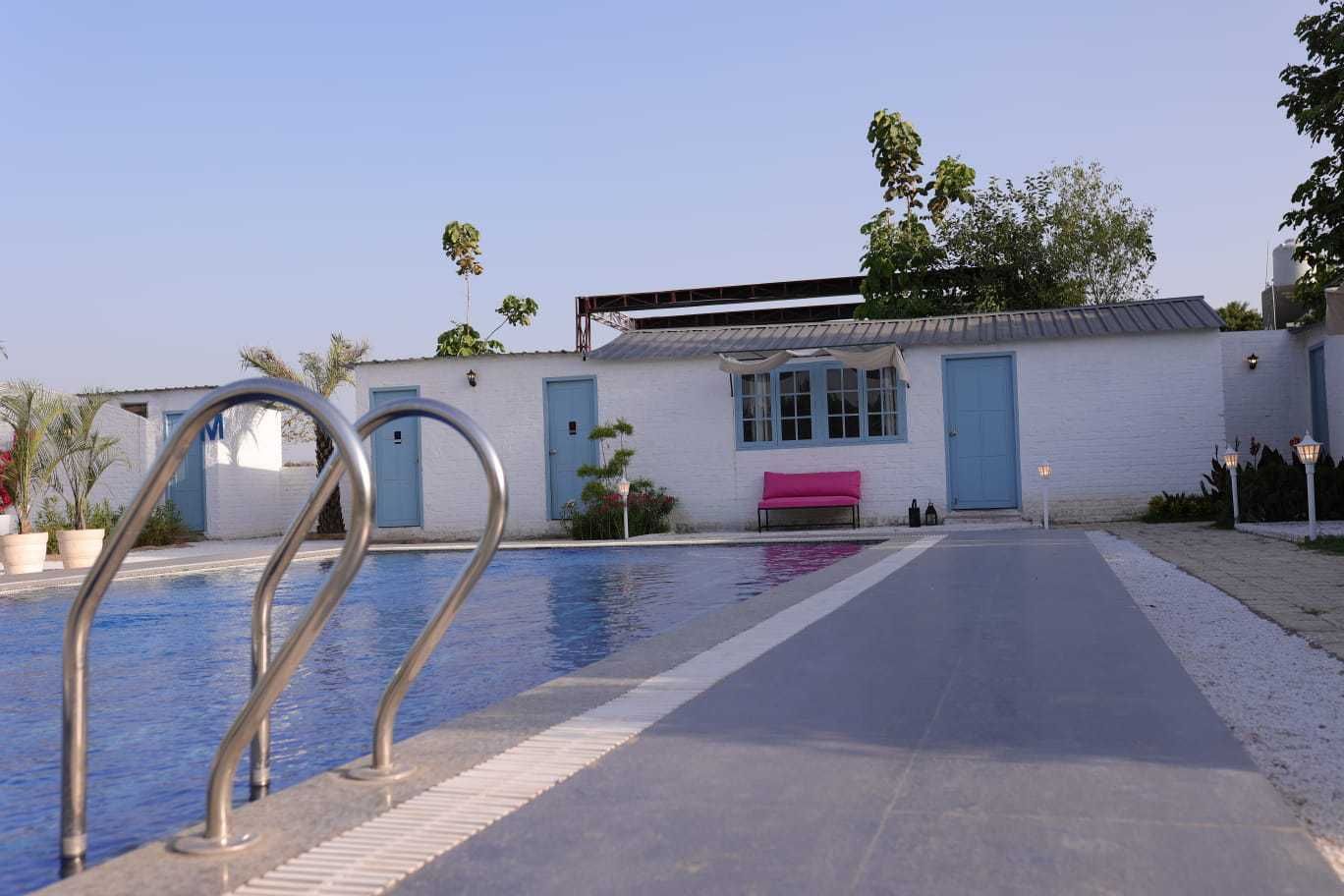
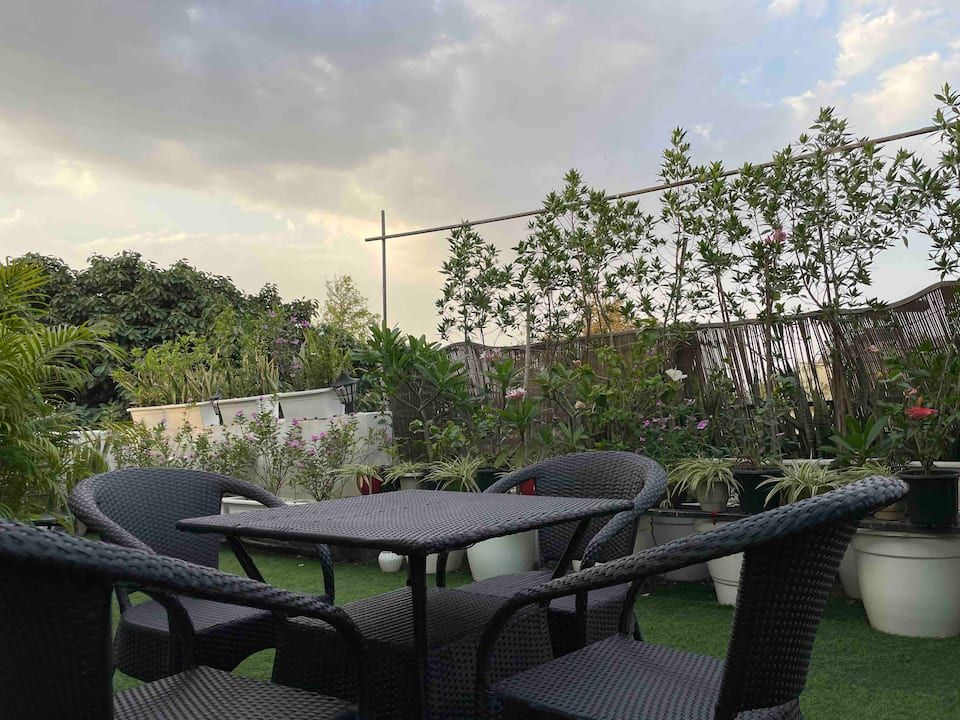
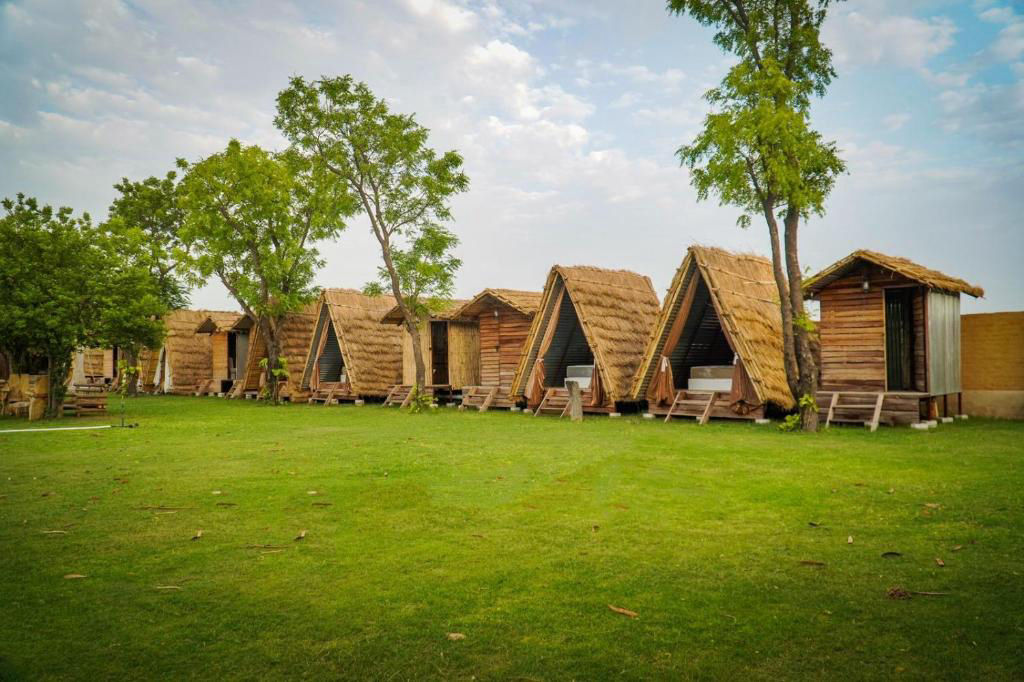
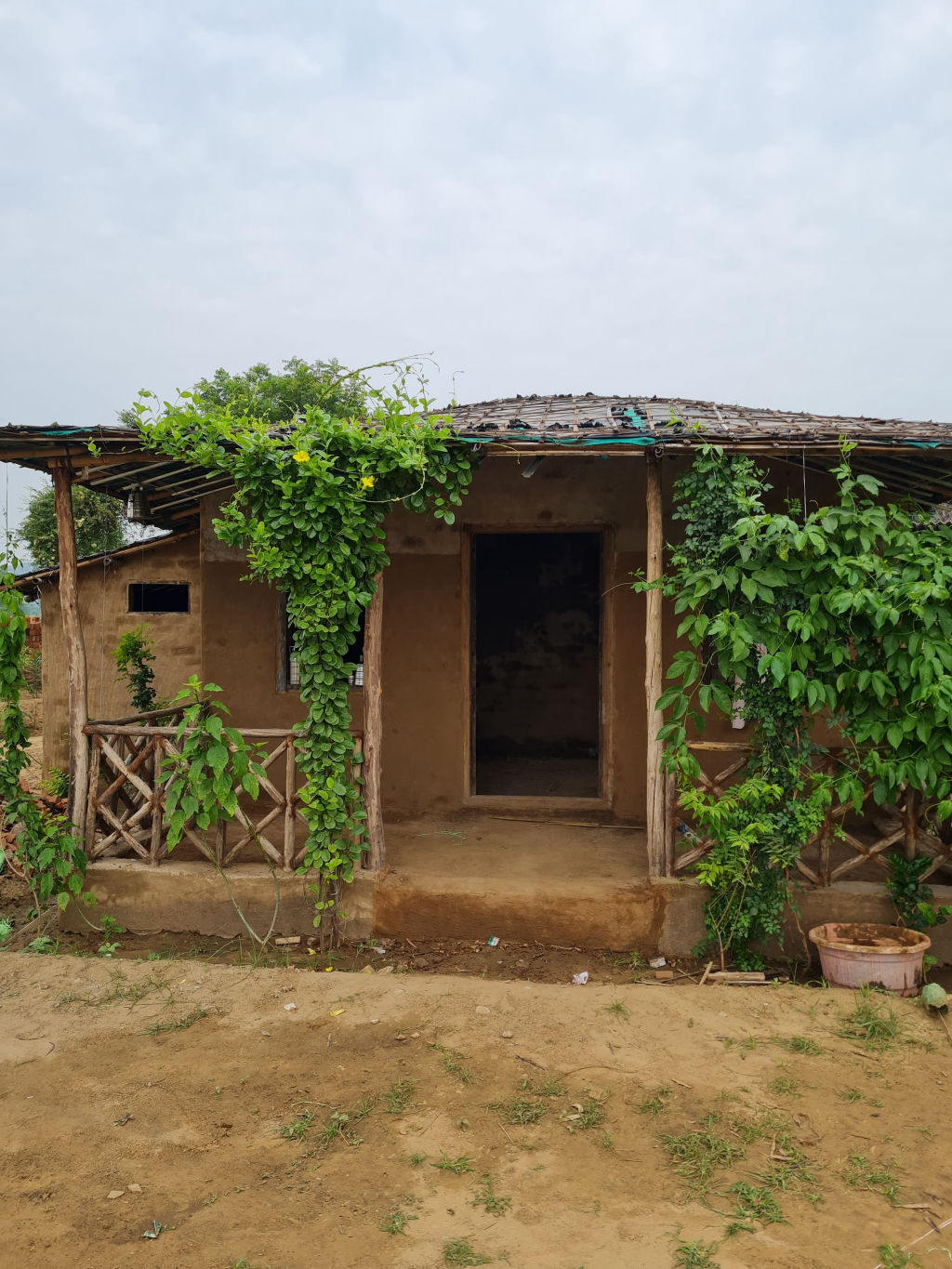
If you are planning to extend your outing into an overnight getaway, peaceful homestays, nature retreats, and outdoor camps can be found on HireACamp. Staying just outside the dense corporate quarters lets you experience the greener fringes of the Aravalli hills and wake up early for nearby cultural explorations.
Written with AI from creators' posts and map data. Check prices and timings locally before you go.
14 places · 15 creator recommendations · Updated today
Ranked by how many independent creators recommend each place, not by who paid. The list updates itself as new posts come in.


Frequently asked questions
What is the best time of day to explore heritage sites like Rajon Ki Baoli?
Early mornings are ideal for exploring outdoor monuments, as the temperatures are cooler, the light is soft for photography, and the grounds are far less crowded.
Can I visit these spots from Gurugram using the Delhi Metro?
Yes, several stops including the Metro Museum at Patel Chowk and the Mehrauli monuments near Qutub Minar station sit within easy reach of the Delhi Metro Yellow Line originating in Gurugram.
What should I wear when visiting temples and monasteries near Gurugram?
Modest clothing covering the shoulders and knees is appropriate for visiting religious sites like Shri Yogmaya Temple and the Cambodian Monastery. Visitors should also wear comfortable slip-on footwear, as shoes must be removed before entering sanctums and prayer halls.
Are there green outdoor walking areas near Gurugram on this list?
Both the Mehrauli Archaeological Park Walk and the grounds surrounding Bagh-I-Alam Ka Gumbad Delhi in Deer Park feature wide, tree-lined walking trails suitable for relaxed strolls.
Stays near Gurugram
Make a trip of it