Hidden places near Jharoda Mazra Burari
This guide highlights peaceful cultural corners, historic monuments, and quiet riverside spots located within easy reach of Jharoda Mazra Burari in Delhi. It is tailored for curious residents and travellers eager to explore lesser-visited architectural landmarks and serene sanctuaries across the capital. Whether you enjoy early mornings by the river or quiet afternoons amidst medieval ruins, these destinations offer a refreshing change of pace.
Top cultural and historic spots
Travellers seeking calm locations within the national capital will find several noteworthy spots situated in central and southern districts. Lord Shiva Temple, located near Gole Market in central New Delhi, offers devotees and passersby a tranquil shrine for quiet prayer just minutes away from busy commercial avenues. It serves as a gentle spiritual sanctuary in the middle of urban Delhi.
Another distinctive stop is the Metro Museum, situated right inside the Patel Chowk Metro Station concourse. The museum showcases scale models, technical exhibits, and historical photographs documenting the engineering feats behind the Delhi Metro network. For those drawn to historic architecture, Bagh-I-Alam Ka Gumbad Delhi sits within the peaceful greenery of Deer Park in Hauz Khas. This fifteenth-century Lodi-era tomb provides a quiet setting where visitors can observe medieval stone craft and delicate tile fragments away from traffic noise.
Heritage trails and riverside retreats
Venturing further into South Delhi reveals significant historical enclaves that feel removed from the urban rush. Ahinsa Sthal in Mehrauli is perched atop a rocky knoll and features a large stone statue of Lord Mahavira surrounded by peaceful landscaped gardens. Close by, the Mehrauli Archaeological Park Walk winds through a dense heritage forest containing ruins from Sultanate, Mughal, and colonial periods, including the multi-tiered stepwell of Rajon Ki Baoli. Nearby, the ancient Shri Yogmaya Temple continues devotional traditions that have been celebrated for centuries.
Closer to Jharoda Mazra Burari, Yamuna Ghat no 24 near Kashmere Gate presents an entirely different ambience. Early risers and photographers visit the water's edge at sunrise to watch boatmen glide across the river and observe seasonal flocks of migratory birds skimming above the misty surface. In central Delhi, Sri Kilkari Baba Bhaironath Ji Pandav Kalin Mandir near Pragati Maidan attracts worshippers exploring traditions that local lore connects to the Mahabharata.
Best time to visit
Delhi experiences distinct seasons, with wide fluctuations in temperature throughout the year. The cooler months between October and March offer pleasant daytime conditions, making it comfortable to spend hours exploring open-air archaeological parks, riverside ghats, and exposed monuments without mid-day heat. Early winter mornings are particularly atmospheric along the riverbanks, though seasonal haze and fog can be common.
During the summer months from April to June, temperatures rise sharply, making midday outdoor sightseeing challenging. If you are exploring during the warmer periods, schedule your outings to gardens and open monuments during early mornings or late afternoons, or head to indoor spots such as the Metro Museum during peak heat. The monsoon months between July and September bring humid weather along with lush greenery to heritage parks such as Deer Park and Mehrauli.
Getting around from Jharoda Mazra Burari
Most of the destinations across central and South Delhi are located between 8 and 25 kilometres from Jharoda Mazra Burari. Road journeys can take anywhere from thirty minutes to over an hour depending on traffic conditions and the time of day, with peak commuter hours seeing heavier congestion along primary arterial routes.
The Delhi Metro network provides a dependable alternative for crossing the city. Many of the featured destinations, such as the Metro Museum at Patel Chowk and the Mehrauli heritage monuments near Qutub Minar, are positioned close to operational metro stations. For riverside visits to Yamuna Ghat no 24, heading out around dawn helps you avoid city traffic and arrive in time for sunrise.
Where to stay
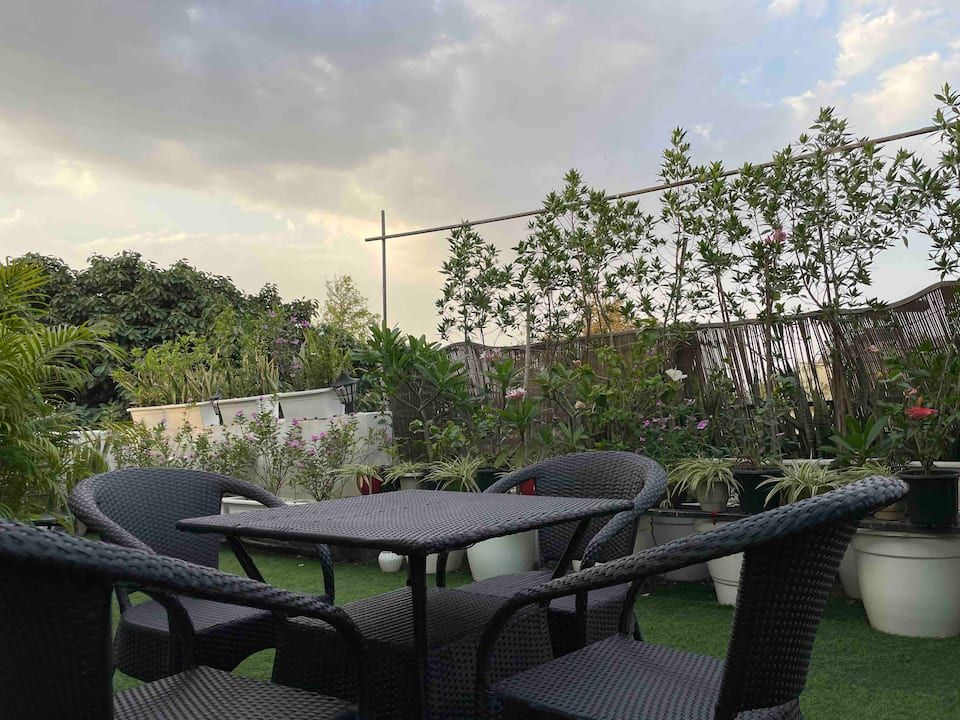
If you are planning an extended trip to explore Delhi and its tranquil heritage corners, selecting the right base is essential. Stays in greener residential zones, homestays in central neighbourhoods, or boutique rentals near South Delhi's parks allow you to unwind after a full day of sightseeing.
You can discover a curated selection of homestays, nature retreats, and outdoor camps on HireACamp to suit your travel plans.
Written with AI from creators' posts and map data. Check prices and timings locally before you go.
14 places · 15 creator recommendations · Updated today
Ranked by how many independent creators recommend each place, not by who paid. The list updates itself as new posts come in.


Frequently asked questions
What are some quiet historical places to visit near Jharoda Mazra Burari?
Notable quiet historical sites within a short drive include Bagh-I-Alam Ka Gumbad Delhi in Hauz Khas, Rajon Ki Baoli in Mehrauli, and the wider Mehrauli Archaeological Park Walk.
When is the best time of day to visit Yamuna Ghat no 24?
Yamuna Ghat no 24 is best visited around sunrise when the morning light falls across the river, traffic nearby is minimal, and flocks of birds can often be observed skimming over the water.
Are there interesting indoor cultural sites to explore in Delhi?
Yes, the Metro Museum at Patel Chowk Metro Station offers an engaging indoor look at modern engineering and transit history, making it easy to visit in any season.
How do travellers typically reach these spots from Jharoda Mazra Burari?
Travellers generally travel by car, auto-rickshaw, or the Delhi Metro. The metro provides a practical way to reach spots in central and South Delhi without sitting in roadway traffic.
Stays near Jharoda Mazra Burari
Make a trip of it