Hidden places near Paharganj
This guide highlights lesser-known heritage monuments, tranquil temples, riverside spots, and green parks located within 40 kilometres of Paharganj. It suits cultural travellers, history enthusiasts, and visitors staying near the city centre who want to explore peaceful retreats away from crowded market streets. The featured spots offer glimpses of Delhi's layered history, spiritual traditions, and outdoor trails.
Historic and spiritual sites close to Paharganj
Right around Paharganj and central Delhi, travellers can encounter quiet retreats only a short distance from the area's lively transit lanes. The Lord Shiva Temple near Gole Market is situated roughly one kilometre from Paharganj, providing devotees and travellers with a peaceful sanctuary to pause and reflect. Just two kilometres away at Patel Chowk, the Metro Museum offers an engaging look into the engineering and history of the capital's rapid transit system, showcasing scale models, historic photographs, and operational artifacts right inside the station concourse. A short ride toward Pragati Maidan leads to Sri Kilkari Baba Bhaironath Ji Pandav Kalin Mandir, an ancient shrine associated with Mahabharata traditions where devotees gather to seek blessings.
Heritage trails in South Delhi
Heading slightly south of Paharganj reveals sprawling archaeological landscapes that contrast with the urban density. The Mehrauli Archaeological Park Walk guides visitors through centuries of Sultanate, Mughal, and colonial architecture situated within an expansive heritage woodland where deer roam freely. Within this archaeological zone lies Rajon Ki Baoli, a sixteenth-century stepwell from the Lodi period featuring deep arched colonnades and intricate stone carvings that once served as a water reservoir and resting stop. Nearby, the ancient Shri Yogmaya Temple preserves devotional customs linked to the historic Phool Walon Ki Sair, while Ahinsa Sthal stands on a rocky knoll crowned by a monumental statue of Lord Mahavira set among manicured gardens.
Green spaces and riverside walks
Beyond South Delhi, central and northern quarters offer distinctive outdoor spaces for morning and evening strolls. Yamuna Ghat no 24 near Kashmere Gate sits along the riverbank, where early visitors gather to watch the sunrise and view migratory birds resting along the water. In Hauz Khas, Bagh-I-Alam Ka Gumbad Delhi rises within the green enclosure of Deer Park, allowing walkers to study fifteenth-century Lodi masonry and glazed tile details in a tranquil parkland. Travellers can also explore the serene grounds of the Cambodian Monastery New Delhi along Anuvrat Marg, which displays Southeast Asian Buddhist architecture, or stop by Shri Jagannatha Temple in Hauz Khas to appreciate classical Kalinga craftsmanship.
Best time to explore places near Paharganj
Delhi experiences marked seasonal shifts that shape the experience of wandering through outdoor ruins and open courtyards. The months from October through March provide mild temperatures and clear days, making this period well-suited for walking tours across Mehrauli Archaeological Park or taking morning trips to Yamuna Ghat no 24. Summer months from April to June bring intense daytime heat, during which outdoor visits are most comfortable in the earliest hours of the morning or late evening. The monsoon months between July and September bring humid weather alongside renewed greenery in places like Deer Park, giving monument grounds and open courtyards a refreshed appearance.
Getting around and planning your visits
Paharganj serves as a practical central hub for exploring the capital, thanks to its proximity to the New Delhi Railway Station and major Delhi Metro corridors. Stations like Patel Chowk and New Delhi make reaching distant heritage hubs such as Mehrauli or Hauz Khas straightforward without getting caught in heavy surface traffic. Auto-rickshaws and app-based cabs operate readily around Paharganj for shorter journeys to local temples, museums, and riverside spots. When planning excursions, note that local opening times, photography rules, and guidelines vary across archaeological zones and active places of worship, so it is wise to verify visiting details on site.
Where to stay
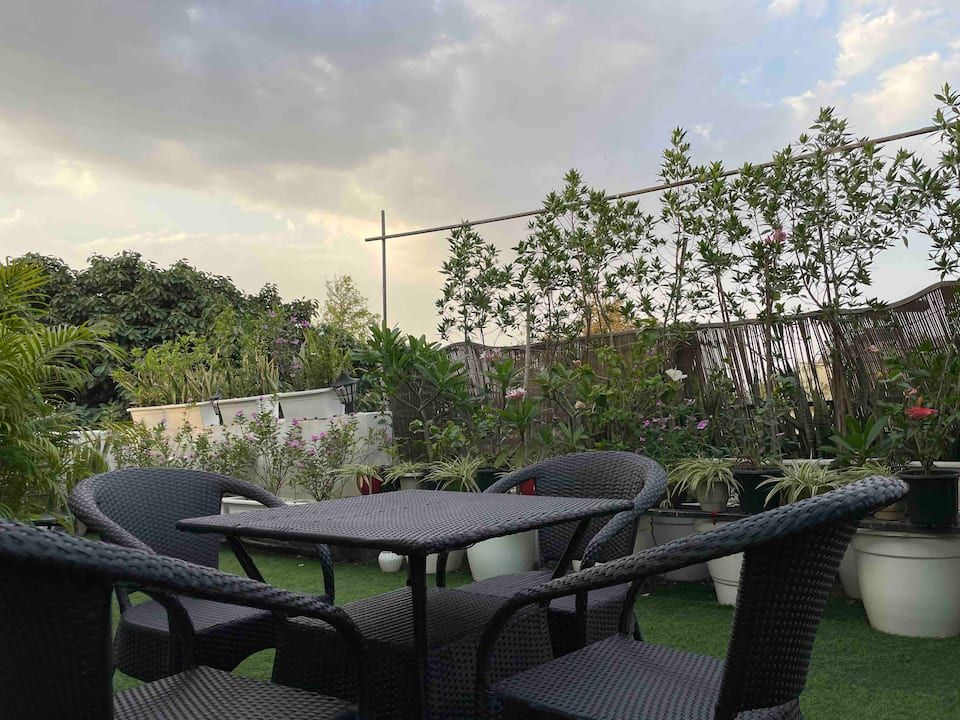
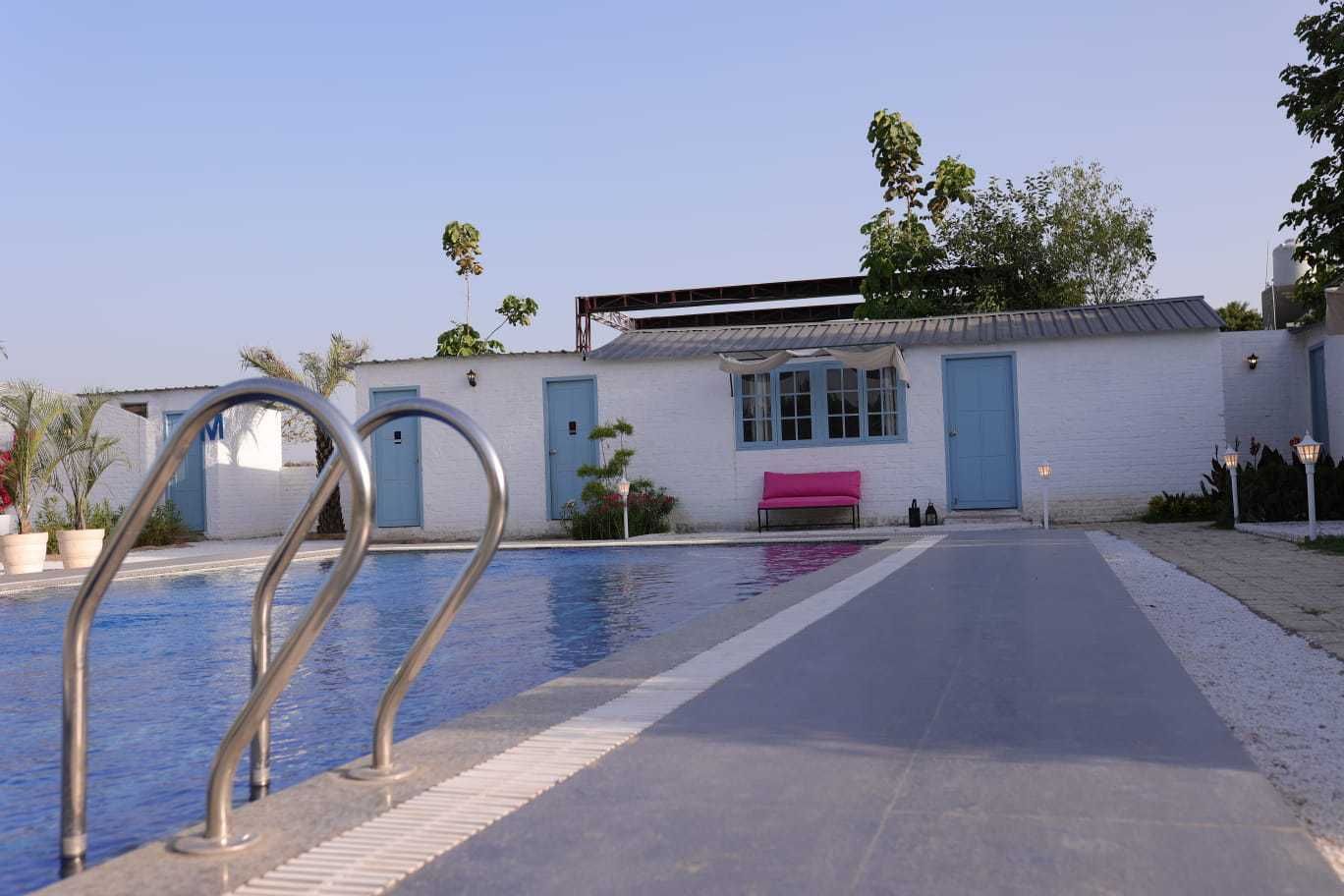
Travellers planning to explore Delhi's heritage monuments and quiet temples will find abundant accommodation options suited to different travel styles. While Paharganj is known for its budget hotels and lively lanes, quieter residential homestays, boutique lodgings, and nature-inspired camps are scattered throughout the capital region and on its greener outskirts. Those looking for characterful retreats, independent homestays, and outdoor getaways can browse curated listings on HireACamp to find comfortable bases that balance easy urban connectivity with a peaceful place to rest after a day of sightseeing.
Written with AI from creators' posts and map data. Check prices and timings locally before you go.
14 places · 15 creator recommendations · Updated today
Ranked by how many independent creators recommend each place, not by who paid. The list updates itself as new posts come in.


Frequently asked questions
What are some quiet historical places to visit near Paharganj?
Mehrauli Archaeological Park Walk and Rajon Ki Baoli offer expansive walking trails among medieval monuments, while Bagh-I-Alam Ka Gumbad Delhi in Hauz Khas provides a peaceful historical retreat inside Deer Park.
How can I reach Mehrauli Archaeological Park from Paharganj?
The Delhi Metro connects central Delhi directly to South Delhi, with the Qutub Minar Metro Station located right across from the park entrance. Taxis and auto-rickshaws also provide direct road access.
What is the best time of day to visit Yamuna Ghat no 24?
Early morning around sunrise is the most rewarding time to visit Yamuna Ghat no 24, when travellers can view the light on the river and observe migratory birds in a quiet setting.
Are there peaceful places of worship to visit near Paharganj?
Yes, visitors can find peaceful surroundings at the Lord Shiva Temple near Gole Market, Shri Yogmaya Temple in Mehrauli, Ahinsa Sthal, and the Cambodian Monastery New Delhi.
When is the best season to explore outdoor heritage sites in Delhi?
The cooler months from October to March offer the most comfortable weather for outdoor heritage walks, gardens, and stepwells throughout Delhi.
Stays near Paharganj
Make a trip of it